The 10 Budget Backpacker Hostels Bug-Bombed With Roaches

Budget hostels can be a gift: cheap beds, instant company, and neighborhoods that stay awake late. But tight margins and nonstop turnover leave little room for deep resets, especially in warm districts where food, water, and shared bathrooms stay in motion.
When moisture, clutter, and casual snacking overlap, pests can drift in from drains, storage rooms, or street bins. The healthiest places prevent problems with sealing and drying. The struggling ones rush a quick treatment, reopen fast, and hope the next check-in never notices the pattern. Reviews start to read like déjà vu. Staff morale usually drops, too.
The Tropical Drain-Line Dorm

In humid old towns, budget dorms often sit on aging plumbing that never fully dries. A loose drain cover, cracked grout, or a slow leak can turn a bathroom wall into a corridor, and early signs show up near lockers, bunk legs, or the luggage shelf where bags rest for hours. Cleaning can look fine on the surface while the problem lives behind trim.
When occupancy stays high, frames rarely move and corners stay undisturbed. Add cardboard takeout, sugary drinks, and a trash bin that fills after midnight, and staff may reach for a quick fogger. Lasting relief comes from fixing moisture, sealing gaps, and giving the room real downtime to dry.
The Night-Market Side Street Hostel

Hostels tucked beside night markets inherit more than noise. Grease smells and crumbs linger on the street, and late arrivals keep doors swinging into warm halls lined with lockers, shoe racks, and a reception desk that doubles as a snack shelf. Even careful guests track tiny bits of packaging upstairs.
Shared tables and drink fridges create steady food cues, and bins fill faster than staff can empty them. When beds turn over daily, deep cleaning behind benches and under shelves gets skipped. Managers may schedule a fast treatment between check-outs, but the fix is sealed bins, tighter closing routines, and door sweeps that shut down entry.
The Party Dorm Above the Bar

Party dorms trade quiet for energy, and energy leaves residue. Spilled mixers, snack wrappers, and late-night slices create scent trails that survive a morning mop, especially under bunks and along baseboards warmed by bodies and chargers. Even a tidy common room cannot erase what settles into seams.
Because dorms rarely rest, repairs get postponed and housekeeping becomes a sprint. A quick fogger can calm complaints for a week, then the cycle returns. Control usually comes from earlier trash runs, no-food bed zones, and a true empty-room reset that moves frames, wipes corners, and checks every gap before reopening.
The Basement Bunk Room in Rainy Season
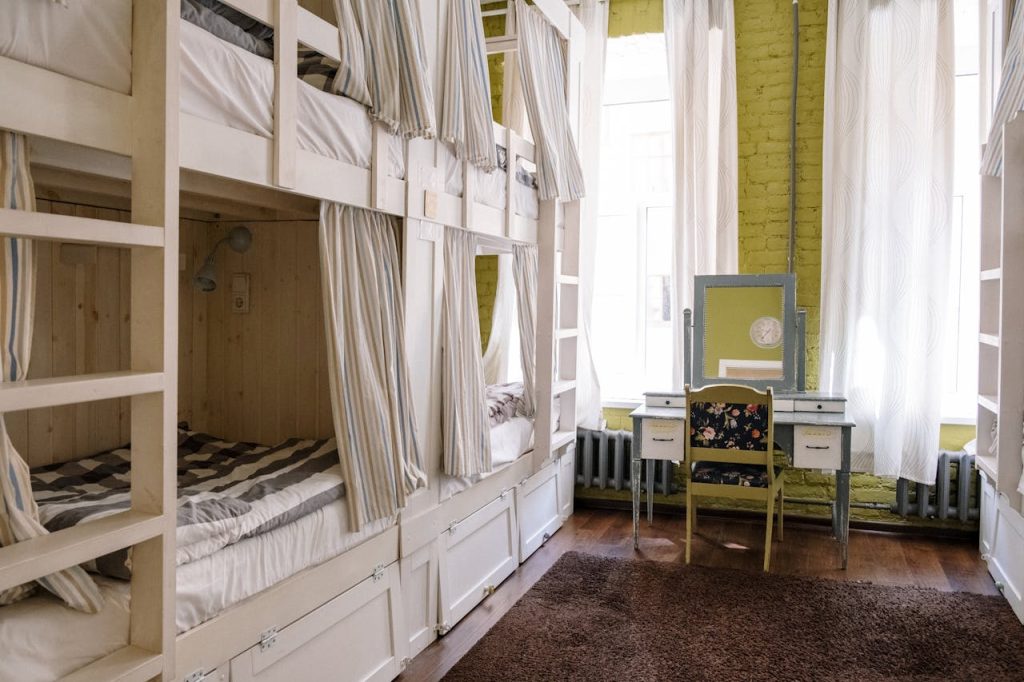
Basement dorms feel sheltered until rainy season turns the air heavy. Damp clings to concrete, and an AC line, leaky washer hose, or slow floor drain can keep corners moist, which draws pests toward the warmest edges behind lockers and under bunks. The room can smell clean and still stay humid.
Fans help, but cluttered storage and fabric curtains create shelter that never dries. When occupancy stays high, staff may treat the room during a short vacancy window, then rush new guests back in. Better outcomes follow drying the structure, raising storage off floors, sealing pipe gaps, and keeping laundry and cardboard away from sleeping rooms.
The Rooftop Stairwell Hostel
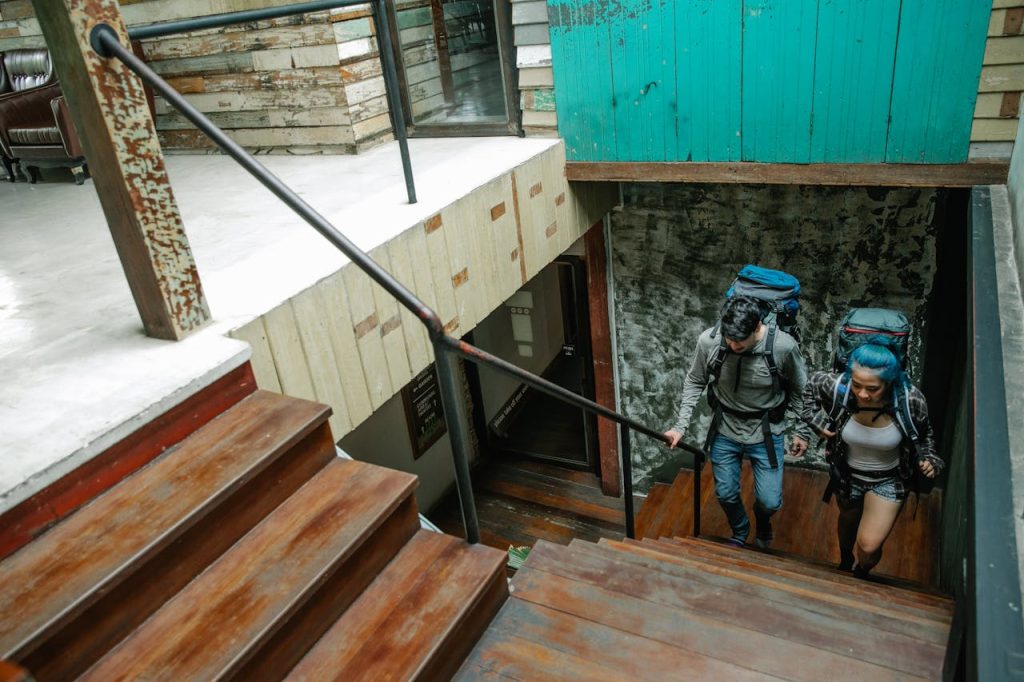
Rooftop hostels can feel airy, but open stairwells and utility chases invite visitors. Gaps around pipes, balcony doors, and meter panels offer easy access, and rooftop snacks leave crumbs near benches where guests linger late. Spare linens and cardboard often end up stacked on landings.
Planters, water tanks, and warm lights add hiding spots close to moisture, and wind carries food smells into dorm corridors. A fogger buys time, yet results stick only when screens are fitted, door sweeps stay tight, and kitchens close clean so nothing sits out overnight. Small building fixes beat repeat treatments.
The Long-Stay Backpack Pile Dorm
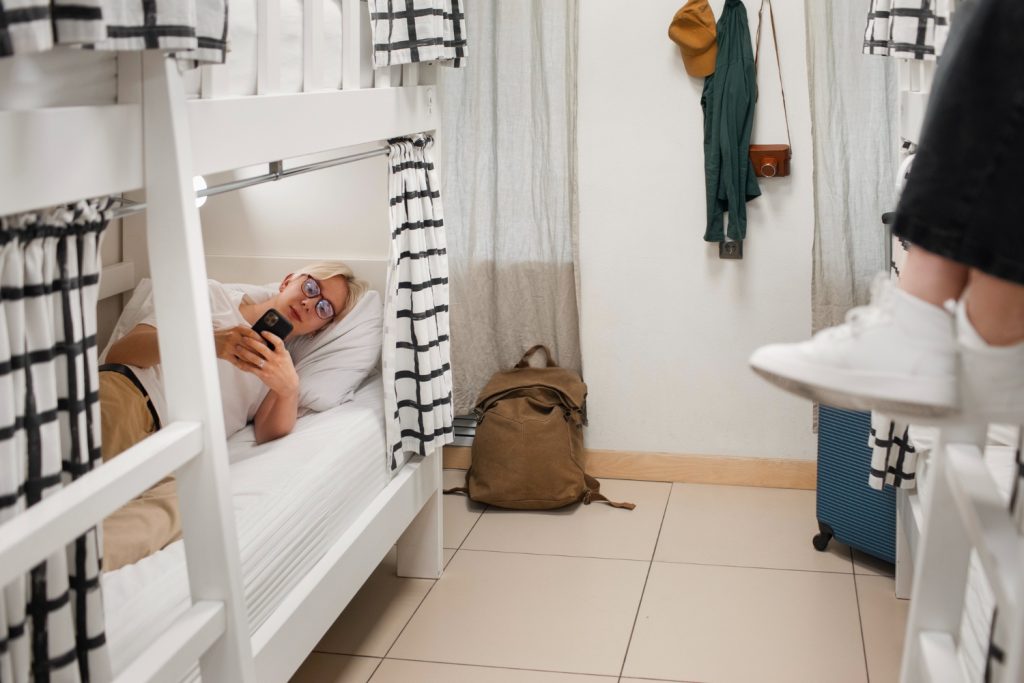
Long-stay dorms build community, but they also build piles. Backpacks, shoes, and snack tins stacked near beds block cleaners from reaching baseboards and under-bed space, where warm, dark edges stay undisturbed. Even tidy guests leave charging cords and tote bags draped in the same spots.
When a room never empties, treatments happen around belongings and lose impact. Management may treat the air and hope for the best, then reopen within hours. Durable control comes from strict storage rules, lidded food only, regular mattress lifts, and scheduled clean-out days that clear corners so staff can wipe seams and dry floors fully.
The Half-Renovated Bargain Hostel

Renovation deals can tempt backpackers, yet construction opens walls and exposes voids pests use as highways. New bunks and paint look fresh, while dust, spare materials, and unfinished trim create shelter behind outlet plates and skirting. The building feels half new, half unsettled.
With contractors working by day and guests sleeping by night, there is no clean break for sealing and deep cleaning. Some places schedule a treatment to protect reviews. The turning point is final caulking, sealed penetrations, and a short closure to reset storage, flush drains, and clean behind fixed cabinets before reopening.
The Transit-Hub Capsule Row
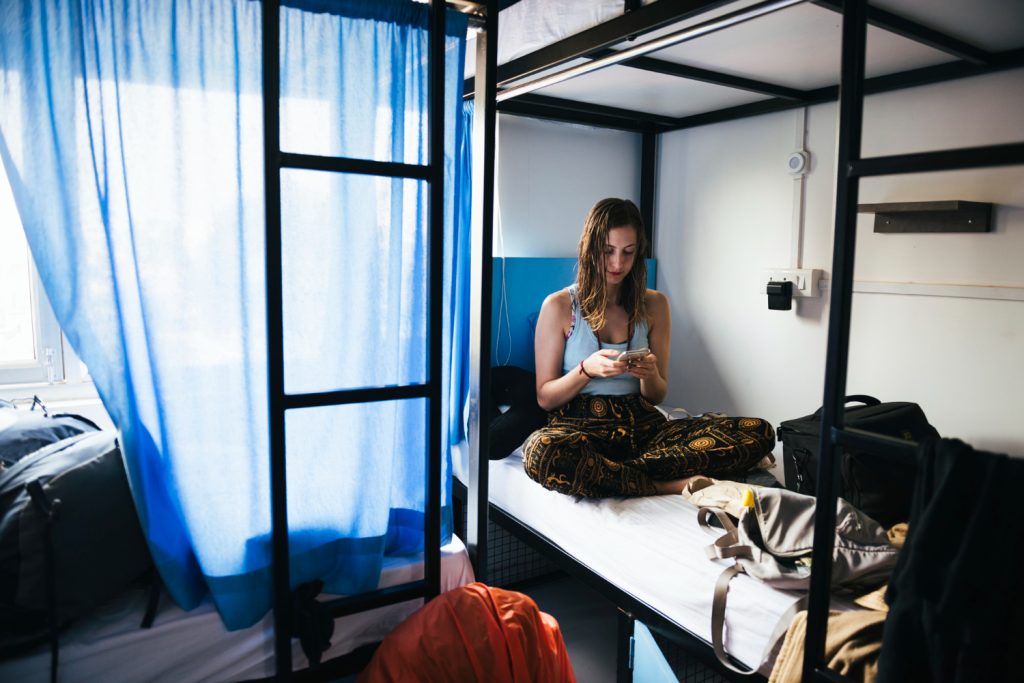
Hostels near stations win on convenience, and lose on turnover. Constant arrivals bring takeout bags and luggage, while capsule pods and locker banks add vents, seams, and curtain tracks that collect crumbs and scraps between cleanings. Staff time goes to check-ins, not deep resets.
In a dorm that never rests, pests learn routes between trash rooms and sleeping rows, especially when bins sit full until morning. A treatment might run on a slow afternoon, but lasting control comes from sealed joints, early waste pickup, and firm rules that keep eating in common areas. Rotating deep cleans that pull lockers forward makes a real difference.
The Coastal Strip Walk-Up

On coastal strips, cheap walk-ups often sit above cafés or mop sinks that keep moisture in the air. Salt and heat can warp doors, opening thin gaps, and breezeways let insects drift inside, especially around laundry corners and shared balconies. Nighttime food runs add a steady trickle of crumbs.
Surface sprays may push the problem into wall voids, where it returns when the smell fades. A fogger offers short relief, but the real improvement comes from weather stripping, screened vents, and dry-floor habits after closing. Sealed trash rooms and storing linens off the ground keep dorms calmer for everyone.
The Mountain Town Heater-and-Storage Hostel

Mountain hostels can feel clean and quiet, yet older buildings often mix heaters with tucked-away storage. Cardboard boxes, firewood stacks, and pantry shelves create sheltered edges, especially near shared kitchens where crumbs and tea bags collect by the sink. Gear drying near vents adds warmth to corners.
Cold nights keep doors shut and heat steady, so indoor seams stay inviting. Management may treat between check-outs for quick relief, then reopen the same day. Durable control comes from reorganized storage, sealed thresholds, lidded containers only, and nightly wipe-downs that remove food traces before they migrate toward dorm areas.