The 10 Cable Car Rides Stalled by Mechanical Freakouts
Lift safety engineers and ropeway maintenance teams often describe an unplanned stop as the system doing its job. Modern cable-propelled rides use layers of sensors and interlocks that favor caution. When something reads out of tolerance, the line can halt quickly even if the issue looks minor from inside a cabin.
Transit operators and mountain resort mechanics also point out a second truth. The word mechanical can mean many things in this context, including a door circuit, a wind alarm, a braking test, a power fluctuation, or a communication fault. Some interruptions feel like a breakdown, yet many are controlled stops designed to protect passengers while staff reset or inspect.
The rides below draw attention because they combine memorable settings with complex machinery. In each case, professionals focus on the same themes, redundancy, conservative weather rules, and clear passenger behavior during a stop.
Roosevelt Island Tramway In New York City
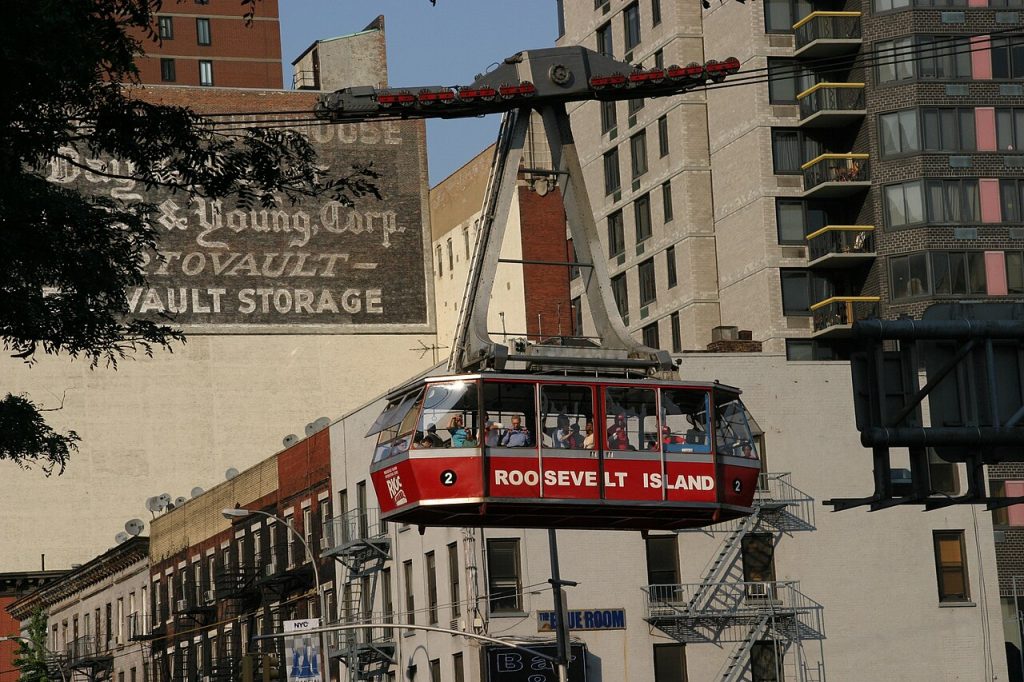
The Roosevelt Island Tramway runs above the East River between Manhattan and Roosevelt Island, and its urban setting changes how a stop feels. Unlike a remote mountain lift, this ride sits in a dense transportation network where riders expect steady, commuter-grade reliability. When the cabins pause midspan, the contrast between everyday city pace and suspended stillness can feel jarring.
Ropeway engineers explain that urban aerial trams rely heavily on automatic monitoring because the environment adds variables. Wind funnels between buildings, temperature shifts affect equipment, and the system must coordinate with station controls and evacuation planning in a tight footprint. A mechanical looking stop can be a sensor response that prevents a small issue from becoming a larger one.
Safety trainers generally emphasize calm, predictable behavior during any tram stoppage. Operators design cabins to remain secure during holds, and staff procedures focus on diagnosis, communication, and a safe restart sequence rather than rushing to meet a timetable.
Palm Springs Aerial Tramway In California
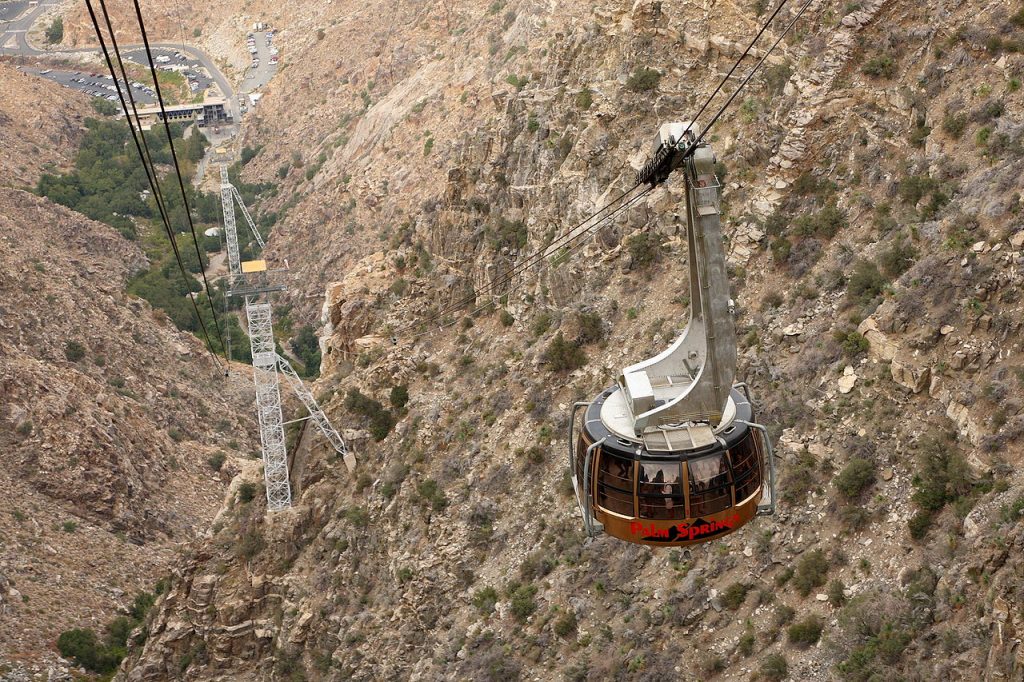
Palm Springs Aerial Tramway climbs from the desert floor into the San Jacinto Mountains, and that dramatic elevation change creates real engineering demands. The ride crosses distinct climate zones in a short span, so temperature, wind, and storm patterns can shift quickly. A stop in that setting can feel like a sudden mechanical mood swing even when the system simply reacts to conditions.
Aerial tram maintenance directors often describe weather as a mechanical partner, not a separate concern. Wind thresholds, lightning protocols, and operational holds protect equipment and passengers alike. Many delays that passengers experience as equipment trouble are actually conservative safety decisions triggered by weather detection or operating rules.
Operational teams typically plan for this with routine inspections and strict restart procedures. A controlled pause gives crews time to confirm doors, brakes, and drive systems before returning to motion, especially on a route where terrain and altitude add complexity.
Sandia Peak Tramway In New Mexico
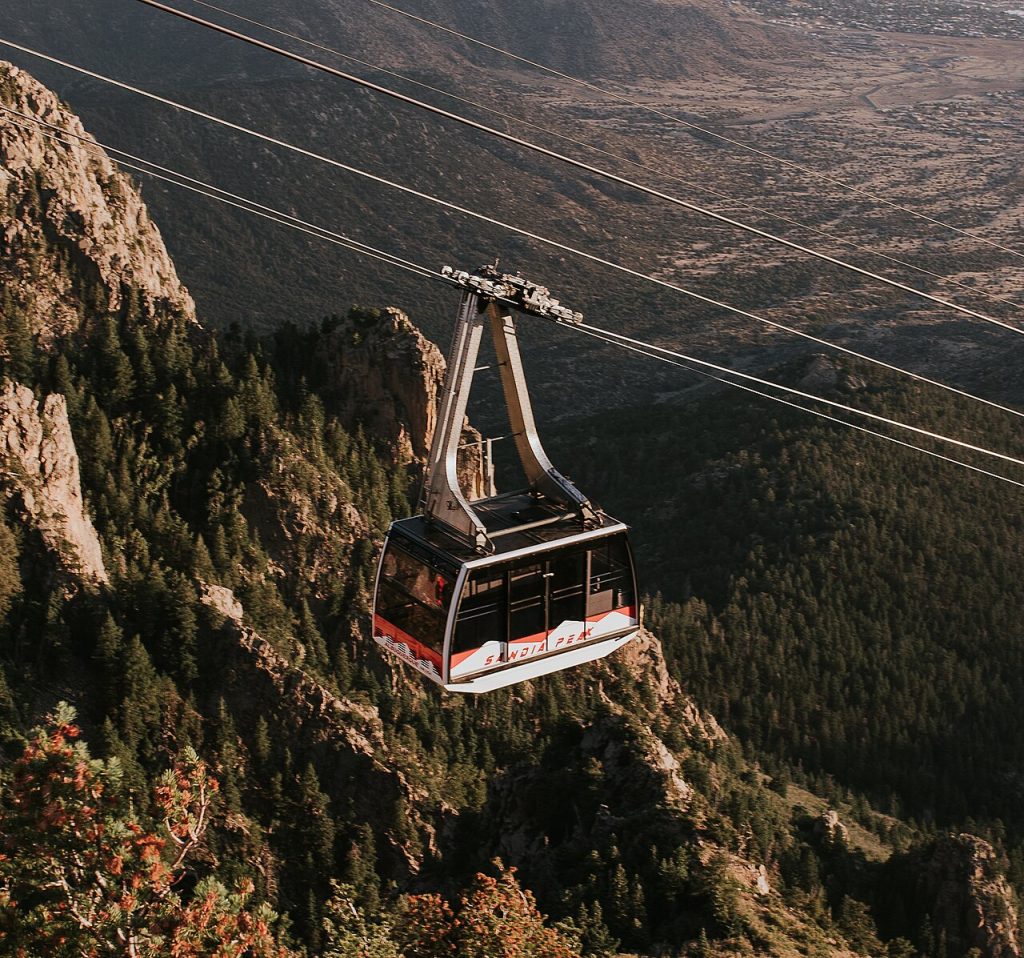
The Sandia Peak Tramway spans rugged terrain near Albuquerque, and its long line and high exposure make reliability planning essential. When an aerial tram stops over steep ground, the psychological effect can be immediate. The machinery might be stable, but the landscape below can make any delay feel amplified.
Lift mechanics often explain that long-span systems depend on careful alignment and continuous monitoring of components such as haul rope behavior, sheaves, and braking performance. A small anomaly in readings can trigger an automatic stop, and that stop can be the safest response while staff verify that everything stays within operating limits.
Professionals also stress that communication is part of the safety system. During a hold, operators focus on updates, assessment, and orderly decision-making. That process can take longer than passengers want, but it reflects the industry’s bias toward certainty over speed.
Jackson Hole Aerial Tram In Wyoming
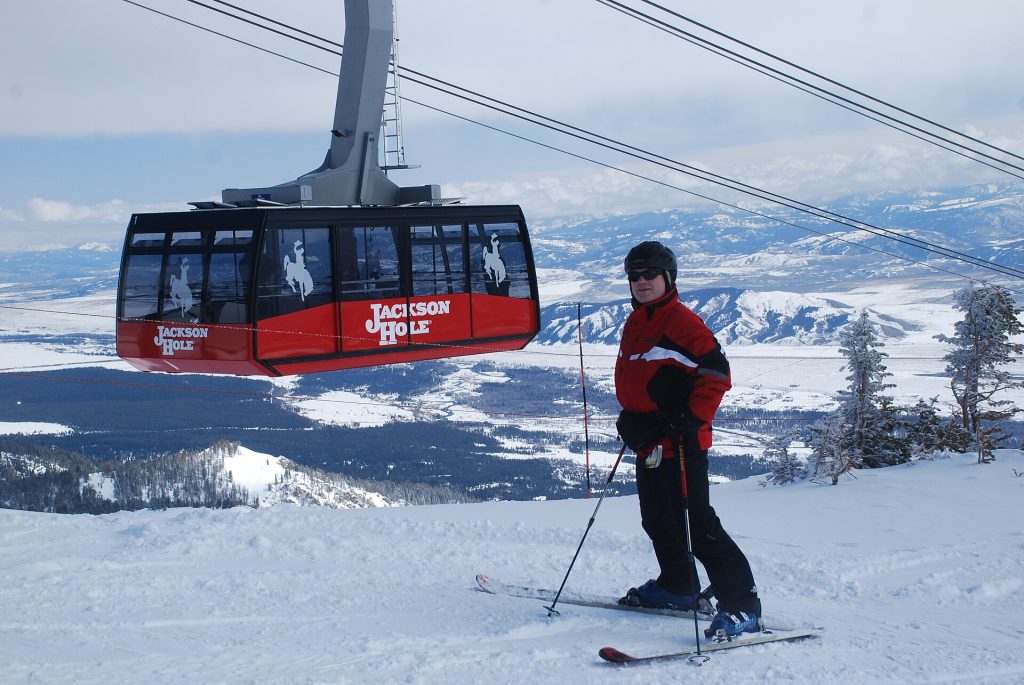
Jackson Hole’s aerial tram operates in a high-alpine environment that demands constant attention to weather, ice, and heavy seasonal use. Mountain operations teams treat the tram as both transportation and an essential part of the resort’s safety culture. When a stop happens, it often intersects with changing wind, visibility, or de-icing needs, not just a mechanical part wearing out.
Ski area mechanics often point to safety circuits that are intentionally sensitive. A door interlock, a grip-related alert, or an unexpected power irregularity can halt the system so technicians can inspect and reset safely. These pauses can feel like a mechanical freakout from the cabin, yet they often reflect a system designed to stop first and confirm second.
Mountain professionals also emphasize that passenger conduct affects how smoothly a stop is managed. Remaining steady, following posted instructions, and allowing staff to work their procedures supports faster resolution and reduces secondary issues that can arise when riders try to self-solve.
Peak 2 Peak Gondola At Whistler Blackcomb In British Columbia
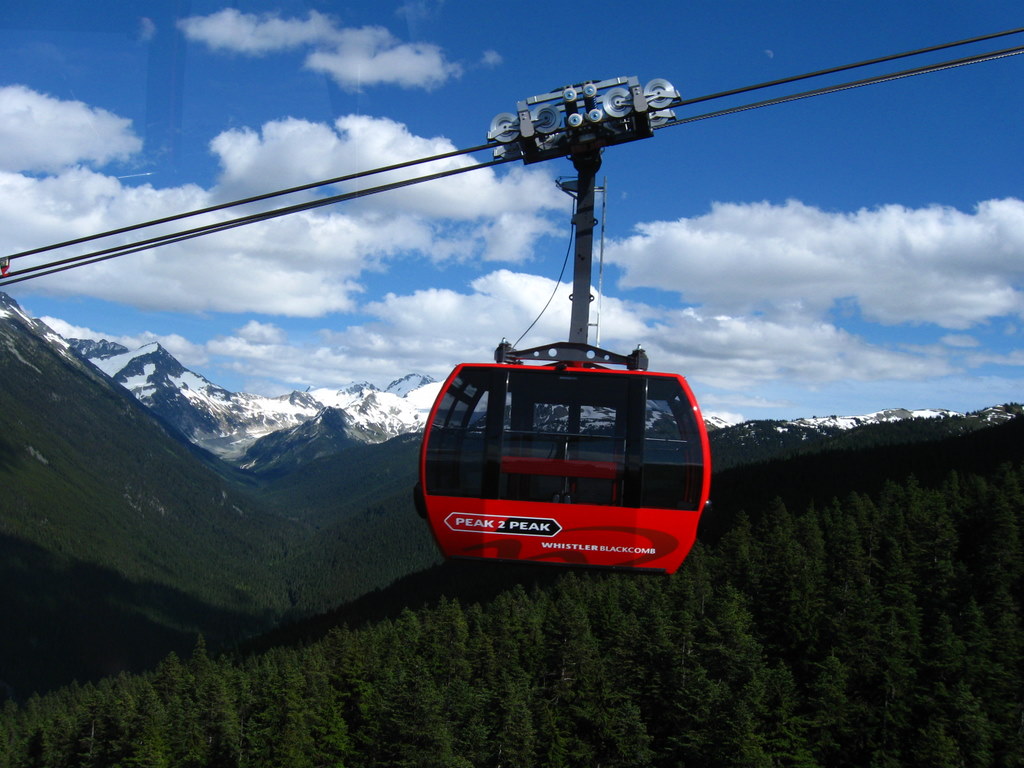
The Peak 2 Peak Gondola is famous for its height and long span between mountain peaks, and that signature design comes with signature operating challenges. Wind patterns can vary sharply across the line, and conditions at one station can differ from conditions midspan. When the cabins slow or stop, it can look like a mechanical failure even when the system responds to environmental readings.
Ropeway engineers often describe gondolas as a choreography of moving parts. The haul rope, tower assemblies, station machinery, and cabin systems must stay synchronized. If sensors detect irregularities such as wind thresholds, door status issues, or drive system alerts, an automatic hold protects both passengers and equipment.
Resort operations teams also plan for the reality that holds happen. Clear announcements, steady procedures, and well-drilled staff responses keep a pause from turning into panic, especially on a ride that draws many first-time ropeway passengers.
Table Mountain Aerial Cableway In Cape Town
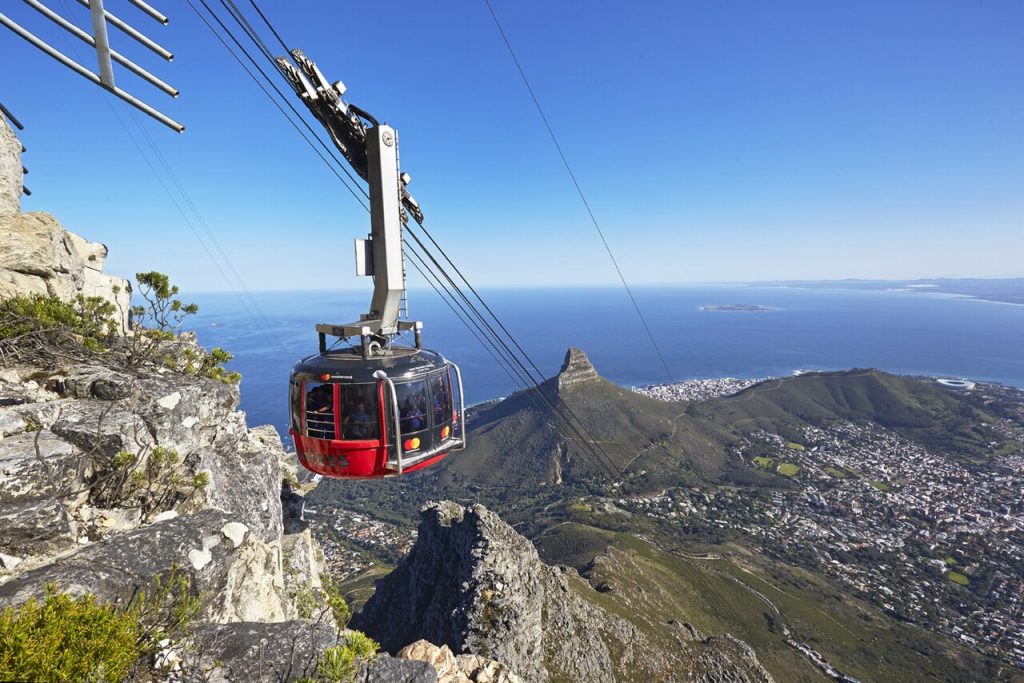
Table Mountain’s aerial cableway pairs iconic views with famously changeable conditions. Local operators often deal with strong winds and sudden shifts that can alter operating decisions quickly. In that context, a stoppage can feel like the machinery has lost confidence when it is actually the control system enforcing strict limits.
Ropeway safety professionals tend to frame wind as one of the most important operational factors for exposed cableways. The decision to slow, hold, or suspend service can reflect predetermined thresholds rather than a surprise malfunction. Those thresholds protect cabins from excessive sway and protect mechanical systems from stress beyond design limits.
During a hold, operators rely on procedure and redundancy rather than improvisation. The system’s design anticipates stoppages, and staff training focuses on controlled restarts or safe continuation of the plan already in place, including communication that reduces uncertainty inside the cabin.
Ngong Ping 360 In Hong Kong
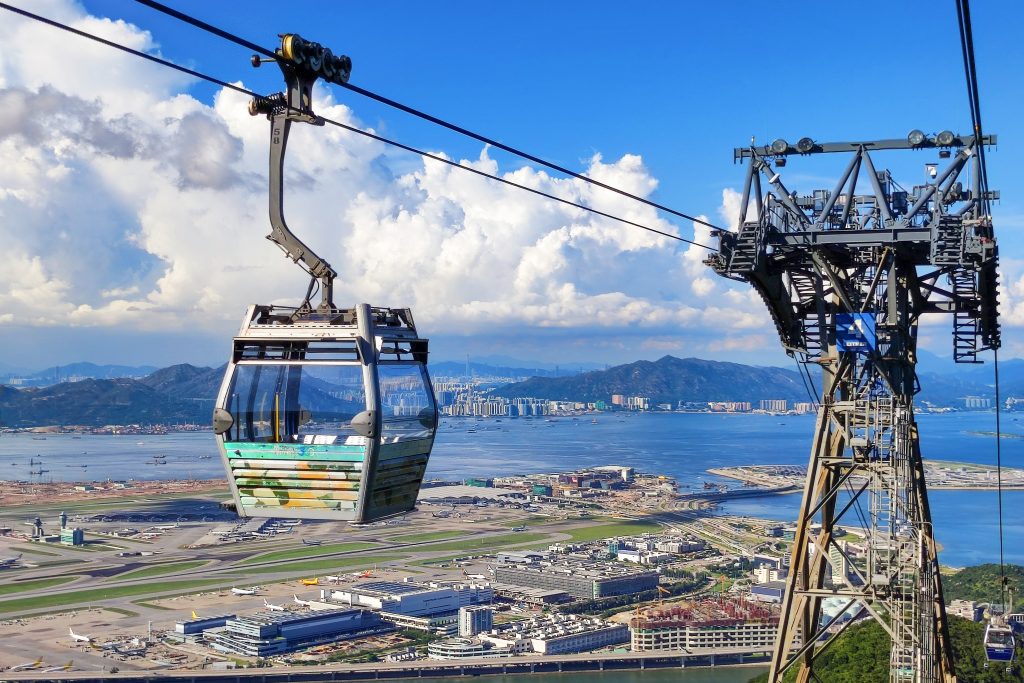
Ngong Ping 360 connects Tung Chung with Ngong Ping, carrying passengers over varied terrain on a modern cable car system. High ridgelines, shifting coastal weather, and dense visitor demand create an environment where operations must stay conservative. A stop can feel chaotic because it interrupts a tourist flow that usually feels seamless.
Transit safety specialists often note that large public ropeways rely on automatic checks to manage volume safely. Station timing, door systems, cabin spacing, and drive monitoring all matter, and a fault in any of those layers can trigger a brief stoppage. The pause may look dramatic, but it often reflects the system choosing a safe default.
Operators in high-traffic attractions typically prioritize predictable passenger management during delays. Clear signage, calm announcements, and controlled station flow reduce the ripple effects that can make a simple stop feel like disorder.
Skyrail Rainforest Cableway In Queensland Australia
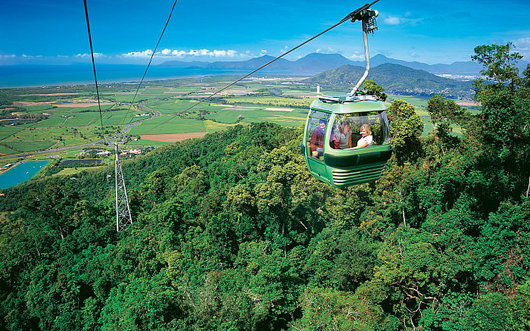
Skyrail travels above tropical rainforest near Cairns, and the environment shapes both maintenance and operations. Humidity, sudden storms, and seasonal weather can affect how systems run. In a tropical setting, a midline stop can look like mechanical trouble when it is actually a weather hold or a conservative response to changing conditions.
Ropeway maintenance teams often describe tropical operations as a constant balance between engineering and environment. Electrical systems, communication lines, and station equipment must perform reliably in moisture-heavy conditions. A safety stop can occur when sensors detect an issue that might be trivial in a dry climate but significant in a rainforest corridor.
Industry trainers also stress that evacuation readiness is not a sign of danger but a sign of professionalism. Operators design procedures for rare scenarios, and routine holds often resolve through inspection and reset without escalating, especially when passengers remain calm and let staff run the process.
Wellington Cable Car In New Zealand
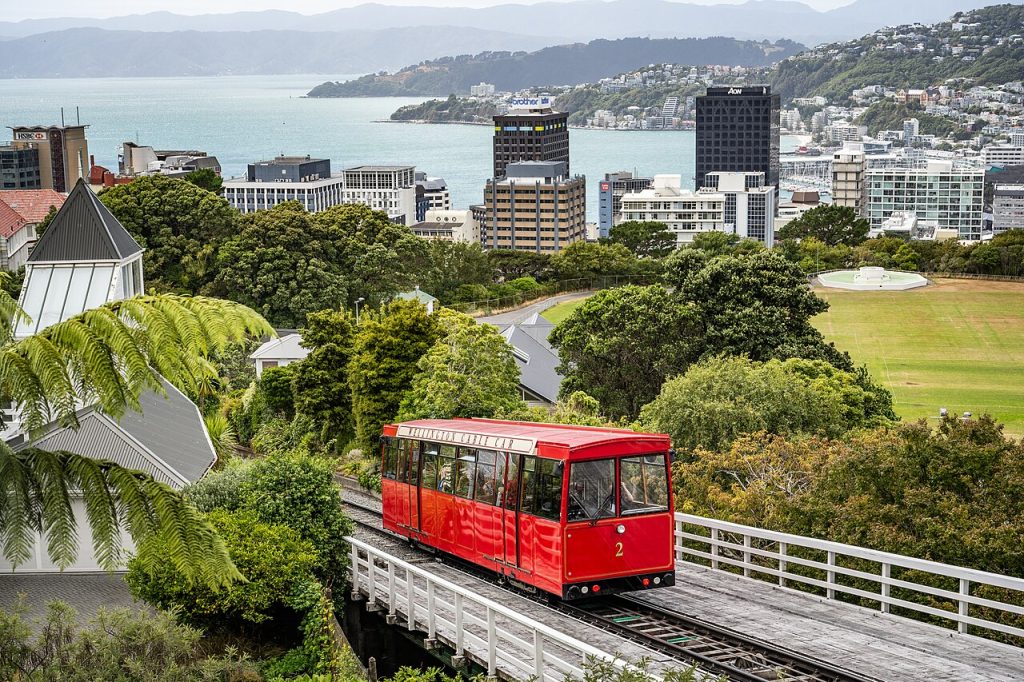
Wellington’s Cable Car is a funicular-style ride that climbs from the city center toward Kelburn, and its mechanics differ from aerial ropeways. The system runs on rails and a cable, with braking and control systems designed for steep grades and frequent cycles. When it stops unexpectedly, it can feel like a mechanical freakout because the ride is short and riders expect an uninterrupted climb.
Rail and transit maintenance professionals often emphasize that steep-grade systems treat braking integrity as non-negotiable. Sensors and control circuits can trigger a stop if readings fall outside acceptable limits, even if the train feels stable. That caution reflects the operating reality of a compact system where safety margins come from precise controls.
Operators typically manage these events with straightforward procedures. Staff focus on diagnosis, communication, and a controlled reset, and they prioritize passenger stability and station coordination over speed of restart.
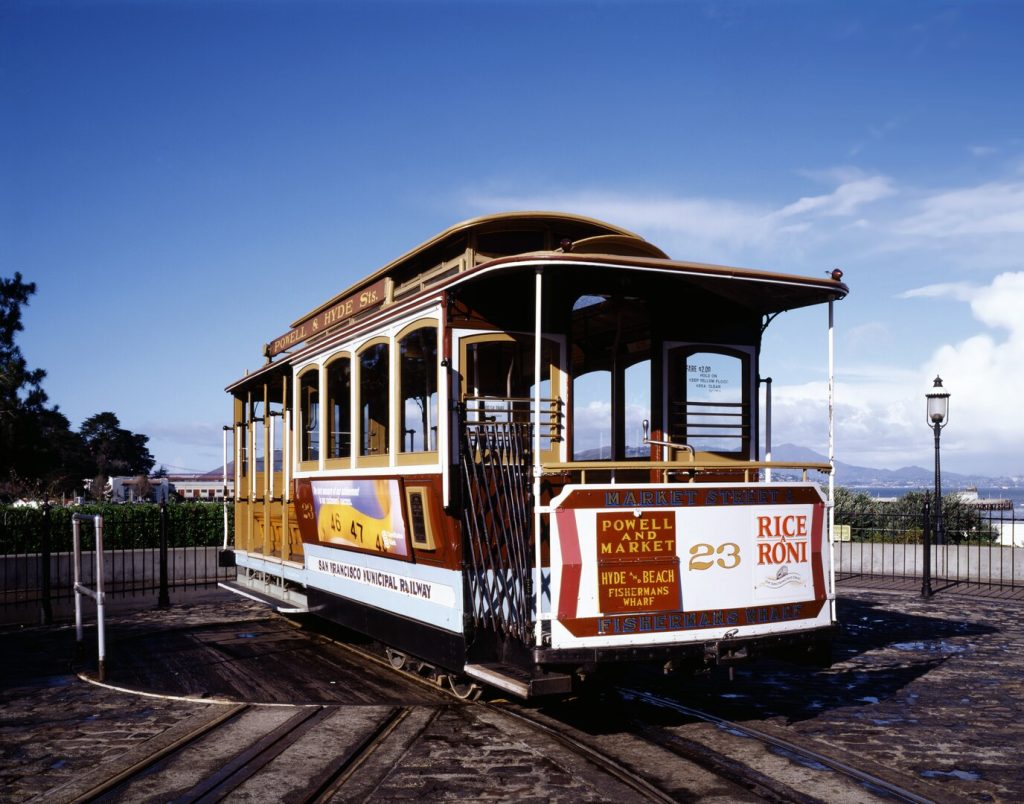
San Francisco Cable Cars In California
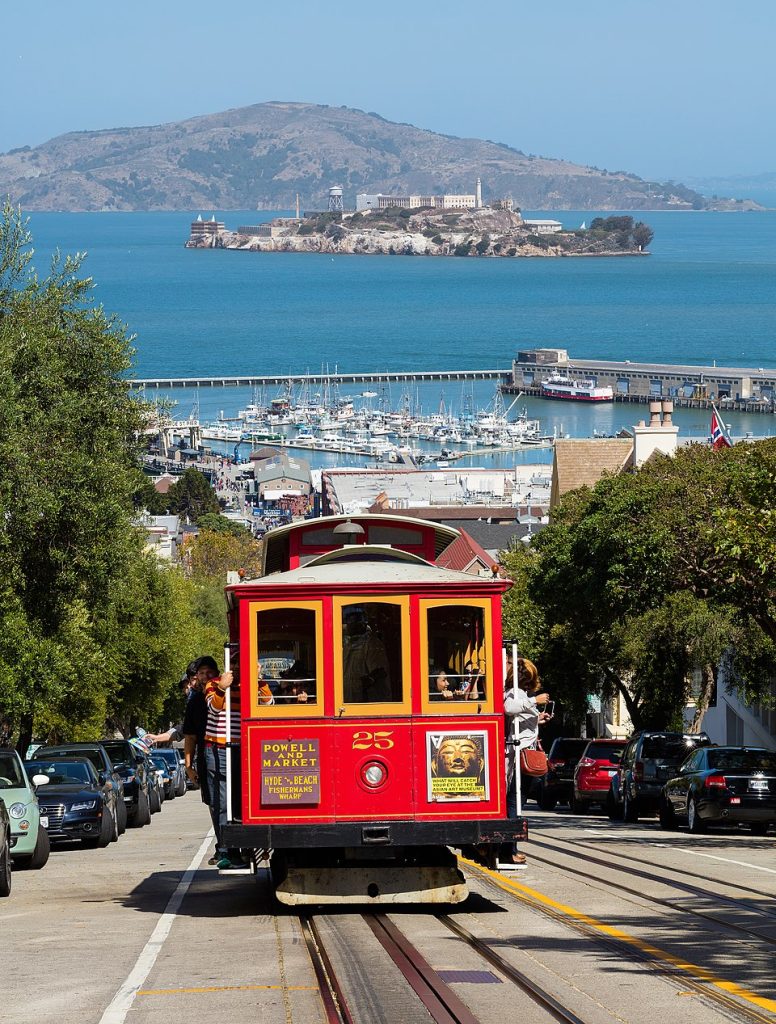
San Francisco’s cable cars are street-running vehicles powered by a continuously moving cable beneath the road, and that historic design creates a different style of mechanical stoppage. The grip mechanism, track conditions, street traffic, and intersections all influence reliability. A stop may involve the vehicle, the cable system, or the street environment interacting in a way that forces operations to pause.
Transit mechanics often describe these systems as a blend of machinery and street operations. A cable car can halt for reasons that feel mechanical but originate in traffic, track obstructions, or grip and cable coordination. Unlike an aerial ride, the surrounding street activity can make the stoppage feel chaotic even when the solution is routine.
Operators and safety staff generally rely on practiced protocols that prioritize control and spacing. The goal is to restore safe movement without creating new risks in mixed traffic, which can mean a longer pause than passengers expect on a ride that looks simple from the outside.