The 10 U.S. River Rafting Spots With Near-Fatal Currents
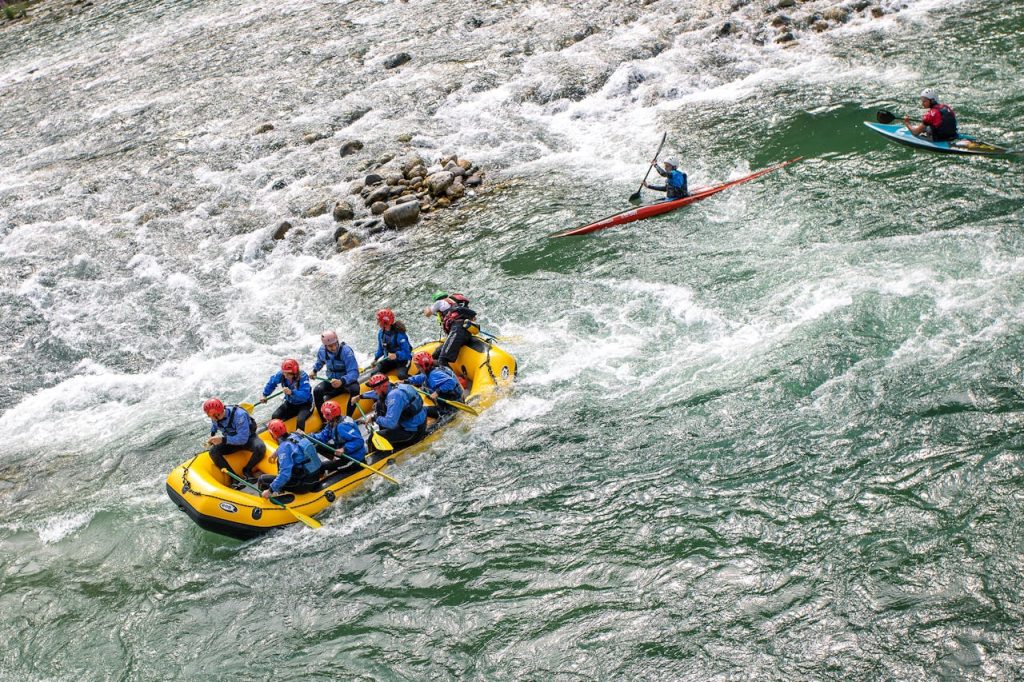
From a roadside pullout, a river can look friendly, almost slow. Up close, current has layers: fast tongues that accelerate without warning, sideways seams that tug a raft off line, and eddies that spin with real force. Cold water can numb hands, and wind can turn simple communication into missed cues.
Snowmelt, dam releases, and storms can shift a run within hours, which is why outfitters talk about reading flows, not chasing plans. The best days are built on clear roles, steady spacing, and guides who will scout, portage, or call it early when the water feels wrong, even if the sky looks perfect. That discipline keeps the joy clean.
Colorado River Through the Grand Canyon, Arizona
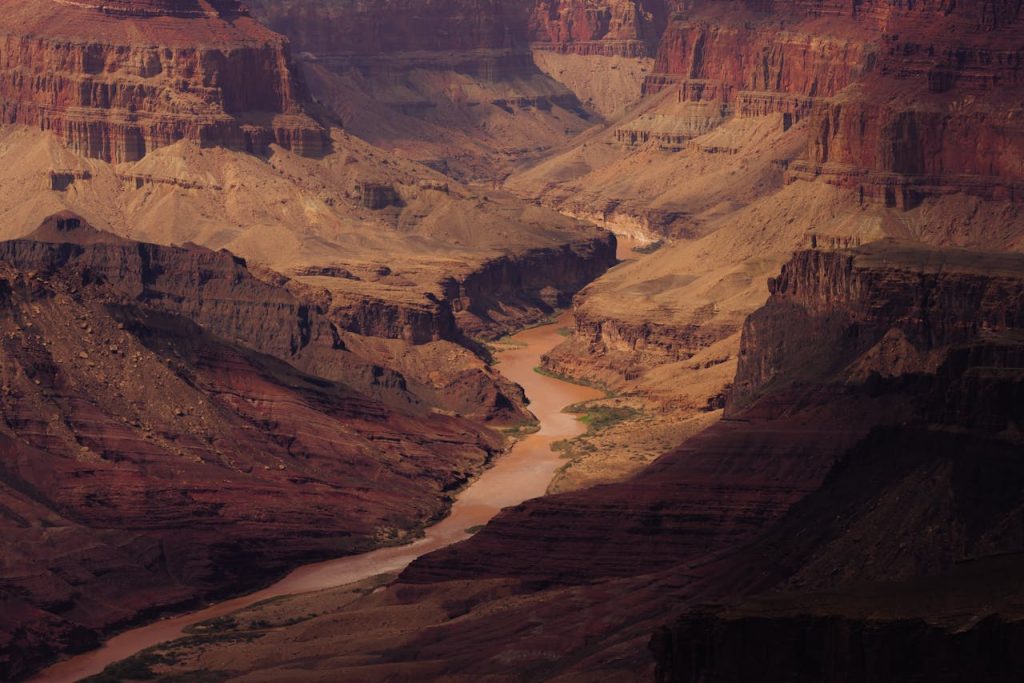
Grand Canyon rafting is long-form focus: big volume, cold water, and long days that add up. Even between named rapids, the current sets up strong eddies near cliffs and hidden seams beside rocks, and a small lapse can turn a clean line into a messy recovery. Remoteness raises the cost of rushing.
Strong trips run on routine. Guides keep boats spaced, keep commands short, and choose breaks where footing is solid and boats are stable. When a rapid needs scouting, the group slows down, looks carefully, then commits together. The canyon rewards patience, tidy boat order, and steady hands, mile after mile, from launch to takeout.
Cataract Canyon, Colorado River, Utah
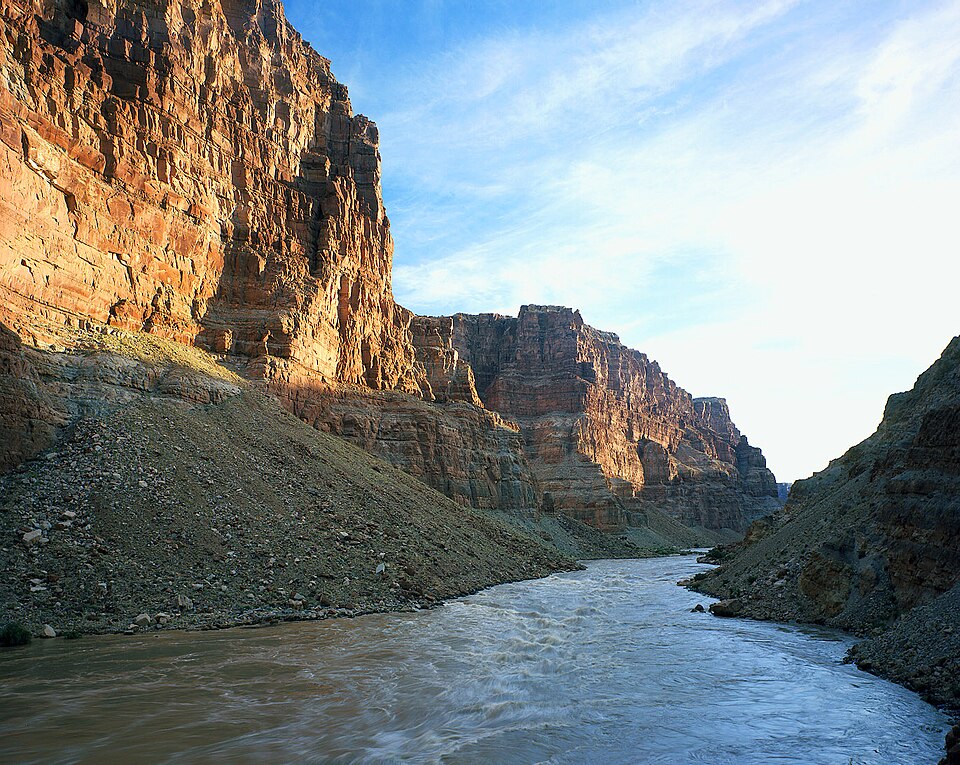
Cataract Canyon has a long, quiet lead-in that can trick people into relaxing too soon. When volume is up, the river stacks big waves and powerful holes in quick succession, and the current pulls hard across eddy lines that look tame until a raft hits them sideways. Wind can blur the shape of the wave train.
Good crews treat the flatwater as setup time. Boat order tightens before the big water begins, scouting happens when visibility drops, and rescue plans stay simple. Spacing between boats prevents pileups in tight eddies, and a pause to wait for lower wind is treated as smart timing, not lost momentum, in runoff most years.
Gauley River, West Virginia
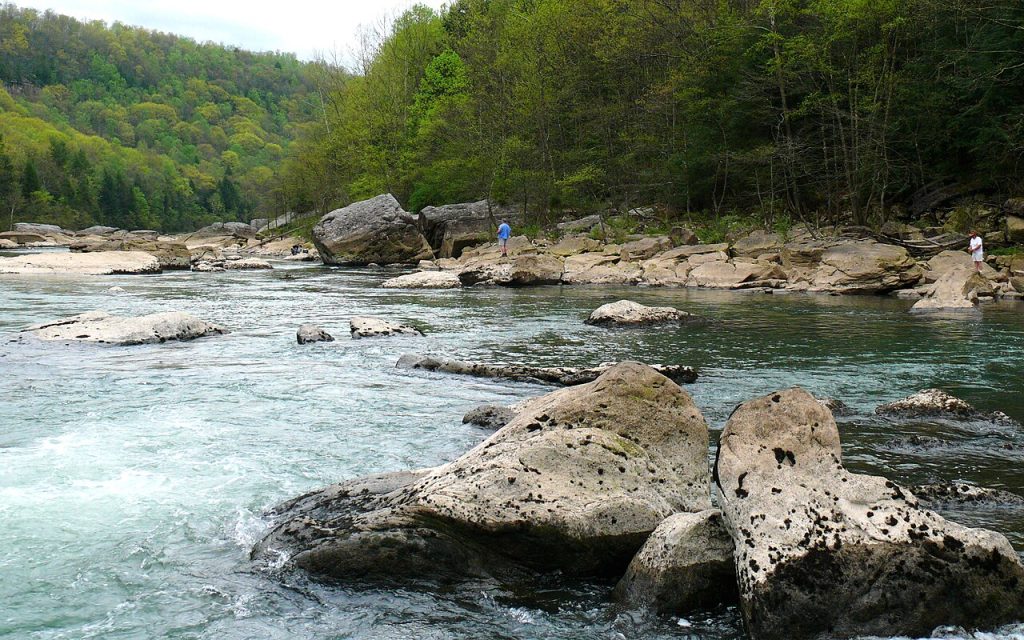
The Gauley is built for intensity: steep drop, fast transitions, and rapids that arrive with little time to reset. Current shoves boats into rocks, spins them into the next feature, and punishes late strokes during release season, when boulder gardens tighten lines and choices come fast.
Good leadership looks almost quiet here. Commands stay short, spacing stays consistent, and boats avoid stacking in the same eddy where collisions start. Breaks happen before focus drops, and swimmers are managed quickly and calmly. The Gauley rewards humility, clean timing, and crews that match the river’s pace instead of trying to hurry it.
New River Gorge Lower Gorge, West Virginia
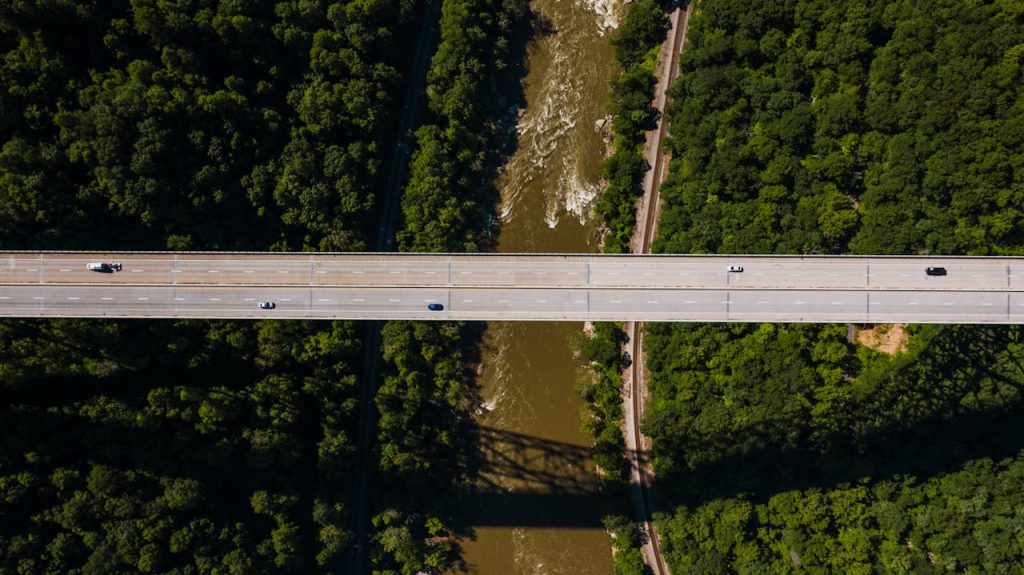
In the Lower Gorge, the New River threads big boulders and builds crosscurrents that can grab a raft at the wrong angle. Hydraulics form behind rocks, eddy fences feel sharp, and undercut walls add consequence when a line drifts a few feet. The roar can also drown out casual talk.
Outfitters run it like a system. Boat order stays consistent, stops happen on stable banks, and rescues are practiced so they stay quick. Guides wait for spacing, repeat instructions until everyone is synced, and scout when the line is unclear. That structure keeps the canyon intense in the right way, without turning rushed moments into mistakes.
Ocoee River, Tennessee
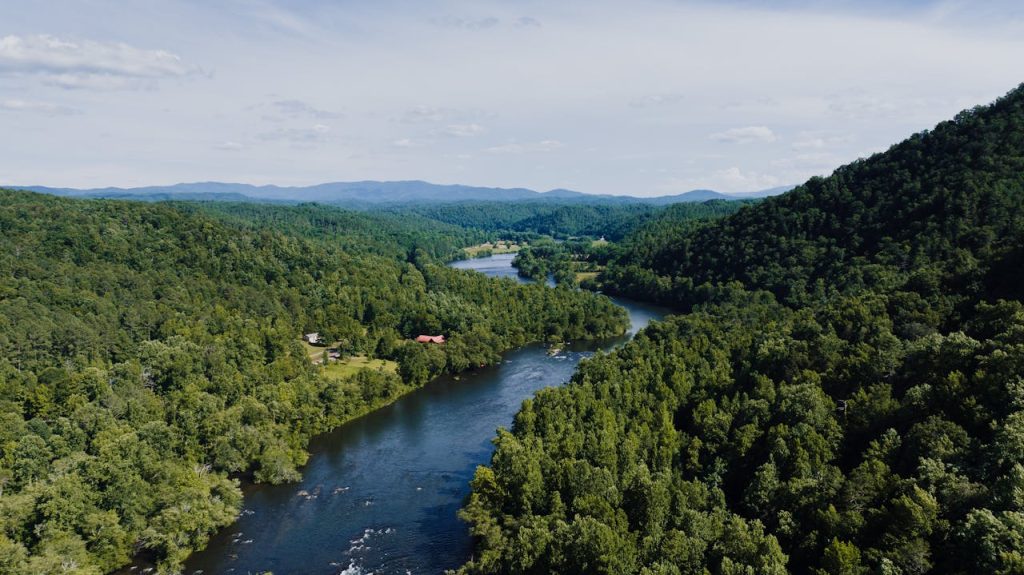
The Ocoee is dam-controlled, so the same channel can feel easy one hour and demanding the next. Release timing shapes speed, wave size, and how sticky certain drops become, and the crowded corridor adds pressure as rafts stack in the same chutes. Eddies can reverse hard along the banks.
Good trips treat timing as safety gear. Launches are staged, gear checks are quick, and crews avoid lingering in the main flow when releases shift. Guides keep spacing between boats so a stall does not become a pileup, and they use simple hand signals when noise swallows voices. The run feels smooth when the plan stays flexible. That is the difference.
Chattooga River Section IV, Georgia and South Carolina
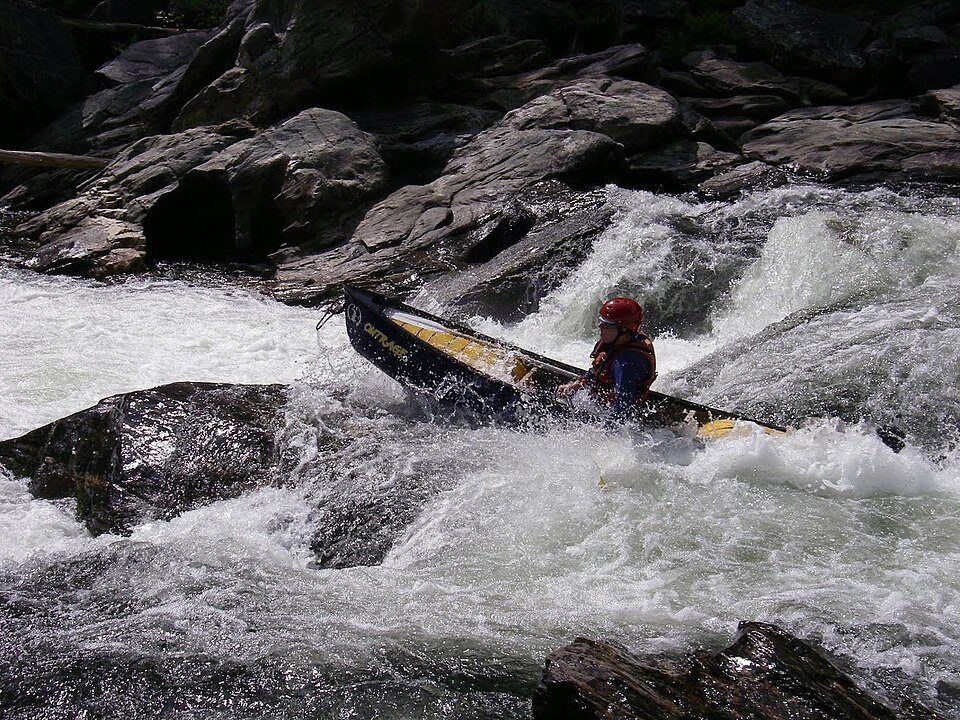
Section IV of the Chattooga is steep and technical, with clear water that can hide how fast decisions arrive. Current accelerates through narrow bends, then snaps into crosscurrents and pour-overs that punish late strokes. In higher water, the same features can feel heavier and less forgiving.
Local rules and outfitter judgment exist for a reason. Strong trips watch gauges, set conservative turnaround points, and keep groups disciplined in tight corridors. On the river, spacing stays generous, scouting is normal, and rests happen well above complex drops so focus stays intact. The reward is a run that feels sharp and clean.
Middle Fork of the Salmon River, Idaho
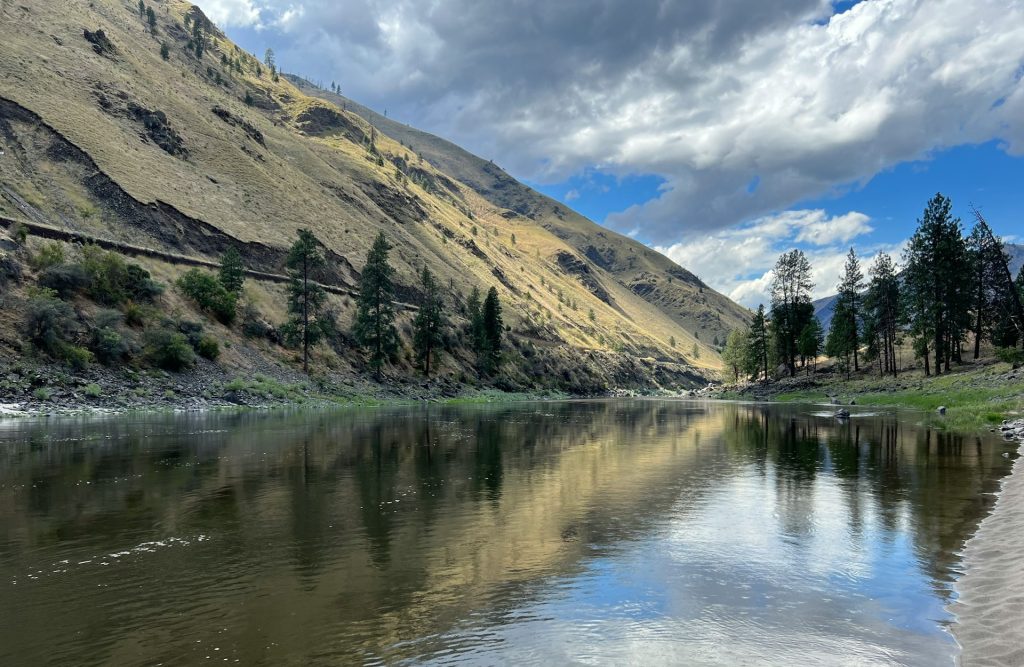
The Middle Fork is wilderness rafting with real consequence: cold water, long distance, and limited exits once the canyon tightens. During snowmelt, current stays pushy for hours, and small errors can spread because there are fewer easy reset points. Weather can swing fast and cut warmth and focus.
Skilled trips bake safety into the rhythm. Camps are organized, boat order stays consistent, and scouts happen early, before fatigue sets in. Leaders keep spacing through continuous rapids and treat cold water as a constant that shapes every choice, from morning launch to evening tie-off. The day feels demanding, yet controlled.
Rogue River Wild Section, Oregon
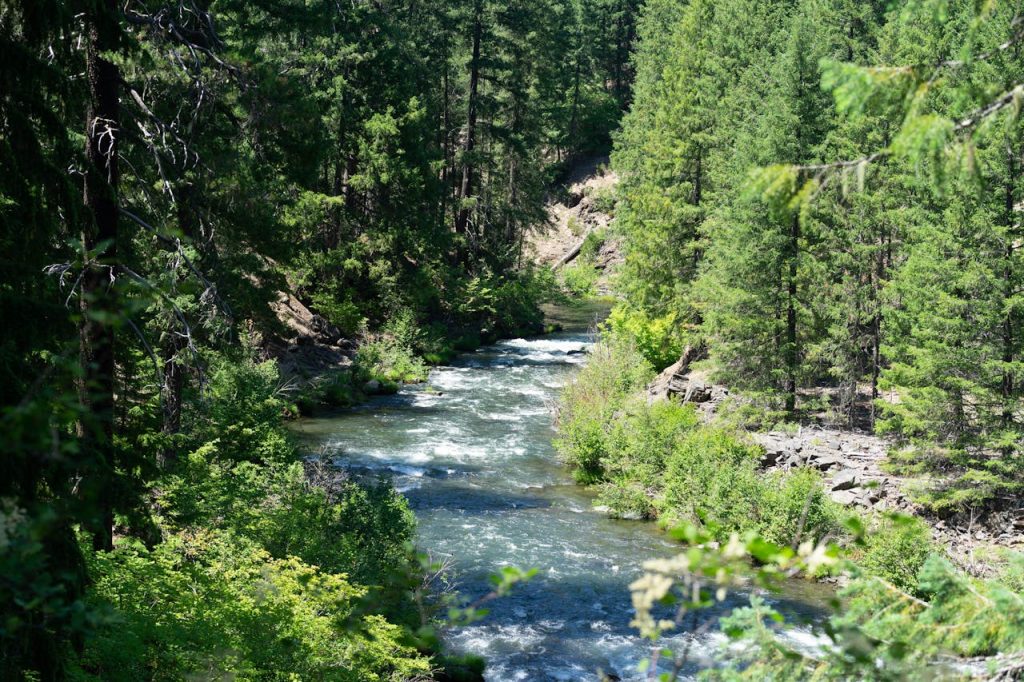
The Wild Rogue mixes calm pools with rapids that demand sharp timing, especially after storms move wood or reshape channels. Current can sweep into sudden laterals, then flip into strong eddies near the banks, and a small drift into the wrong seam can separate boats before anyone finishes a sentence.
Good crews stay patient. They land carefully, keep gear secured, and scout when the line looks different than expected. Spacing between boats is treated as nonnegotiable, because collisions create chaos in narrow corridors. When conditions feel off, guides slow down, reset the plan, and take the conservative route without debate.
Tuolumne River Main, California
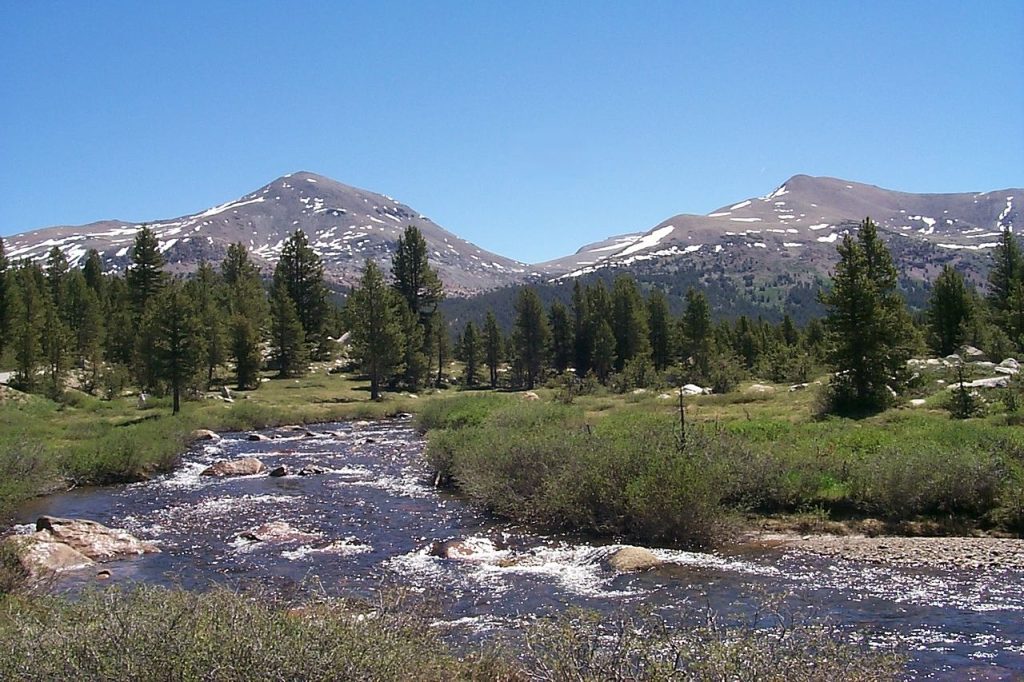
The Main Tuolumne runs in a steep canyon where rapids link together and the current stays busy for long stretches. In spring runoff, cold water and high volume can turn familiar features into sharp holes and fast wave trains, leaving little time to fix a mistake once the boat commits.
Responsible trips treat the day as a chain, not a single highlight. Launch timing is chosen carefully, boat order stays tight, and scouting happens before fatigue sets in. Exits can be awkward when water is high, so takeout is planned like a final rapid, not an afterthought. Calm choices early keep the canyon manageable all day. No rushing. Ever.
Arkansas River Royal Gorge, Colorado
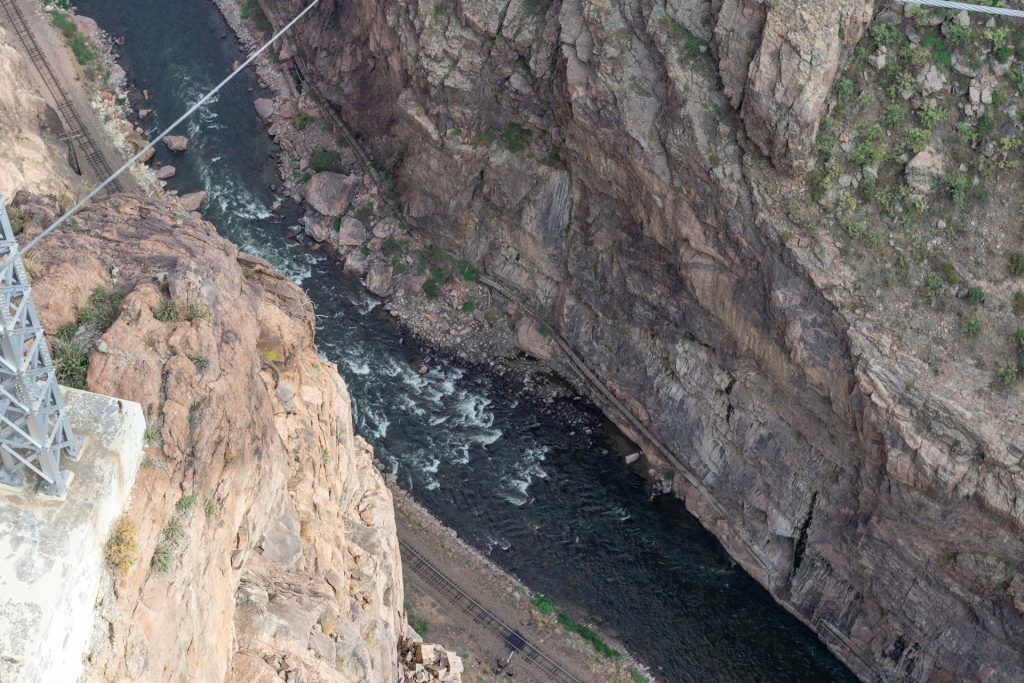
The Royal Gorge squeezes the Arkansas into a narrow corridor where waves, holes, and fast current arrive with little warning space. Rock walls amplify commitment, and the river can shove a raft into hard lines if the crew hesitates for even a moment. It is fast water that rewards clean angles.
Strong operators keep the tone crisp. Gear is secured, paddle calls are simple, and boats hold spacing so a flip or stall does not trigger a pileup. Scouting and portaging are treated as normal tools, not emergencies. When flows rise beyond comfort, the best outfitters switch sections or cancel without drama, and the day stays honest.