The 10 U.S. Ski Resorts With the Worst Avalanche Records
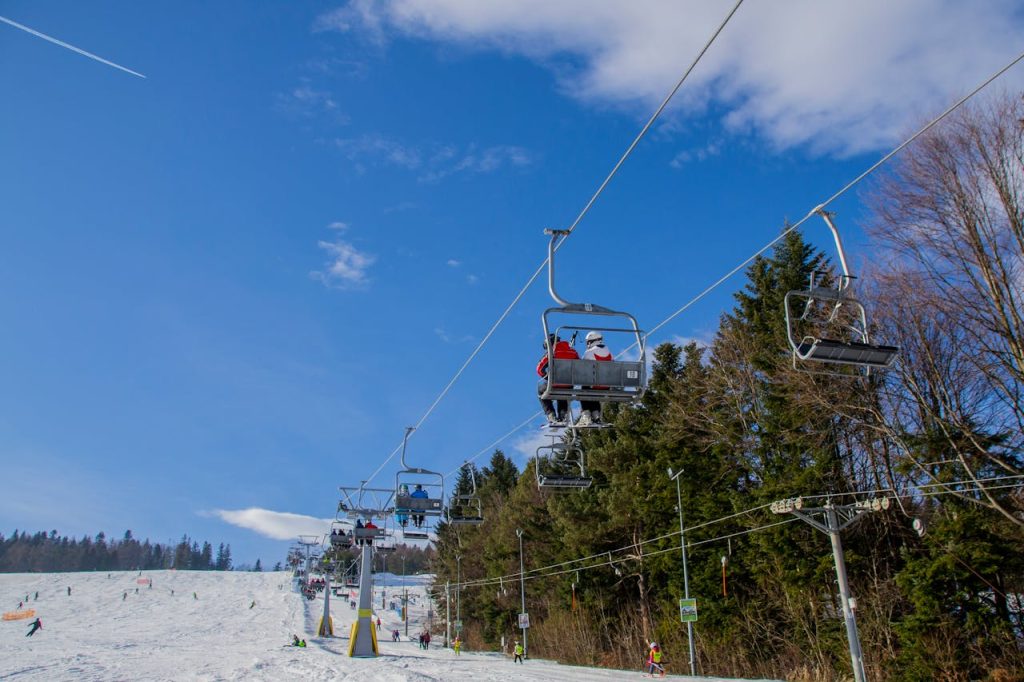
Powder can make a mountain feel generous, almost calm.
Then wind stacks a fresh slab on a weaker layer, and even in-bounds terrain can shift from playful to volatile in a few hours. Patrol teams run control routes, close runs, and watch the snowpack like a living thing, but incidents still break through.
Each event changes a resort’s habits: how gates are managed, how openings are timed, and how locals talk about the next storm. The resorts below have each faced widely reported in-bounds avalanches with serious consequences, leaving a public record that still shapes winter decision-making long after the headlines fade for years.
Snowbird, Utah
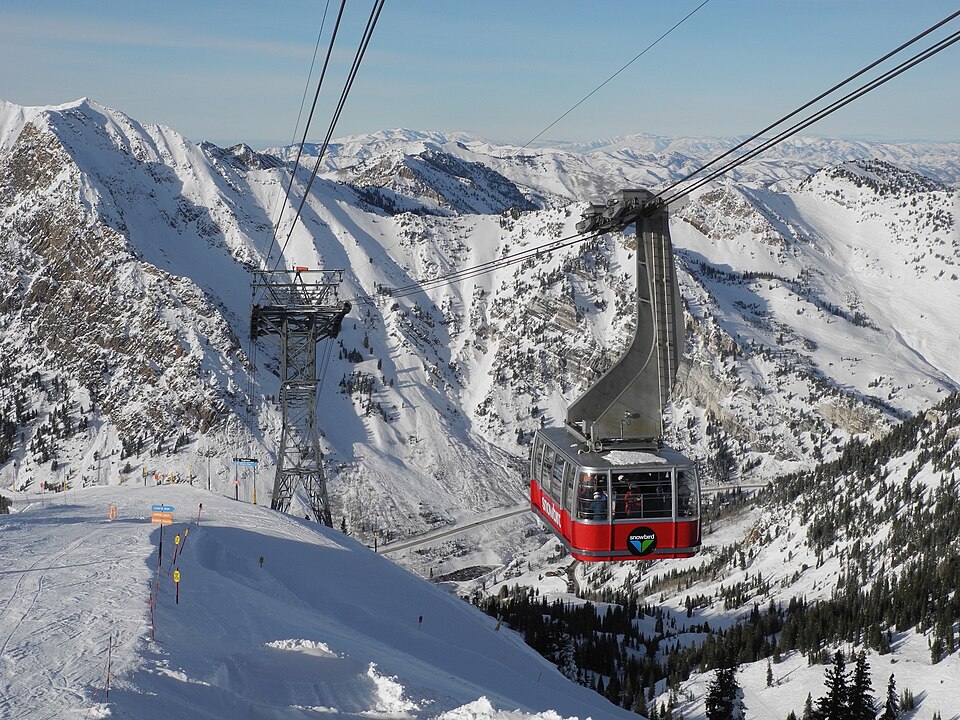
Snowbird sits in Little Cottonwood Canyon, where gusts can pack snow into the same start zones again and again.
On Dec. 14, 2008, a slide on Mount Baldy ran in-bounds after terrain had reopened following control work; 27-year-old Heather Gross later lost her life. The shock was not just the outcome, but the setting: steep, rocky features, a narrow path, and a runout that funnels debris fast.
Since that winter, the tone around expert openings has been steadier. Locals talk about wind first, then visibility, then powder. Rope lines and delayed openings carry extra weight, less as inconvenience and more as the canyon speaking plainly.
Jackson Hole Mountain Resort, Wyoming
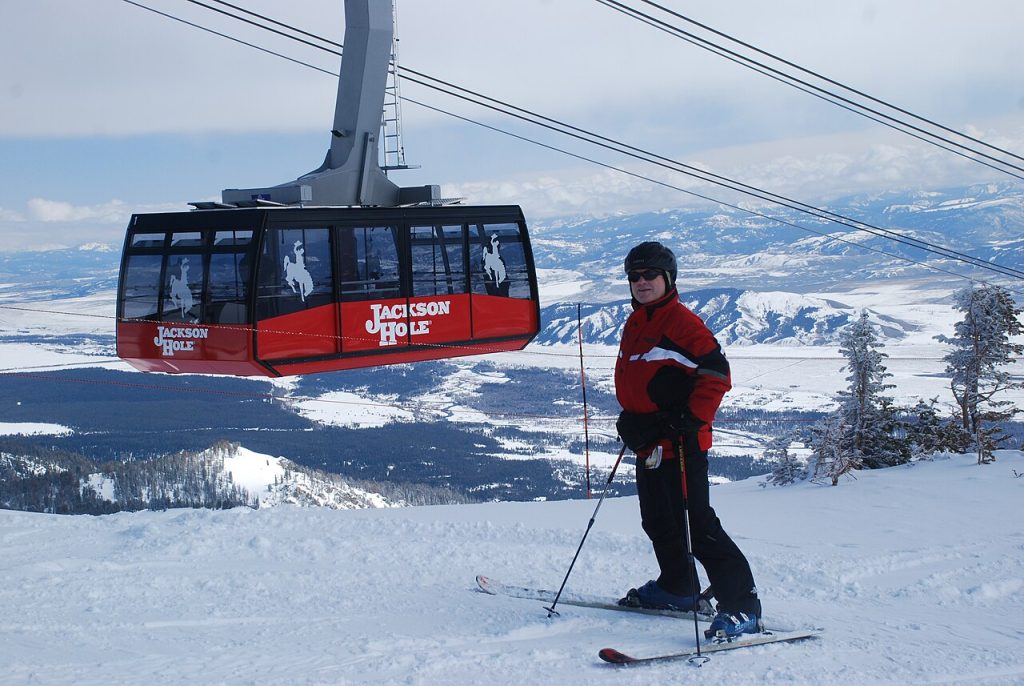
Jackson Hole’s steep lines feel like a handshake with the Tetons, close and uncompromising.
On Dec. 27, 2008, an in-bounds avalanche off Tower 3 took the life of 31-year-old David Nodine during a snowy holiday stretch. Patrollers reached him within minutes, according to reports, yet the outcome still cut deep. A second avalanche released in the same zone on Dec. 30, reinforcing that the underlying setup had not reset.
Afterward, locals talked less about hero turns and more about wind loading and where traverses sit under start zones. When storms stack here, waiting becomes part of the skill. The mountain rewards restraint.
Palisades Tahoe, California
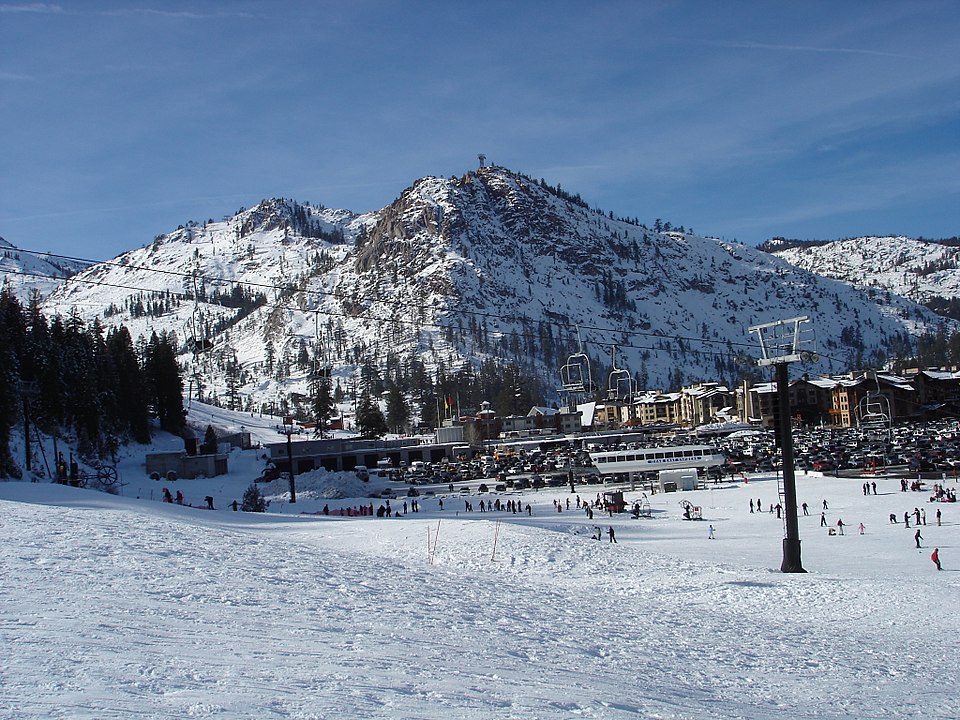
Palisades Tahoe pairs iconic lift-served steeps with Sierra storms that can arrive heavy and fast.
On Jan. 10, 2024, an in-bounds avalanche on steep slopes under the KT-22 lift caught four people; two were buried, and 66-year-old Kenneth Kidd later lost his life. The slide hit shortly after the terrain opened for the season, during a day of strong wind and new snow, and the resort closed while crews searched.
The aftermath tightened the local vocabulary around timing. Sierra snow often bonds quickly, but wind-built slabs can hide in plain sight. When patrol work meets a rapidly changing storm, even famous terrain can turn quiet in an instant.
Taos Ski Valley, New Mexico
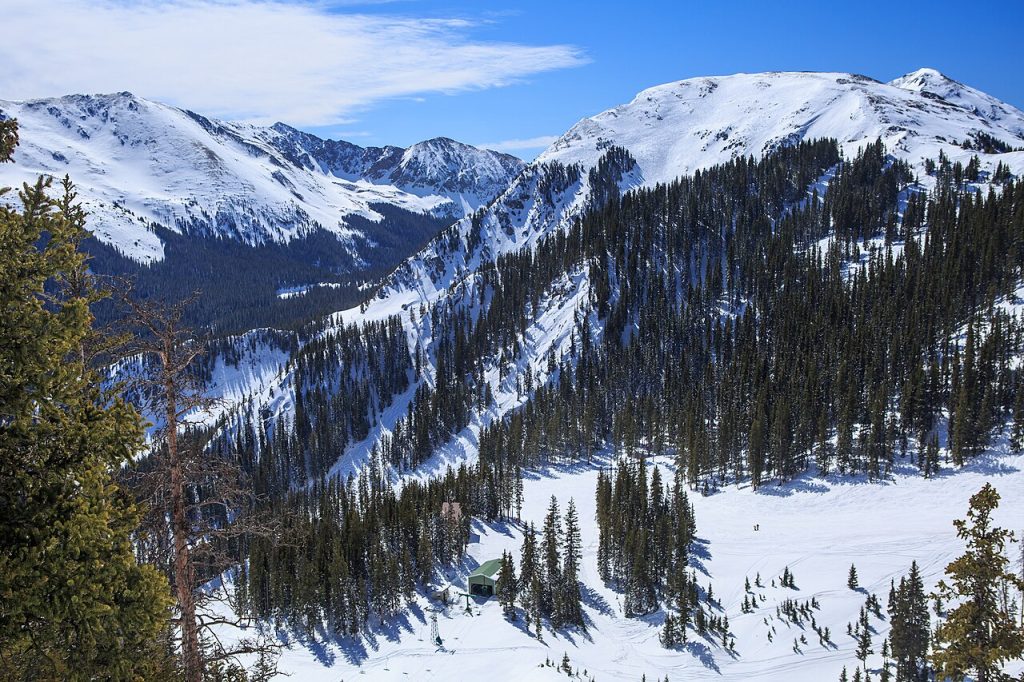
Taos Ski Valley looks modest from the road, but Kachina Peak holds true alpine angles once it opens.
On Jan. 17, 2019, an in-bounds avalanche on the K3 chute buried two skiers. One, 26-year-old Matthew Zonghetti, did not survive; the other, 22-year-old Corey Borg-Massanari, later died after being airlifted to Albuquerque. The timing stung because the peak had opened earlier that week.
The incident pushed Taos into national conversation about wind loading and thin early-season snow that can stay weak under later storms. In a small mountain town, the lessons traveled quickly, and closures started feeling less negotiable for seasons.
Vail Mountain, Colorado
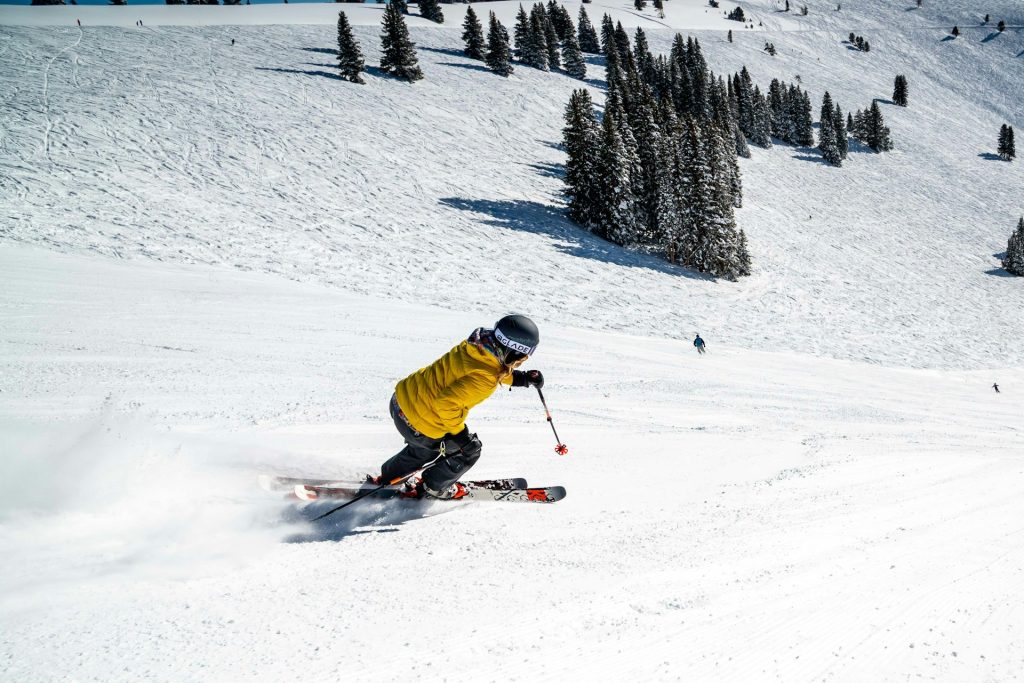
Vail’s scale can feel reassuring yet its bowls and gates still sit in real slide terrain when storms and wind align.
On Jan. 22, 2012, 13-year-old Taft Conlin lost his life in an in-bounds avalanche tied to the Prima Cornice area. Reporting on the later trial noted the upper run was closed, while a lower entry remained accessible, and Conlin moved upward toward the cornice before the slope released.
The case stayed public for years and left a lasting cultural mark in Colorado: boundaries reduce risk, they do not erase it. After snow, locals watch where wind has stacked drifts, and they treat gate lines and closure details as part of the terrain.
Arapahoe Basin, Colorado
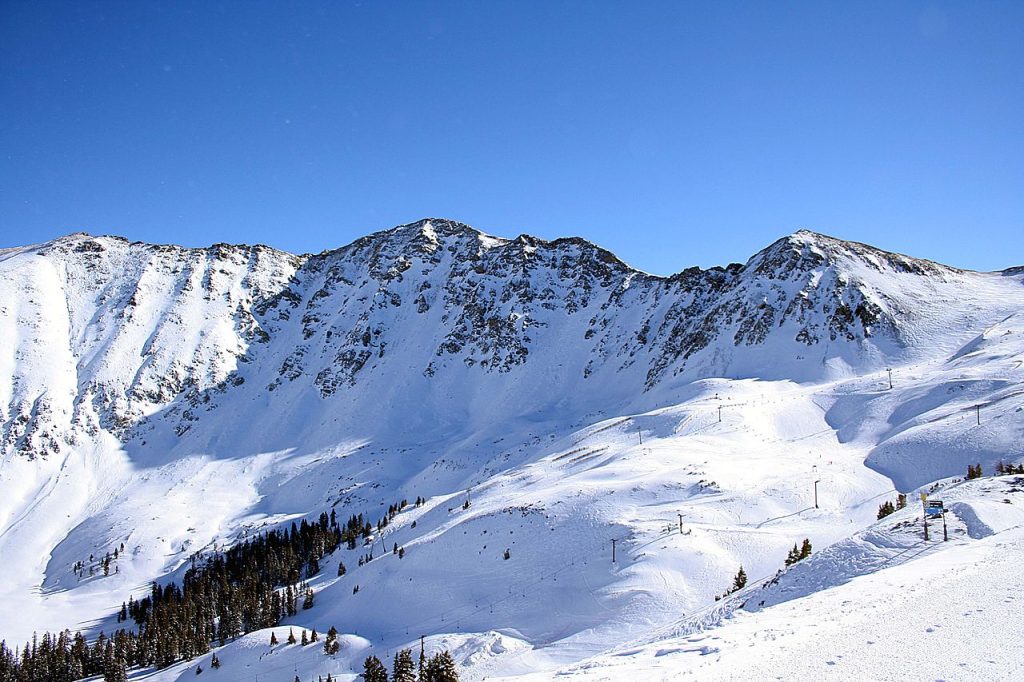
Arapahoe Basin runs high and exposed, and spring sun can turn firm snow into heavy, sliding weight in a short window.
On May 30, 2005, a wet slab avalanche occurred in-bounds and a skier lost his life, a rare late-season loss that echoed far beyond the basin. The event became a reference point for how water moving through a warming snowpack can loosen an entire slab, even without fresh snowfall.
It also changed how locals talk about timing. A run that feels supportive at 9 a.m. can feel saturated by noon, and steep gullies offer little room to escape once the snow starts to move. At A-Basin, the safest choice is often simply earlier.
Steamboat Resort, Colorado
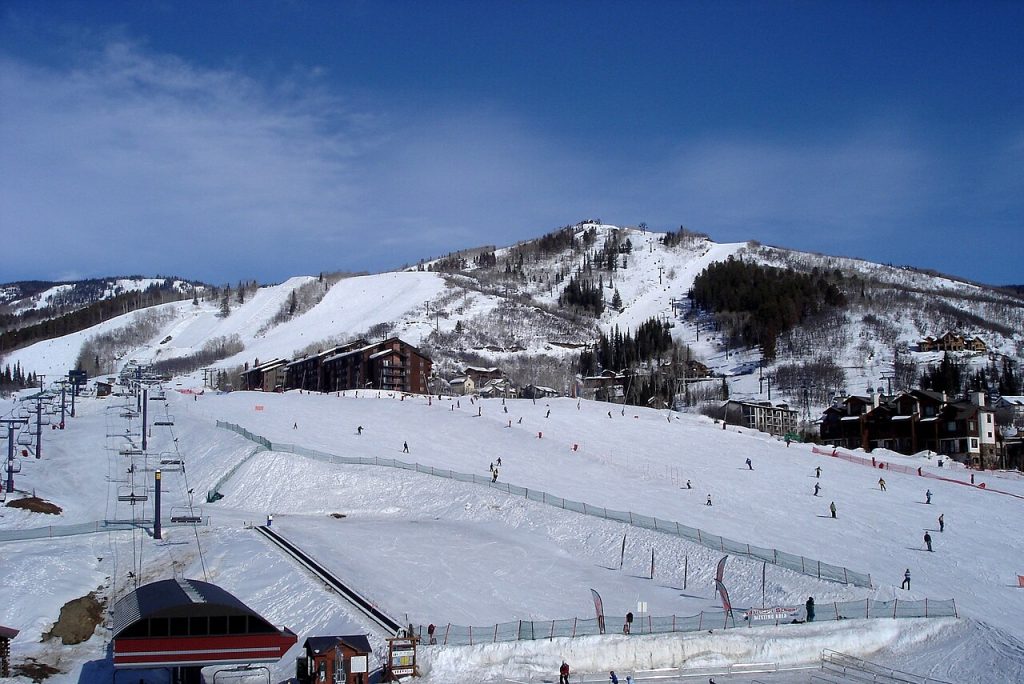
Steamboat is known for soft trees and an easy rhythm, which makes its in-bounds avalanche history feel sobering.
On Dec. 15, 2019, a persistent slab released in closed in-bounds terrain near Chutes 1 and 2, fully burying a 21-year-old snowboarder before a rapid patrol rescue. On Nov. 27, 2024, patrol later shared drone footage of what it called the resort’s largest slab in almost two decades, sweeping several closed runs near the summit.
The message is consistent: early weak layers can linger, and closures are not decoration. A calm base area does not guarantee a calm upper mountain when wind and new snow keep stacking stress.
Mammoth Mountain, California
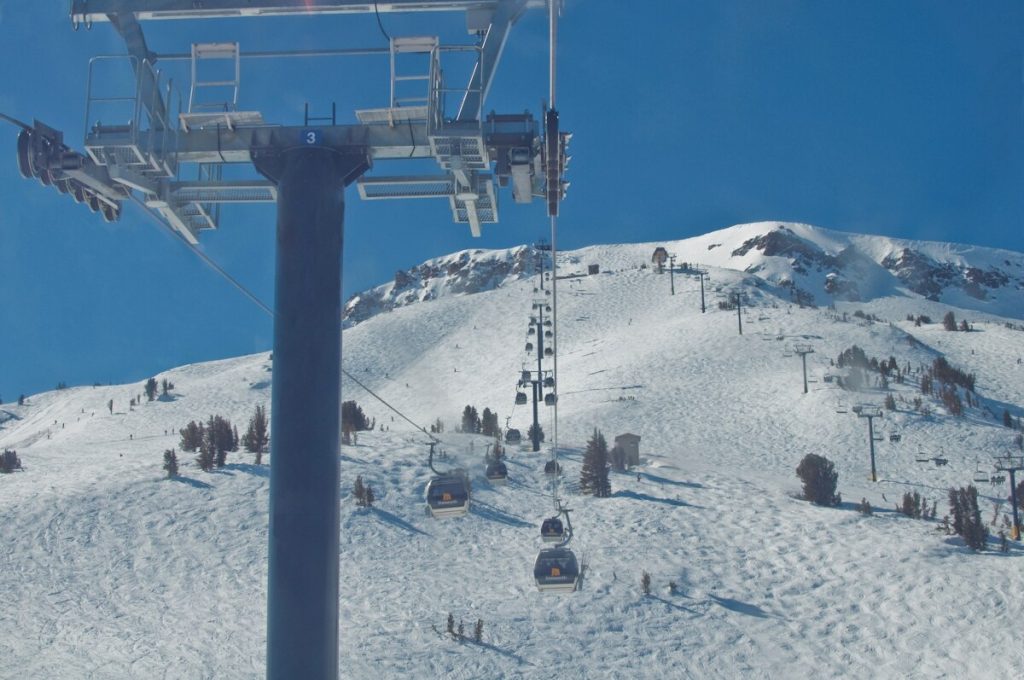
Mammoth Mountain’s storms can build fast, and wind can reshape ridgelines overnight.
On Feb. 14, 2025, an avalanche during mitigation work led to the death of 25-year-old ski patroller Claire Murphy. On Dec. 26, 2025, another avalanche during early control work on Lincoln Mountain caught two patrollers; 30-year-old Cole Murphy later died from injuries. Both incidents happened during intense snowfall periods.
The reminder is clear: the highest exposure often belongs to the people making terrain safer. When loading is rapid, a route can feel ordinary until the snowpack decides otherwise, and the town absorbs the silence that follows.
The Canyons, Utah
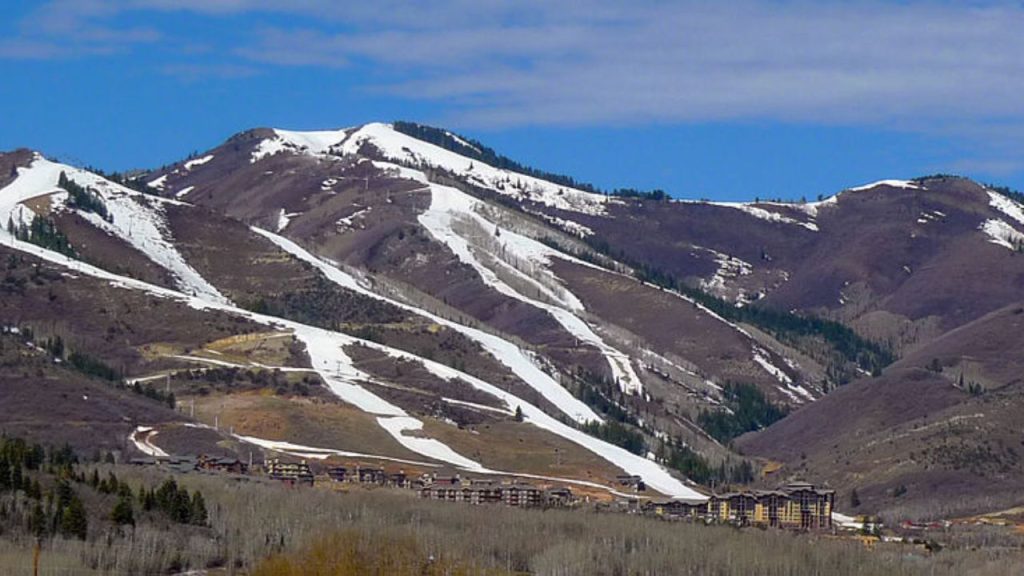
The Canyons in Park City mixes groomers with chutes that sit in classic start zones along the Wasatch crest.
On Dec. 23, 2007, an in-bounds avalanche in the Red Pine Chute caught four people, and skier Jesse Williams died at the scene; an 11-year-old was critically injured, according to reports and an accident write-up. The incident later became central to a negligence trial, keeping the details public.
Locals remember it as an early-season lesson in Utah’s layered snow. A slope can look tracked until a slab finds the right weak layer and fractures wide. After storms, rope lines and gate choices carry a seriousness that is hard-earned.
Snowmass, Colorado
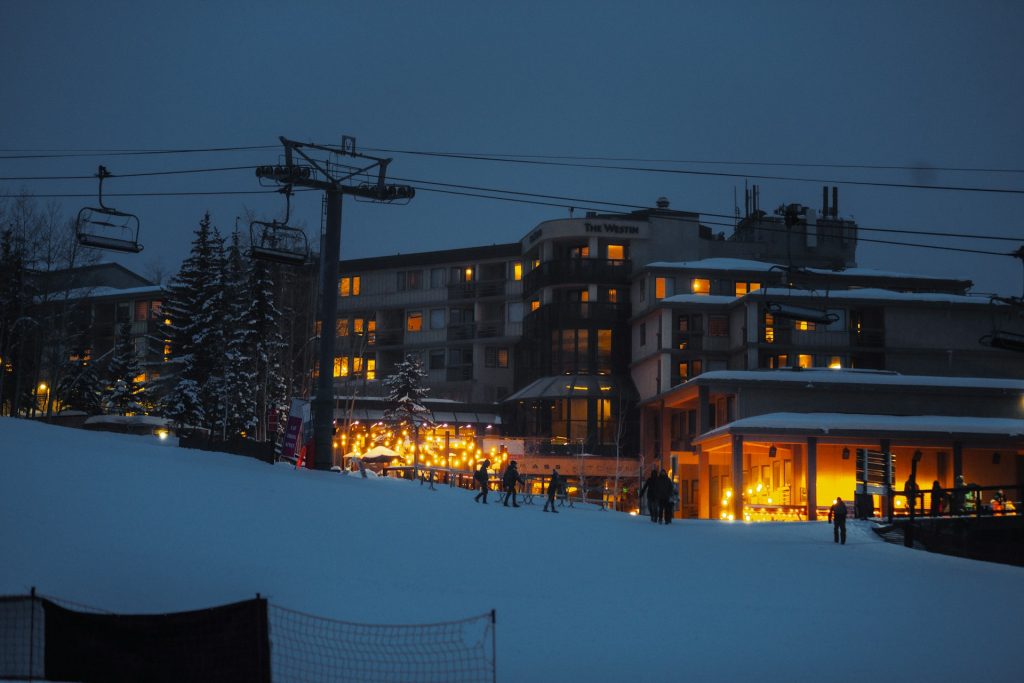
Snowmass can feel mellow on the map, but Hanging Valley Wall has steep pockets that behave like true big-mountain terrain.
On Dec. 21, 2006, an avalanche ran on a closed expert run in the Lower Ladder area, and 25-year-old Nicholas Blake Davidson died after being buried. Reports placed him near cliff bands when the slope released, and rescuers located him about 30 minutes later.
The story endures because it centers on boundaries. Closed signs usually mean instability has been spotted, and steep terrain does not soften its consequences just because it is inside a resort. In the Roaring Fork Valley, that lesson still lands hard.