The 10 World’s Most Instagrammable Spots Hating Influencers
Social media has fundamentally altered how people travel, transforming quiet hamlets and hidden vistas into viral sensations overnight. While tourism boards once clamored for this digital attention, a growing number of destinations are now actively fighting back against the “Instagram effect.” Preservationists and urban planners argue that the sheer volume of content creators seeking the perfect shot has led to overcrowding, environmental degradation, and a complete erosion of local quality of life.
In response, local officials and heritage experts have begun implementing drastic measures ranging from physical barriers to hefty fines. According to destination management professionals, this shift marks a new era in global travel where “demarketing”—the strategic discouragement of visitors—is becoming a necessary survival tool. From fencing off mountain views to erasing bus routes from digital maps, these ten locations have taken a firm stand against the influencer economy to protect their communities.
Fujikawaguchiko, Japan
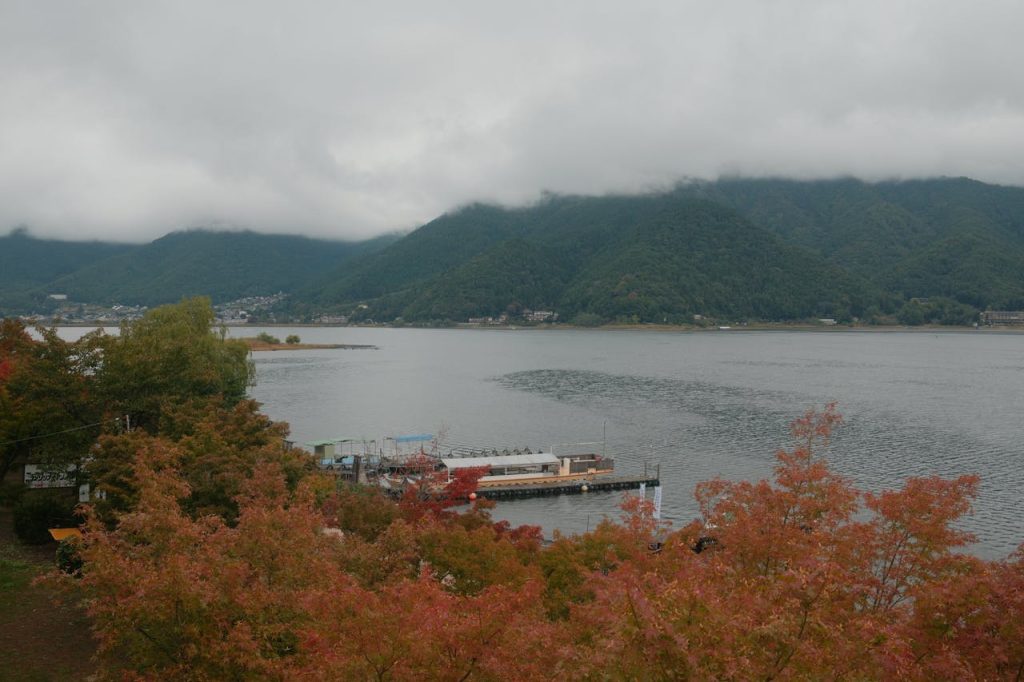
For years, a specific Lawson convenience store in this quiet town drew thousands of visitors daily, not for its products, but for the surreal framing of Mount Fuji rising directly behind its blue-and-white sign. The spot became so chaotic that town officials reported dangerous jaywalking, littering, and tourists climbing on private roofs to get the shot. In a decisive move to deter the crowds, local authorities constructed a massive black mesh screen—measuring roughly 20 meters long and 2.5 meters high—directly across the street to physically block the view.
The barrier was a last resort after security guards and multilingual signs failed to control the behavior of photographers. While some desperate visitors initially poked holes in the screen, officials have maintained strict oversight, proving their commitment to prioritizing resident safety over viral fame. Urban planners in Japan have cited this as a landmark case of “hard” infrastructure being used specifically to break a location’s photogenic appeal.
Gion District, Kyoto, Japan
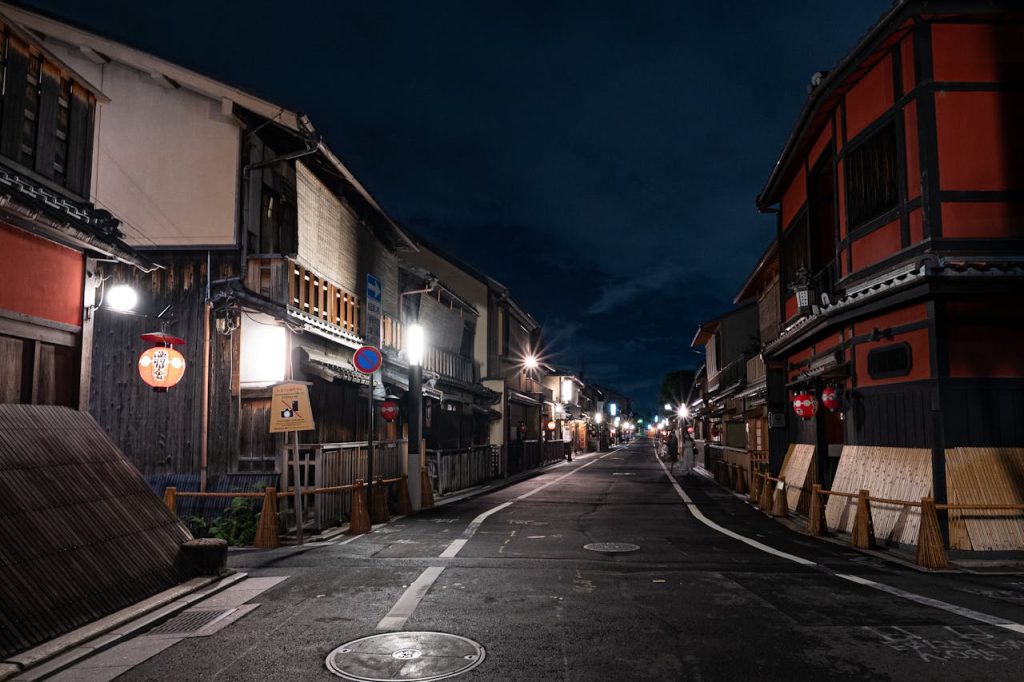
Kyoto’s historic Gion district, famous for its preserved wooden machiya houses and elusive geisha and maiko professionals, has long struggled with what locals call “tourism pollution.” The situation reached a breaking point when reports surfaced of tourists chasing geisha down the street, pulling at their kimonos, and treating the working neighborhood like a theme park. In response, the local council of Gion effectively banned tourists from entering private side alleys entirely.
Signs have been erected warning that photography in these private streets can incur a fine of ¥10,000. While the main thoroughfare of Hanamikoji remains open, the ban on the atmospheric narrow lanes is strictly enforced to protect the privacy of residents and entertainers. Cultural heritage experts emphasize that this restriction is crucial to preserving the dignity of the geisha profession, which was being commodified and disrespected by aggressive content creators.
Hallstatt, Austria
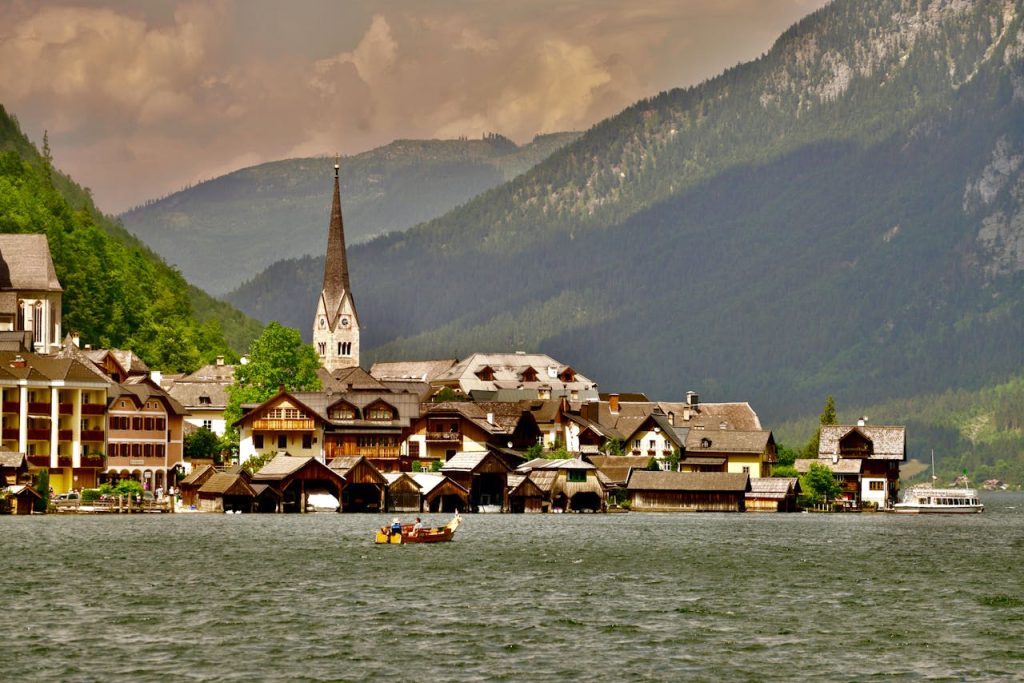
This UNESCO World Heritage village, often rumored to be the inspiration for the kingdom in Frozen, faces an influx of up to 10,000 visitors a day despite having a population of fewer than 800. The noise and congestion became so unbearable that Mayor Alexander Scheutz authorized the erection of temporary wooden fences at the town’s most famous “selfie point” to obstruct the view. The goal was to stop the busloads of tourists from clogging the entrance to the village for a single photo.
Although the fences were later removed and replaced with different crowd-control measures, the message was clear: Hallstatt is a living community, not a backdrop. Residents have since staged protests blocking the main access tunnel, demanding caps on daily visitor numbers. Tourism analysts note that Hallstatt has become the European poster child for overtourism, prompting discussions about ticketed entry systems to curb the daily deluge of influencers.
Portofino, Italy
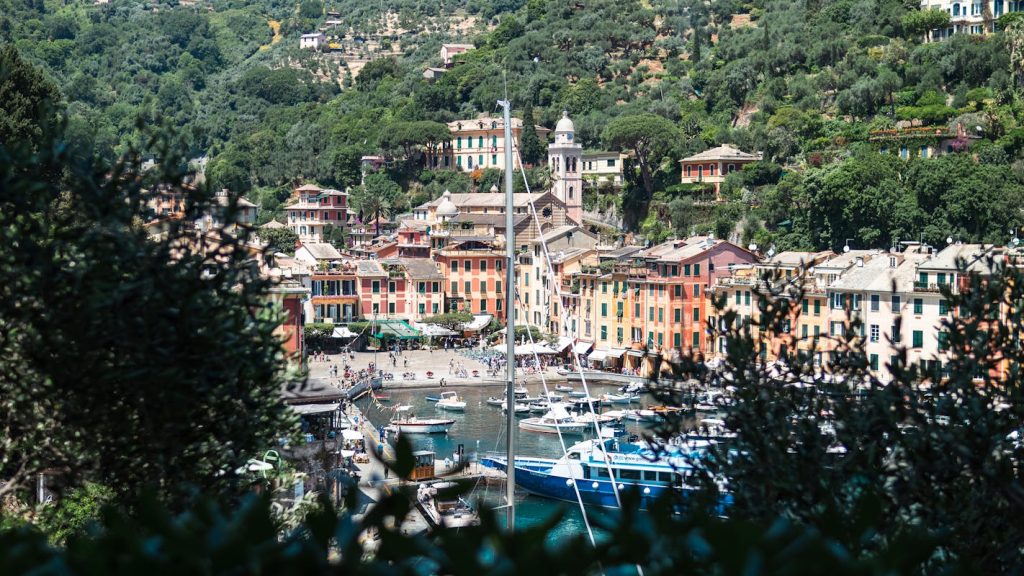
The pastel-colored harbor of Portofino is one of the most recognizable images of the Italian Riviera, but its tiny size means it is easily overwhelmed by foot traffic. To combat the “anarchic chaos” caused by tourists stopping to pose for pictures, Mayor Matteo Viacava introduced specific “no-waiting zones” in the busiest areas of the piazzetta and waterfront. Anyone caught loitering or gathering in groups for extended photo sessions in these red zones faces a fine of up to €275.
Local police enforce these rules during the peak summer season to ensure pedestrian flow remains moving. The regulation specifically targets the behavior of “stopping and blocking,” which is characteristic of influencer photoshoots. City officials argue that the fines are necessary to prevent the village from becoming a stagnant gridlock of tripods and selfie sticks, ensuring that emergency services and residents can actually move through their own town.
Hanoi Train Street, Vietnam
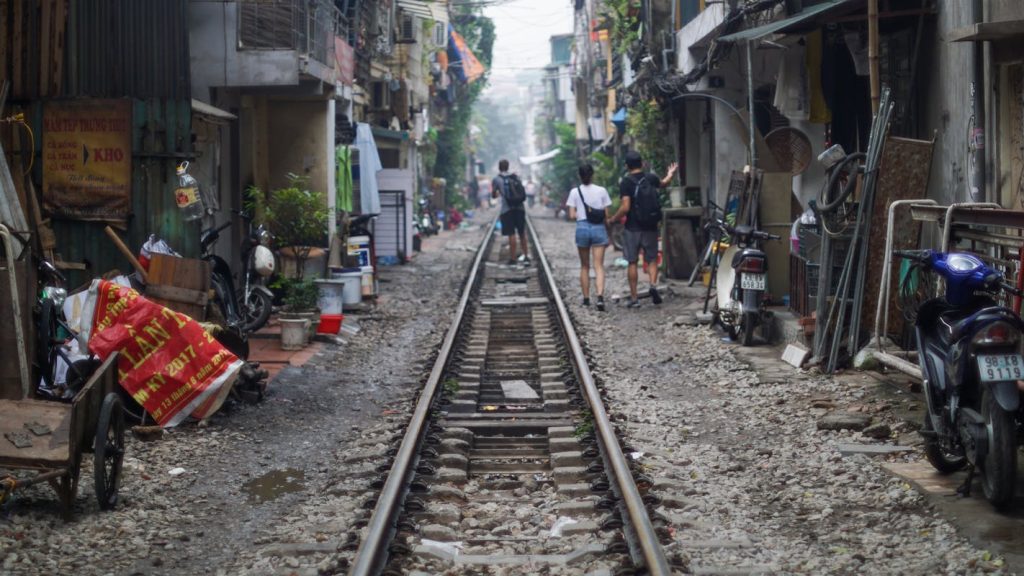
The iconic image of a train brushing past cafes tucked inches away from the tracks made Hanoi’s “Train Street” a global phenomenon. However, railway safety authorities eventually deemed the situation a ticking time bomb. Citing the erratic behavior of tourists who would jump onto the tracks for photos as trains approached, the local government ordered the closure of the cafes lining the railway and erected barriers at the main entrances.
Police officers are now stationed at the checkpoints to turn away tourists who try to walk down the tracks independently. While some visitors still attempt to access the area through “escorted” backdoors provided by cafe owners, the official stance remains hostile to the free-roaming photography that made the street famous. Transport officials stress that a working railway cannot safely coexist with thousands of distracted content creators.
Bukchon Hanok Village, Seoul
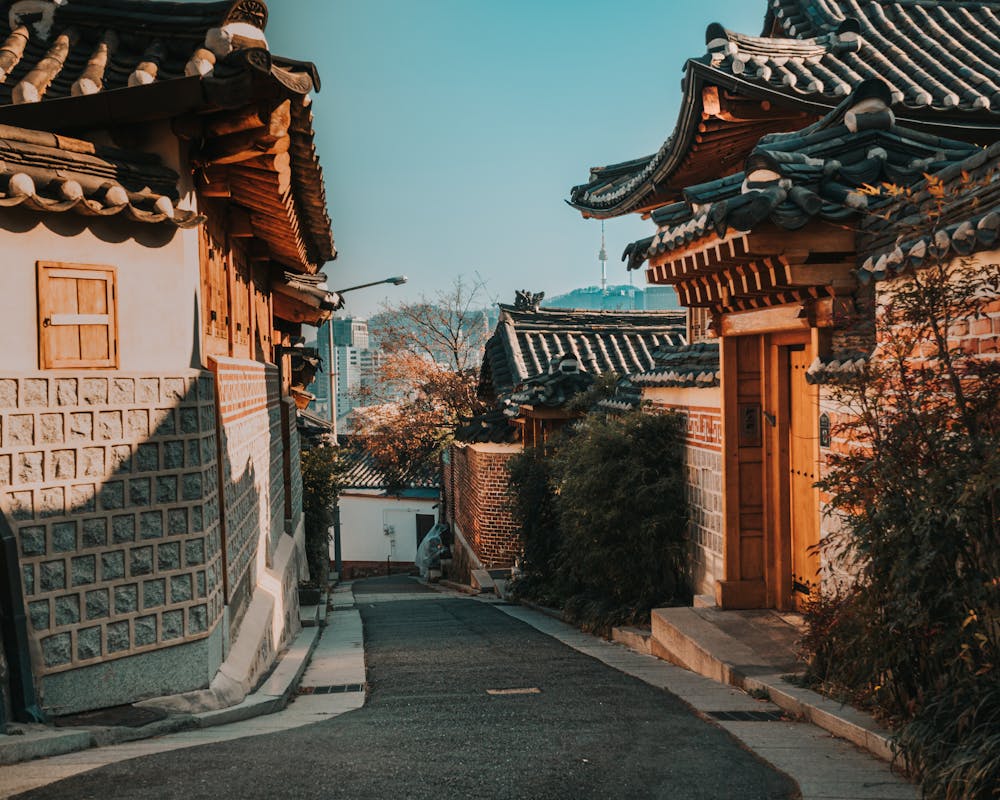
Seoul’s Bukchon Hanok Village is a residential neighborhood composed of traditional Korean homes, many of which are still occupied by families. The influx of tourists speaking loudly, dragging suitcases, and peering over walls drove residents to demand action. In a pioneering move, district officials established a “tourist curfew,” effectively banning non-residents from the area between 5 p.m. and 10 a.m. to allow locals to rest.
In addition to the curfew, “Green Zone” marshals in brightly colored vests patrol the streets, holding signs that demand silence and shushing noisy groups. Local government representatives have stated that if these “soft” measures fail to reduce the disturbance, they are prepared to implement mandatory entry fees or quotas. The strict enforcement highlights a growing trend where residential rights are being legally prioritized over tourist access.
Lake Elsinore, California
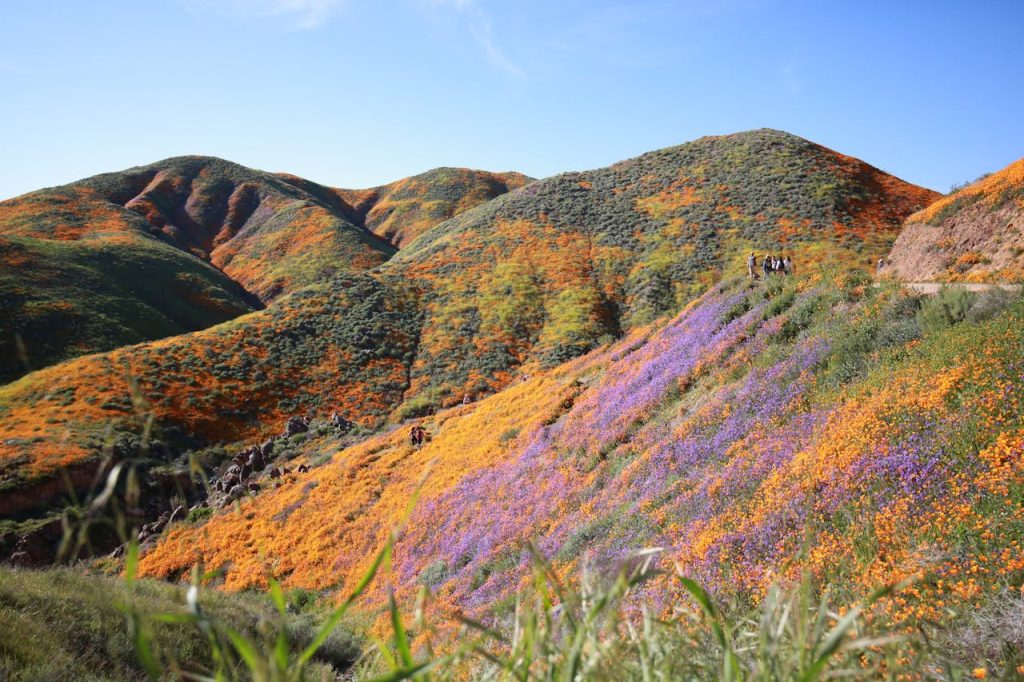
The “superbloom” of poppies in Walker Canyon became a viral sensation that brought chaos to the small city of Lake Elsinore. During previous blooms, tens of thousands of influencers descended on the hillsides, trampling the delicate flowers they came to photograph, parking on freeways, and blocking emergency access. When the blooms returned, city officials decided they had had enough and completely closed the canyon to the public.
Mayor Steve Manos announced the closure with a “zero tolerance” policy, deploying law enforcement to guard the trailheads and threatening trespassers with arrest. The “stay away” messaging was broadcast across social media channels, explicitly telling influencers that the content was not worth the ecological damage. Conservation biologists applauded the move, noting that the trampling during previous years had caused long-term harm to the native habitat.
Venice, Italy
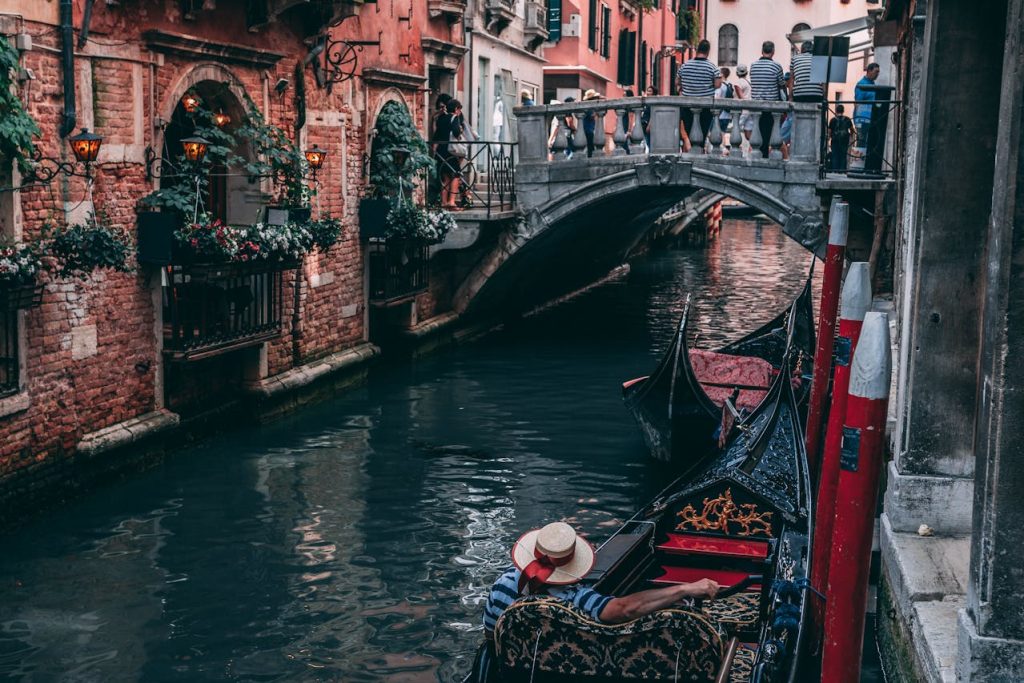
Venice has long been the epicenter of the battle against mass tourism, but recent policies have specifically targeted the day-tripping crowds that flood the city for quick photos without contributing to the local economy. The city launched a pilot program charging a €5 access fee for day visitors on peak days, a system designed to discourage the “hit-and-run” tourism style favored by social media snappers. Officials have also banned the use of loudspeakers by tour guides and limited group sizes to 25 people.
Simone Venturini, the city’s councilor for tourism, has described these measures as essential for changing the “pace” of tourism in Venice. The aim is to make the city less attractive to those seeking a low-effort, high-impact photo opportunity and more welcoming to those interested in slow, cultural exploration. By putting a price tag on entry, Venice is effectively signaling that it is no longer an open-air studio for free content creation.
Rue Crémieux, Paris
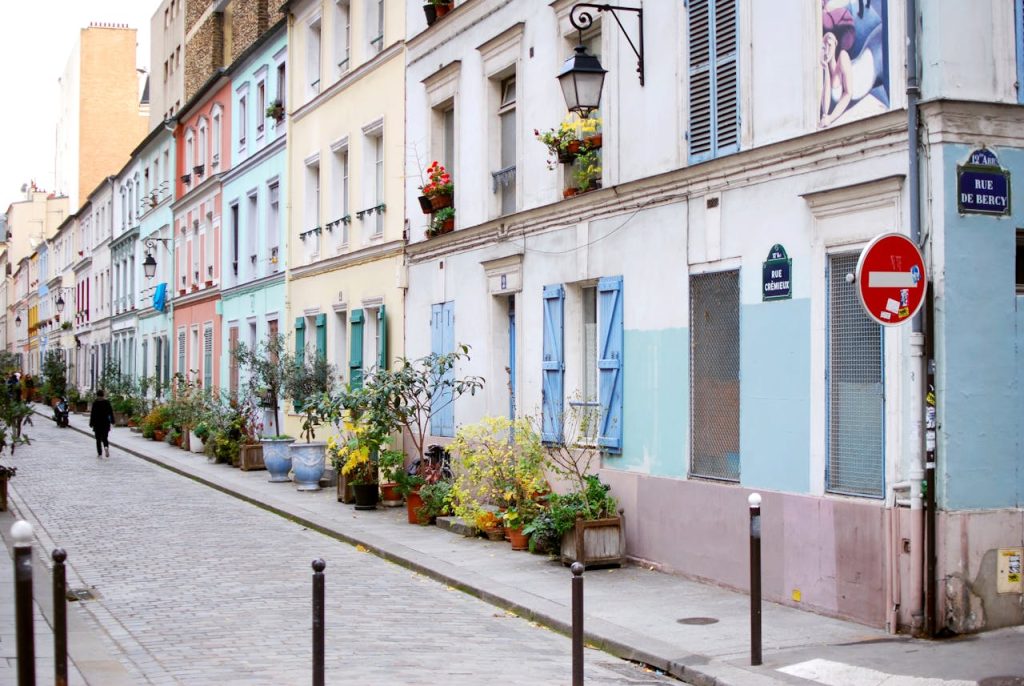
This small, cobblestoned pedestrian street in the 12th arrondissement features pastel-colored houses that look perfectly curated for Instagram grids. However, the residents of Rue Crémieux did not sign up to live in a studio set. After years of enduring yoga sessions on their doorsteps, music video shoots, and influencers bringing changing tents to cycle through outfits, the residents’ association formally petitioned the city of Paris to install gates that would close the street to non-residents on evenings and weekends.
While the city has not yet permanently gated the street, they have acknowledged the severity of the harassment residents face. “No photography” signs have appeared in windows, and locals have become increasingly vocal and confrontational with visitors who linger too long. Urban sociologists point to Rue Crémieux as a prime example of how digital fame can turn a quiet residential community into a battleground for privacy.
La Salut, Barcelona
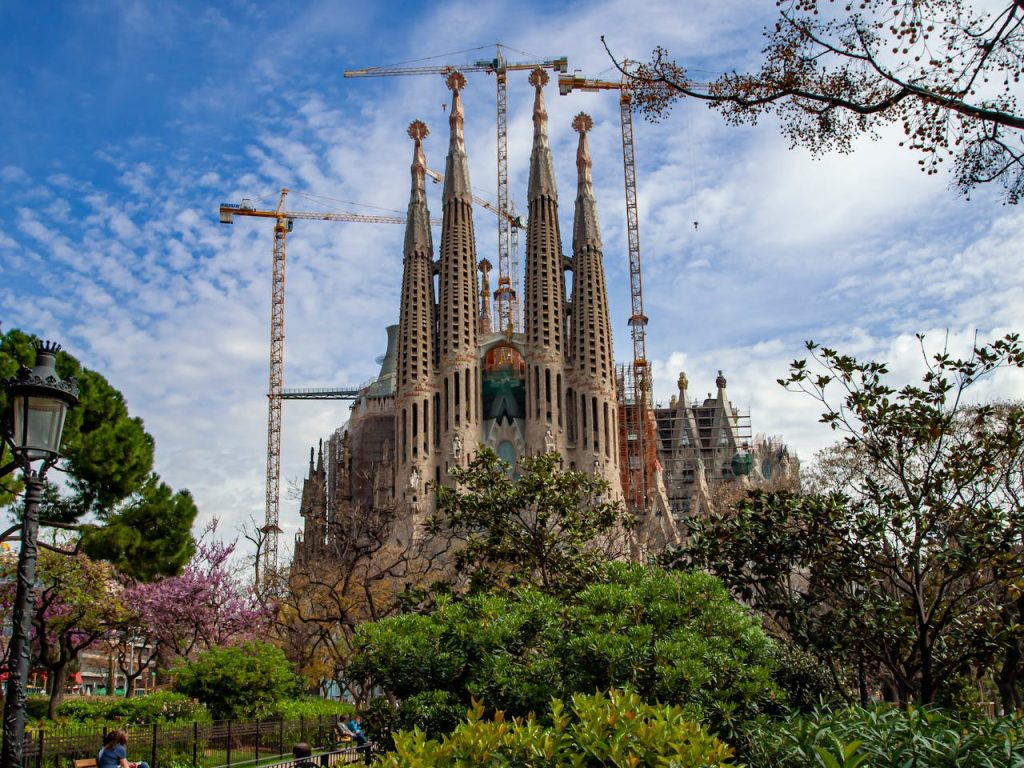
The Park Güell area in Barcelona is a major tourist draw, but the small neighborhood of La Salut found itself overrun for a different reason: a local bus route. The number 116 bus was a neighborhood service meant for elderly residents, but after it was featured on social media as a “hidden gem” way to get to the park, it became so packed with tourists that locals could no longer board. In a brilliant act of digital erasure, the city council arranged to have the bus route completely removed from Google Maps and Apple Maps.
The strategy worked almost immediately. Once the route disappeared from the apps used by tourists, the bus emptied out, returning the service to the residents who actually needed it. Transport officials in Barcelona celebrated the move as a successful reclamation of public infrastructure. It serves as a powerful reminder that sometimes the most effective way to stop the influencer crowd is to simply become invisible to their digital tools.