The 12 Russian Winter Festivals Frozen in Danger

Emergency medicine specialists and cold-weather survival instructors have long cautioned that the Russian embrace of extreme winter festivities often crosses the line between tradition and medical negligence. Trauma surgeons and hypothermia experts see a recurring pattern of preventable injuries during these events. The pursuit of adrenaline during the darkest months of the year frequently overwhelms local emergency services with cases of freezing, drowning, and impact trauma.
Officials from the Russian Ministry of Emergency Situations note that the combination of sub-zero temperatures and high-risk physical activity creates a zone of critical vulnerability for participants. Meteorologists warn that the unpredictable nature of winter storms in regions like Siberia and the Arctic Circle can turn a celebratory gathering into a survival situation in minutes. Safety inspectors emphasize that thousands of thrill-seekers continue to attend these twelve festivals where the risk of injury is an inherent part of the schedule.
Orthodox Epiphany Ice Bathing
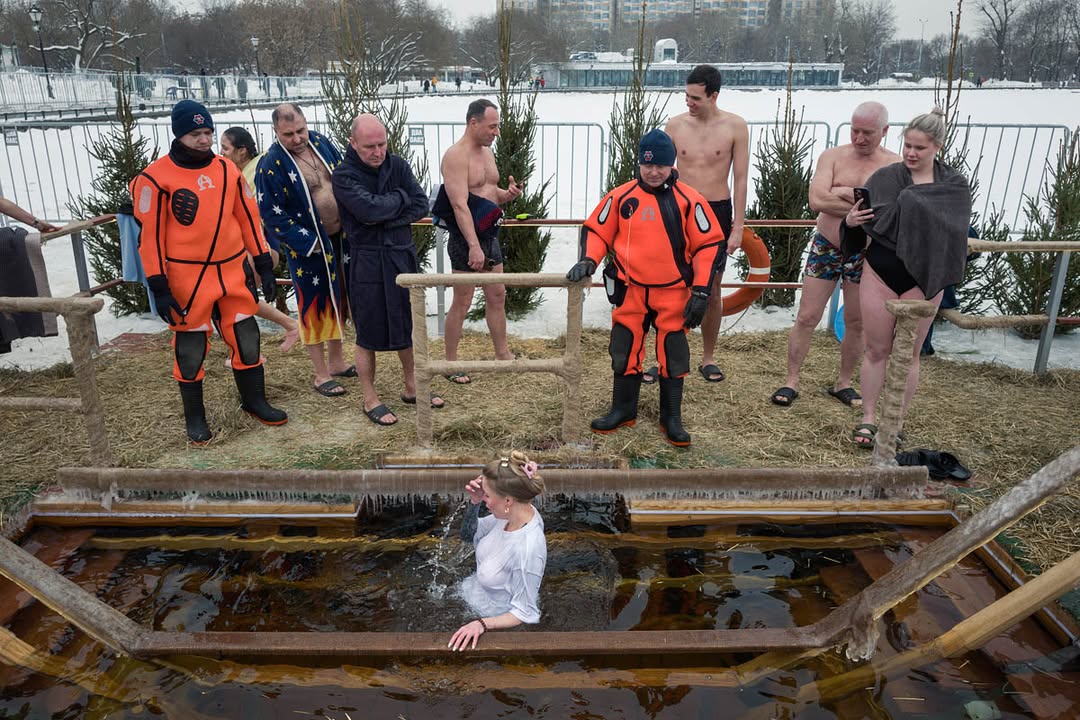
Cardiologists and emergency physicians across Russia brace themselves every January for the Epiphany celebrations. Tens of thousands of believers submerge themselves three times in cruciform holes cut into the ice of frozen rivers and lakes. Medical experts warn that the sudden immersion in near-freezing water triggers a cold shock response that can cause immediate cardiac arrest even in healthy individuals. The extreme temperature difference forces blood vessels to constrict rapidly and places immense strain on the heart.
Authorities from the Ministry of Health consistently advise those with cardiovascular conditions to avoid the ritual entirely. Fatalities and cases of severe hypothermia occur annually despite the presence of ambulances and warming tents at official sites. Rescuers emphasize that the danger increases significantly at unofficial bathing sites where currents can drag a person under the ice layer. The combination of religious fervor and extreme cold creates a perilous environment where the line between spiritual cleansing and medical emergency is dangerously thin.
Maslenitsa Fist Fighting
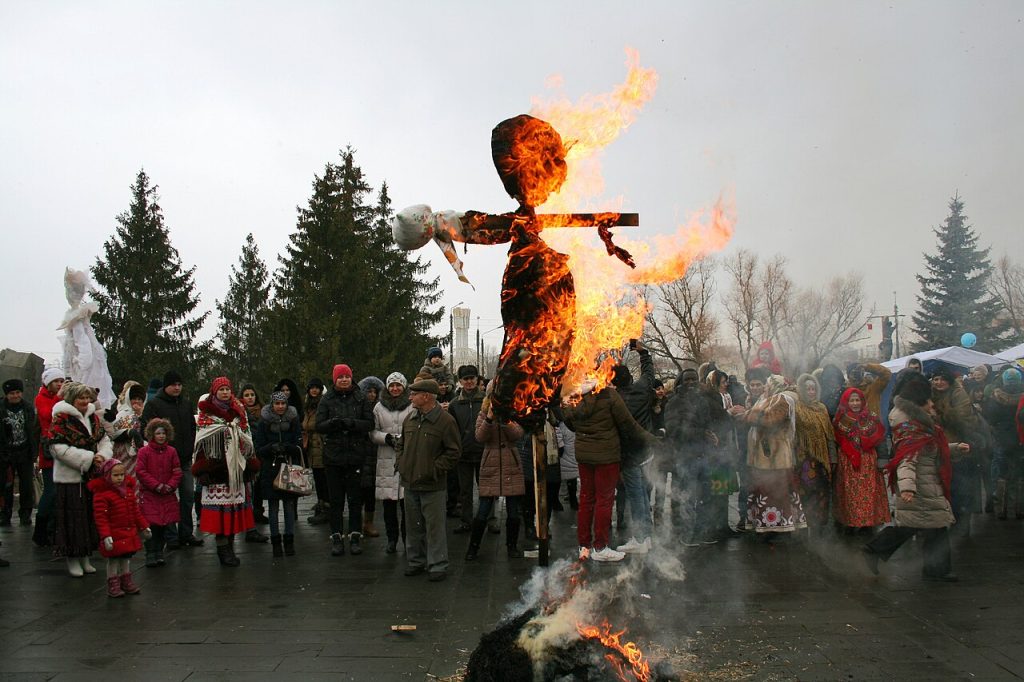
Trauma surgeons and law enforcement officials monitor the traditional Maslenitsa celebrations closely due to the revival of wall-to-wall fist fighting. This ancient Slavic tradition involves two lines of men engaging in a bare-knuckle brawl to celebrate the end of winter. Historical reenactment experts admit that the chaotic nature of the melee frequently results in broken bones, concussions, and dental injuries.
The violence is often fueled by the festive atmosphere and the consumption of alcohol which dulls pain perception and judgment. Police presence is mandatory at large public gatherings to prevent the skirmishes from escalating into uncontrollable riots. Medical personnel stationed at these events describe the injuries as comparable to those seen in street altercations rather than organized sports. The visceral nature of the combat serves as a release of winter tension but leaves a trail of physical trauma that local clinics must manage.
Baikal Ice Marathon
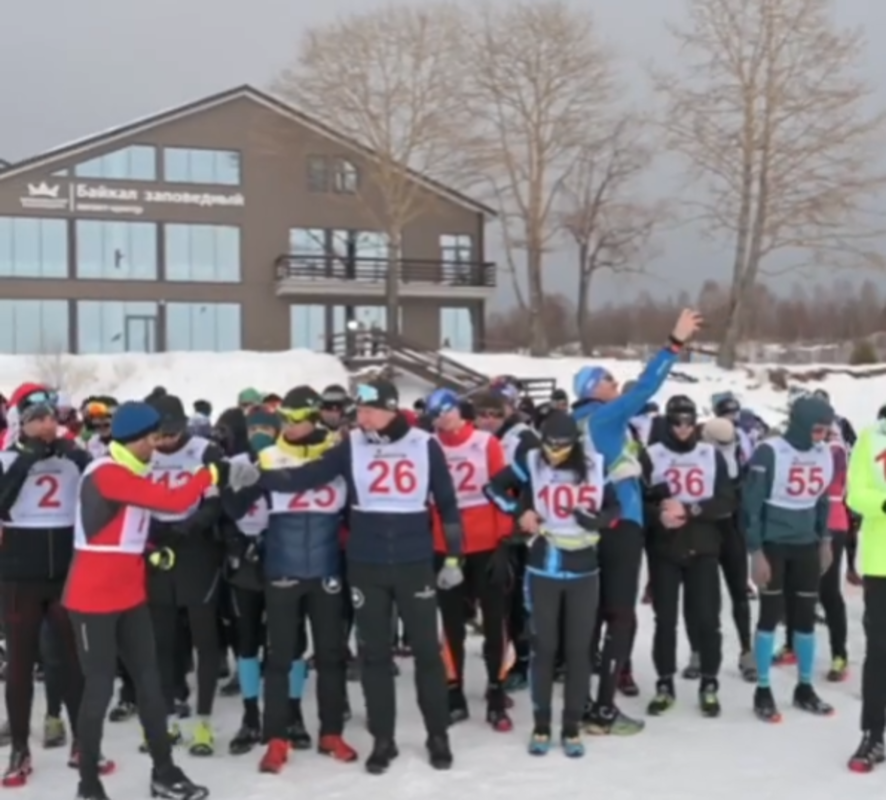
Glaciologists and safety teams patrolling Lake Baikal describe this marathon as a race against the unpredictable dynamics of the world’s deepest lake. Runners traverse twenty-six miles of frozen surface where the ice can shift and form pressure ridges without warning. Environmental monitors warn that strong winds known as the Sarma can strip the heat from a runner’s body in minutes leading to rapid onset hypothermia and disorientation in whiteout conditions.
The race organizers require medical clearances because the physical toll of running on uneven ice in freezing gales pushes athletes to their breaking point. Search and rescue hovercraft accompany the pack to retrieve runners who collapse or wander off course into areas of thin ice. Experts in sports medicine point out that the lack of friction on the hard ice surface causes unique orthopedic injuries as runners struggle to maintain stability while their core temperature plummets.
Kamchatka Beringia Sled Dog Race
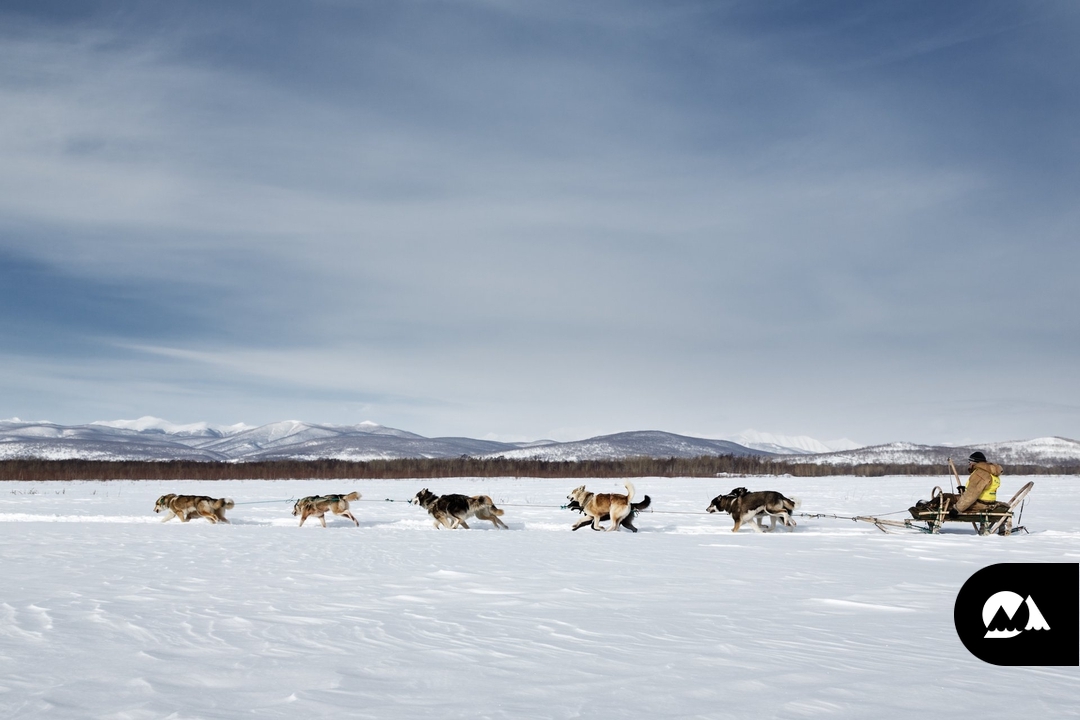
Wilderness survival experts consider the Beringia Sled Dog Race to be one of the most grueling endurance challenges in the Northern Hemisphere. The route stretches for hundreds of miles across the desolate tundra of the Kamchatka Peninsula where blizzards can bury teams in snowdrifts overnight. Meteorological data shows that wind speeds in the open corridors can reach hurricane force which creates zero visibility conditions that separate mushers from their support crews.
Veterinarians and race officials constantly monitor the health of both the dogs and the humans. The isolation of the track means rescue is often impossible during storms. Past races have seen competitors trapped for days in makeshift shelters while waiting for weather windows to clear. The physical exhaustion combined with the constant threat of brown bears waking from hibernation adds a layer of biological danger to the atmospheric risks.
Siberian Ice Half Marathon
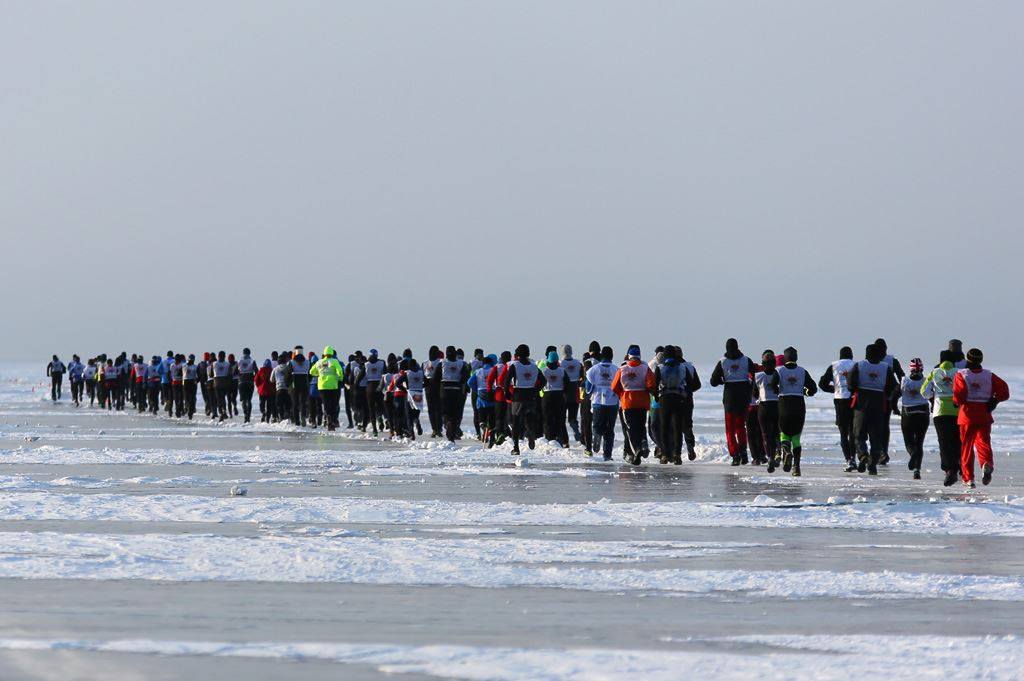
Pulmonologists in Omsk express concern every year regarding the Christmas Half Marathon which takes place regardless of the ambient temperature. Runners have competed in conditions approaching minus forty degrees Celsius which poses a severe threat to the respiratory system. Sports physiologists explain that inhaling large volumes of supercooled air at a high rate dries out the mucous membranes and can induce exercise-induced asthma or cold injury to the airway.
Emergency staff at the finish line frequently treat participants for frostnip on the nose, ears, and cheeks. The mental fortitude required to run in such conditions often masks the early warning signs of hypothermia until the runner collapses. Public health officials have debated setting a temperature cutoff for the event but the tradition of extreme endurance remains a point of local pride despite the evident medical risks involved in pushing the human body to perform in deep freeze.
Reindeer Herder’s Day
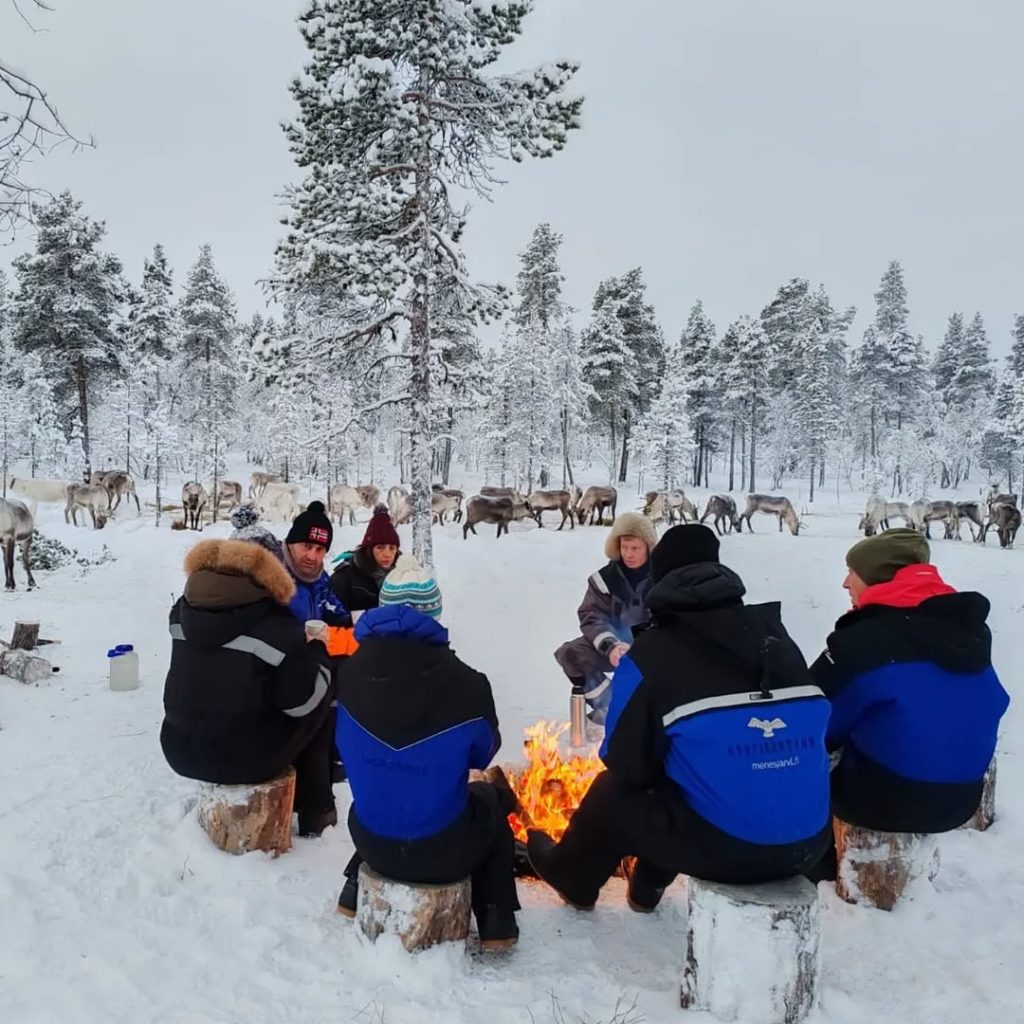
Ethnographers and safety officers in the Yamal-Nenets Autonomous District acknowledge the dangers inherent in the Reindeer Herder’s Day competitions. The centerpiece of the festival involves reindeer sled racing where teams reach high speeds over tightly packed snow. Accidents are common as the lightweight sleds often capsize or collide during the chaotic mass starts throwing the drivers onto the hard ice or into the path of other hooves.
The remoteness of the festival sites on the Arctic tundra complicates medical evacuation for those injured in crashes or suffering from exposure. Local nomadic experts emphasize that the reindeer are semi-wild animals and can be unpredictable when agitated by the crowds and noise. The combination of animal behavior, high speeds, and unforgiving terrain makes this cultural celebration a high-stakes event where traditional skills are tested against the possibility of severe physical trauma.
Ice Speedway Gladiators
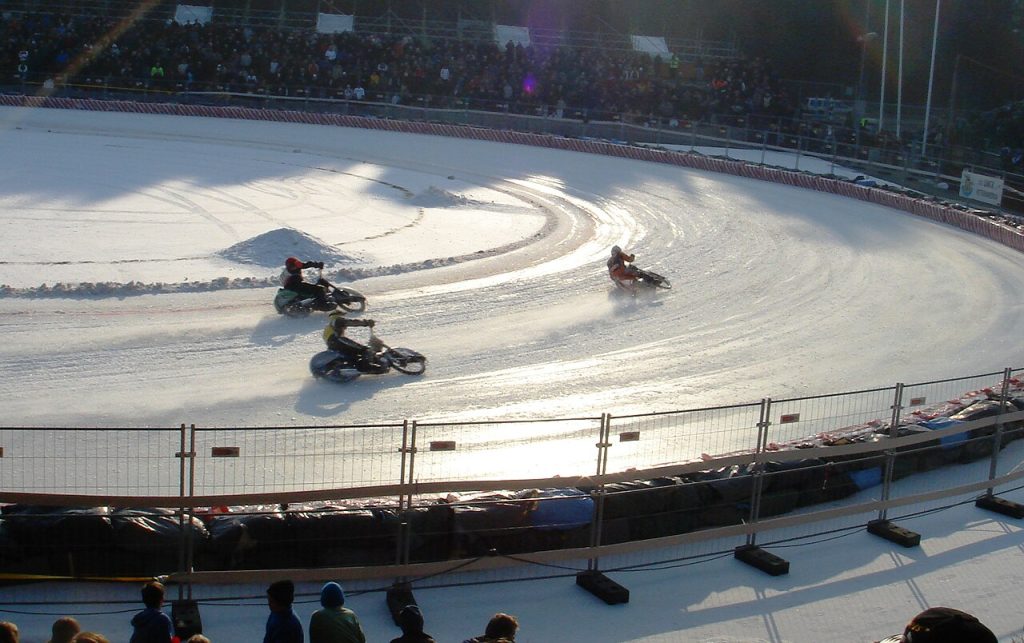
Motorsport safety analysts classify the Ice Speedway races held in cities like Tolyatti as some of the most dangerous racing events in the world. Riders pilot motorcycles equipped with massive metal spikes on the tires around an oval ice track at breakneck speeds. Crash investigators note that when a rider falls the bike becomes a lethal projectile with the spinning spikes capable of shredding protective gear and flesh instantly.
The sport requires a unique lean angle that puts the rider merely inches from the tearing surface of the ice. Trauma teams are stationed at every corner of the track to respond immediately to collisions. The razor-sharp studs provide traction but also ensure that any contact between competitors results in significant injury. Despite the heavy body armor worn by the riders the potential for lacerations and fractures makes this festival a spectacle of extreme mechanical violence.
Festival of the North
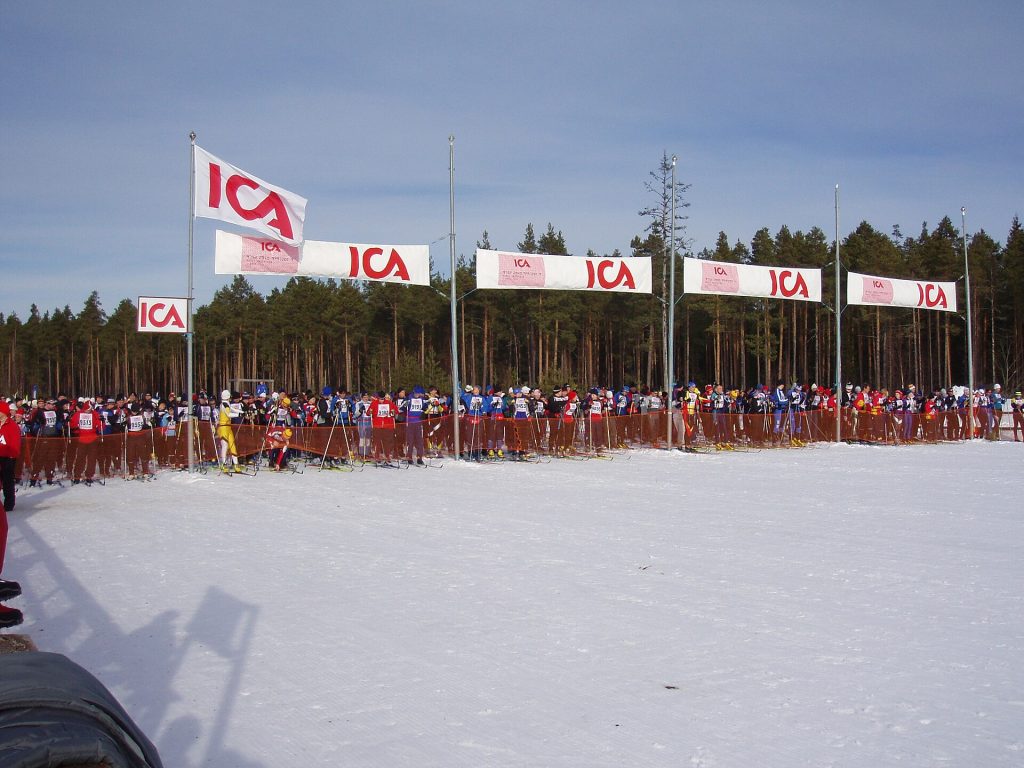
Meteorologists in Murmansk warn that the Festival of the North takes place in a region where the weather can kill the unprepared in under an hour. The event includes ski marathons across the open tundra where wind chill factors are lethal. Search and rescue coordinators plan extensively for the possibility of sudden polar cyclones that can scatter competitors and hide trail markers.
The event draws thousands of amateur skiers who may lack the experience to handle Arctic survival situations. Hypothermia cases are the most common medical emergency treated during the festival weeks. Safety marshals patrol the course on snowmobiles to intercept stragglers but the vastness of the terrain means gaps in surveillance are inevitable. The celebration of polar life is constantly shadowed by the reality that the environment is fundamentally hostile to human physiology.
Battle on the Ice Reenactment
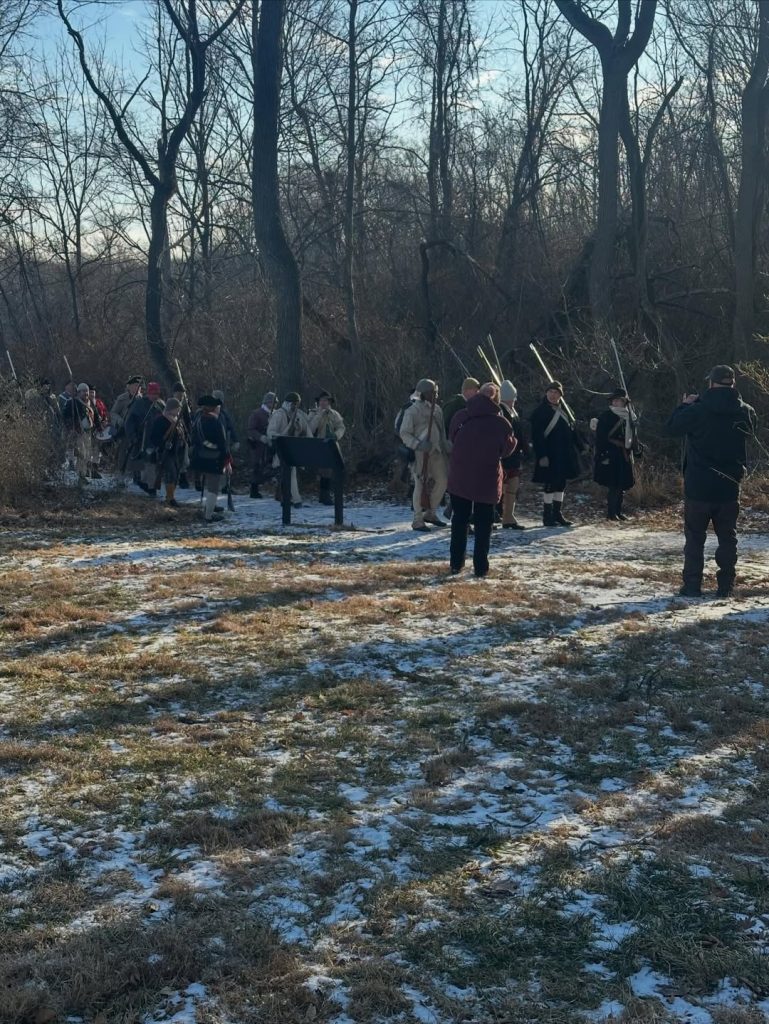
Hydrologists and safety inspectors in the Pskov region worry annually about the historical reenactment of the Battle on the Ice on Lake Peipus. Hundreds of participants don heavy medieval armor and engage in mock combat on the frozen lake surface. Structural engineers warn that the concentrated weight of horses, armored men, and spectators can exceed the load-bearing capacity of the spring ice leading to catastrophic breakthroughs.
The historical irony that the original Teutonic knights drowned due to breaking ice is not lost on emergency planners who mandate strict ice thickness checks before the event. Unseasonably warm springs have forced cancellations or relocations to the shore in recent years. The risk of drowning while weighed down by chainmail remains a terrifying possibility that keeps divers and rescue boats on high alert throughout the festival.
Snow Village Festival
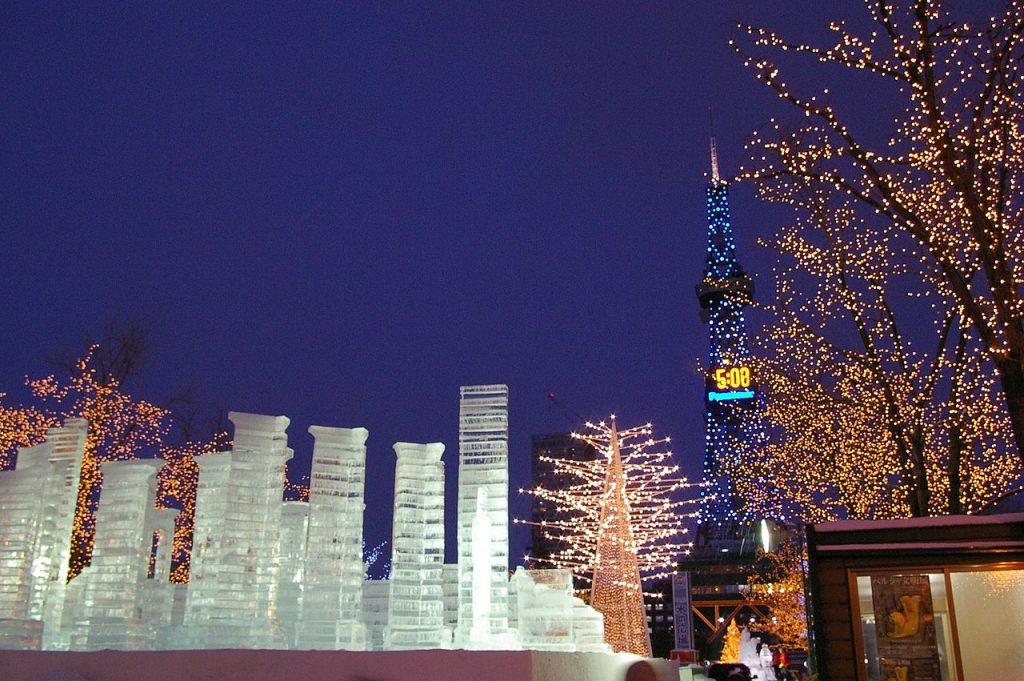
Avalanche forecasters in the Khibiny Mountains maintain a high state of vigilance during the Snow Village Festival near Kirovsk. The region is prone to massive snow slides that can be triggered by the noise and vibrations of large crowds and snowmobiles. Mountain safety experts map the red zones where the risk of slope failure is highest and attempt to keep tourists within safe boundaries.
The festival features elaborate snow sculptures and structures built at the base of the mountains which attracts thousands of visitors. Geologists warn that severe weather changes can destabilize the snowpack on the peaks above the festival grounds. Past tragedies in the region serve as a grim reminder that the picturesque snowy slopes are dynamic hazards. Evacuation plans are a critical component of the festival organization to move crowds away from potential runout zones.
Sakhalin Ice Fishing Gatherings

Emergency workers in the Russian Far East view the mass gatherings of ice fishermen on Sakhalin Island as a logistical nightmare. The seasonal People’s Fishing draws thousands of enthusiasts onto the sea ice of the Sea of Okhotsk. Oceanographers warn that tidal currents and offshore winds can break massive floes loose from the coast in a matter of minutes stranding hundreds of fishermen on drifting rafts of ice.
Helicopters and hovercraft are deployed dozens of times each winter to rescue groups of fishermen who are drifting out to sea. Survivors often face hours of exposure to freezing sea spray and wind while waiting for extraction. The phenomenon is so regular that safety officials issue daily bulletins urging people to stay off the ice yet the cultural passion for smelting fishing drives crowds to ignore the mortal danger of the unstable ocean surface.