The 12 U.S. Lakeside Getaways Ruined by Toxic Algae Warnings
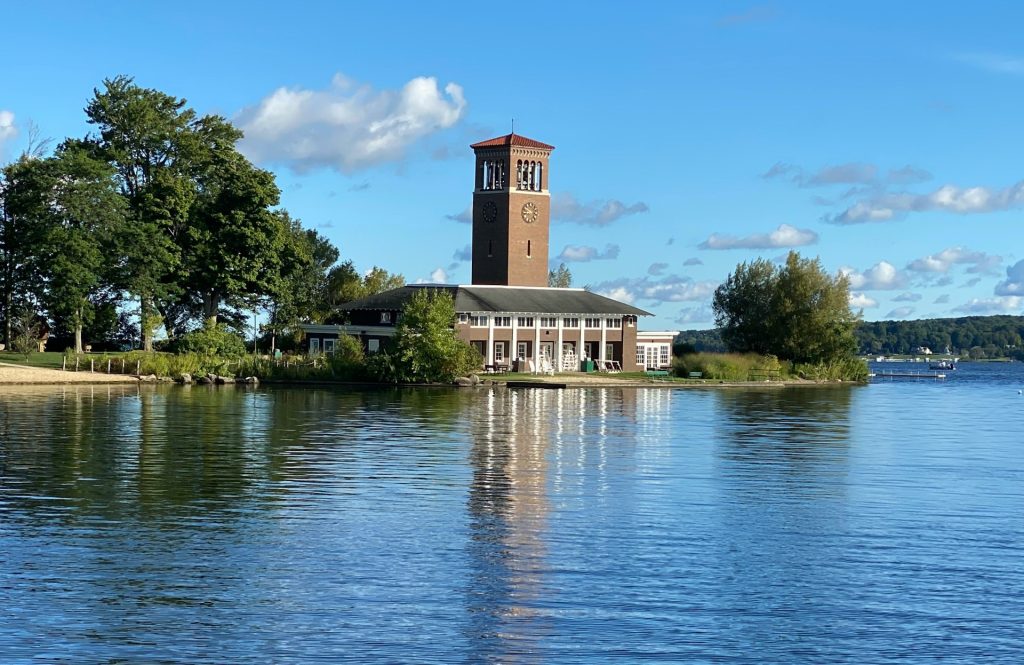
A lakeside weekend is supposed to be simple: cool water, dock mornings, and a town that runs on summer.
More often, that simplicity now comes with harmful algal bloom warnings tied to cyanobacteria. Blooms can look like spilled paint or thin green streaks, and some can produce toxins that make swimming and wading a bad idea. Advisories can be cove-by-cove, shifting with heat and wind. One beach posts a sign while the next still looks clear, and the getaway turns into careful choices and backup plans on shore.
The sting is local and immediate. When water access tightens, rentals, marinas, and camp routines feel it right away.
Lake Erie, Ohio and Michigan Shores
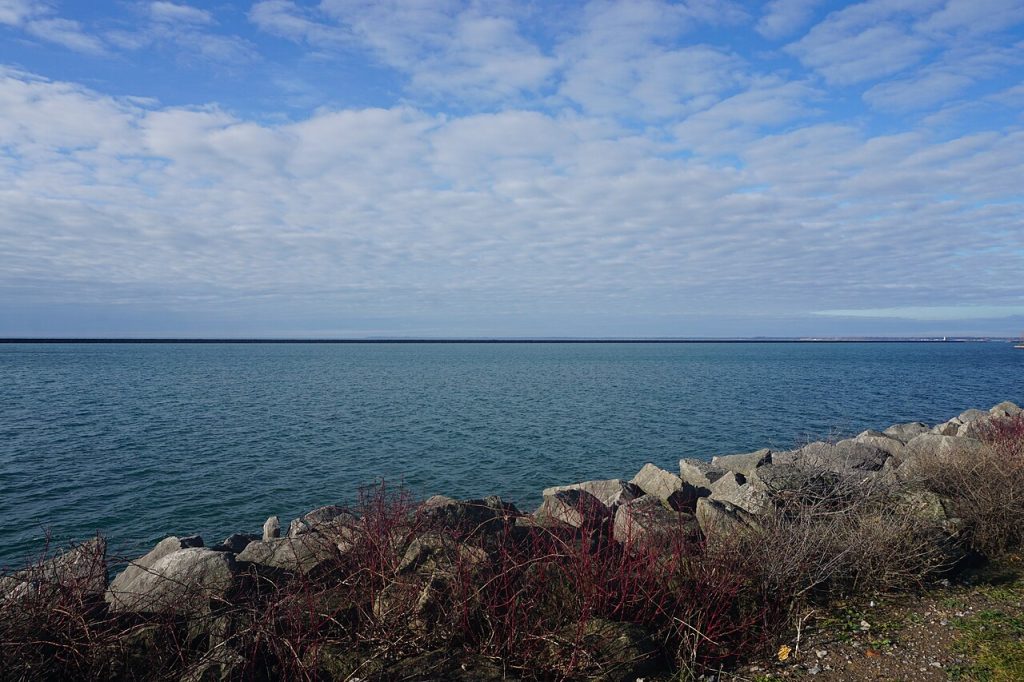
A Lake Erie getaway can turn on a wind shift. NOAA tracks the western basin because summer cyanobacteria blooms can expand quickly in warm conditions, and toxins like microcystin are a recurring concern.
On warning days, swim plans collapse into boardwalk lunches, lighthouse photos, and long looks over the waterline. Bloom patches drift, then stack into sheltered corners that felt fine the day before, so charters reroute and beaches post fresh guidance.
The lake still looks enormous, but the day feels smaller, built around what stays clear rather than what looked inviting at breakfast. Even the breeze gets studied closely.
Lake Okeechobee, Florida

Lake Okeechobee looks endless, but blue-green algae health alerts can make it feel narrow. Florida health departments issue location-based advisories and often urge avoiding contact where a visible bloom is present.
That caution lands where a getaway usually lives: marina ramps, shoreline fishing spots, and canal mouths. When mats collect along the edge, boat days get shorter and beach time turns into porch time, because scummy streaks can shift with wind.
The lake can still look calm under a wide sky, yet the question stays practical. Signs go up, routes change, and clear-looking water is not the same as cleared water today.
Clear Lake, California
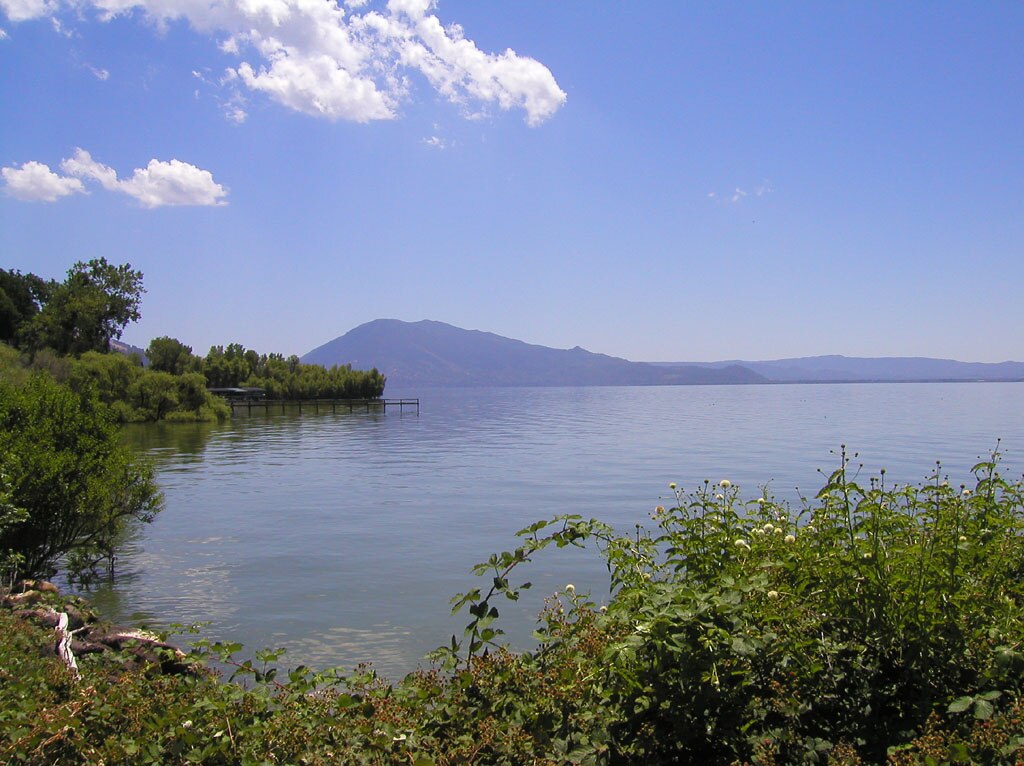
Clear Lake has old-cabin energy, but documented bloom seasons have trained locals to check advisories as often as the forecast. A CDC report on 2021 conditions noted persistent microcystins above California’s recreational danger level in parts of the lake.
When the surface turns slick near shore, swimming gets replaced by sunset drives and dock watching. Boaters avoid sheltered arms where scum gathers, and rentals pivot to vineyards, antique shops, and cooler hikes.
The hardest part is unevenness. One launch looks fine while a nearby cove turns streaky green, and the day becomes a series of cautious edits, even for regulars.
Utah Lake, Utah

Utah Lake sits close to Wasatch weekend routines, yet harmful algal bloom checks have become standard. Utah DEQ monitors the lake for HABs and posts updates because cyanobacteria can appear quickly when heat, nutrients, and still water line up.
That turns a simple beach day into a planned one. Launches may stay open, but families avoid suspect coves, and anglers move the shoreline hunting for clearer pockets. Wind can push surface scum into corners that looked fine earlier.
The scenery stays wide and bright, yet trust becomes conditional. When advisories appear, the lake stops being a default and becomes a place that needs steady reading.
Lake Champlain, Vermont and New York
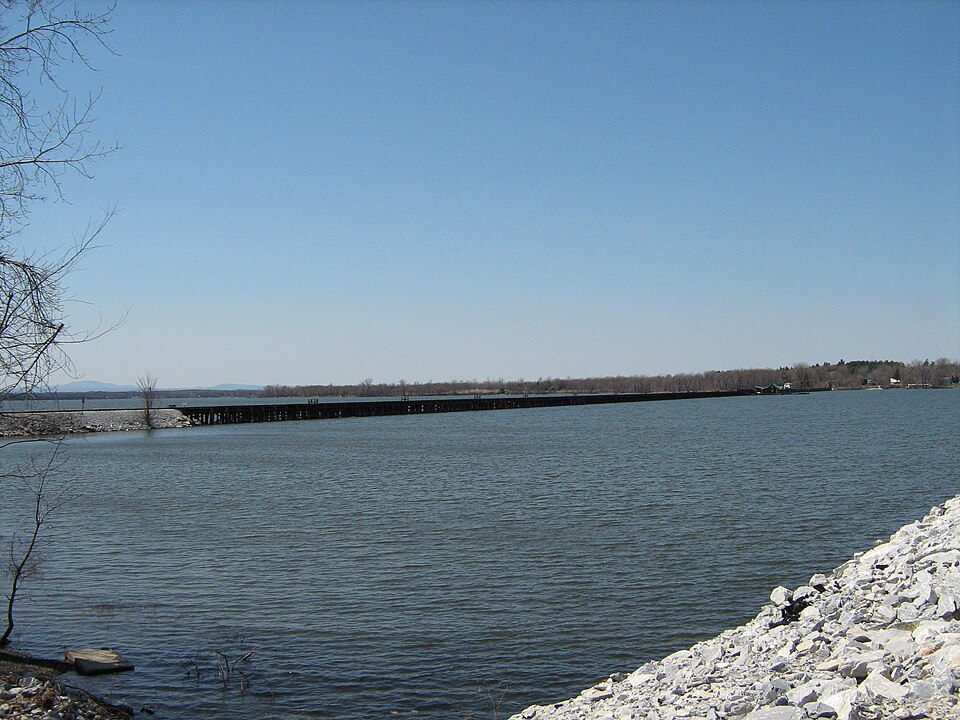
Lake Champlain sells a classic summer, yet cyanobacteria alerts can interrupt it, especially in sheltered bays. Vermont’s Cyanobacteria Tracker maps recent reports and results so beaches and towns can share a clearer picture of shifting conditions.
When a swim area posts an advisory, plans pivot fast. A paddle route shifts to breezier water, and a beach afternoon becomes a hike, a museum stop, or a long lunch in town. Patchy blooms can cling to quiet coves, then scatter when wind returns.
The lake can look calm from the road while the shoreline tells a different story up close. That gap between appearance and reality breaks the easy rhythm.
Lake Hopatcong, New Jersey
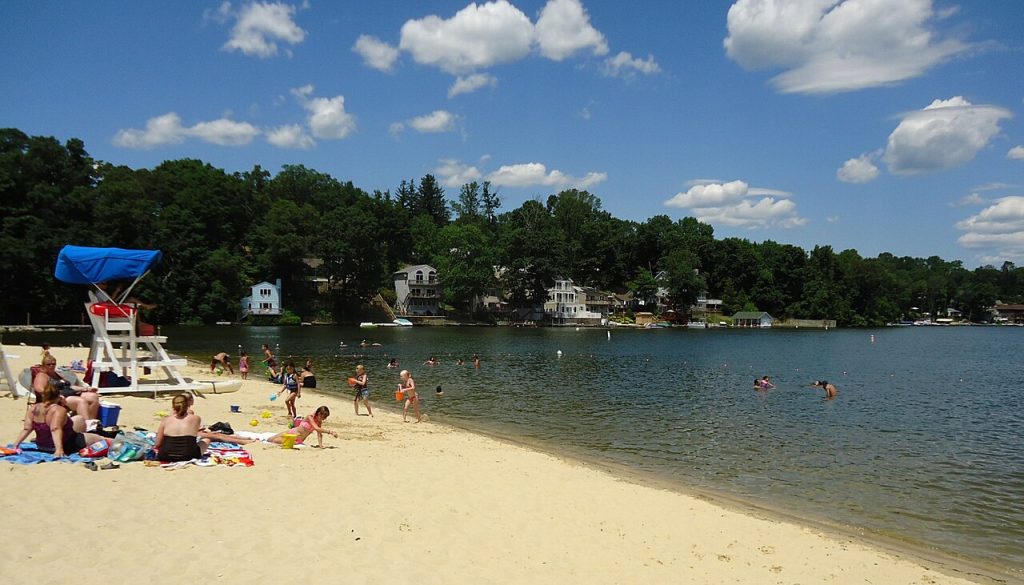
Lake Hopatcong is a traditional Northeast escape, but harmful algal bloom talk now rides alongside boating talk. The Lake Hopatcong Commission explains how warm, slow water plus nutrient runoff can feed cyanobacteria that sometimes produce toxins.
That science shows up as real limits. Calm swim coves can get posted, and boaters avoid slick corners where surface mats gather. Rentals keep backup plans for trail walks and small-town errands, and updates get checked like weather.
Some afternoons look perfect until green scum collects along the edge, and the mood tightens. The lake still sparkles in photos, but confidence does not.
Lake Norman, North Carolina
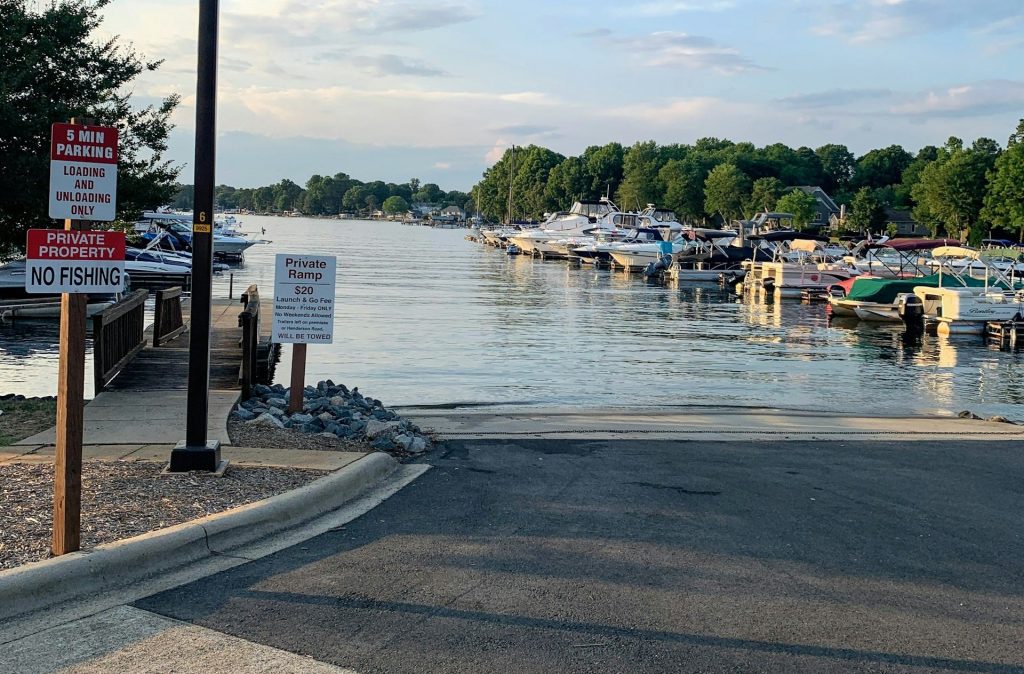
Lake Norman weekends can feel effortless until an algae advisory arrives. NCDEQ has issued public guidance urging people to avoid contact with green or blue water during lingering blooms, noting that wind and waves can move bloom material around the lake.
That movement makes planning tricky. One cove looks clear while another turns opaque, and swim time becomes the first thing to shrink. Boat days get shorter, and shoreline time expands into patios, trails, and quick drives to clearer launches.
The social vibe stays, but the water becomes something to evaluate, not assume. The trip turns watchful, and that steals the ease people came for.
Lake Travis, Texas

Lake Travis delivers limestone views and big-sky evenings, yet algae concerns have changed how locals read the shoreline. LCRA warns that algal material can begin producing toxins without a clear change in appearance, so visible mats and scum are treated as a reason to avoid contact.
In practice, that caution reshapes the day. Paddleboards stay dry, dogs stay away from the edge, and swimmers stick to clearer, windier stretches or skip it. Even a clean-looking cove can feel uncertain after hot, still weather.
The lake can still be beautiful from a deck, but a green patch turns the outing into a judgment call. The carefree tone disappears.
Grand Lake St. Marys, Ohio

Grand Lake St. Marys has become a symbol of how blooms can reshape a lake town’s summer. Research and state monitoring link the lake to persistent cyanobacteria issues and recurring microcystin concerns tied to nutrient loads.
When advisories go up, the water stops being the centerpiece. Families trade splash time for boardwalk strolls, and boaters plan routes to avoid posted zones. Even a light breeze can push scum into a corner and make a favorite spot feel off-limits.
The town can still feel lively, but the trip loses its anchor. When the lake is the reason for arriving, losing the water changes everything fast, sometimes overnight.
Lake Anna, Virginia
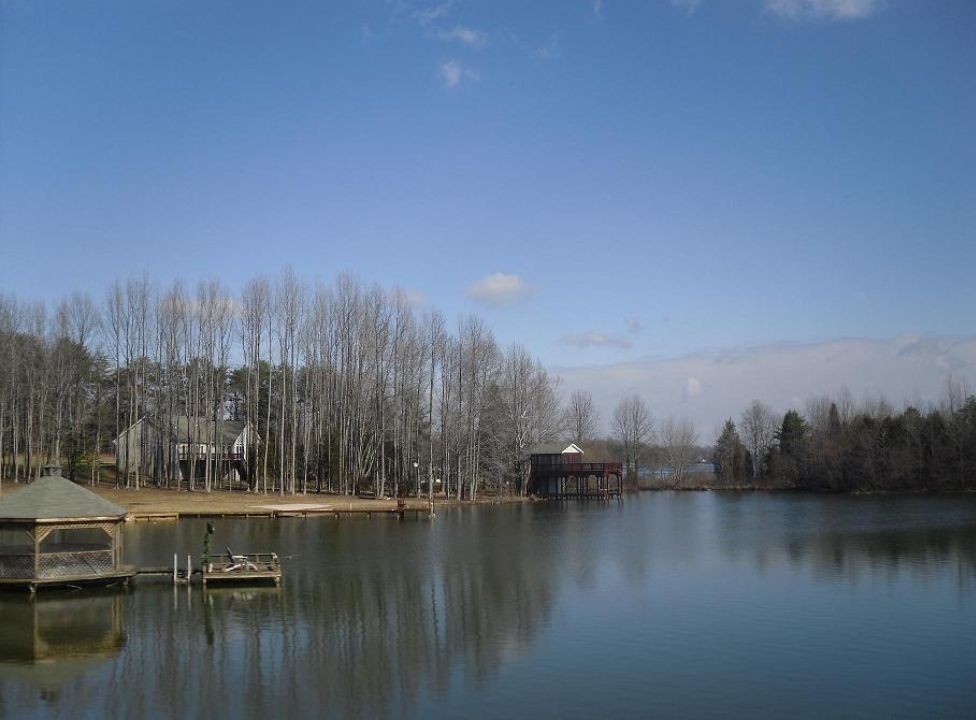
Lake Anna rentals are made for long weekends, yet harmful algae bloom advisories can fracture that rhythm. Virginia health updates have lifted advisories as seasons end, underscoring that warnings can be localized and tied to monitoring in specific branches.
That unevenness creates guesswork. A favorite swim spot gets posted while nearby water looks normal, so lake days drift toward grilling, porch time, and quick drives to clearer launches. Marina talk shifts from fishing reports to water updates.
The lake remains inviting, but uncertainty hangs over it. When the water cannot be trusted on sight, even a good weather day feels less relaxed.
Chautauqua Lake, New York

Chautauqua Lake blends old-school summer culture with modern HAB messaging. The New York State action plan and local guidance emphasize that blooms can appear during hot, calm weather, and that it can be hard to tell a harmful bloom from other algae.
When a notice goes up, camps and beach routines get rewritten. Sailing may continue, but swimming and shallow-water play pull back, especially in quieter bays where scum can collect.
Visitors still find charm in village streets and evening events, yet the lakefront loses its easy confidence. The split feeling, beauty in one direction and caution in another, can linger all week.
Kabetogama Lake, Voyageurs National Park, Minnesota
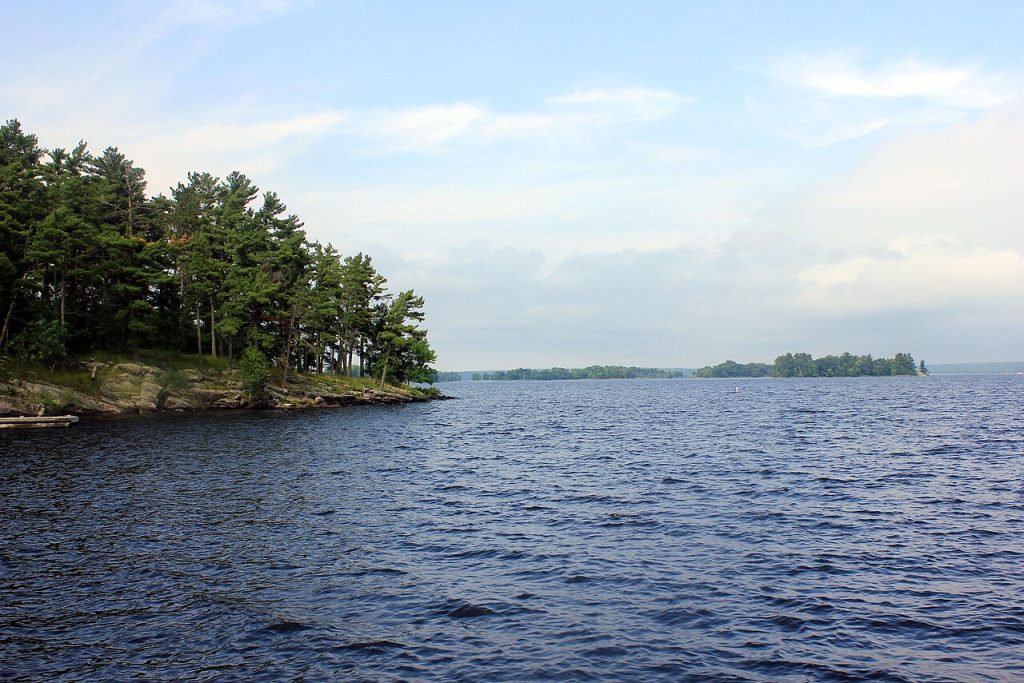
Kabetogama Lake feels like Northwoods quiet, which is why bloom warnings land so hard. Research in Voyageurs National Park has documented recurring late-summer cyanobacterial blooms that often contain toxin-producing species and can include microcystin.
When green material gathers in a protected bay, swimming off rocks stops feeling carefree. Families shift to paddling through open channels, hiking, or picnicking on higher ground, while shorelines get watched for slick surface streaks.
The scenery stays stunning, but the idea of untouched water takes a hit. In a place built on trust in nature, doubt at the waterline can outlast the trip.