The 15 Sketchiest Boardwalks Americans Avoid on Family Vacations

Travel safety analysts and criminologists frequently warn that iconic American boardwalks often conceal significant safety risks beneath their nostalgic veneers. While these wooden thoroughfares attract millions of visitors with the promise of ocean views and carnival food, local law enforcement data often reveals high concentrations of petty theft, aggressive panhandling, and sporadic violence. Urban planners note that the transient nature of boardwalk crowds creates an environment where illicit activities can thrive unnoticed by the casual observer.
Security consultants emphasize that the reputation of a boardwalk can shift rapidly from family-friendly to hazardous once the sun sets. Many of these destinations struggle with maintaining order due to the sheer volume of foot traffic and the density of bars and nightclubs in the immediate vicinity. Families prioritizing safety are increasingly advised by travel experts to research recent crime statistics and local curfews before committing to a vacation rental near these specific waterfront promenades.
Atlantic City Boardwalk In New Jersey
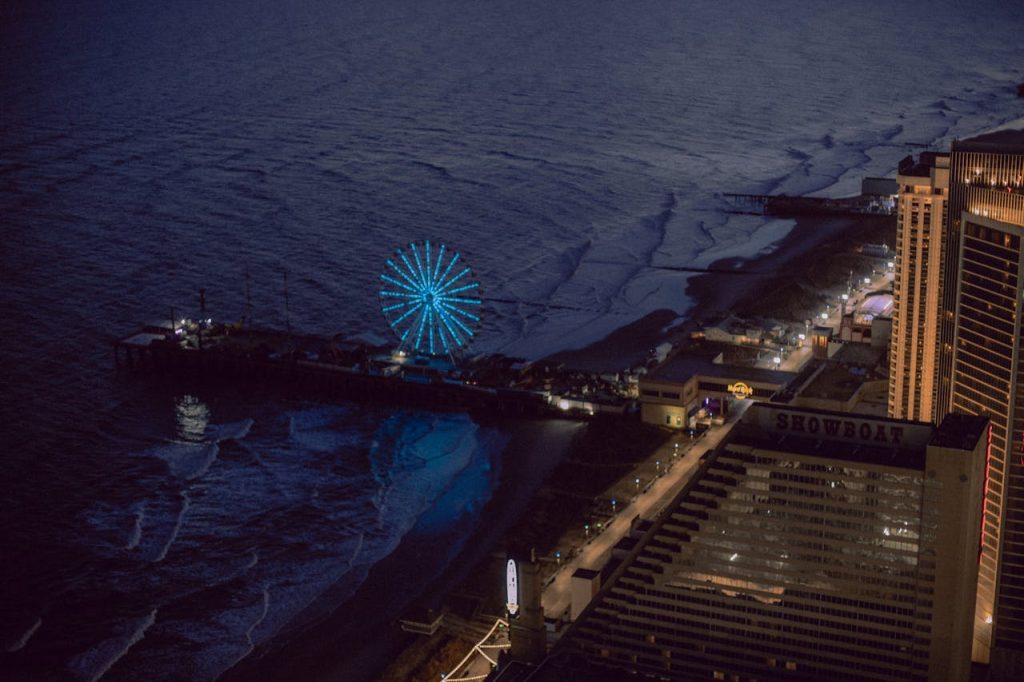
Urban policy experts and criminologists view Atlantic City as a prime example of stark economic inequality creating safety hazards for tourists. The boardwalk serves as a narrow boundary between the high-security casinos and neighborhoods that struggle with significant poverty and crime rates. Security analysts warn that venturing even one block off the wooden planks can place visitors in areas with some of the highest violent crime statistics in the state.
Law enforcement officials maintain a heavy presence, but the density of the crowds often provides cover for pickpockets and drug distribution. Visitors frequently report aggressive solicitation and harassment from individuals loitering near the casino entrances. The deterioration of the physical infrastructure in certain sections further contributes to an atmosphere of neglect that many families find unsettling and unsuitable for children after dark.
Venice Beach Boardwalk In California
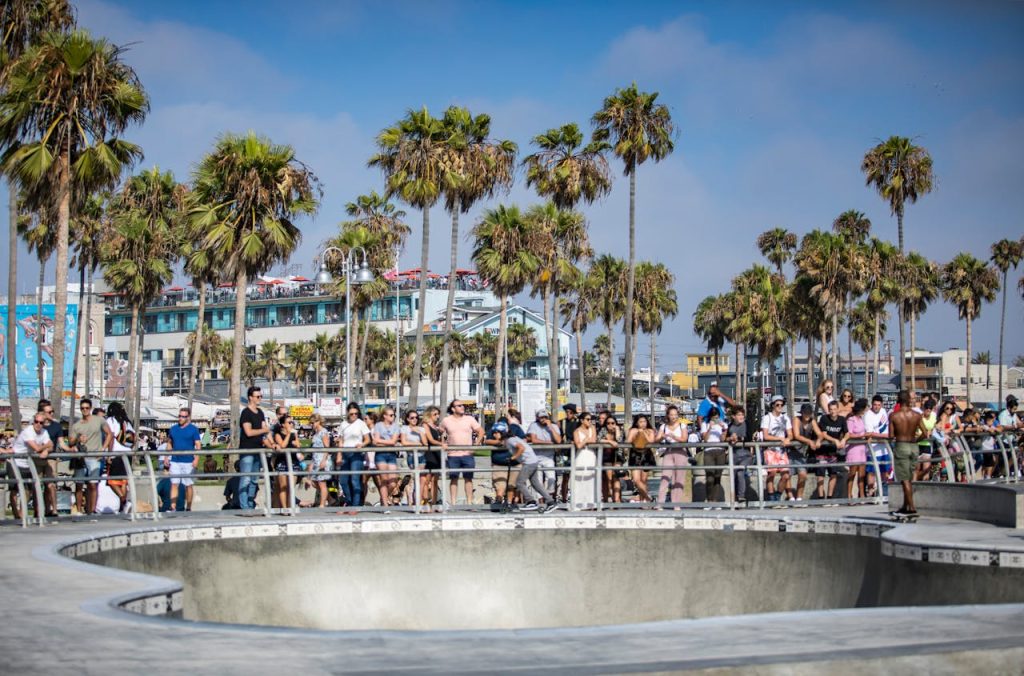
Los Angeles law enforcement and public safety officials consistently identify the Ocean Front Walk as one of the most unpredictable environments in Southern California. The area is famous for its eccentric spirit, but mental health advocates and police officers note that the high concentration of unhoused individuals suffering from untreated crises creates a volatile atmosphere. Confrontations between aggressive street performers, vendors, and tourists are common occurrences that can escalate quickly.
Travel safety consultants advise that the lack of clear regulation regarding camping and vending has led to a chaotic environment where pedestrian flow is constantly obstructed. Theft of bicycles and personal electronics is rampant, with thieves taking advantage of the distracted crowds. The open consumption of substances and the presence of organized gangs in the surrounding park areas make this a destination that many risk-averse travelers choose to avoid.
Myrtle Beach Boardwalk In South Carolina
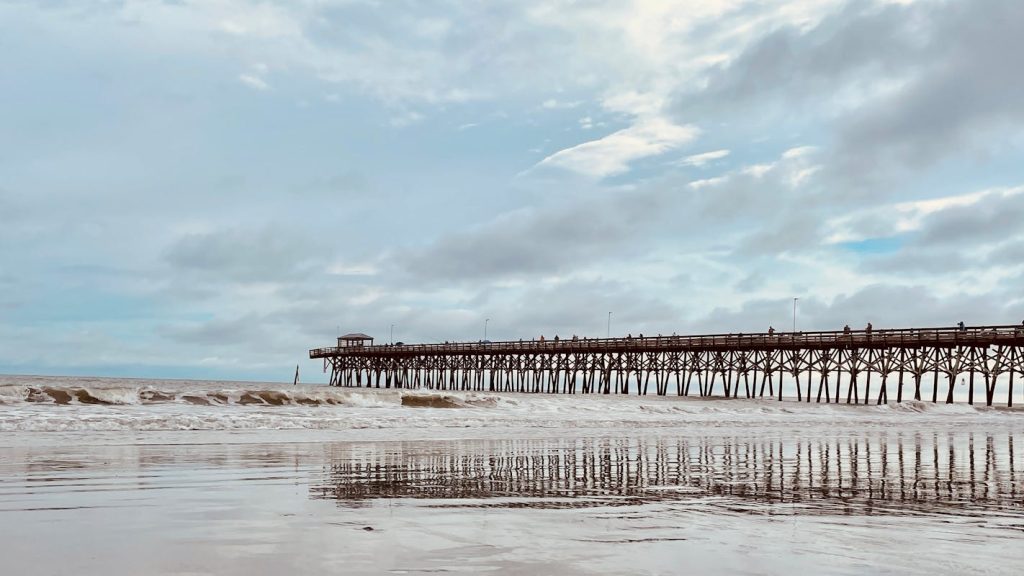
Crime analysts and state tourism officials have tracked a concerning rise in violent incidents along the Grand Strand in recent years. While the boardwalk itself is heavily patrolled, the surrounding blocks have been the site of numerous high-profile shootings and armed robberies during peak season. Local business owners often cite the rowdy behavior of large groups during holiday weekends as a deterrent for traditional family tourism.
Police reports indicate that the area attracts a transient party crowd that frequently clashes with law enforcement and other visitors. The congestion on Ocean Boulevard, which runs parallel to the boardwalk, creates a gridlock that traps pedestrians and vehicles in a high-stress environment. Safety experts suggest that the aggressive cruising culture and the prevalence of late-night disturbances have compromised the relaxing atmosphere that vacationers expect.
Daytona Beach Boardwalk In Florida
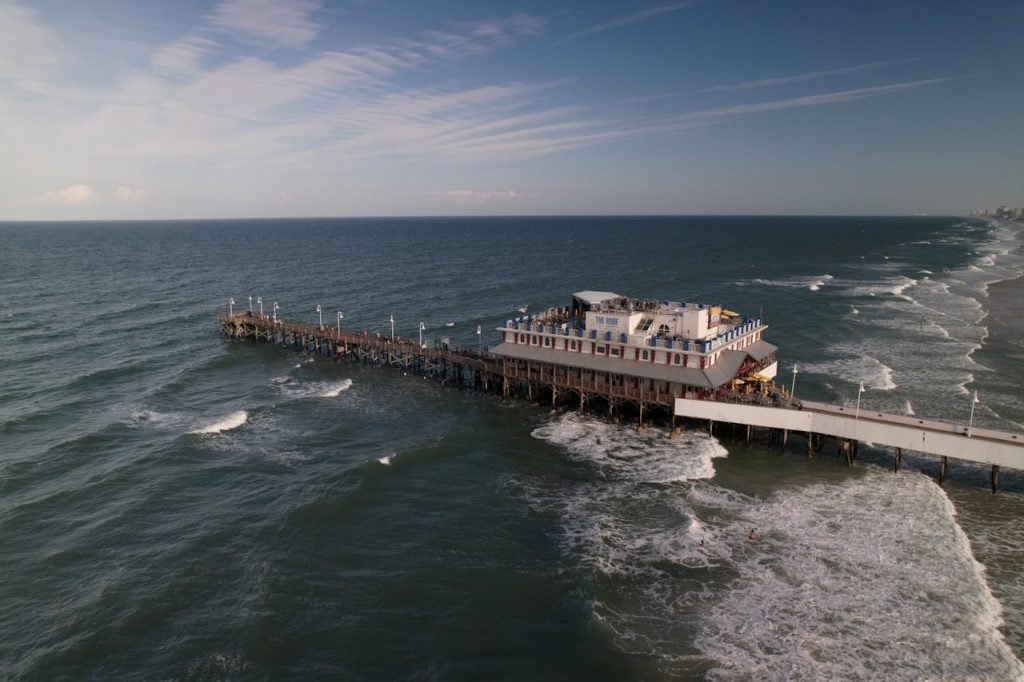
Hospitality consultants and local police describe the Daytona boardwalk area as a magnet for rowdy behavior, particularly during spring break and bike week events. The integration of the boardwalk with a busy roadway means that pedestrians are constantly exposed to loud vehicle noise and traffic hazards. Security assessments highlight the high volume of alcohol-related incidents that occur in the bars and clubs lining the pier area.
The region has struggled to shed its reputation for lawlessness, with frequent reports of brawls and vandalism tarnishing its image. Families often find that the carnival atmosphere feels gritty and unmaintained compared to other Florida destinations. Law enforcement officials have implemented stricter measures to control crowds, but the underlying tension and the frequency of petty crime remain significant concerns for safety-conscious travelers.
Coney Island Riegelmann Boardwalk In New York
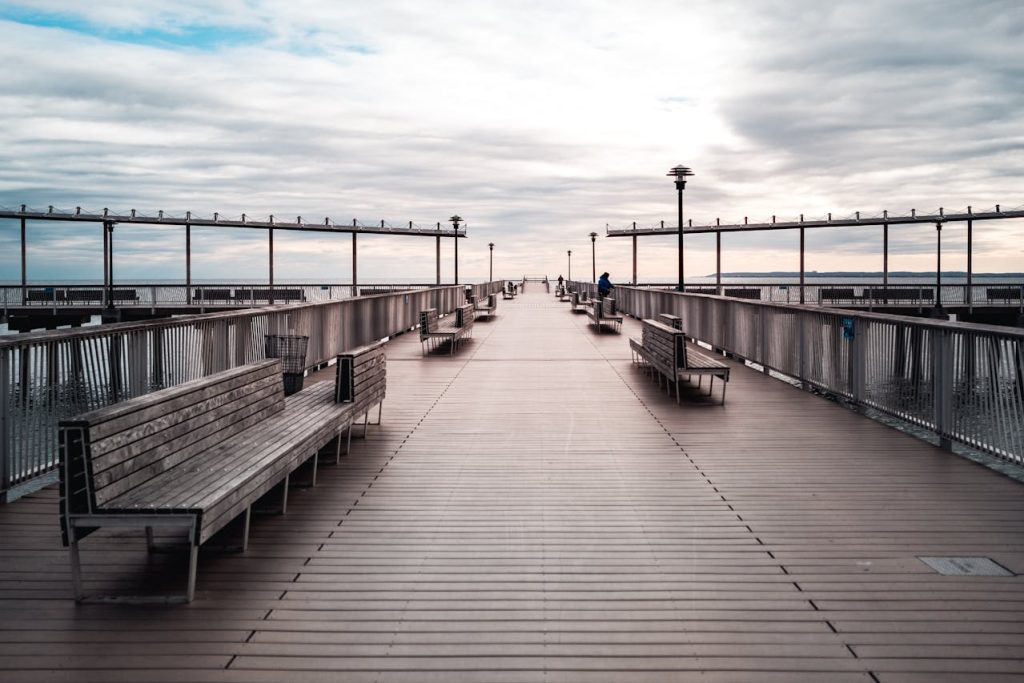
New York City police statistics and urban sociologists acknowledge that Coney Island retains a rough edge that can be intimidating for uninitiated visitors. The boardwalk is isolated at the southern tip of Brooklyn and can feel desolate and unsafe during the off-hours. Gang activity and youth violence in the nearby housing developments occasionally spill over onto the boardwalk, leading to periods of heightened police activity.
The aging infrastructure and the presence of large, loitering groups contribute to a sense of unease that persists despite revitalization efforts. Safety experts warn that the subway ride to and from the boardwalk can also be a point of vulnerability for tourists carrying cash and valuables. While the amusement parks are patrolled, the public beach areas often lack sufficient supervision to prevent altercations and theft.
Ocean City Boardwalk In Maryland
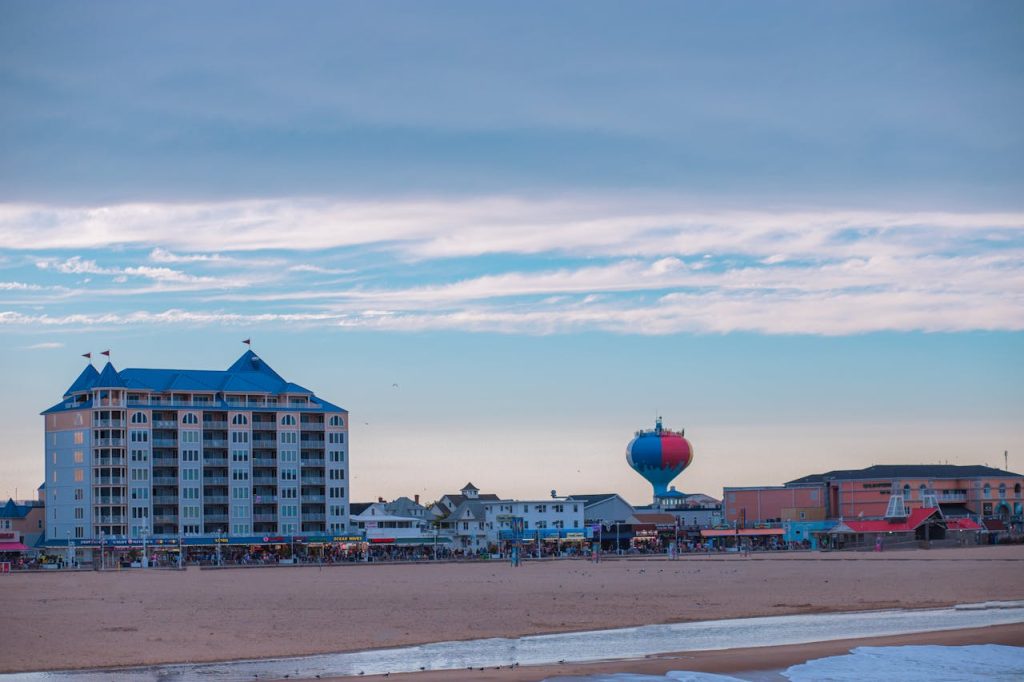
Public safety commissioners and resort management experts have expressed alarm over recent spikes in civil unrest and mob violence on the boardwalk. In response to massive brawls involving hundreds of teenagers/young adults, the town has been forced to implement early curfews and install metal detectors during peak times. These extreme measures signal to travel analysts that the destination is struggling to maintain a safe environment for families.
Local authorities report that the boardwalk has become a gathering point for disruptive groups who use social media to organize chaotic meetups. The sheer size of these crowds often overwhelms police resources, leading to property damage and assaults. Families looking for a peaceful seaside retreat are increasingly turning to quieter Delaware beaches to avoid the unpredictability and aggression found here.
Wildwood Boardwalk In New Jersey
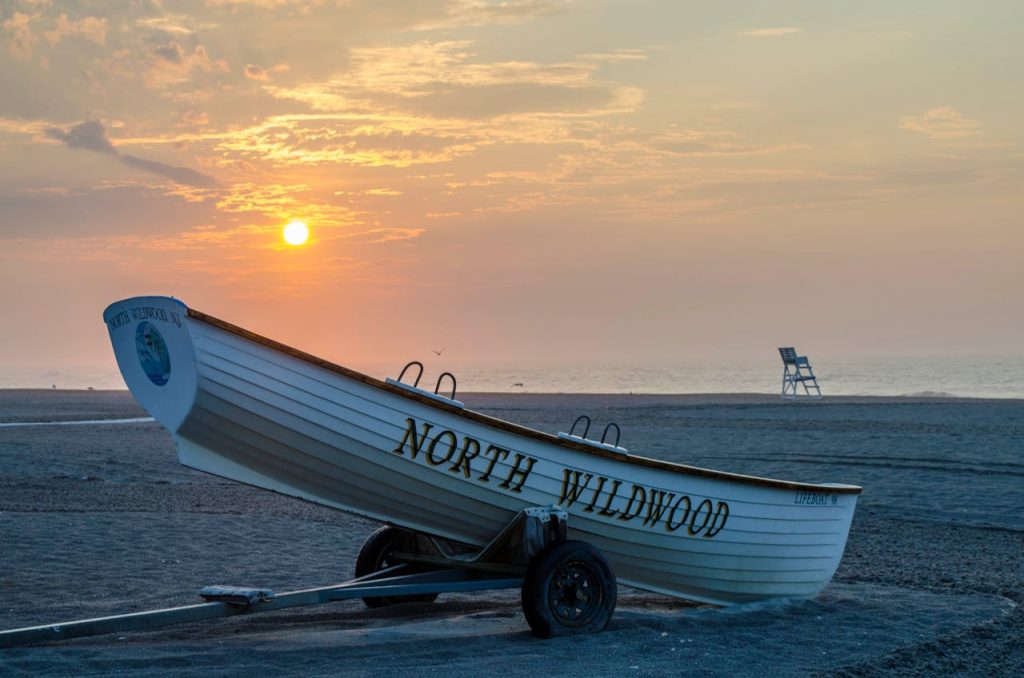
Municipal officials and juvenile justice experts have identified the Wildwood boardwalk as a flashpoint for teen misconduct during the summer months. The town has declared states of emergency on multiple occasions due to overwhelming crowds of unsupervised minors engaging in vandalism and fighting. Police chiefs have publicly stated that the volume of youth congregating on the boardwalk creates a public safety hazard that is difficult to manage.
Business owners along the promenade frequently report theft and harassment of staff by roving groups. The implementation of backpack bans and strict curfews serves as an admission by local government that the situation has become untenable for standard tourism. Travelers seeking a nostalgic boardwalk experience often find themselves in the middle of a chaotic and hostile environment instead.
Virginia Beach Boardwalk In Virginia
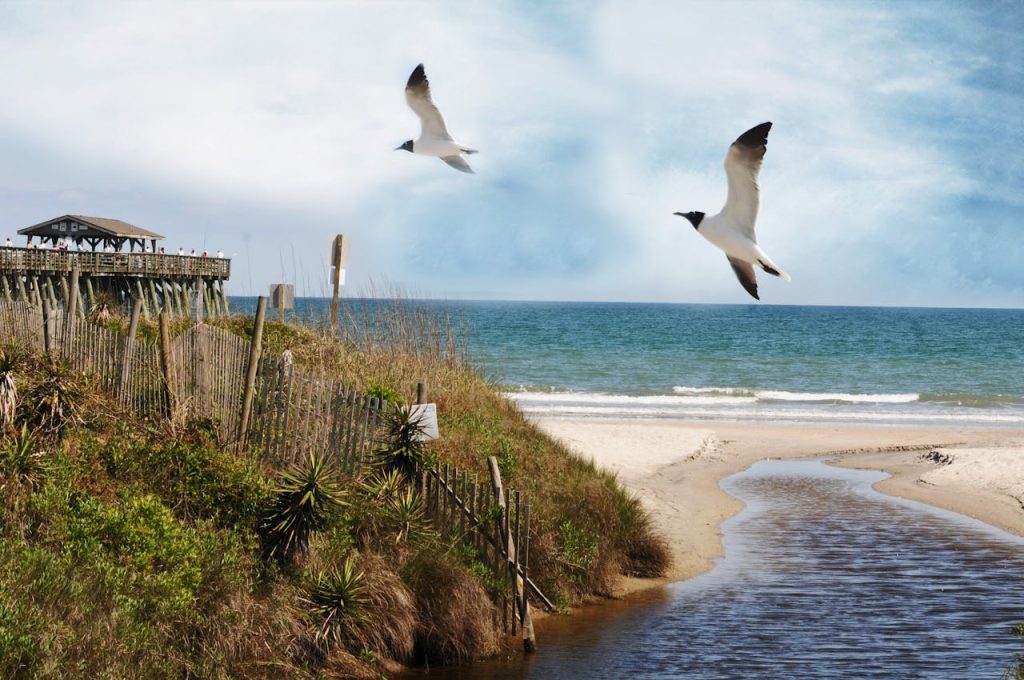
Security analysts and city leaders have scrutinized the safety of the resort area following several tragic shooting incidents along the oceanfront. While the boardwalk is wide and well-lit, the adjacent Atlantic Avenue often becomes a corridor for violence during warm weather weekends. Police have deployed high-tech surveillance and increased foot patrols, but the perception of danger persists among potential visitors.
The area tends to attract large, boisterous crowds that can create an intimidating atmosphere for families with small children. Noise complaints and reports of public intoxication are frequent, detracting from the peaceful beach experience. Travel experts note that the heavy police presence, while necessary, creates a militarized feel that contradicts the relaxing vibe of a vacation destination.
Santa Cruz Beach Boardwalk In California
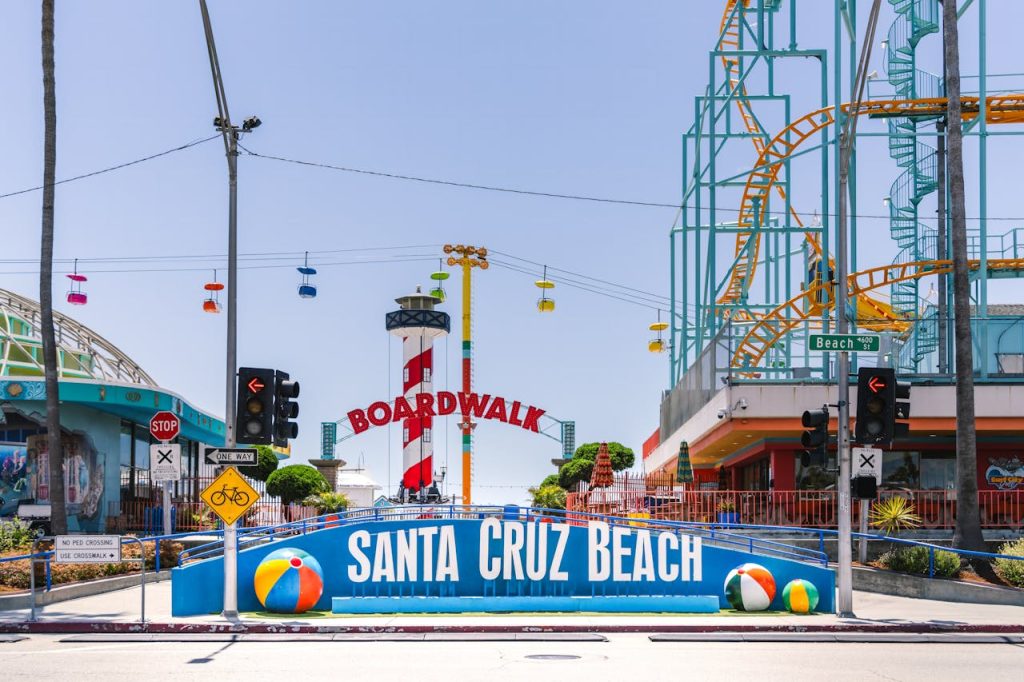
Gang unit investigators and community safety advocates recognize that Santa Cruz faces significant challenges related to gang presence in the neighborhoods surrounding the beach. The boardwalk itself is a major attraction, but the proximity to areas with higher crime rates means that gang-related posturing and violence can occur near the tourist zones. Locals often warn visitors to avoid specific streets immediately adjacent to the amusement park after dark.
The high cost of living in the region has also contributed to a visible homelessness crisis, with encampments often forming near public access points. Security consultants advise that vehicle break-ins are extremely common in the parking lots serving the boardwalk. The juxtaposition of family rides with gritty urban reality makes this a destination that requires constant vigilance.
Seaside Heights Boardwalk In New Jersey
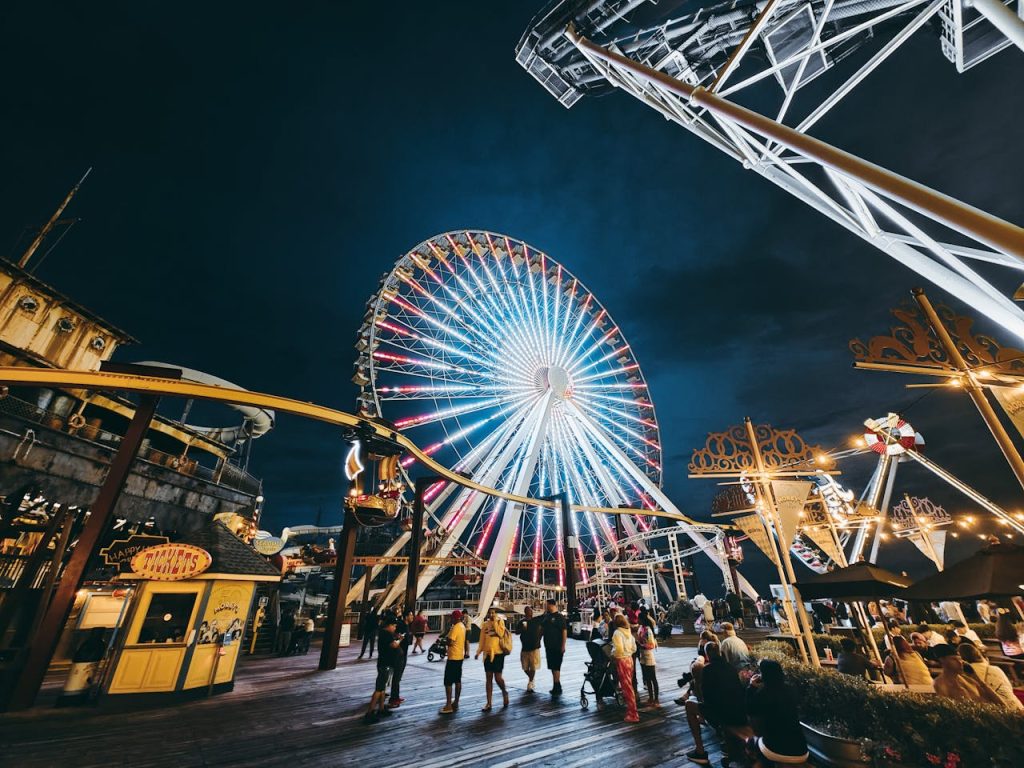
Sociologists and pop culture historians observe that the “Jersey Shore” reality TV association has permanently branded this boardwalk as a party destination. This reputation attracts a demographic focused on heavy drinking and clubbing, which frequently leads to public disturbances. Law enforcement officials deal with a high volume of assault and disorderly conduct charges throughout the summer season.
The atmosphere is often described by family travel critics as loud, aggressive, and inappropriate for younger children. The boardwalk is densely packed with bars that spill intoxicated patrons out onto the planks, creating potential for conflict. Recent efforts to soften the image have struggled to overcome the entrenched culture of excess and rowdiness that defines the town.
Mission Beach Boardwalk In San Diego
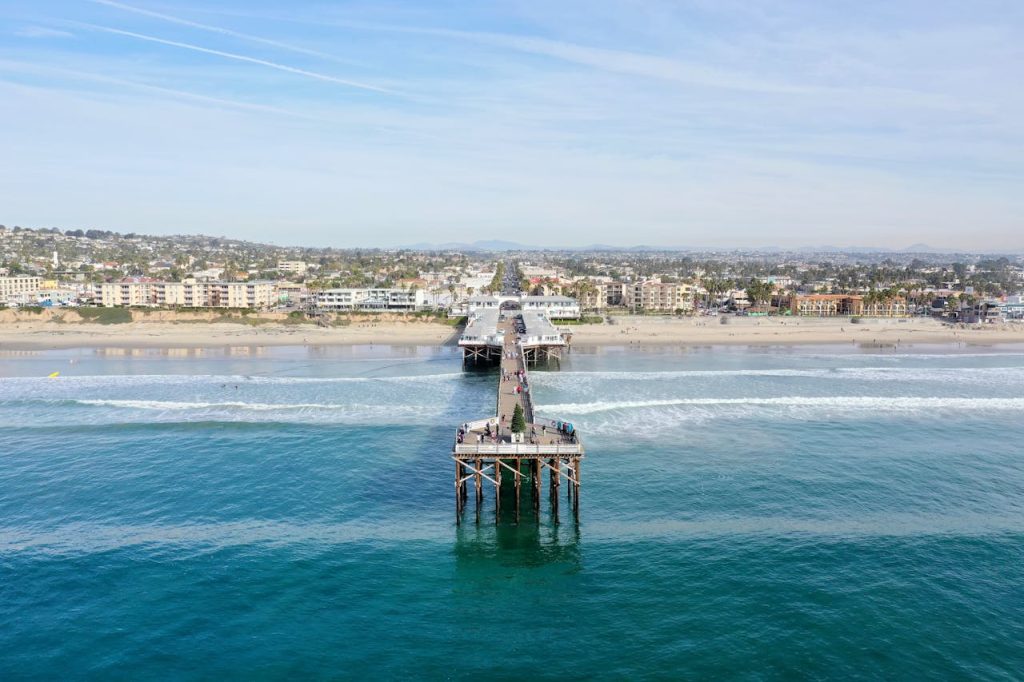
San Diego police officers and community organizers identify the Mission Beach boardwalk as a hub for party house chaos and petty crime. The dense rental market means that vacationers are often sleeping next door to raucous house parties that last until dawn. The boardwalk is a thoroughfare for transients and intoxicated individuals, leading to frequent reports of harassment and theft.
Bicycle and scooter accidents are common due to the congestion and the speed of riders weaving through pedestrians. Safety experts note that the area suffers from a high rate of property crime, with unattended beach gear disappearing in seconds. The frantic energy and the lack of quiet space make it stressful for families seeking relaxation rather than constant stimulation.
Hampton Beach Boardwalk In New Hampshire
State police and emergency response teams have dealt with multiple instances of riot-like behavior at Hampton Beach in recent years. Large gatherings of youths have turned violent, necessitating the intervention of SWAT teams and the closing of the boulevard. These events have garnered national headlines and caused many traditional visitors to reconsider their travel plans.
The boardwalk area is narrow and easily congested, creating a pressure cooker environment when tensions rise. Local business owners have expressed frustration with the lack of control over the crowds, citing significant losses due to property damage and theft. The unpredictability of these outbursts makes the destination a risky choice for those prioritizing stability and safety.
Galveston Seawall In Texas
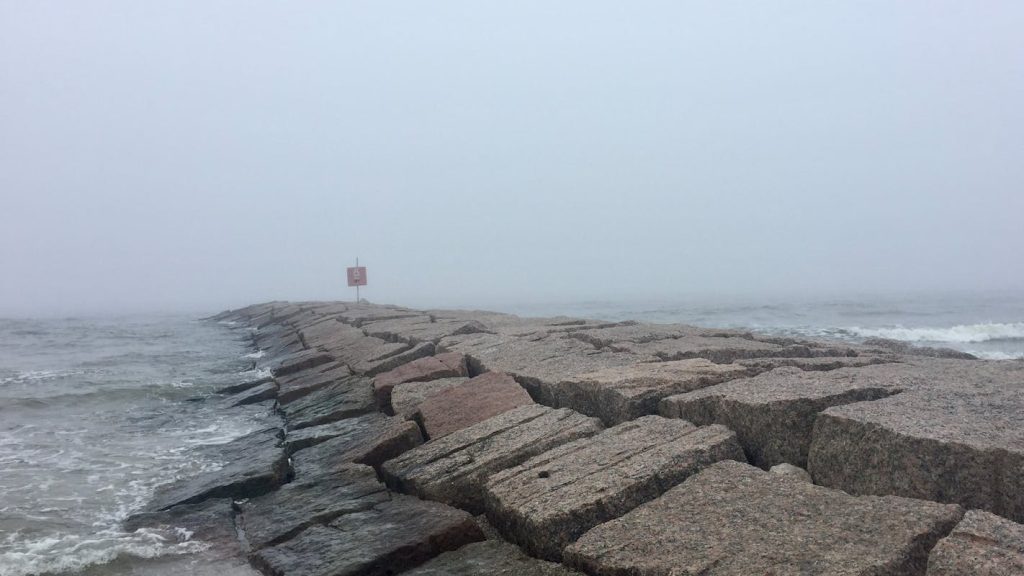
Traffic safety engineers and urban planners highlight the Galveston Seawall as a problematic design that places pedestrians inches away from high-speed traffic. The seawall serves as the boardwalk, but it runs directly alongside a busy multi-lane highway, creating constant noise and exhaust exposure. Accident statistics show a high number of pedestrian-vehicle collisions in the area.
Crime analysts also note that the seawall attracts a rough crowd at night, with reports of assaults and robberies occurring in the darker sections. The lack of barriers between the walkway and the road makes it particularly dangerous for families with active children. The industrial backdrop and the gritty nature of the beachfront contribute to an aesthetic that many travelers find unappealing and potentially unsafe.
Revere Beach Boardwalk In Massachusetts
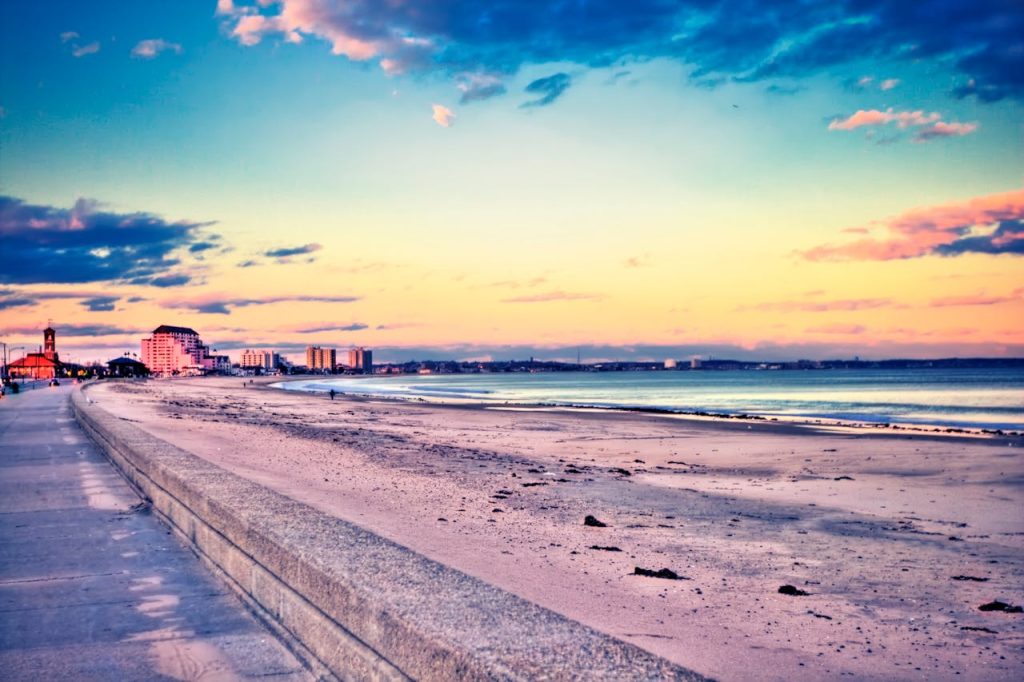
Historical crime data and local law enforcement reports indicate that Revere Beach has long struggled with gang activity and drug distribution. While revitalization efforts are underway, the area retains a reputation for toughness that keeps many suburban families away. Police frequently respond to altercations and disturbances along the shoreline, particularly during hot summer nights.
The proximity to major transit lines makes the beach easily accessible, but it also facilitates the movement of individuals looking to engage in illicit activities. Safety consultants warn that the area can feel menacing after sunset, with limited security presence in the more remote sections. The lingering stigma of violence continues to affect the perception of the boardwalk as a safe family destination.
Hollywood Beach Broadwalk In Florida
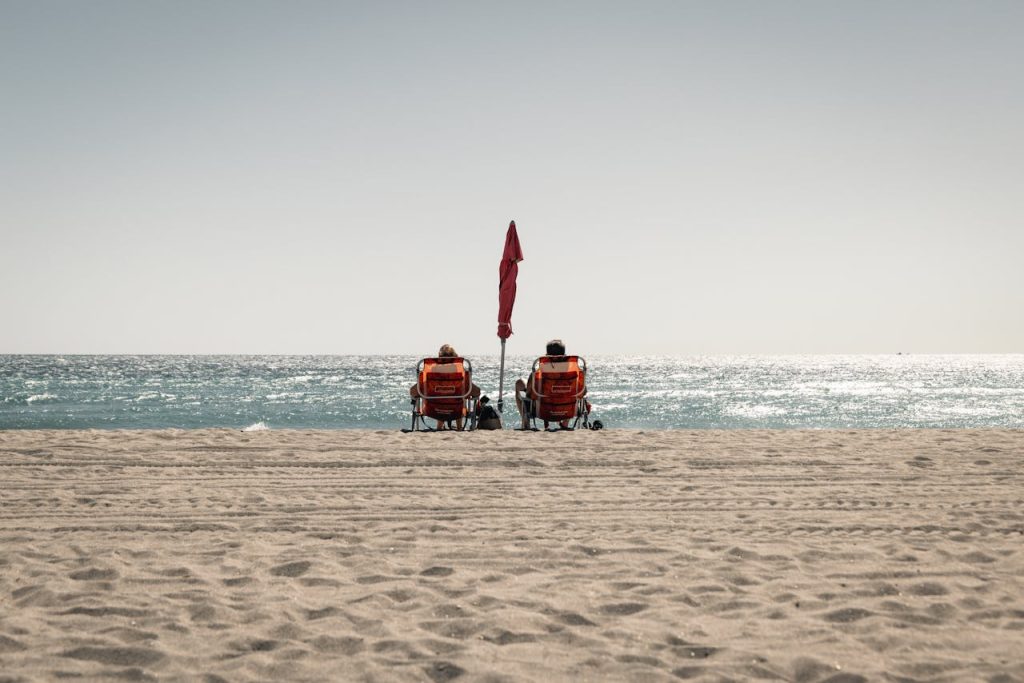
South Florida crime reporters and tourism officials have documented a series of violent incidents on the Hollywood Broadwalk that have shaken the community. A major shooting on Memorial Day involving rival groups injured multiple bystanders and highlighted the vulnerability of the open-air promenade. Police have since increased surveillance, but the brazen nature of the violence has left a lasting mark.
Residents and visitors alike express concern over the changing demographic of the crowds, which has shifted toward a younger, more aggressive element in the evenings. The broadwalk is a continuous path without barriers, meaning that conflicts can easily spill over into dining areas and bike lanes. Travel experts suggest that the risk of being caught in crossfire, however statistically low, is a deterrent that is driving families toward more private resort environments.