The 7 Paragliding Launches Windy With Crash Landings

Aviation safety officers and meteorologists frequently warn that flight accidents are rarely random but are often the result of specific microclimates that punish errors with immediate severity. While many takeoff sites look benign on a map, local instructors know that invisible hazards like rotor, shear turbulence, and venturi effects create dangerous traps for the unprepared. The United States Hang Gliding and Paragliding Association and international bodies consistently highlight that high-velocity takeoffs are the most critical phase of flight where the margin for error is effectively zero.
Flight directors emphasize that the sites listed below are world-class destinations that demand a high level of respect and specific timing. The same air currents that allow for record-breaking cross-country flights can turn violent within minutes and transform a smooth slope into a chaotic environment of collapsing wings and dragged pilots. Understanding the specific mechanics of these famous sites is essential for any pilot looking to survive the sport’s most demanding arenas.
Walt’s Point In California
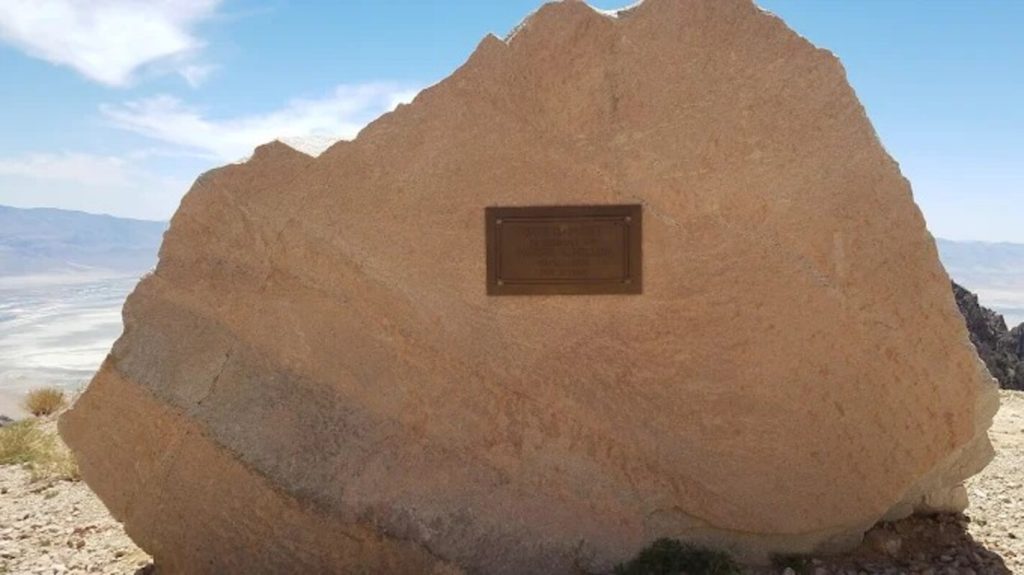
Owens Valley is legendary among cross-country pilots for its massive lift, but safety directors warn that the site at Walt’s Point is one of the most unforgiving in North America. Located in the high desert of the Eastern Sierra, this site is subject to the Sierra Wave, a powerful atmospheric phenomenon that creates severe turbulence and shear. Instructors note that the midday thermal cycles here are so violent that they can pluck a pilot off the ground before they are ready which leads to loss of control immediately after inflation.
Meteorologists explain that the valley floor heats up rapidly and creates dust devils that can race up the face with little warning. These rotating columns of air can collapse a wing instantly and drop the pilot back onto the rocky scree. Veteran flyers advise that flying here requires impeccable ground-handling skills and the discipline to stand down when the velocity spikes, as the air in the Owens Valley is often described as industrial strength and capable of overpowering even advanced wings.
Mount Babadag In Turkey
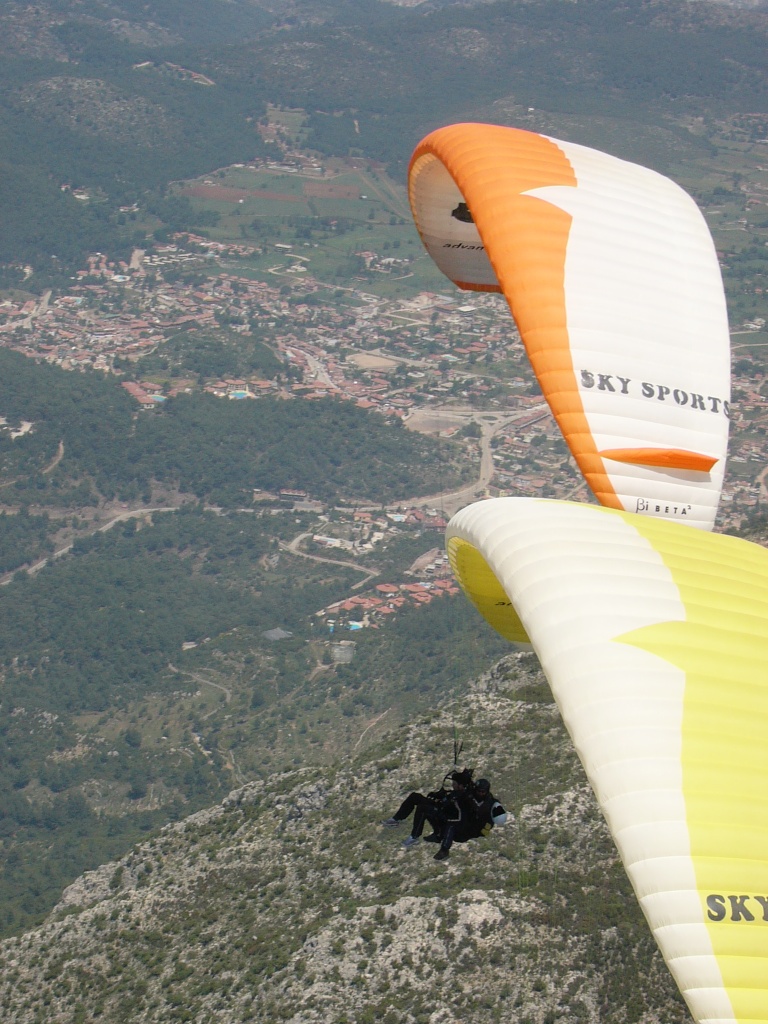
This iconic mountain overlooking Ölüdeniz is famous for its height and views, but flight safety officers caution that it is also a hotspot for accidents due to complex venturi effects. The mountain features multiple pads facing different directions, and pilots often switch between them as the air rotates throughout the day. Local guides report that the venturi effect where wind accelerates as it squeezes through a gap or over a ridge can catch pilots off guard and cause them to be blown backward into the mountain immediately after takeoff.
The popularity of the site leads to a phenomenon safety experts call intermediate syndrome where less experienced pilots fly in conditions beyond their skill level because they see others flying. During the afternoon, the sea breeze can become extremely strong and switch direction rapidly which creates rotor turbulence on the leeward side of the peaks. Accident reports frequently cite asymmetrical collapses shortly after takeoff caused by this invisible, turbulent air mixing with the thermal rising from the steep limestone cliffs.
El Peñón In Mexico
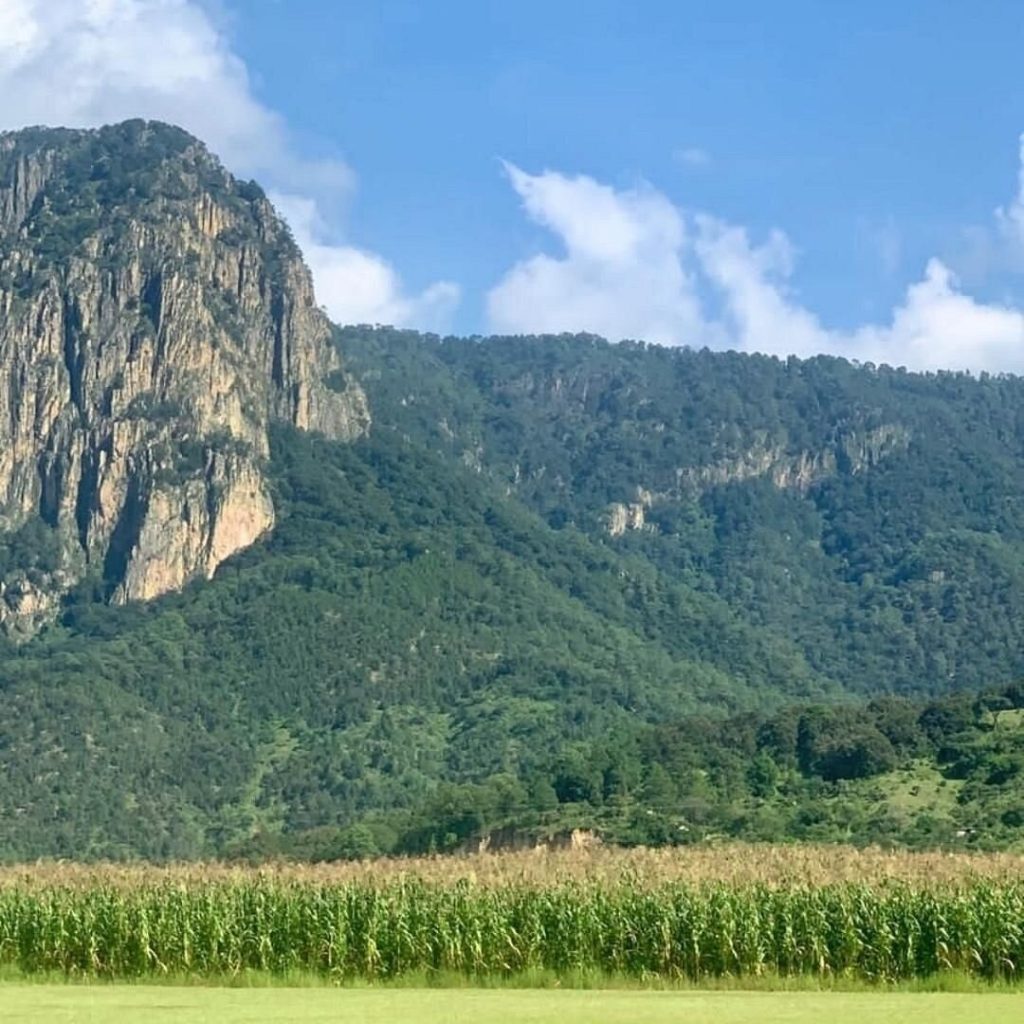
Competition directors in Valle de Bravo revere El Peñón for its consistency, but they also enforce strict windows to avoid the dangerous midday air. The site is known for nuclear thermals that rip off the face between noon and 3:00 PM. Aerological experts warn that during this peak heating window the air becomes so turbulent that takeoffs frequently result in immediate wing collapses or cravats where the fabric tangles in the lines.
The takeoff area is relatively compact and steep, leaving little room for error if a wing surges forward too quickly. Safety crews note that pilots who mistime their start can be lofted aggressively and slammed back into the hill or swung into the trees that line the exit corridor. The convergence of air from the valley floor and the plateau behind the site creates a mixing bowl that demands active piloting from the very second the feet leave the ground.
Point of the Mountain South Side In Utah
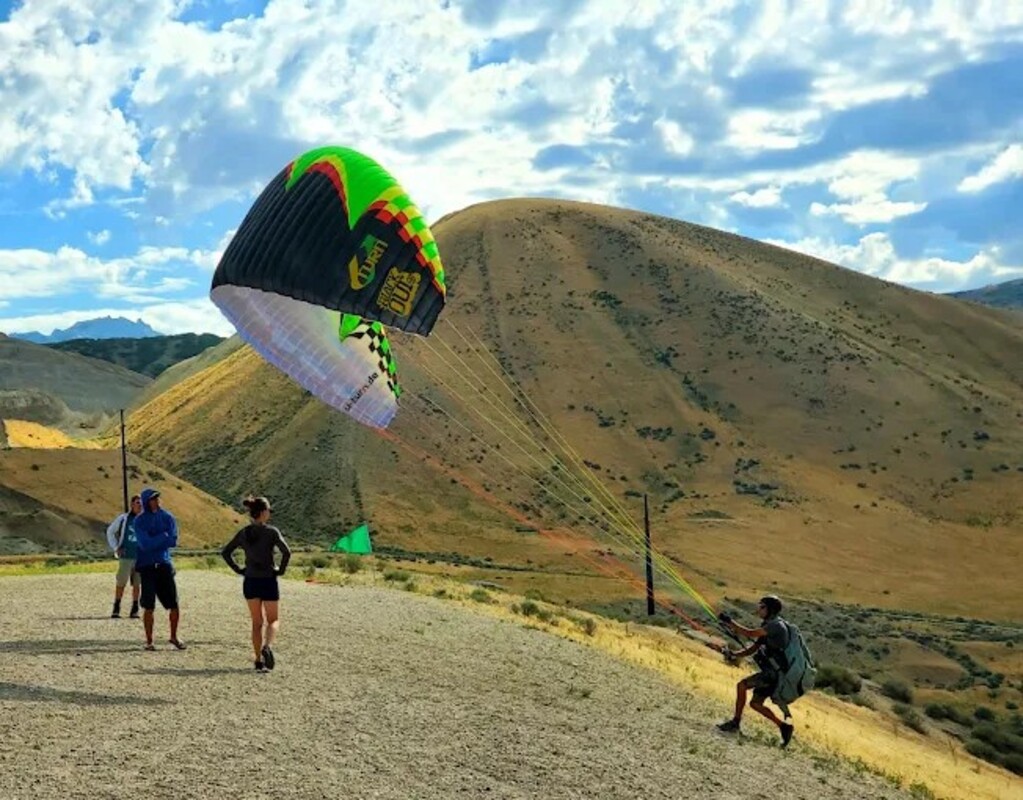
Utah parks officials and local flight schools monitor the South Side site at Point of the Mountain closely due to its susceptibility to rotor turbulence. While the North Side is famous for smooth laminar air, the South Side is a steep bench that becomes highly dangerous if the flow has even a slight northerly component. Instructors explain that when the flow comes over the top of the plateau from the back it curls down the face of the South Side creating a rotor that pushes air down toward the ground.
Accident reports from this site often involve pilots flying into what feels like a light breeze only to be hammered by sinking air that collapses their wing fifty feet out. The transition zone where the flow interacts with the steep terrain is sharp, and pilots can go from flying to falling in seconds. Safety experts emphasize that checking the direction stations on top of the plateau is mandatory as the air on the slope can be deceptively calm while a dangerous rotor spins just overhead.
Sarangkot In Nepal
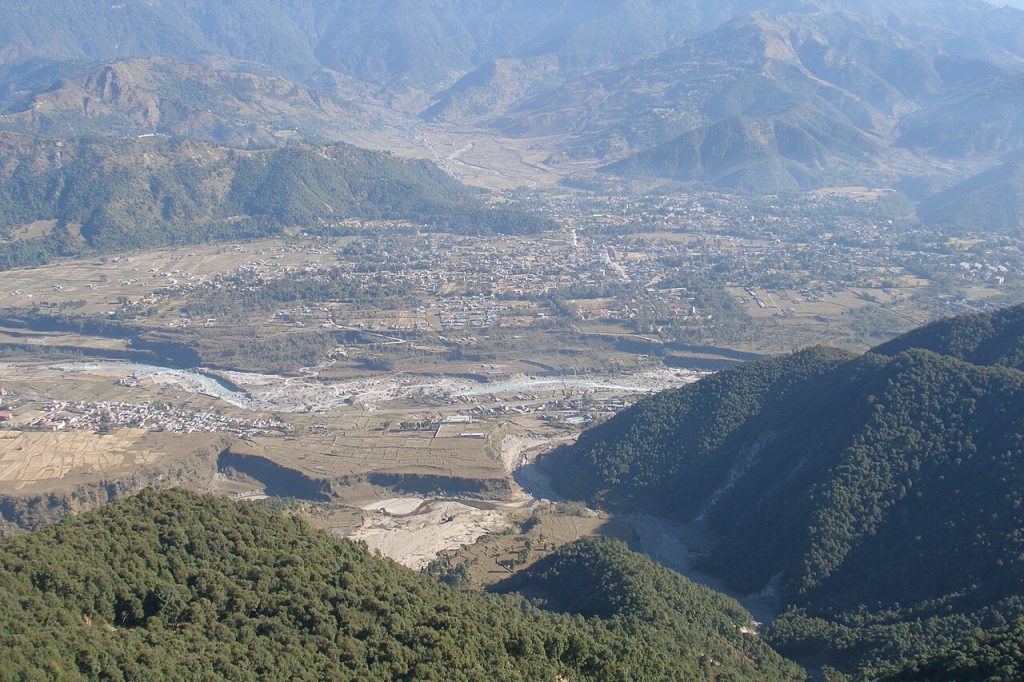
Tourism officials and aviation safety inspectors in Pokhara have raised concerns about the overcrowding and acceleration at the Sarangkot site. As the gateway to the Annapurna range, the site sees hundreds of pilots attempting to fly in a limited airspace. Meteorologists note that the valley flow accelerates significantly in the late morning creating a tunnel effect that can pin pilots against the ridge if they do not clear the terrain immediately.
The surface is a steep, grassy slope that becomes slippery and chaotic when crowded. Flight directors observe that the pressure to go quickly often leads to skipped pre-flight checks and rushed inflations. When the valley flow kicks in it can be strong enough to drag a pilot back into the waiting crowd or the tea houses behind the drop. The mix of tandem operations and solo pilots fighting for space in strengthening air creates a high-risk environment for collisions and ground-handling accidents.
Bir Billing In India
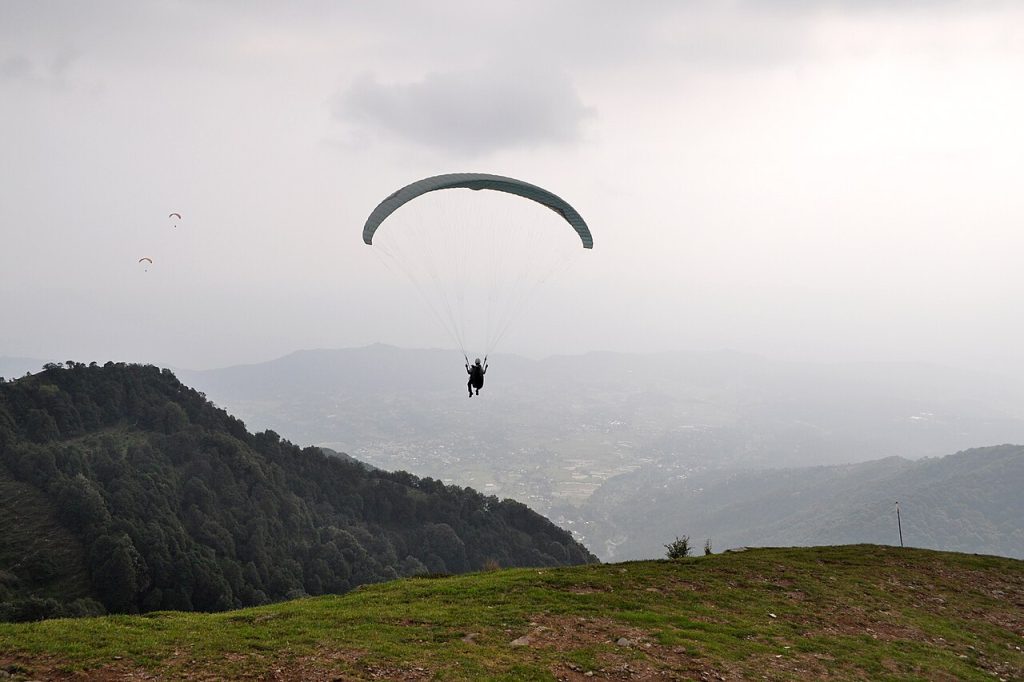
Himalayan flying experts categorize the Billing site as a high-altitude location with extreme vertical development potential. While it is one of the best places in the world for cross-country distance, the aerology is massive and unforgiving. Weather forecasters warn that the mountains here generate their own weather systems, and cloud suck where a pilot is pulled uncontrollably up into a storm cloud is a genuine risk.
The site itself is situated at 8,000 feet where the air is thin and the wing reacts faster and more aggressively. Safety officers note that pilots often underestimate the power of the thermals that release directly from the area. In the pre-monsoon season, the instability of the air can lead to blowout conditions where velocities triple in minutes resulting in pilots being blown over the back of the mountain into remote, frozen wilderness where rescue is difficult.
Dune du Pilat In France
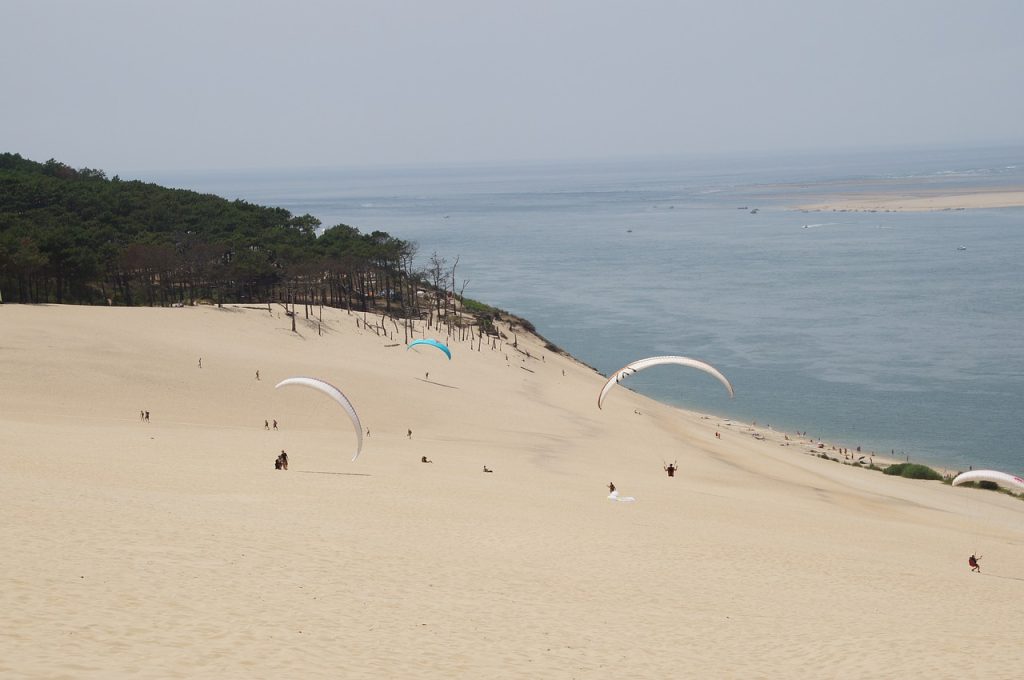
Coast guard officials and local schools identify the Dune du Pilat as a deceptive site where laminar flow often masks high-speed danger. As the tallest sand dune in Europe, it creates a perfect soaring ridge, but when the Atlantic flow picks up it can easily exceed the top speed of a glider. Instructors emphasize the risk of blowback where a pilot is lifted off the ground and immediately pushed backward away from the sea and into the pine forest behind the dune.
The lack of obstacles on the sand encourages pilots to fly in conditions that are technically too strong for their skill level. Safety experts point out that sand creates drag on the wing and lines during layout often causing asymmetrical inflations that spin the pilot around. Once airborne in high velocities, the venturi effect over the crest of the dune accelerates the air further trapping pilots in a zone where they cannot penetrate forward leading to high-speed impacts into the leeward rotor or the trees.