The 7 U.S. Canyon Rim Walks With Suicide Jump Warnings
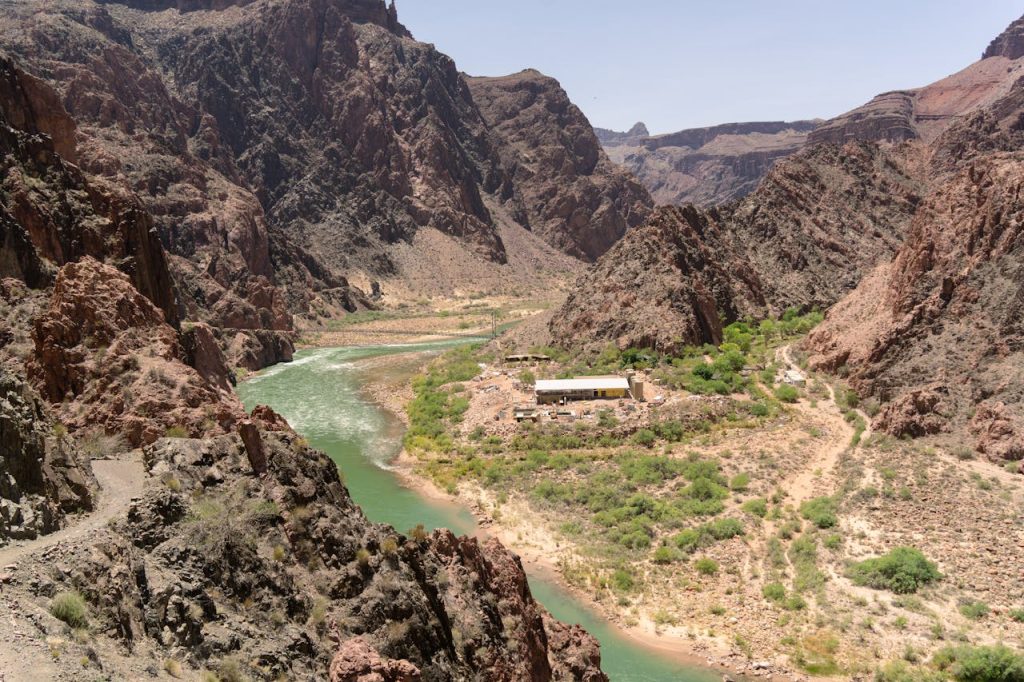
Canyon rims can feel like hushed balconies over time itself, where wind skims stone and distant rivers seem hand-painted. They also ask for discipline, because railings end, rock edges crumble, and one distracted step can change everything.
Parks post blunt warning signs where crowds bunch, footing turns uneven, or weather adds a slick layer. Winter shade hides ice, summer heat dulls focus, and cameras pull attention outward. The goal is not fear. It is clearheaded judgment, staying on designated walkways, pausing where the path widens, consistently leaving generous space from the rim so the panorama stays unspoiled every season.
Grand Canyon South Rim Trail, Arizona
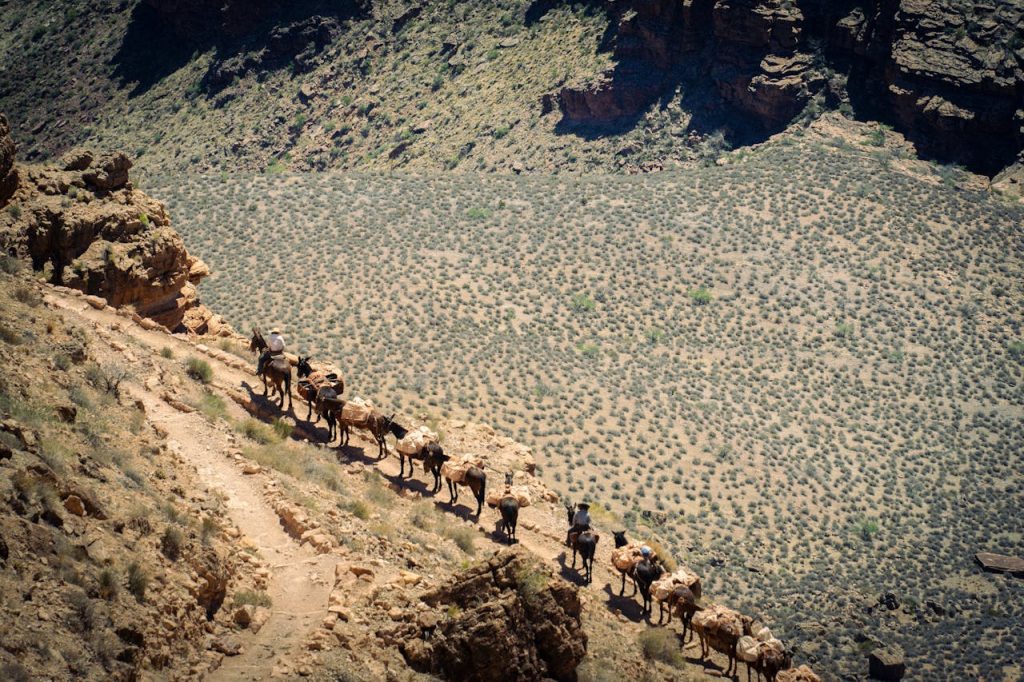
The South Rim Trail is famous for its easy access, broad viewpoints, and long stretches that feel more like a promenade than a hike. Near the village, railings appear, then vanish without much notice, and social side paths tempt boots onto crumbly edges.
Crowds drift outward for photos, and loose grit can sit on hard pavement like ball bearings. Wind funnels through gaps, morning frost can linger in shade, and the drop feels closer when legs are tired. The calm approach is slow pacing, stops taken only on wide overlooks, and companions kept close, with the rim treated as a boundary, not a perch, even on clear days in silence.
Bright Angel Point Trail, Grand Canyon North Rim, Arizona
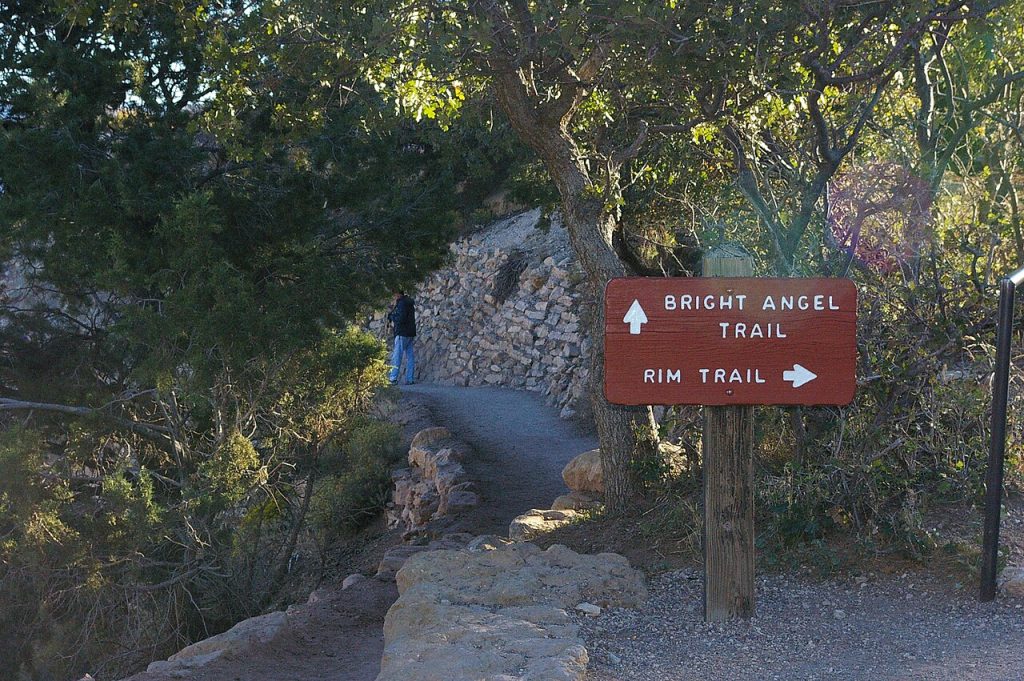
Bright Angel Point starts near the lodge and quickly trades comfort for exposure, with a paved path that narrows as it reaches the point. Afternoon winds often sharpen along the ridge, and the canyon opens wide on both sides, pulling attention outward.
Busy hours bring passing groups, kids darting, and people stepping aside onto the rough shoulder for a better angle. In shade, fine gravel can hide on the pavement, and gusts arrive without warning. Keeping to the center line, yielding only at wider pullouts, and choosing pauses where the walkway broadens keeps the drama in the view, not underfoot, with hands free, pace unhurried.
Rim Rock Trail, Black Canyon of the Gunnison, Colorado
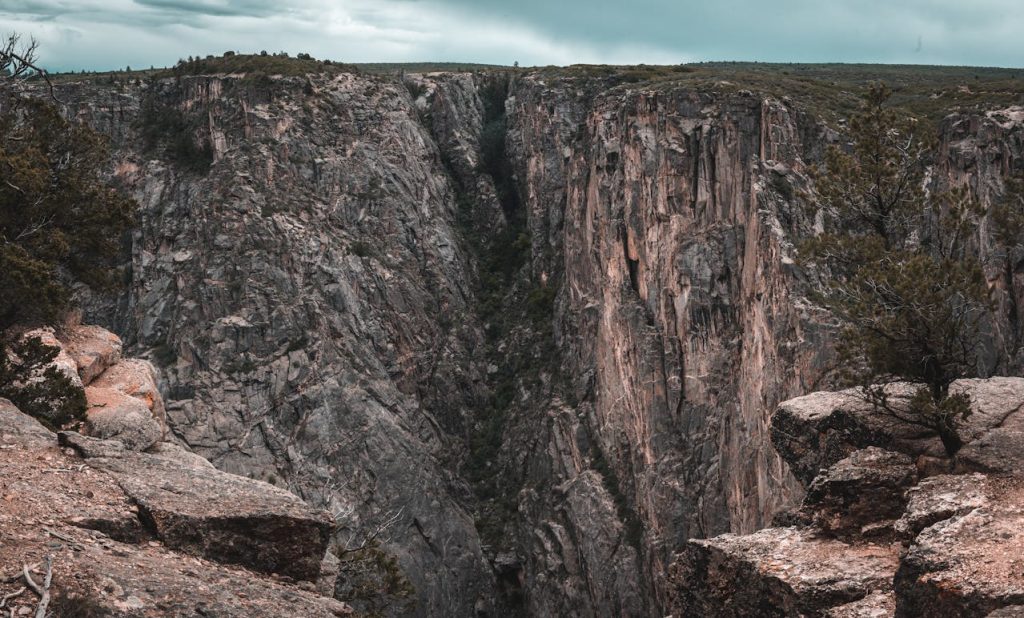
On the South Rim of Black Canyon of the Gunnison, rim walking feels close and convenient, then suddenly immense, as the gorge drops away into shadow. The trail surface shifts between packed dirt, rock steps, and uneven stone, so the eye must stay on more than scenery.
Overlooks concentrate people near abrupt edges, and a single misstep can have severe consequences in an instant. Dry air and altitude can quietly sap focus, and water is not always available near trailheads. The steady pattern is short strides, deliberate stops on built viewpoints, and a clear rule that no shortcut, boulder, or ledge is worth a closer look at all.
Rim Trail, Bryce Canyon National Park, Utah
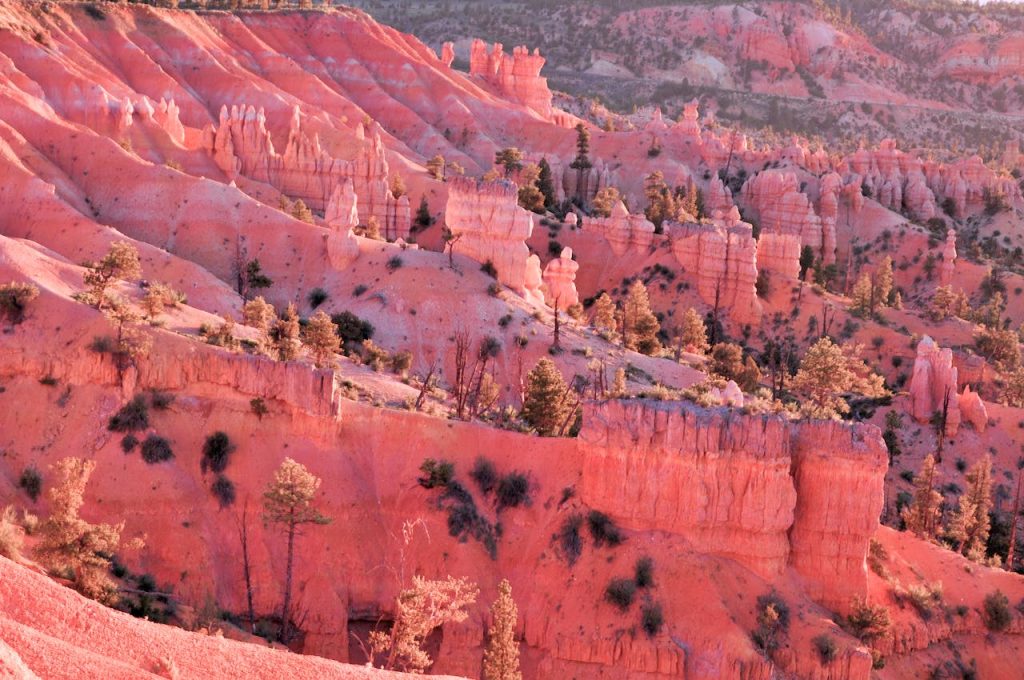
Bryce Canyon’s Rim Trail feels like a scenic sidewalk above a natural amphitheater, with hoodoos stacked like lanterns in morning light. The path can be mellow, but the drop sits close, and the rim side shoulder often narrows into loose, crumbly soil. High elevation can thin the air fast.
Cold nights and bright days create slick patches that linger in shade, even when the rest of the walk looks dry. Crowds gather at Sunrise, Sunset, and the classic overlooks, and the push for one more photo can tighten spacing. A calm visit keeps traction in mind, chooses wider viewpoints for stops, and treats the rim as a line that never needs testing.
Grand View Point, Canyonlands National Park, Utah
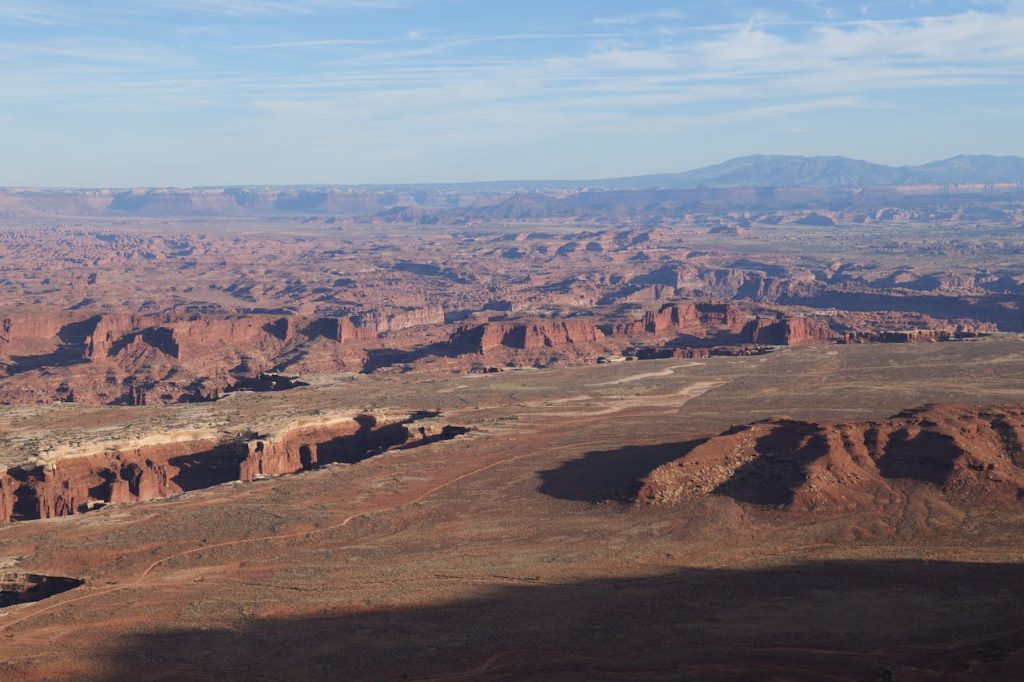
Grand View Point sits at the far end of Island in the Sky, where the mesa breaks into a maze of canyons and distant blue ridgelines. A short, accessible walk delivers the first viewpoint quickly, which can make the place feel effortless and tame.
Past the main overlook, the route continues along exposed rock with few windbreaks and little shade, so fatigue can arrive quietly. Edges can be abrupt, and the best footing stays on the established tread, not on tempting slabs near the rim. The rhythm that fits the landscape is slow, water steady, and pauses kept on broad viewpoints, letting the vastness do the talking without hurry.
North Rim Overlooks, Grand Canyon of the Yellowstone, Wyoming
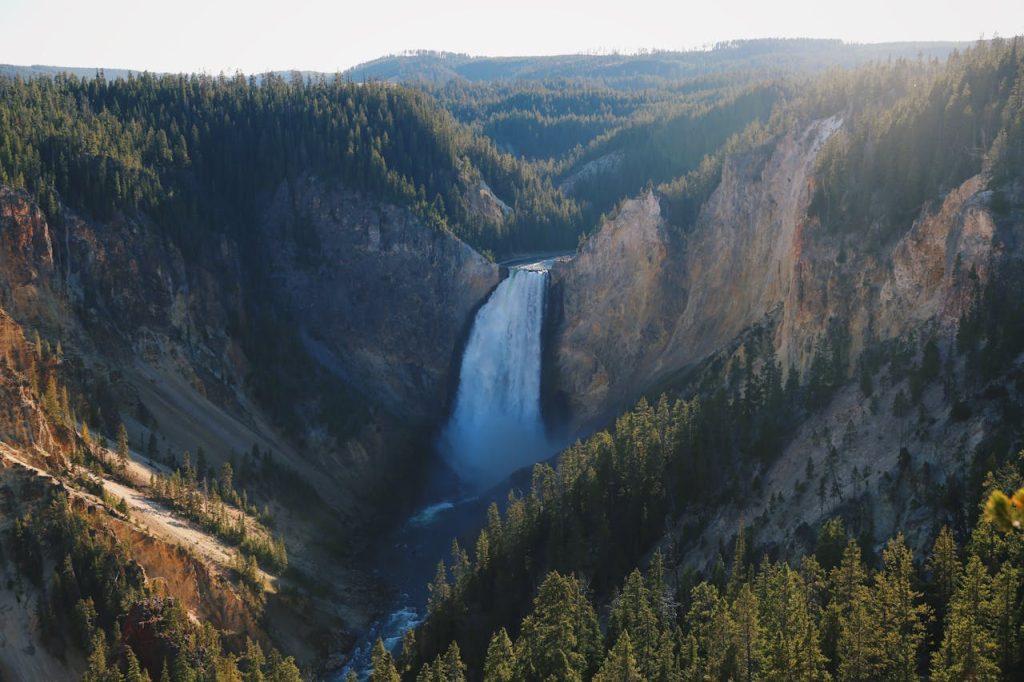
Yellowstone’s Grand Canyon brings sound first, then color, as the river cuts through walls stained gold, rust, and chalky white. North Rim overlooks offer big views with relatively easy walking, which can draw large groups close to railings at the same time.
Mist from the falls can leave surfaces damp, and in cold weather that moisture can turn slick in shaded corners. Some spurs drop steeply toward the brink viewpoints, so tired legs and crowded steps deserve extra patience. The safest moments come from waiting for space, keeping feet behind barriers, and choosing the wide platforms where the canyon can be watched, not chased.
Canyon Rim Trail, Twin Falls, Idaho
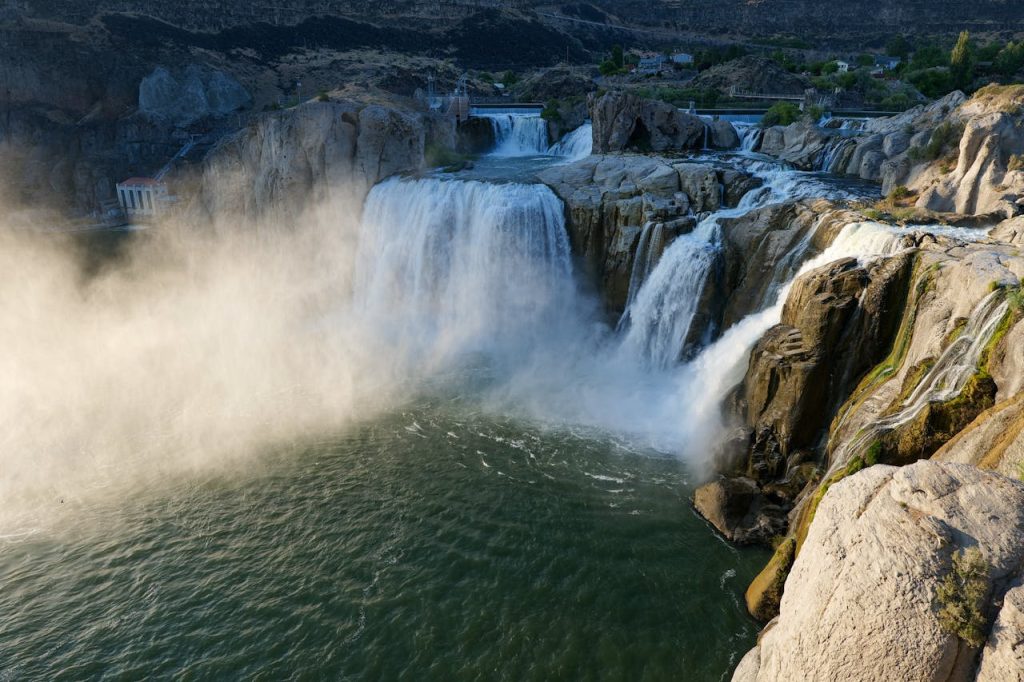
Twin Falls’ Snake River Canyon rim paths feel like a neighborhood greenway set beside a sudden, basalt drop that refuses to look ordinary. Much of the route is paved and multiuse, so walkers, strollers, and bikes share space while the river runs far below.
That familiarity can invite casual drifting toward the edge, especially near popular viewpoints and parks. Wind can move hard along the canyon, and stopping to check a phone can pull attention away from footing. The best visits keep groups clustered, take breaks on established overlooks, and treat the rim line as a permanent boundary that never needs proving in daylight.