The 8 European Cities Tourists Say Are Beautiful – but Come With Serious Risks
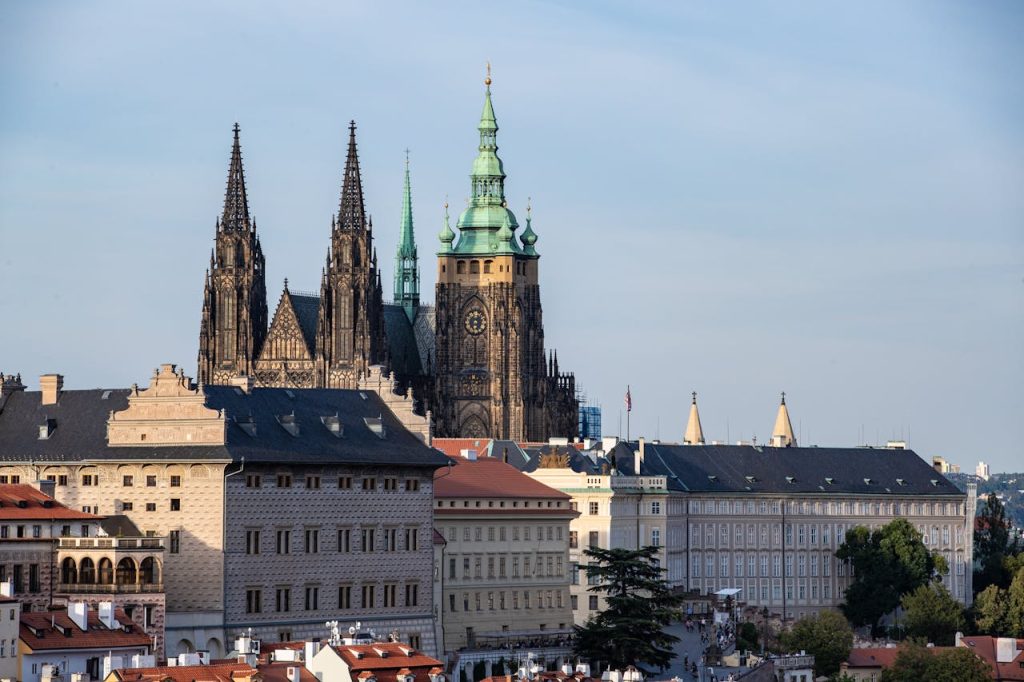
Europe’s great cities can feel like living postcards, with river light on stone, tiled roofs, and café streets that seem to belong to another century. The beauty is real, but so is the friction that comes with fame, tight lanes, long queues, and transit nodes that funnel thousands of people through the same doors from dawn to late night.
Crowds create cover for petty theft, and a single missing phone can take tickets, maps, and payments with it, all at once.
Heat, downpours, strikes, and simple timing glitches can amplify small problems. The smooth trips come from pairing wonder with quiet, consistent habits.
Barcelona, Spain
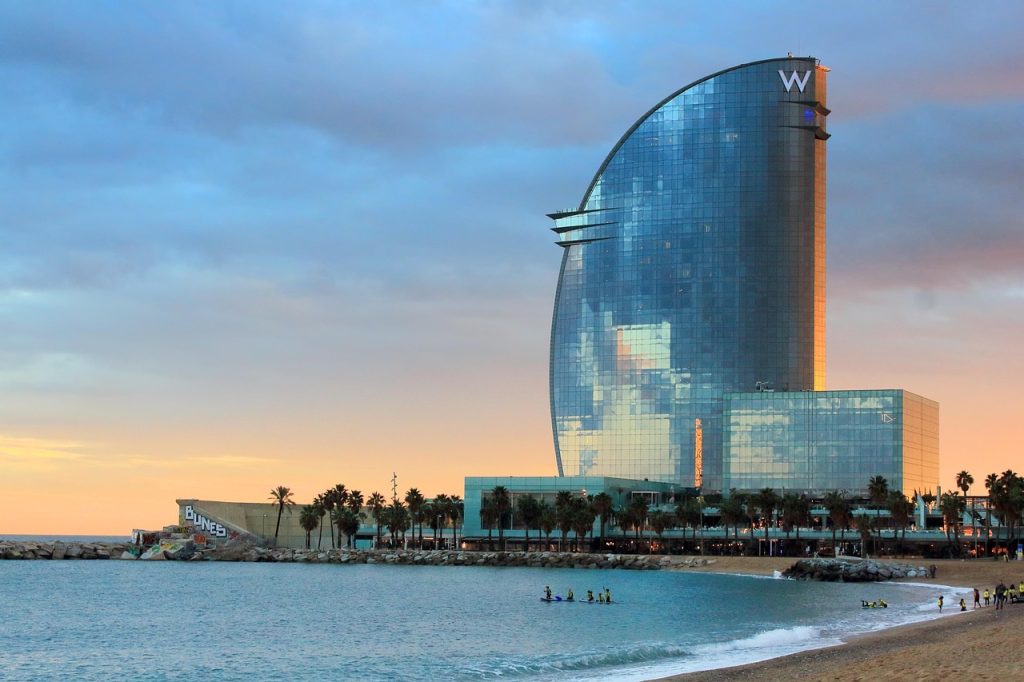
Barcelona feels effortless: modernist blocks, markets that spill into sidewalks, and sea light that makes even a short walk look like a postcard. That ease is exactly why crowds pack the same corridors all day, from busy metro transfers to the magnet streets near major sights and stadium events.
Pickpocketing and quick phone snatches are a common tourist complaint in the densest zones, especially when someone bumps, asks a question, or creates a small distraction.
The trip rarely breaks in one moment. It breaks in the hours lost to resets, blocked cards, replacement tickets, and waiting for access to accounts again.
Paris, France
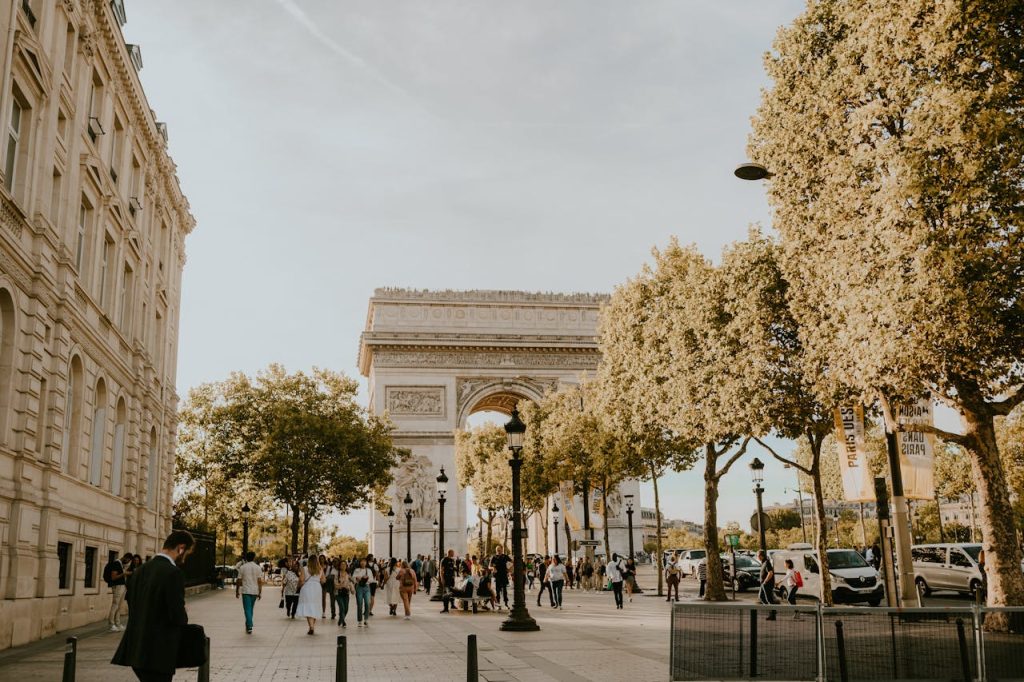
Paris stays beautiful in almost any weather: river walks, museum courtyards, and neighborhoods that reward slow detours. The same fame that draws people in also creates tight clusters at transit gates, landmark approaches, and café-lined sidewalks where attention drifts.
Crowd-based theft is a persistent issue in tourist hot spots, and short-notice strikes or demonstrations can complicate metro lines, airport links, and cross-city timing.
Most problems are practical, not dramatic. A delayed route or a missing phone can turn timed entries and dinner plans into cancellations, reroutes, and long help-line calls.
Rome, Italy
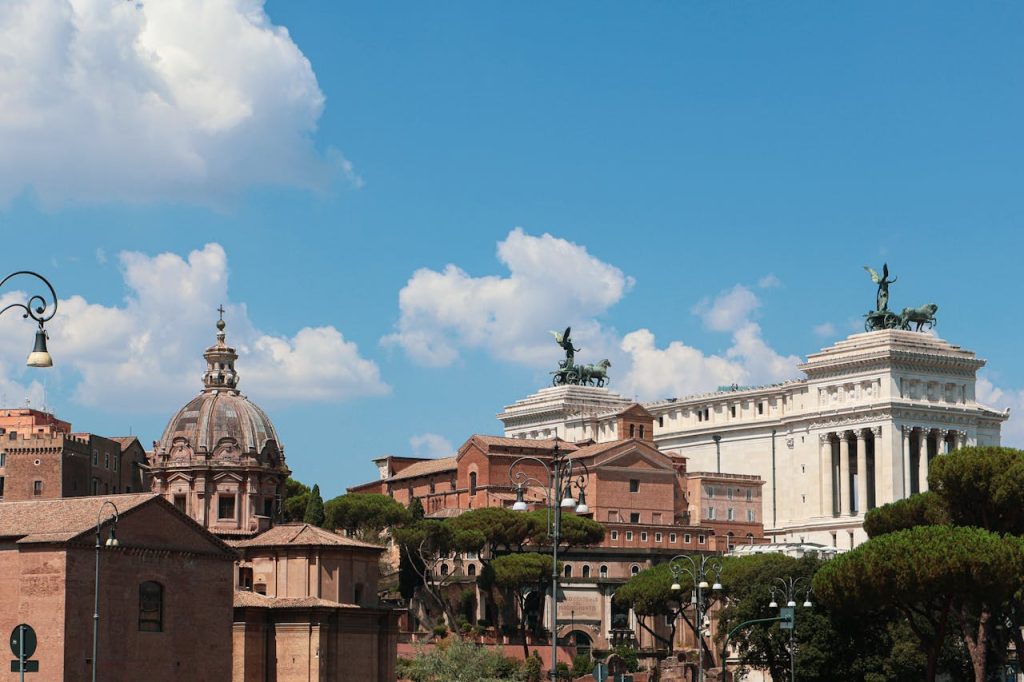
Rome is built for wandering, where a side street opens into a piazza and a quick errand becomes a history lesson. That constant flow means packed buses, long attraction queues, and major stations that stay crowded from morning to late evening, especially in peak season.
Petty theft tends to follow predictable patterns in these pinch points, including bag snatches and pocketing in tight spaces where people jostle and stop for photos.
The real cost is momentum. Replacing cards, filing reports, and rebuilding access to bookings can consume the same hours that were meant for churches, fountains, and long lunches.
Venice, Italy
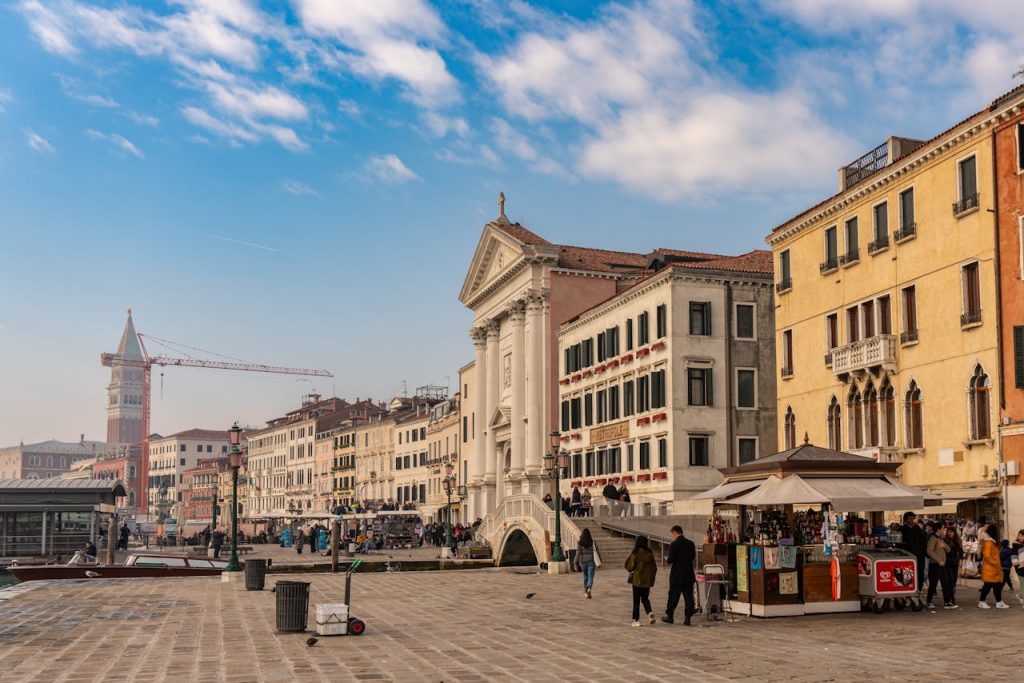
Venice looks unreal, with waterlight on stone and alleys that fold into quiet courtyards, but the city is physically small. When visitor numbers spike, movement funnels into a few bridges and lanes, and the pressure shows up as slow lines, packed vaporetto stops, and crowded squares.
Overtourism management rules can add extra steps on peak dates, and basic errands can take longer than expected when routes bottleneck quickly.
High water episodes add friction. Slick steps, raised walkways, and damp chill can turn a dreamy evening into a careful shuffle, especially with bags and tight train connections.
Amsterdam, Netherlands
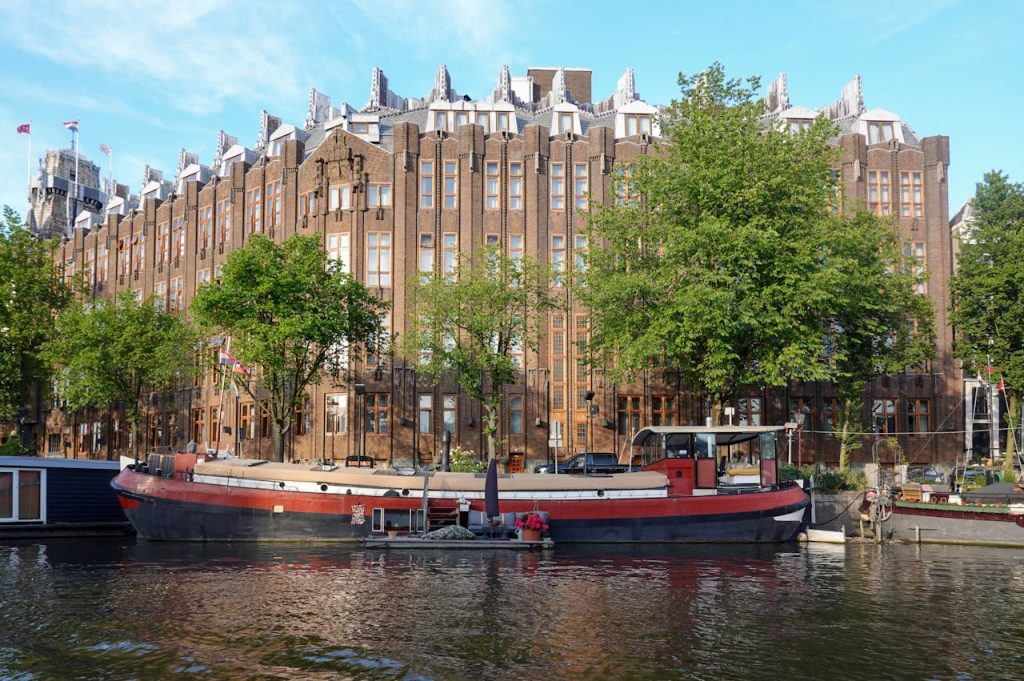
Amsterdam’s canals and gabled houses look calm, yet the street rhythm is fast: bikes, trams, and pedestrians sharing narrow space. Visitors who pause for photos near tracks or drift into cycle lanes can trigger sudden near-misses, especially around stations, bridges, and nightlife streets at closing time.
Petty theft also concentrates where crowds compress, including transit hubs, busy plazas, and café terraces where phones sit on tables.
Small slips can stack up. A minor tumble, a lost device, or a stolen bag can erase hours through repairs, paperwork, and rebooking, even when the city itself stays easy to love.
Prague, Czechia
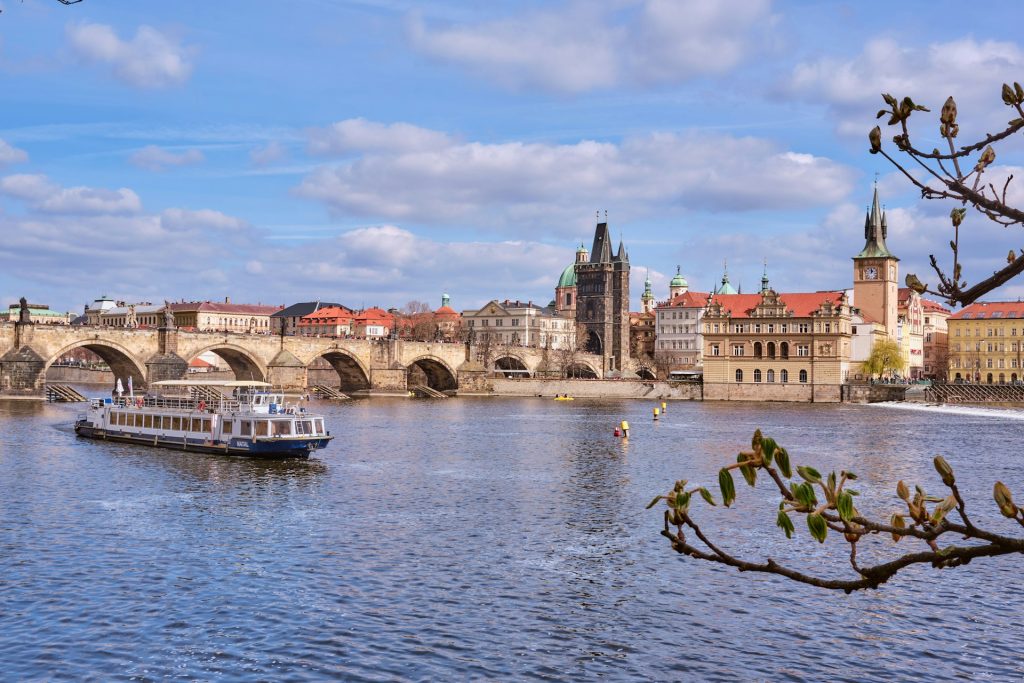
Prague’s skyline feels like a fairy tale, with towers over the river and cobblestones that glow at sunrise. The charm draws heavy foot traffic into Old Town lanes, bridge crossings, and tram routes to major sights, and those tight corridors make it easier for quick hands to work unnoticed.
Pickpocketing is a frequent traveler warning in the busiest tourist areas and on crowded public transport, especially when people stop to watch performers or check maps.
The quieter risk is money confusion. A rushed exchange or an overpriced ride can drain a budget without drama, leaving the day shaped by receipts and regret.
Athens, Greece
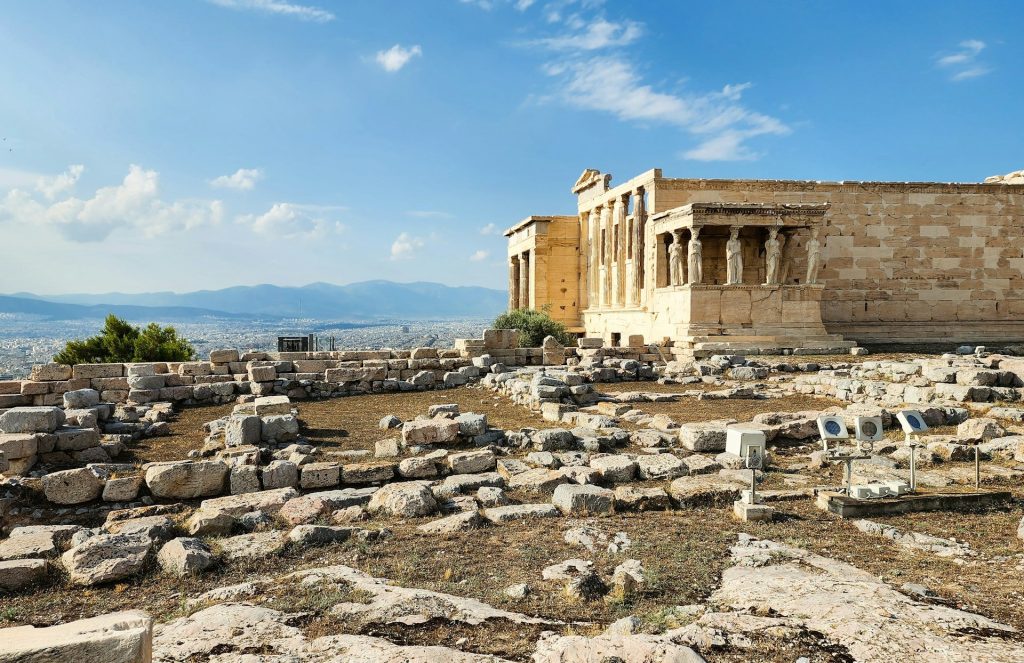
Athens holds ancient stone above a modern city that runs late, with rooftop views and museum halls that can fill a full day. The main friction comes when crowds, heat, and schedule shifts collide around central squares, metro stations, and key landmarks where people cluster and move in waves.
Petty theft can rise in dense tourist zones, and demonstrations or transit disruptions may change routes and timing with limited notice.
Summer adds another layer. High temperatures and occasional smoke conditions in the wider region can complicate day trips, making pacing and flexible planning more valuable than ambition.
Naples, Italy
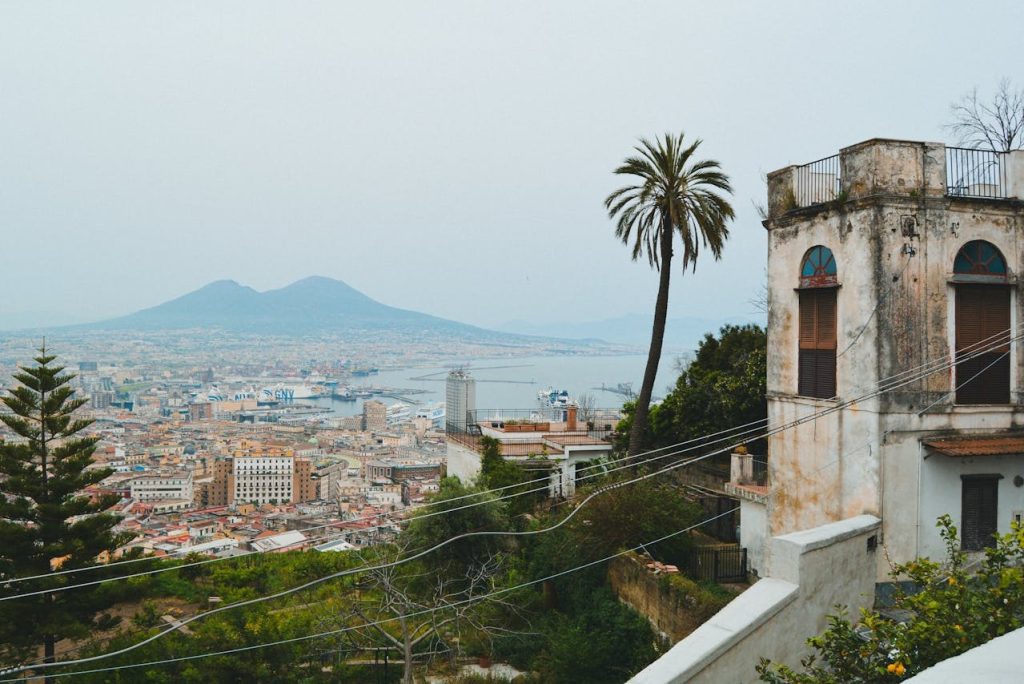
Naples is intensity with a view: street food, layered neighborhoods, and a bay that makes ordinary streets look cinematic. The same energy creates busy station approaches, packed commuter lines for popular day trips, and street crossings where traffic feels improvised and fast.
Petty theft is a common concern in crowded areas, and distraction moments can happen when hands are full of tickets, bags, or a phone used for navigation.
The city rarely feels unwelcoming, but it can feel unforgiving of mistakes. A lost device or missing wallet can flip a day into damage control, especially on tight rail and ferry schedules.