The 8 Night Markets Noisy With Fake Goods and Fights
International travel security consultants and trade investigators often highlight specific urban zones where commerce takes a chaotic turn. These night markets attract millions of visitors with the promise of cultural immersion and bargain prices but frequently deliver high-stress environments. Experts in intellectual property rights note that these locations serve as major hubs for the distribution of counterfeit goods which often leads to legal and safety complications for unsuspecting shoppers.
Law enforcement officials and local tourism boards frequently monitor these districts due to reports of aggressive sales tactics and physical altercations. The combination of dense crowds and high-pressure negotiations creates a volatile atmosphere where disputes over pricing or quality can quickly escalate. Understanding the risks associated with these famous yet problematic markets helps travelers navigate global destinations with greater awareness and safety.
Patpong Night Market In Bangkok
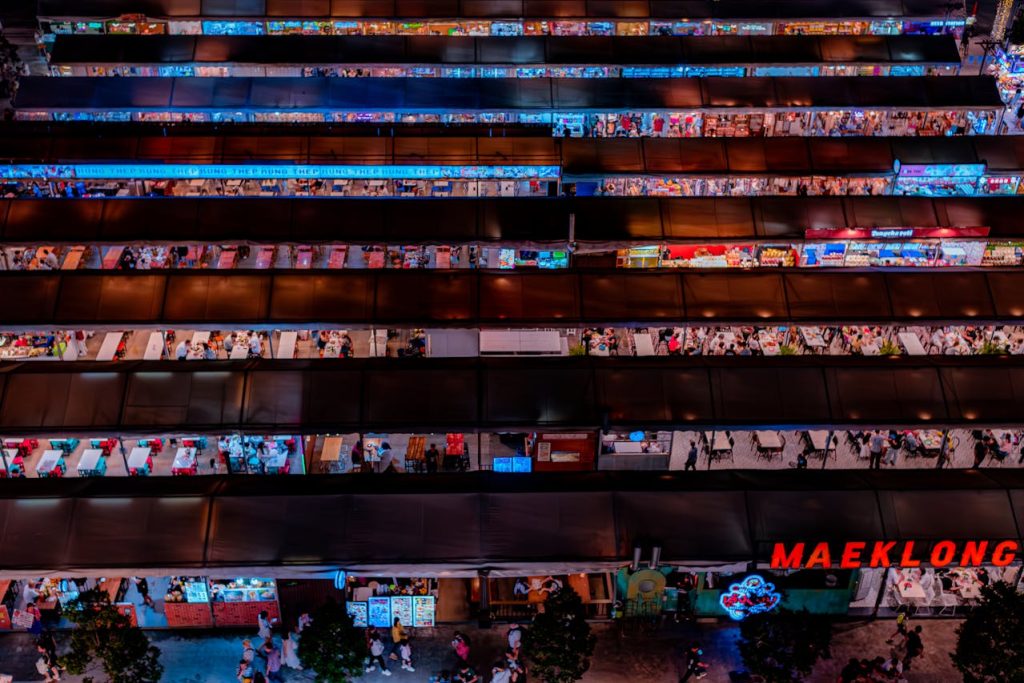
Travel security specialists categorize this market as a high-risk area for financial disputes. The district operates as a hub for imitation luxury watches and designer apparel that often lack the quality suggested by their appearance. Tourists frequently encounter aggressive touts who use high-pressure methods to draw crowds into nearby establishments where hidden fees are common.
Conflict often arises when visitors feel misled about the cost of services or the quality of goods. Security analysts report that the proximity of the market to adult entertainment venues adds a layer of complexity and noise to the environment. Disagreements over bills frequently result in loud verbal confrontations on the street which can occasionally escalate into more serious physical altercations.
Petaling Street In Kuala Lumpur
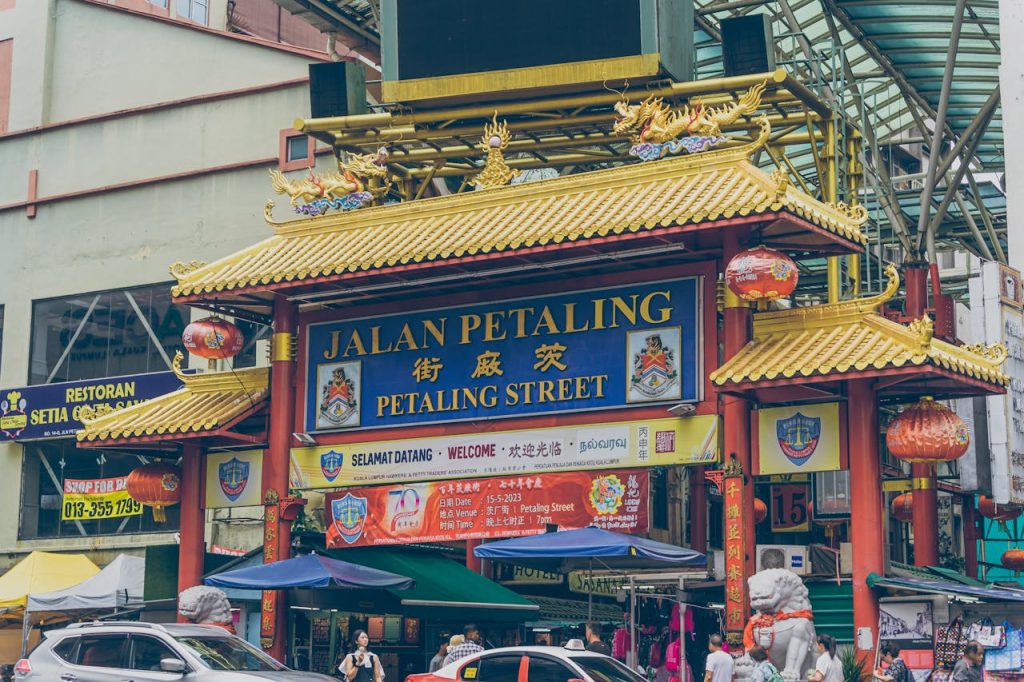
Trade experts and intellectual property lawyers identify this bustling street as a primary location for the sale of illicit brand reproductions. The narrow lanes are packed with stalls selling everything from fake sneakers to unauthorized electronics under a permanent green awning. The sheer volume of people creates a constant roar of noise that can be disorienting for many visitors.
Local authorities often note that the competitive nature of the vendors leads to intense shouting matches over customer attention. Tensions sometimes boil over when buyers realize the goods are of inferior quality after a transaction is complete. These interactions contribute to a reputation for rowdiness that persists throughout the evening hours as the market reaches peak capacity.
Ladies Market In Hong Kong
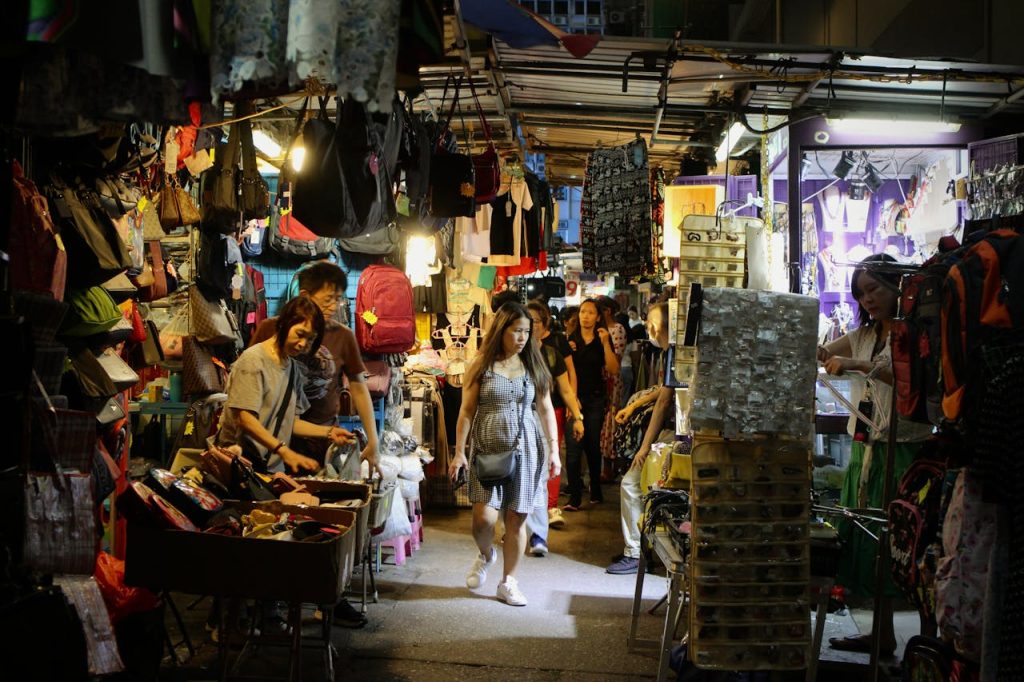
Retail analysts observe that this kilometer-long stretch of Tung Choi Street is one of the most crowded shopping environments in the world. The market is famous for knockoff bags and accessories that mimic high-end fashion houses with surprising detail. The density of the metal stalls and the constant flow of pedestrians create a high-decibel environment that many find overwhelming.
Public safety experts point out that the cramped conditions often lead to accidental physical contact and subsequent arguments between shoppers. Vendors maintain a persistent attitude and can become frustrated if a lengthy negotiation does not result in a sale. This high-pressure atmosphere makes the market a place where noise and tempers frequently flare as the night progresses.
Temple Street Night Market In Hong Kong
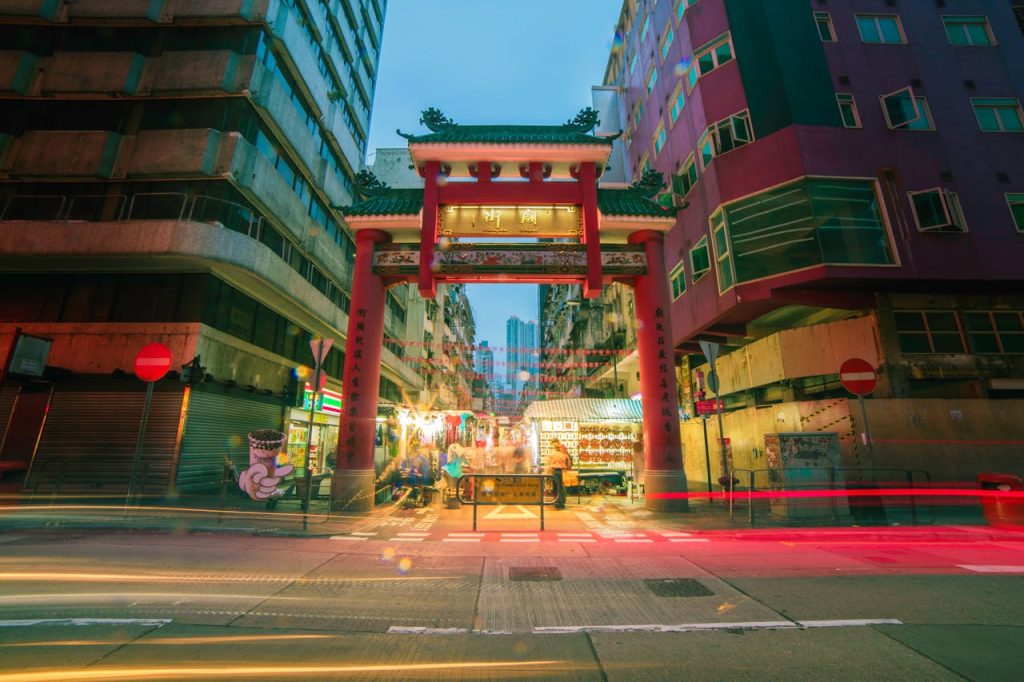
Cultural anthropologists and city planners describe this market as a site where traditional street life meets modern commercialism. The area is filled with fortune tellers and opera singers whose performances add to the general clamor of the evening. Investigators focusing on trademark infringement often find vast quantities of imitation electronics and watches in these brightly lit stalls.
Travel guides suggest that the gritty nature of the market can lead to more aggressive interactions than those found in standard shopping malls. Touts for the numerous seafood restaurants along the street often engage in loud competition for diners which adds to the chaotic atmosphere. These factors create an environment where verbal disputes over space and pricing are relatively common among the dense crowds.
Khao San Road In Bangkok
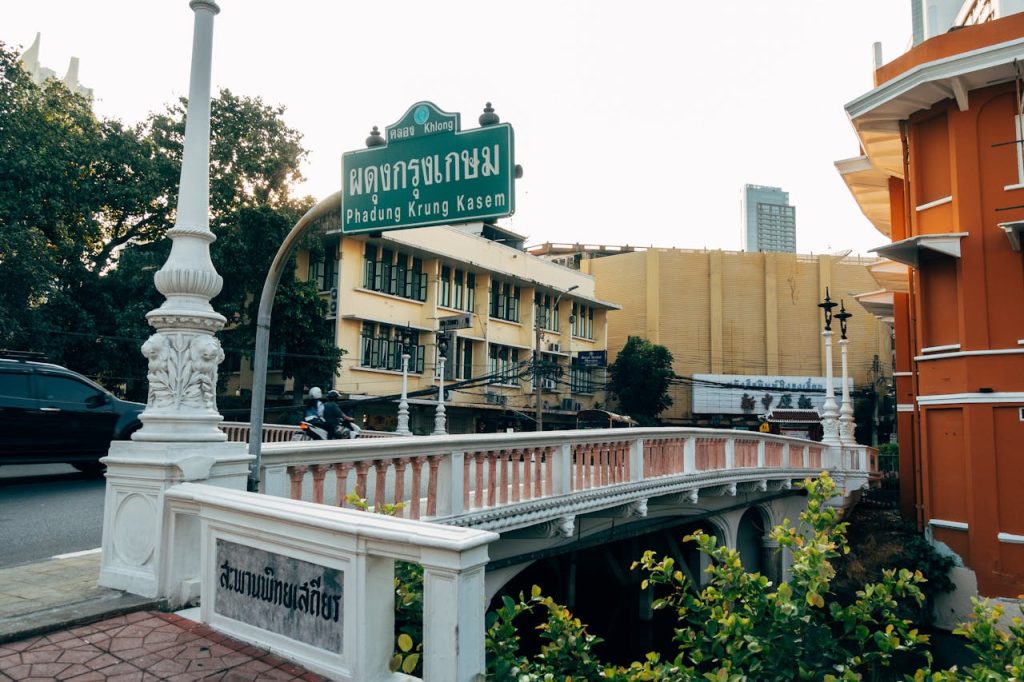
Public safety officials and law enforcement officers identify this world-famous backpacker hub as a significant area for disturbances. While primarily known for its nightlife the street also features many stalls selling counterfeit identification documents and branded clothing. The combination of loud music from competing bars and a high density of tourists results in extreme noise levels that last until dawn.
Security experts warn that the presence of cheap alcohol often leads to physical fights and rowdy behavior in the middle of the street. The area becomes a site of chaos during the late night hours as crowds overflow from the sidewalks and mix with the market stalls. The aggressive selling of tours and merchandise further contributes to the overall sense of instability and noise that characterizes the district.
Ben Thanh Night Market In Ho Chi Minh City
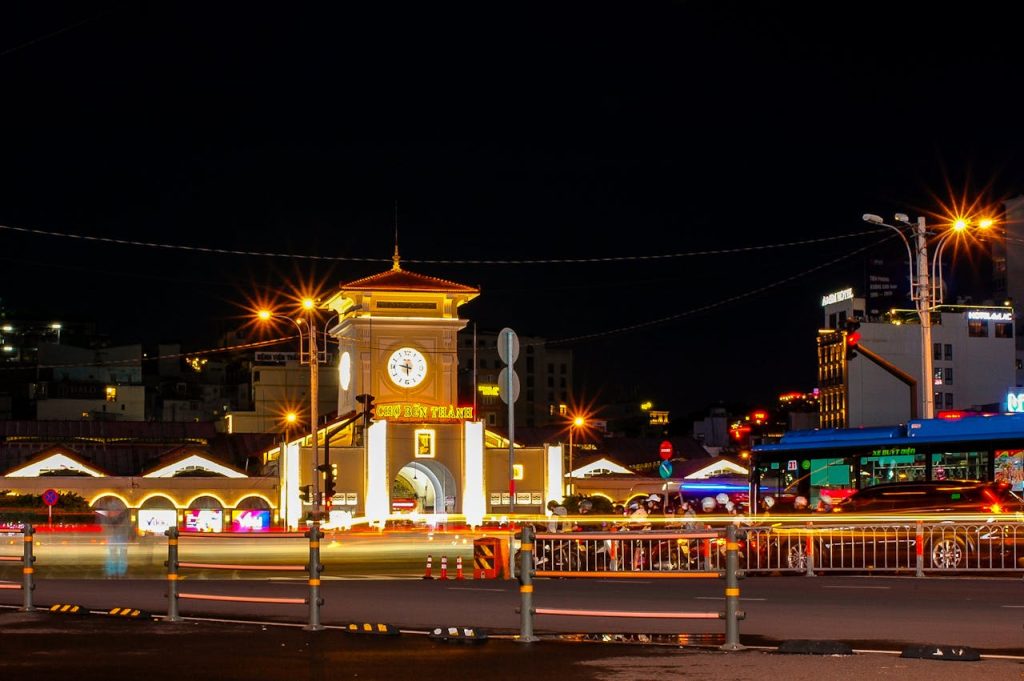
Consumer advocacy groups and trade officials frequently monitor this market for the distribution of low-quality imitations of international clothing brands. The sellers are particularly known for their forceful approach to capturing the interest of foreigners as they walk through the narrow aisles. This results in a market floor that is filled with the sounds of shouting and constant negotiation.
Tensions often rise when tourists attempt to haggle for prices that vendors consider too low for their goods. Experts in local hospitality note that these interactions can turn into heated exchanges that draw the attention of the entire street. The physical layout of the market during the night hours makes it difficult for visitors to exit quickly which adds to the potential for conflict during peak times.
Jemaa el-Fnaa In Marrakech
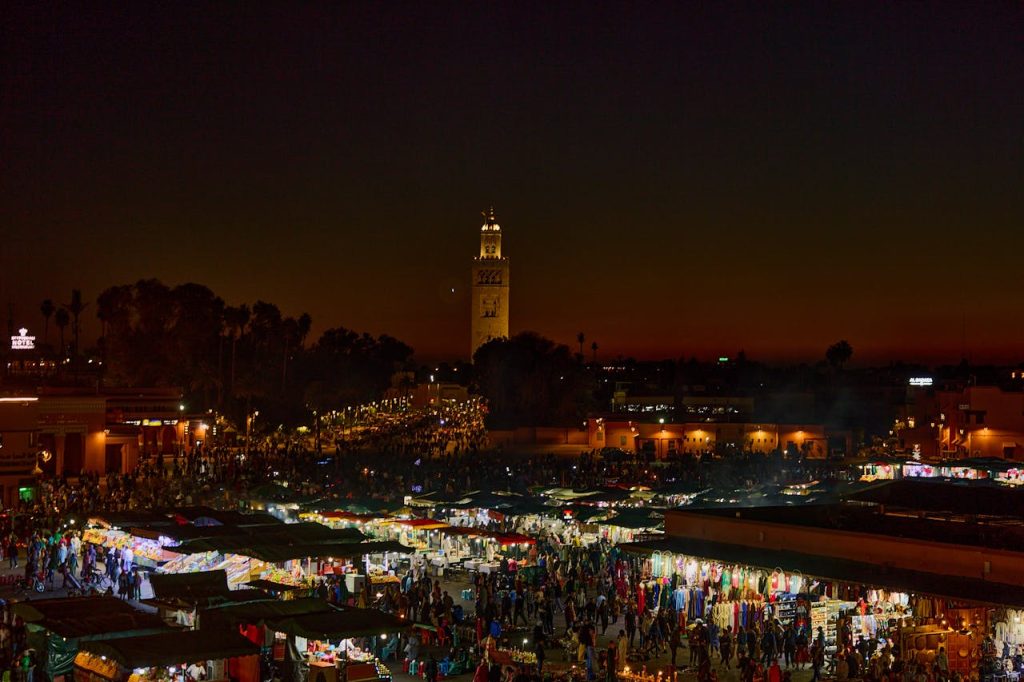
Global safety consultants and cultural heritage experts recognize the historic significance of this square but warn about the aggressive nature of its commerce. The sounds of drums and the calls of snake charmers fill the air throughout the day and night. Vendors on the periphery sell mass-produced imitations of traditional Moroccan crafts that experts say are often manufactured elsewhere.
Conflict frequently erupts when vendors pressure visitors into paying for unsolicited services or performances. Security reports highlight incidents where tourists find themselves surrounded by aggressive performers demanding high fees for photos. These situations often lead to loud arguments and intimidating demands for money that can disrupt the experience for those seeking a peaceful visit.
Tepito Market In Mexico City
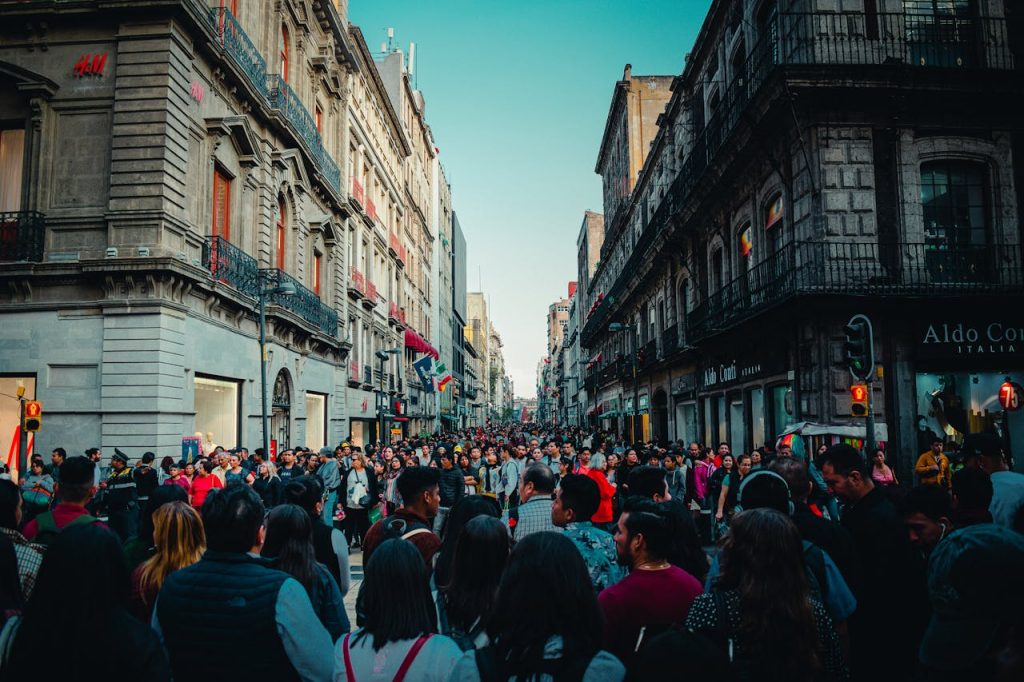
Security analysts and international trade investigators classify the Tepito district as an area where illicit trade often challenges the local rule of law. Known as the Barrio Bravo the market is the primary center for the distribution of pirated media and counterfeit apparel in the region. Extreme noise and a sense of constant activity characterize the atmosphere as thousands of people move through the stalls.
Experts in urban safety emphasize that the market is prone to sudden outbreaks of violence and disputes between rival commercial factions. The presence of fake goods is so pervasive that it forms the backbone of the local economy which leads to fierce protectionism of the stalls. Experts advise pedestrians to remain vigilant as the high-tension environment can change rapidly and result in dangerous confrontations.