The 8 Segway Tours Clunky in Cobblestone Crashes
Segway tours promise a simple glide past landmarks, yet cobblestone cities were designed for feet and patience. Uneven stone, tight corners, and surprise curbs force constant micro-corrections, so guides slow down, stop often, and keep the group tight just to avoid blocking lanes meant for two people, not twelve.
Add rain or polished pavement, and the device can feel bulky even when everyone behaves well. In the places below, the beauty is real, but the street texture and local rules often push tours toward parks, promenades, and wide viewpoints, leaving the oldest lanes to walkers and the quiet details that show up at a slower pace.
Prague’s Historic Core

Prague’s Old Town looks made for effortless sightseeing until the cobbles tighten and the sidewalks pinch into bottlenecks. Wheels chatter over uneven stone and seams near crossings, and the ride turns into careful spacing around strollers, street performers, and tram corridors where a quick stop can ripple into a jam. At peak hours, a gentle turn feels negotiated.
The bigger issue is that much of the historic center is simply off-limits. Prague introduced a Segway ban in summer 2017, and the Czech Constitutional Court later upheld it, so many operators steer groups to parks and wider viewpoints instead.
Barcelona’s Ciutat Vella
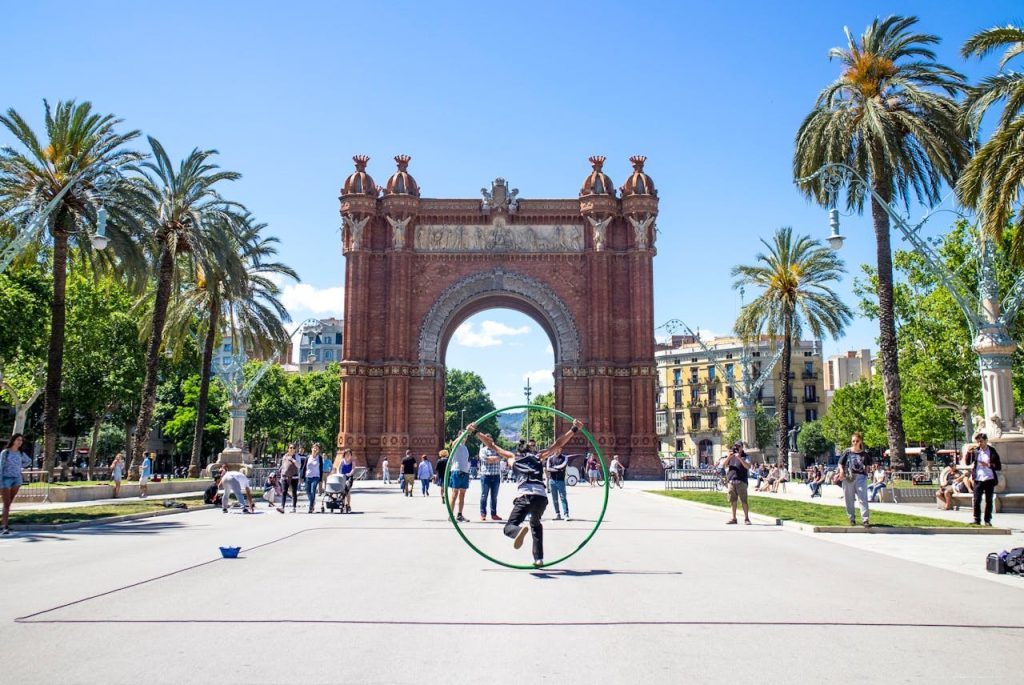
Barcelona can feel smooth along open paths, but Ciutat Vella compresses into stone-paved corridors where a rolling group looks oversized. Outdoor seating, delivery carts, and sudden pinch points force a stop-and-start rhythm, because passing room disappears without warning. The nicest alleys are often the tightest, so the tour becomes more about courtesy than speed.
City policy followed that street logic. In Aug. 2017, Barcelona City Hall banned Segways and similar tourist devices from the Ciutat Vella historic quarter, and reporting noted restrictions also reached the Old City and parts of the seafront.
Lisbon’s Calçada Hills
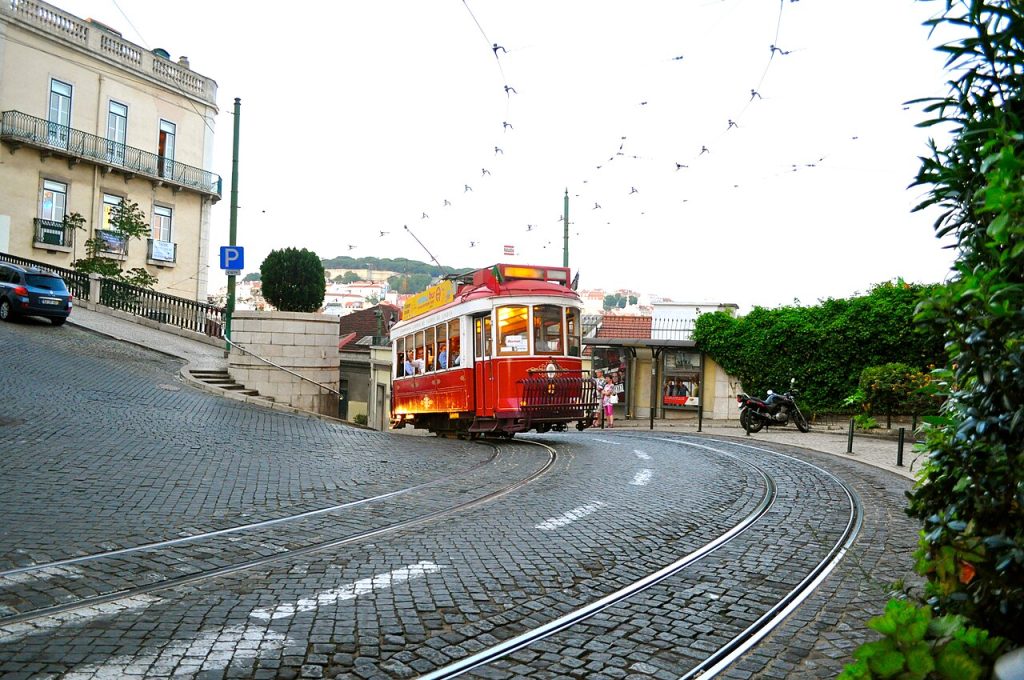
Lisbon’s calçada portuguesa reads like street art, but the small limestone stones sit on hills that never stop testing balance. On steep lanes in older neighborhoods, the surface dips and tilts, so the ride becomes tiny corrections and cautious braking. When crowds cluster at a viewpoint, there is rarely a shoulder to pull onto, so regrouping can feel awkward.
Several travel sources warn that calçada can be slippery when wet, especially where wear has polished the stone smooth. That is why many wheeled tours favor flatter avenues and overlook loops, leaving the most atmospheric lanes to walkers.
Dubrovnik’s Shining Stradun
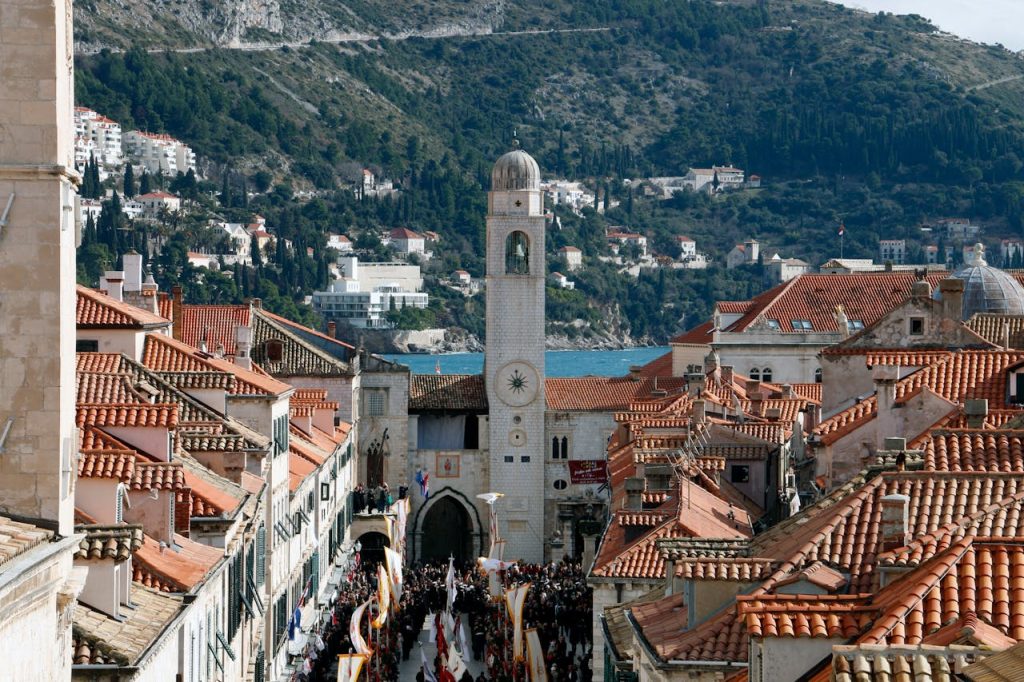
Dubrovnik’s Old Town glows with pale limestone, and the Stradun can look smooth enough to glide. In practice, polished stone and dense foot traffic shrink the margin for error, especially near gates and steps where the grade changes fast. After sea mist or a quick shower, riders often feel the surface turn uncertain in patches.
Local reporting describes workers roughing up the busiest streets and steps to improve grip before the season, because the shining stone can be slippery when wet. That same reality pushes many operators toward outer promenades and flatter approaches where pauses do not clog the core.
Bruges’ Canals and Bridges
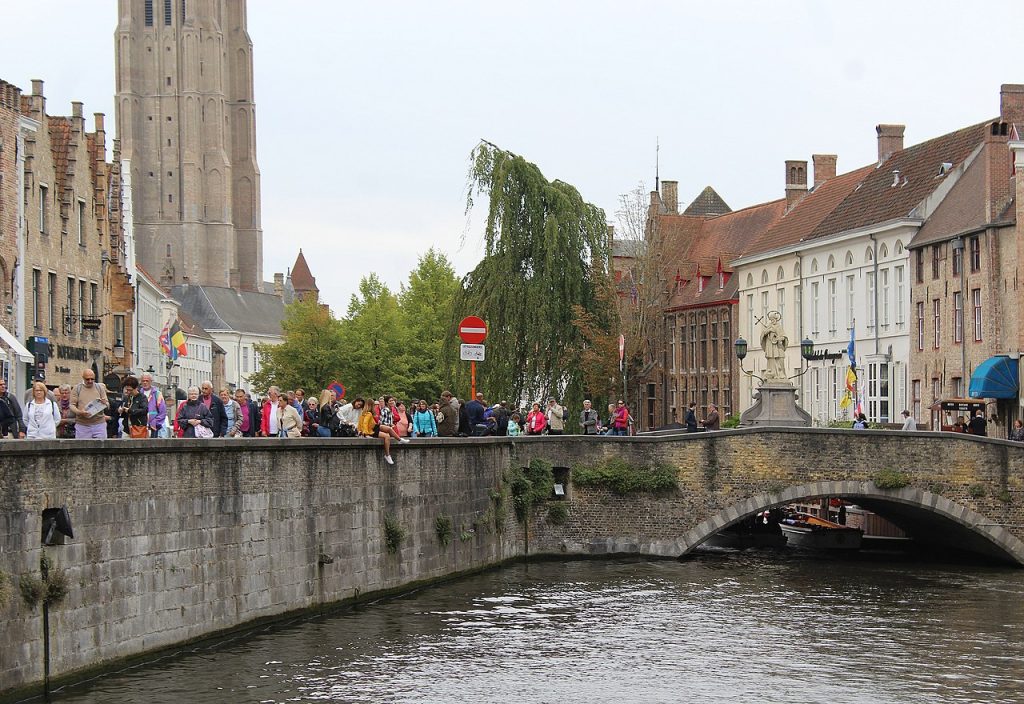
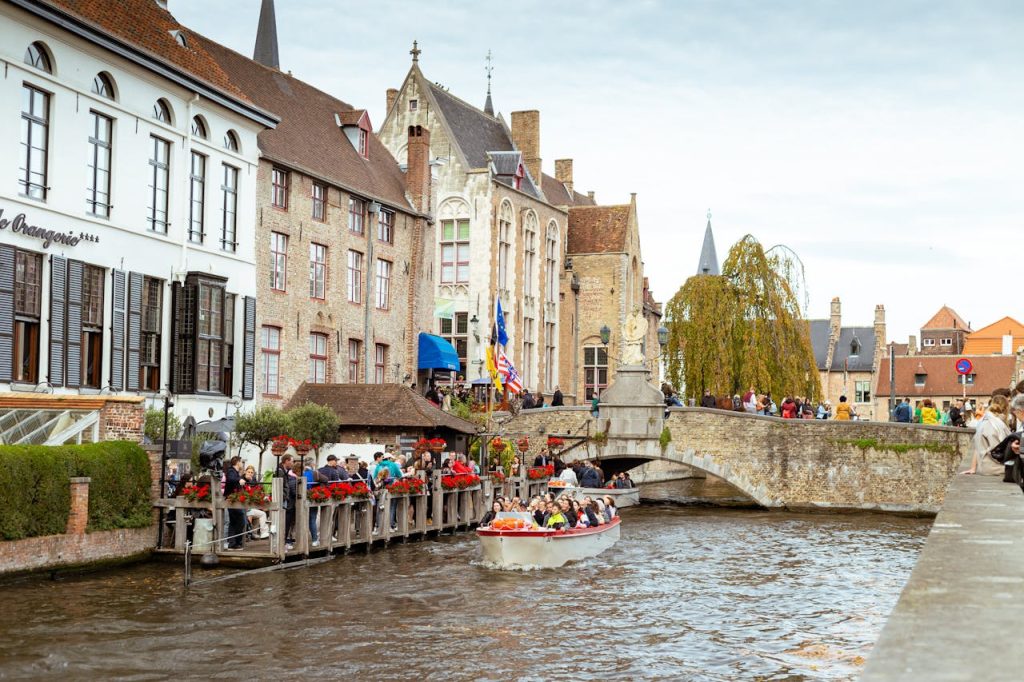
Bruges feels gentle, but the ground is rarely calm under wheels. Cobblestones thump through the platform, and small canal bridges add quick rises that force braking right where crowds like to gather. Tight bridge entries and curb stones keep the group moving in short bursts, then stopping again, because photo pauses can freeze a lane in seconds.
National Geographic highlights the city’s historic canals and stone bridges, the same features that make momentum hard to keep. A Segway tour can work here, but it tends to feel clunky, with guides constantly hunting for pull-offs that do not block pedestrians.
Old Québec’s Petit-Champlain
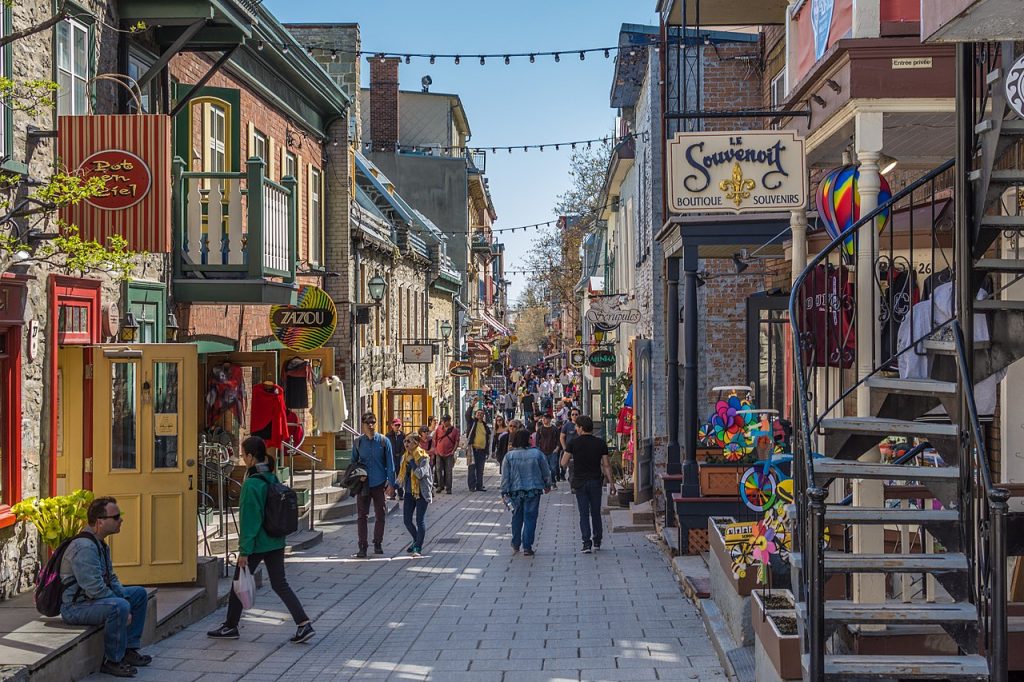
Old Québec’s lower town funnels visitors into Petit-Champlain, where cobblestones and quick grade shifts leave less room for a rolling group with no shoulder for regrouping. The ride becomes short bursts followed by pauses, because someone always needs to reset at a corner or wait for pedestrians to pass. In winter, meltwater and grit can make the stone feel less consistent.
Visit Québec City calls Petit-Champlain a fairytale area known for cobblestone streets, which captures both the charm and the constraint. Many tours drift to wider terraces and lookout loops when the lane is busy, saving the tight street for walking.
Tallinn’s Medieval Old Town
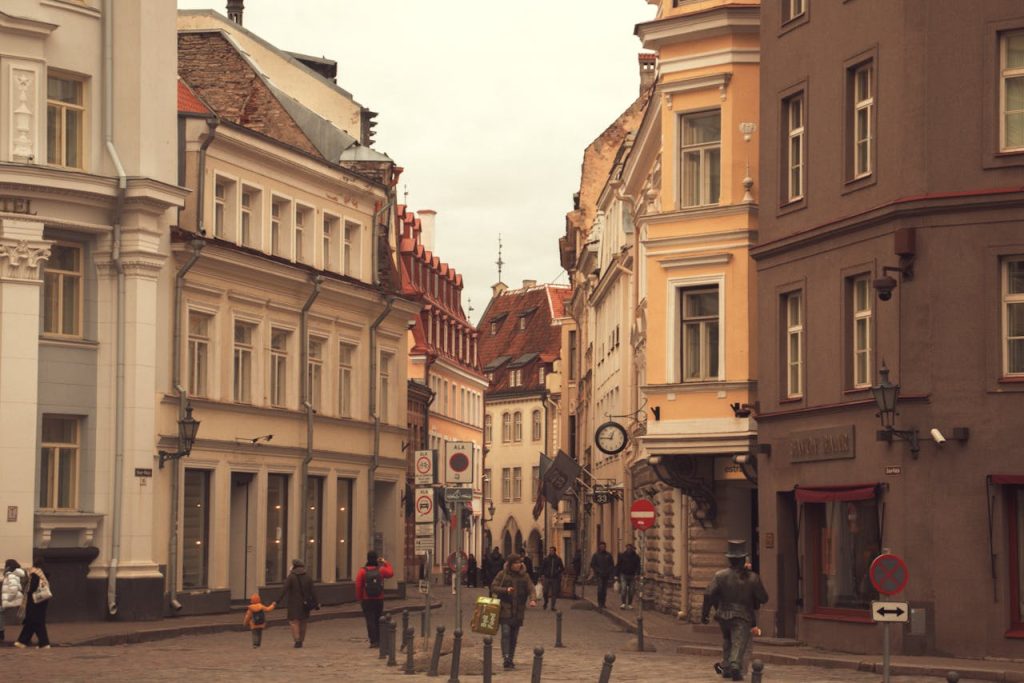
Tallinn’s Old Town keeps a medieval street plan, so the cobbles rise and dip in ways that reward slow walking, not coasting. Lanes pinch near corners, small slopes appear between squares, and wet weather can make the stone feel unpredictable under tires. Guides tend to slow the group into careful pulses on busy afternoons to avoid bunching at gates and café turns.
Visit Estonia describes Tallinn’s Old Town as an authentic medieval city space with cobblestone streets and old walls. That texture is the point, but it also means Segway routes work best on broader squares and calmer edges where stops stay unobtrusive.
Edinburgh’s Royal Mile

Edinburgh’s Old Town is steep and irregular, with cobbled closes branching off the Royal Mile and curbs that appear without warning. A segment can feel crowded, especially during festival season, and safe pull-off spots are rare once pedestrian flow thickens. The tour moves in cautious bursts, because turning space vanishes near steps, corners, and tight pinch points.
Law adds another constraint. UK government guidance says it is an offence to use powered transporters on pavements, with limited legal exceptions. That pushes Segway-style rides toward private land and controlled routes rather than the historic core.