The 9 Underground Caves Prone to Collapsing on Adventurers
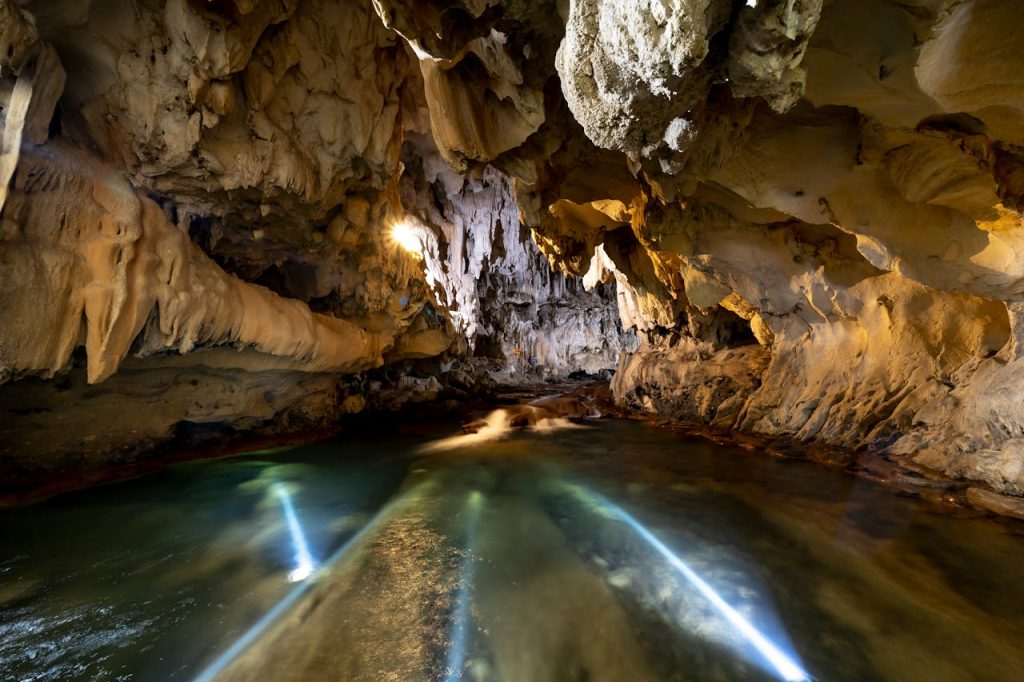
Caves offer cool air and ancient quiet, but the ground under them is still in motion. Water loosens clay, freeze-thaw widens cracks, and breakdown piles shift when traffic repeats the same line. Even a stable-looking chamber can be stressed by temperature swings near entrances.
Good managers respond with surveys, seasonal closures, and blunt signage when ceilings start shedding or passages tighten. The caves below have records of rockfall incidents, unstable openings, or ice features known to change fast in warm spells. A cautious pace, wide spacing, and respect for closures keep the story focused on wonder, not uncertainty.
Lost Fossil Cave, New Mexico
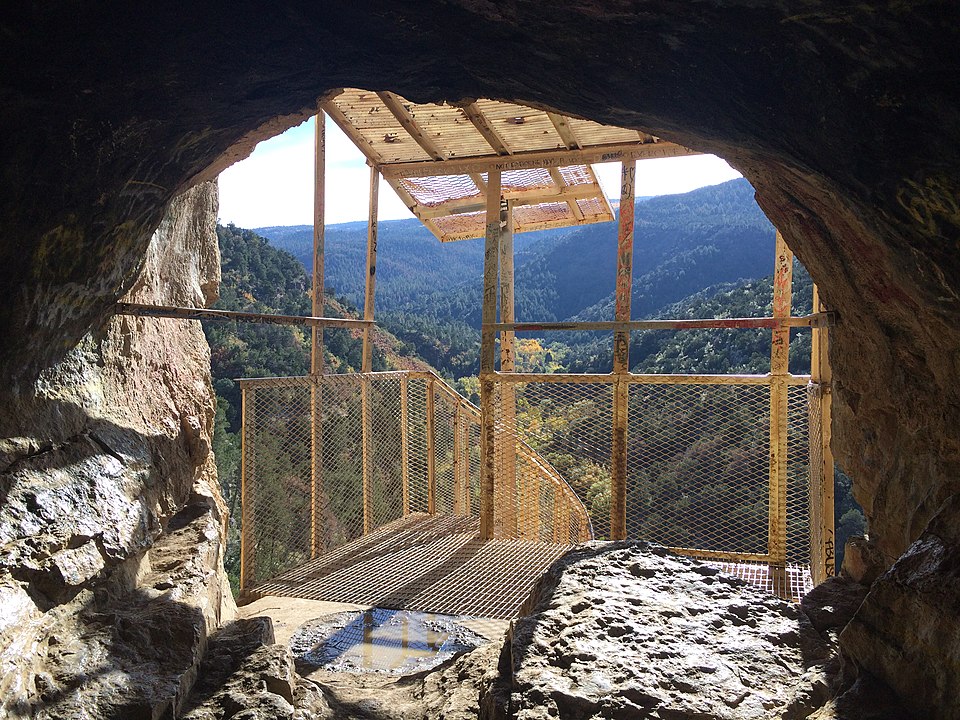
Lost Fossil Cave is known in incident reporting for an entrance collapse that blocked the exit and required outside help. That detail matters because entrances live in the most active zone, where runoff, erosion, and temperature swings work the rock daily.
Fresh rubble, new cracks, or a noticeably tighter opening are treated as real-time information, not background noise. Seasoned parties avoid crowding the lip, keep movement light at the threshold, and choose stable ground for regrouping. After storms, they swap goals rather than squeeze through a changing doorway just to keep a schedule intact, especially in spring runoff.
Narrows Cave, Colorado
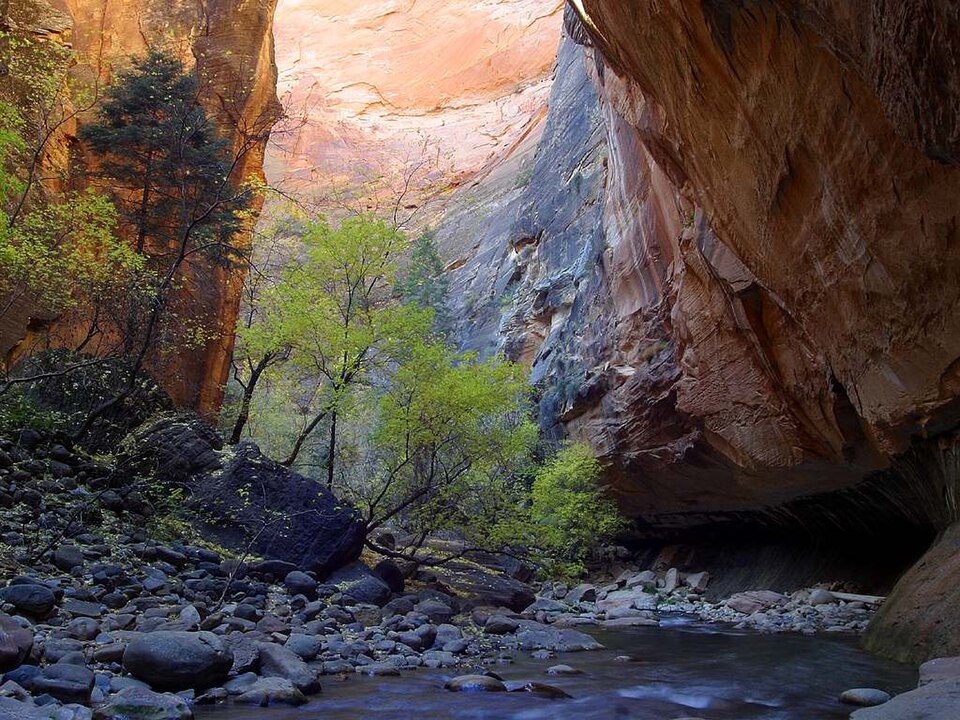
Narrows Cave is linked in accident summaries to a passage collapse in a tight section where movement is already constrained. In narrow crawls, a small shift can turn a simple route into a blocked corridor, especially where fractured bedding hangs low overhead. Once a crawl tightens, turning around can become the hardest part.
These zones reward patience and spacing. Teams move one at a time, keep waiting parties in wider rooms, and set turnaround points before the ceiling forces decisions. If dust looks fresh, rocks feel newly undercut, or the crawl sounds hollow, the call is to back out while options are still wide and calm.
Talucah Cave, Alabama
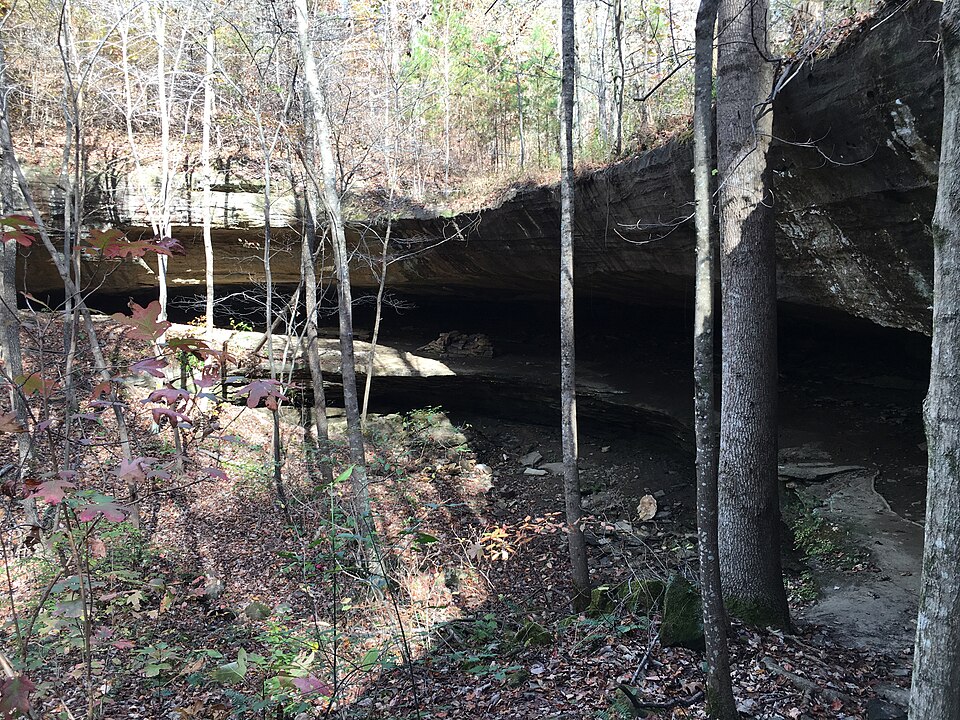
Talucah Cave appears in caving incident reporting because falling rock struck a participant during a haul from a pit at a training event. Vertical terrain concentrates hazard above, and hauling systems can unintentionally place people beneath loose lips and debris funnels. Even a careful rope line cannot steady loose stone.
Strong crews manage this with discipline rather than bravado. Helmets stay on, staging areas sit away from edges, and only essential people remain near the rigging. When small stones start to fall, the fix is to pause, reset the line, and move the team to a safer stance instead of continuing under a shedding ceiling.
Empire Mine Cave, California
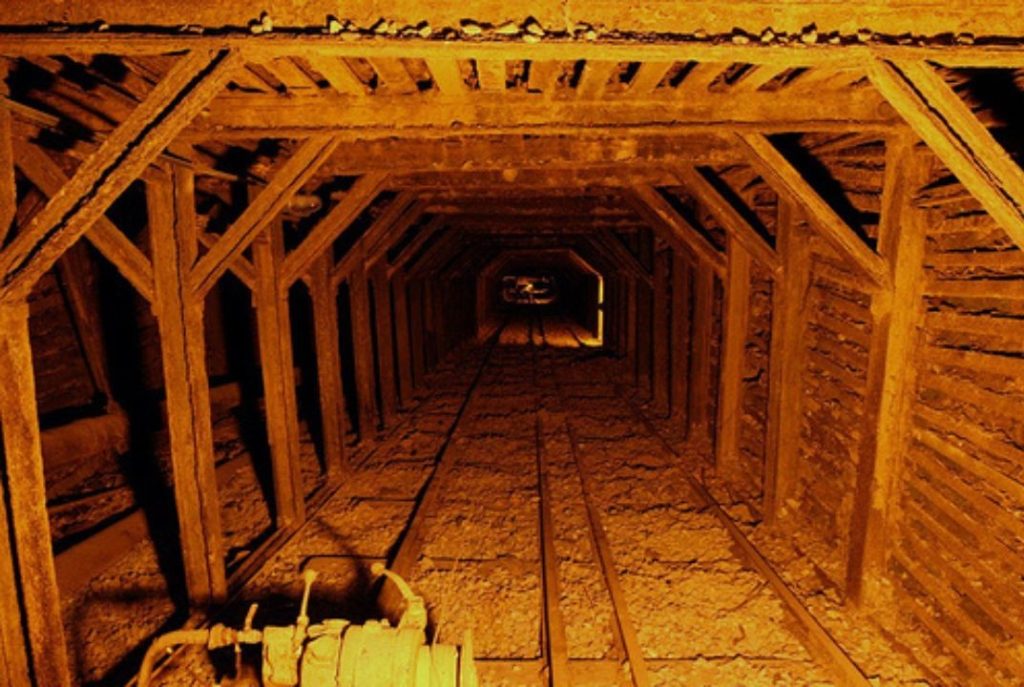
Empire Mine Cave is a reminder that underground voids tied to old workings can behave differently than classic limestone caves. Incident records describe a rockfall entrapment there that companions were able to resolve, showing how quickly disturbed ceilings can shed.
Old spans may be unsupported, and walls can be weakened by past blasting, moisture, and time over decades. Visual confidence is not the same as stability, especially where timbers, fill, and fractured rock meet. The smart rule is to respect closures, avoid abandoned mine openings, and favor managed caves where hazards are monitored and routes change with conditions.
Flowing Stone Cave, Georgia
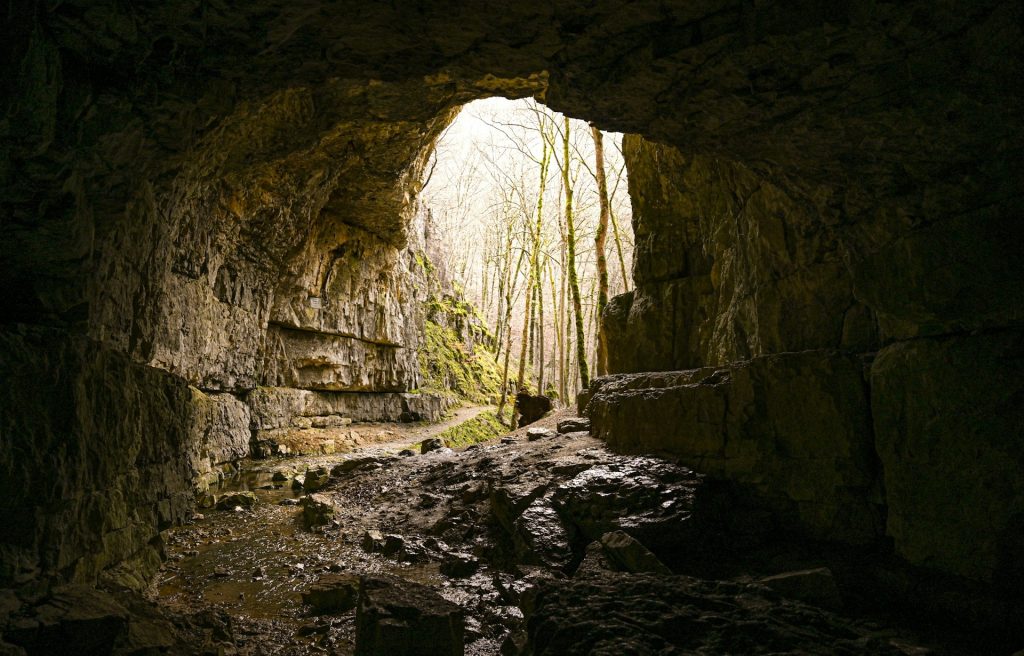
Flowing Stone Cave has been associated with a crawl collapse near the top of a pit, where shifting material above affected areas below. That stacked geometry matters because pits amplify consequences: what moves at the lip can drop into a waiting zone. One weak spot can stress a whole room.
Well-led groups keep spacing tight in the right way, with one person moving while others wait in sheltered spots. Staging areas are chosen well back from drop lines, and leaders avoid stacking people under low ceilings. Fresh dust, new fragments, or subtle shifting sounds are enough to turn the trip around early and keep the team calm.
Mammoth Cave, Kentucky
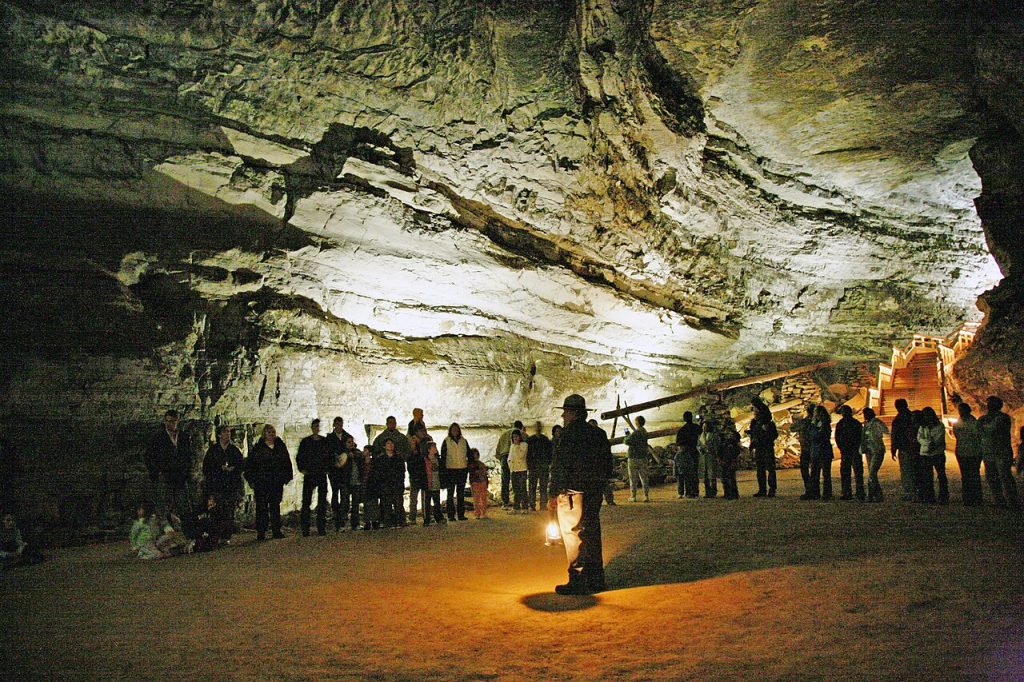
Mammoth Cave is heavily managed, yet park materials describe a major rockfall in the Rotunda in Jan. 1994, tied to frost wedging in a variable-temperature zone. It shows how even famous show caves can shed rock when outside air and cave air collide.
The response is what visitors rarely see: monitoring, rerouted traffic, and a willingness to close or adjust tours when conditions shift. Managed routes keep people on engineered paths rather than under suspect ceilings, and staff treat rockfall as a process, not an exception. That mindset is why regulated access is often safer than self-directed wandering, even in well-lit chambers.
Carlsbad Caverns, New Mexico
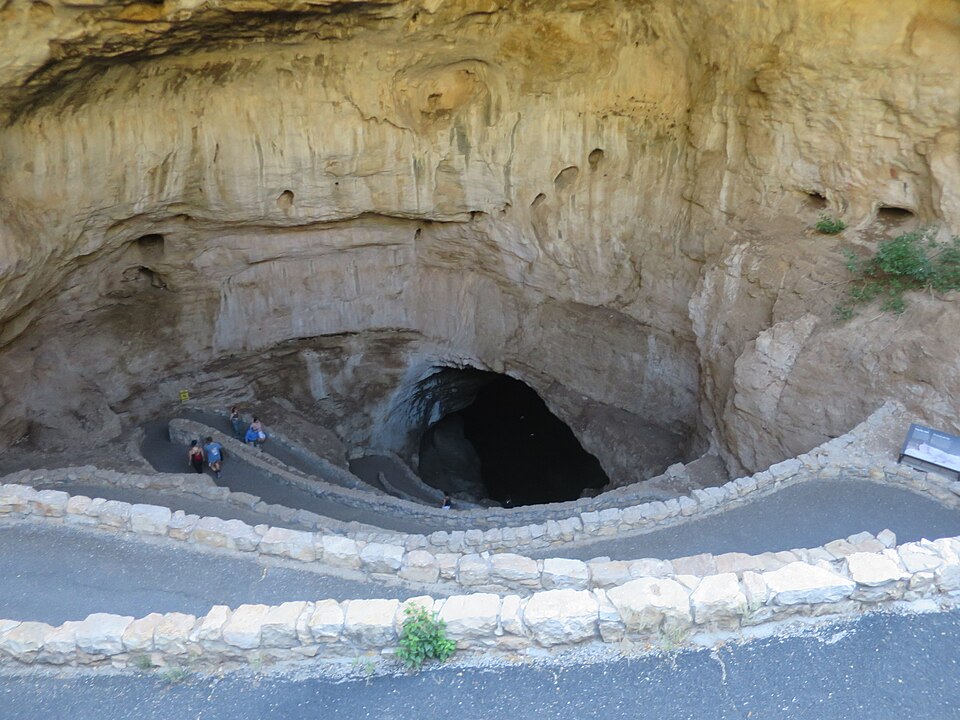
Carlsbad Caverns has documented rockfall history near Iceberg Rock, including a June 26, 2000 event that dropped enough material to nearly block the visitor trail. Even with paved routes and lighting, ceilings can shed where stress concentrates in large chambers.
Park practice shows what works: close the area, assess the site, and clear debris only after conditions are understood. That approach protects both visitors and formations, and it prevents crowd pressure from turning a hazard into chaos. When a detour appears, it is usually the result of careful judgment, not inconvenience, and it keeps the cavern experience steady.
Timpanogos Cave, Utah
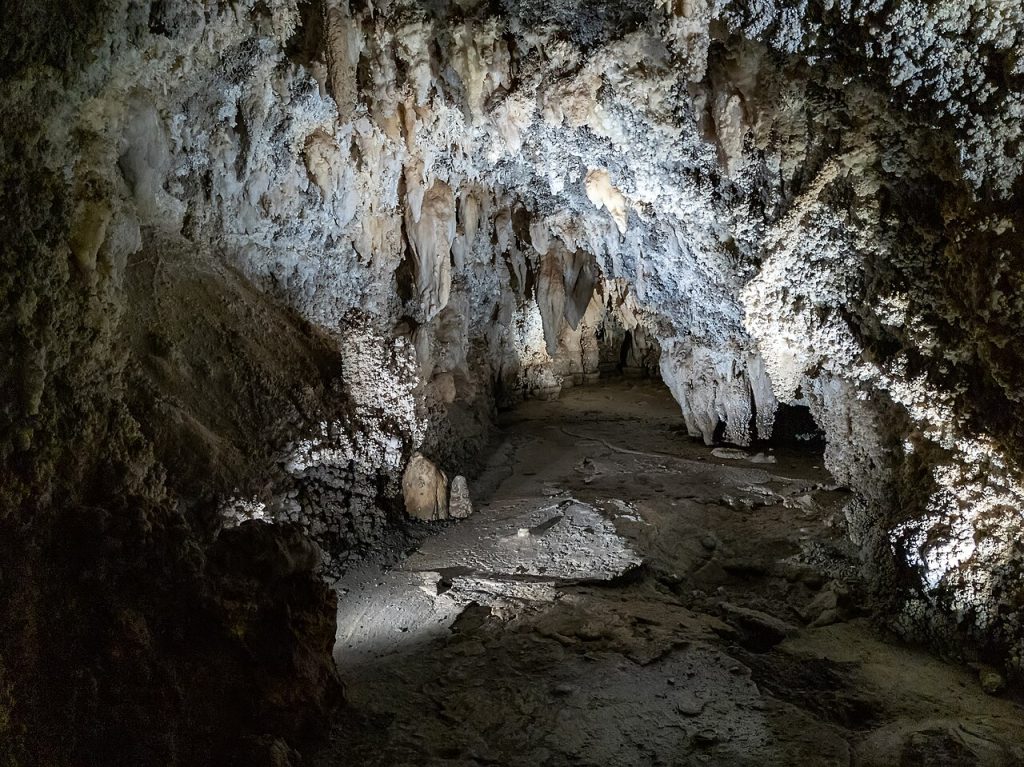
Timpanogos Cave sits in steep cliffs, and hazard studies note repeated rockfall incidents near the trail, including a near miss in 2000 below the cave exit. When slopes stay active, the approach can be as important as the cave interior. Cliff shade and heat swings keep the rock working.
Managers responded with practical protection, extending sheltering and adjusting visitor flow to reduce exposure. That is the model for steep-wall caves: engineering, monitoring, and closures when the cliff is shedding. Groups move steadily through open zones and save breaks for protected spots, keeping the experience controlled and predictable.
Mount Rainier Ice Caves, Washington
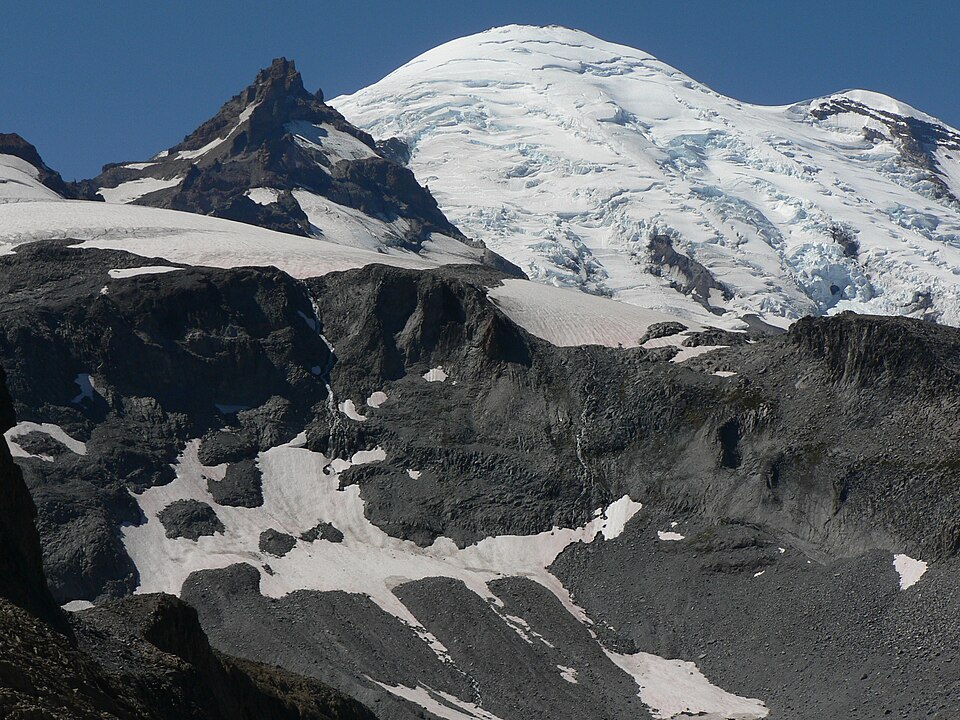
Mount Rainier ice caves and meltwater channels are temporary features carved by flowing water under snow and ice. Park advisories have discouraged approaching or entering them because roofs can fail without warning during warm spells. An entrance can look solid while thinning from within.
These spaces change hourly. Water undercuts supports, air pockets expand, and surface loads press down from above, especially in late summer when melting accelerates. The safe boundary is distance, not curiosity. Managers treat them as unstable and short-lived, so the best outcome is a good view from afar and a plan that stays on solid ground.