The Airline Lost My Luggage for 5 Days and Offered Me $50. Is That Really All I Am Entitled To?
Five days without a suitcase can ruin a trip fast. A $50 offer may sound final, but in many cases it is not the full amount a passenger can claim.
What travelers are actually owed depends on federal rules, airline policies, and whether the trip was domestic or international. The biggest factor is simple: keep receipts and file the claim correctly.
Why a $50 payment usually is not the end of the story

When an airline misplaces a checked bag for several days, it will often issue a small courtesy payment, travel voucher, or reimbursement advance while the search continues. That money is usually meant as a stopgap, not a full settlement of the passenger’s rights. In other words, accepting $50 does not automatically mean a traveler has been paid everything the law allows.
Under US Department of Transportation rules, airlines are responsible for compensating passengers for reasonable, verifiable, and actual incidental expenses caused by a delayed bag on domestic trips. That can include basics like clothing, toiletries, and other necessary items. Airlines may set internal guidelines, but they cannot simply refuse valid claims because the first offer was low.
If the bag is ultimately declared lost, a separate compensation process applies. For domestic US flights, airline liability for lost, damaged, or delayed baggage is capped at a maximum that is adjusted periodically by the federal government. The cap is much higher than $50, though passengers still need documentation and may face limits on certain valuables.
The difference between delayed, lost, and damaged baggage
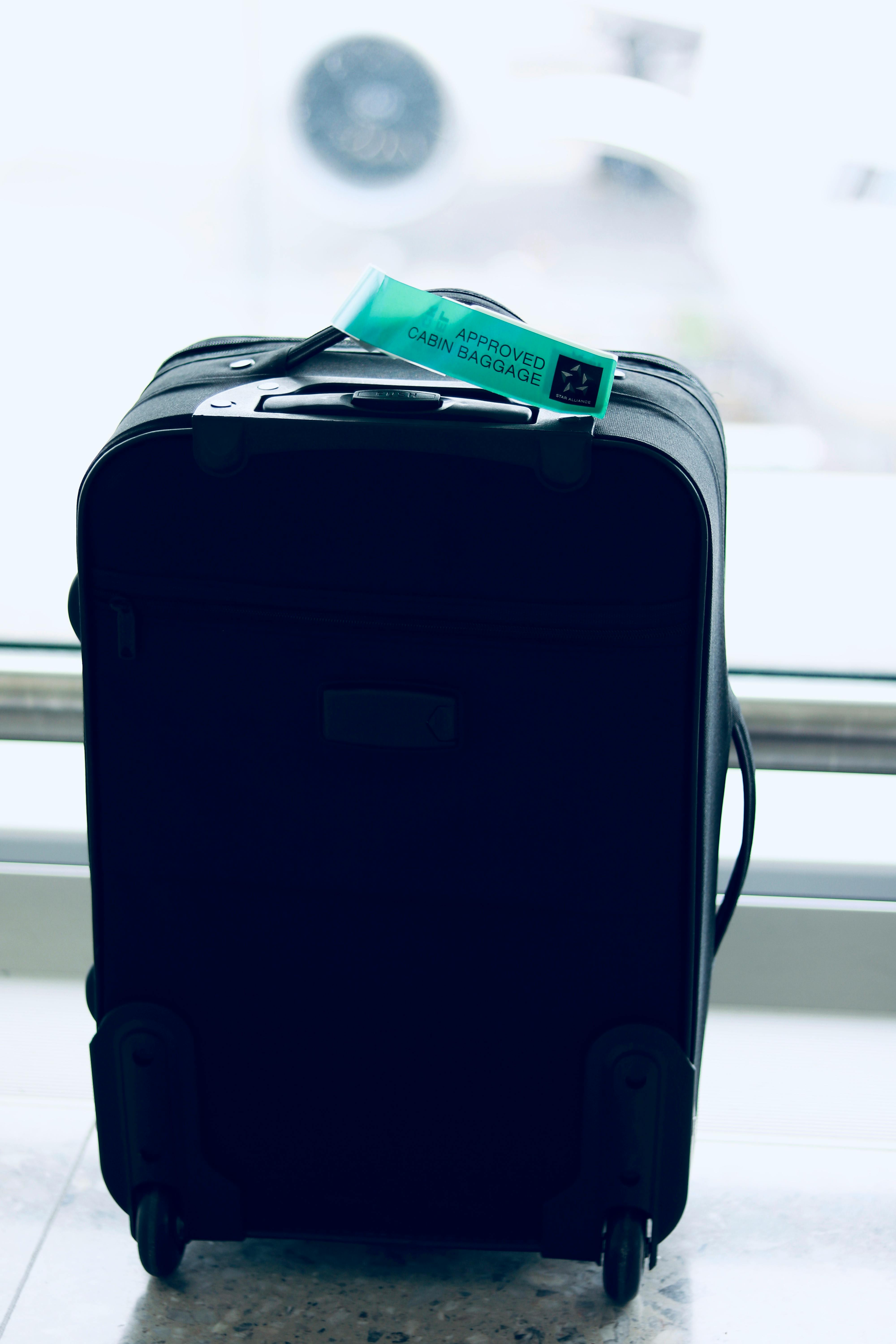
A delayed bag is not the same as a lost bag, at least not at first. Airlines often continue tracking luggage for several days before officially classifying it as lost. During that delay period, the traveler can generally seek reimbursement for necessities, but not for every item they choose to buy.
Reasonableness matters. A passenger at a beach wedding destination may have a stronger claim for emergency clothing purchases than someone arriving home, where replacement items are already available. Airlines often look at location, trip length, and purpose when reviewing receipts.
Damaged baggage is handled differently again. If a suitcase arrives broken or items inside are damaged, the passenger should report it immediately, ideally before leaving the airport. Federal rules require airlines to cover damage caused during transport, though normal wear, poor packing, and some fragile or excluded items can be disputed.
What US travelers should do right away

The first step is to file a baggage report with the airline as soon as the problem is discovered. Passengers should ask for a report number, the agent’s name, and written instructions on reimbursement. Without that paper trail, even legitimate claims can become harder to prove.
Next, save every receipt. Airlines usually want proof for essentials such as underwear, medication-related toiletries, basic clothing, chargers, and other necessary replacements. Credit card statements help, but itemized receipts are stronger evidence and often speed up the review.
Travelers should also read the airline’s contract of carriage, which sets out claims deadlines and excluded items. If the trip involved an international route, the Montreal Convention may govern compensation instead of domestic DOT rules. That treaty also allows baggage claims, but the limit is calculated differently and can change with currency values.
When to push back on an airline’s offer

If an airline offers only $50 after a five-day delay, passengers can ask whether the payment is a goodwill gesture, an advance, or a final settlement. That distinction matters. If it is only a courtesy payment, the traveler can still submit additional documented expenses for review.
If the claim is denied or underpaid, the next step is usually to escalate in writing through the airline’s customer relations department. A clear timeline, copies of receipts, the baggage report, and a list of out-of-pocket costs can make a big difference. Travelers should stay factual and specific rather than emotional.
Consumers can also file a complaint with the US Department of Transportation if they believe the airline ignored federal obligations. For many travelers, the key takeaway is straightforward: $50 may be all an airline offers at first, but it is not automatically all a passenger is entitled to receive under the rules.