The American National Parks that Canadians hate the most
Travel rankings keep turning user reviews into snapshots of what visitors actually liked, skipped, or rated poorly. In this case, the focus is U.S. national parks that appear to draw lower marks from Canadian travelers based on 2024 review analysis and recurring visitor complaints tied to heat, crowds, distance, and costs.
Which parks landed on the list
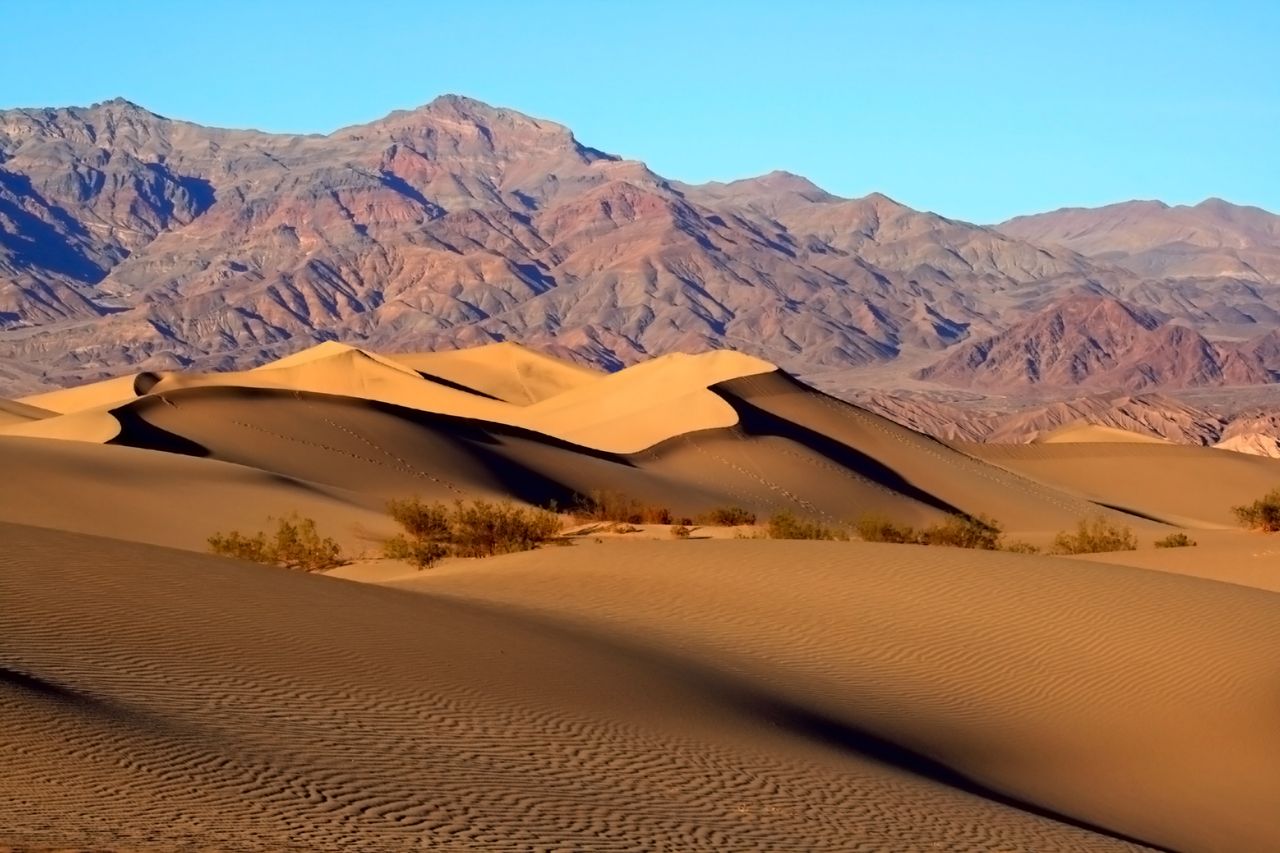
A 2024 cross-border review roundup identified five U.S. national parks that Canadians rated lower than many other marquee sites: Death Valley National Park in California and Nevada, Hot Springs National Park in Arkansas, Congaree National Park in South Carolina, Gateway Arch National Park in Missouri, and Indiana Dunes National Park in Indiana. The list was compiled from public review trends and travel commentary that compared ratings left by Canadian visitors.
Death Valley showed up often because of extreme weather. The National Park Service says summer temperatures there can top 120 degrees, and Furnace Creek is one of the hottest places on Earth. For travelers coming from Ontario, British Columbia, or Quebec, that kind of climate is a major shift.
Gateway Arch and Indiana Dunes also drew lower marks in review summaries because some travelers expected a more traditional wilderness park experience. Gateway Arch is centered on a 630-foot monument in St. Louis, while Indiana Dunes mixes 15 miles of Lake Michigan shoreline with industrial views in parts of northwest Indiana.
What the Canadian angle shows
The Canadian-specific pattern appears to be less about one single park flaw and more about trip expectations. Review write-ups in 2024 noted that Canadians visiting from cities like Toronto, Vancouver, and Montreal were more likely to mention flight distance, hotel prices, and limited time when rating parks in Arkansas, South Carolina, or inland Missouri.
Hot Springs National Park, for example, is built around historic Bathhouse Row in downtown Hot Springs, Arkansas, rather than a large backcountry setting. Congaree National Park protects one of the largest intact old-growth bottomland hardwood forests in the Southeast, according to the National Park Service, but some visitors have said bugs, flooding, and boardwalk-focused access shaped their experience.
What is not publicly confirmed is a single official National Park Service ranking of the parks Canadians dislike most. The available comparisons come from review analysis and media summaries, not a federal survey of Canadian visitors.
Why these parks get lower scores
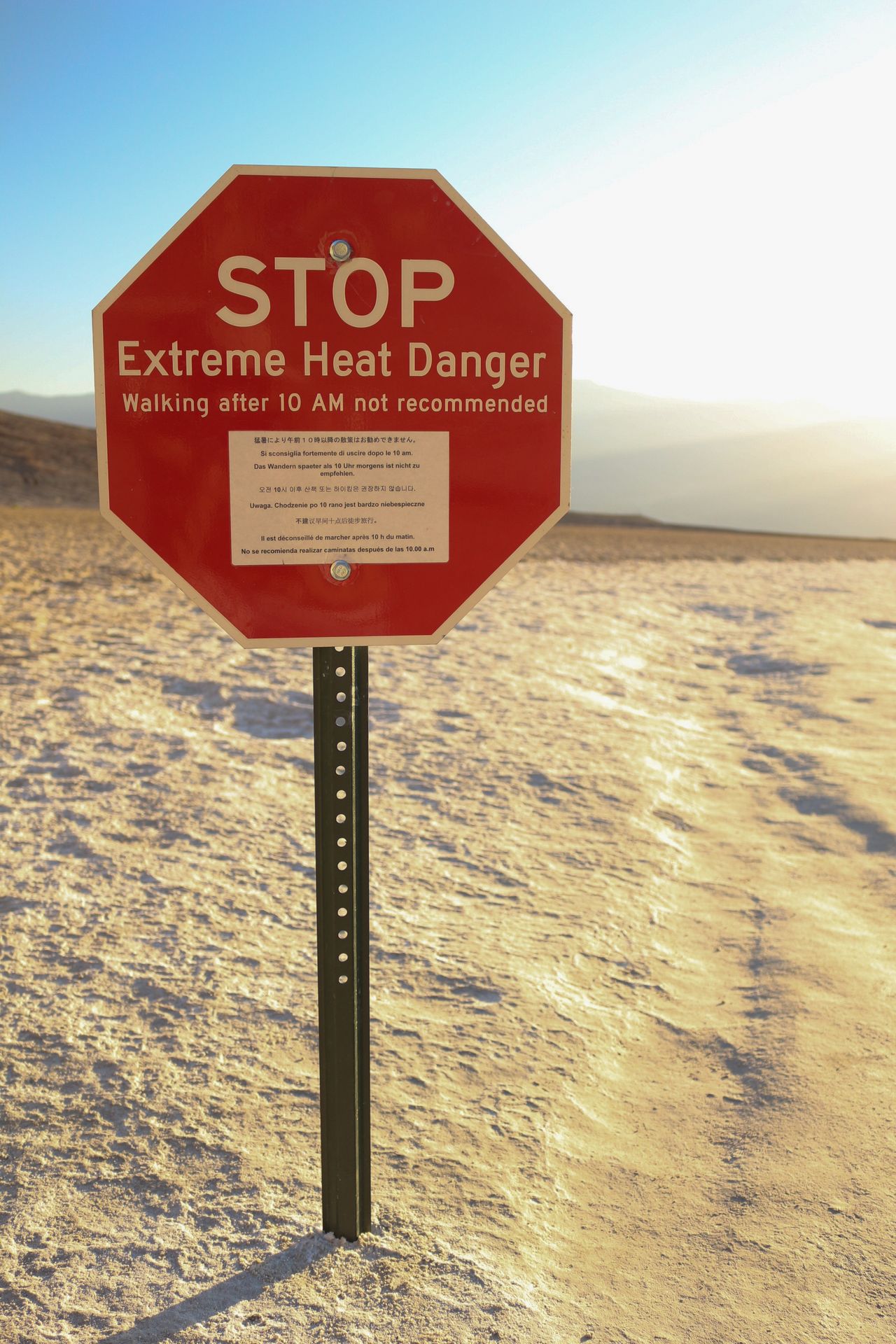
The main reasons are practical, according to recurring review themes published in 2024. Heat is a factor at Death Valley, urban setting affects expectations at Gateway Arch, and smaller-scale attractions shape reactions at Hot Springs and Indiana Dunes.
Cost also matters for international travelers. A Canadian family visiting California, Missouri, or South Carolina in 2024 could face exchange-rate pressure, airfare, rental car costs, and peak-season lodging prices, all before park entry fees or add-on activities.
For travelers, the takeaway is simple. These parks are still nationally significant sites managed by the National Park Service, but they may not match every visitor’s idea of a classic mountain-or-wildlife park. Park descriptions, seasonal conditions, and on-the-ground access details remain the clearest guide to what a trip will actually look like.