The Quiet Moment When a Favorite Destination Stops Feeling Magical
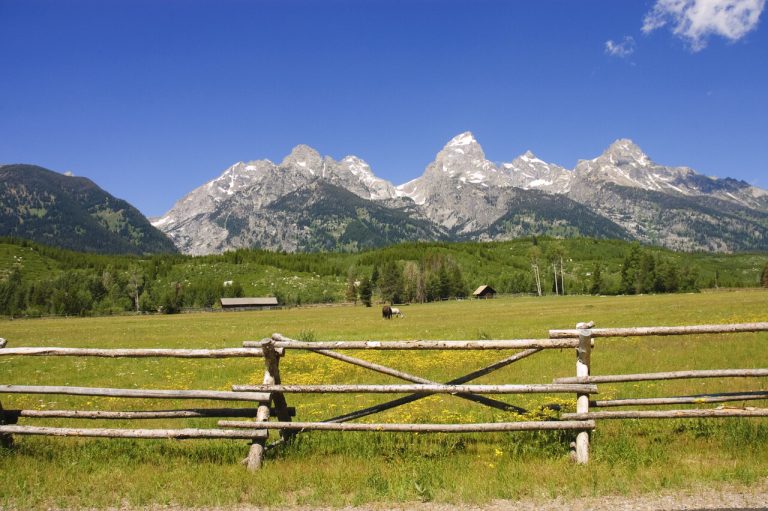
My original travel plan for 2025 was a return to a beloved, high-demand coastal market where I had spent countless summers. I envisioned slipping back into familiar routines, dining at local neighborhood spots, and enjoying a predictable and comfortable escape.
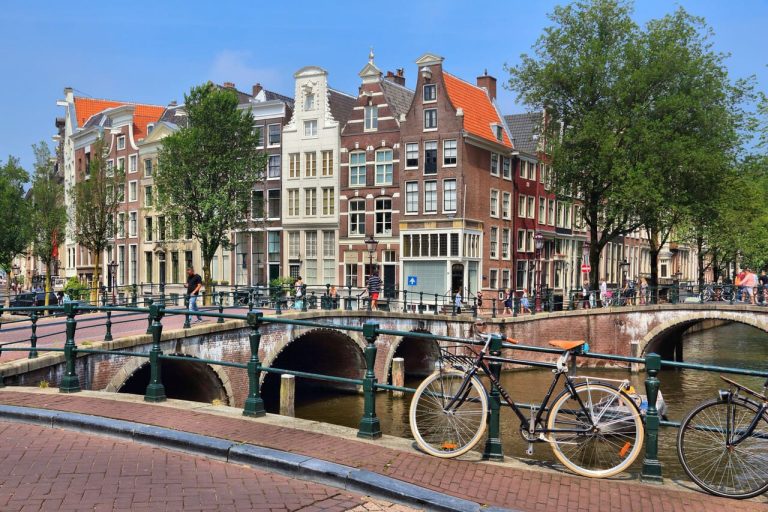
But as I began mapping out the 2026 logistics, a quiet realization set in. The familiar streets were now choked with tour buses, and the local bakeries had been replaced by overpriced souvenir shops. The housing-driven lodging pressure had pushed daily costs beyond reason, and the authenticity that once made the place special was entirely gone.
The old default had simply become a transactional backdrop rather than a living community. I realized that recreating past magic was impossible when the destination itself had fundamentally changed under the weight of its own popularity, prompting a search for places where the local fabric remains intact.
Lyon, France
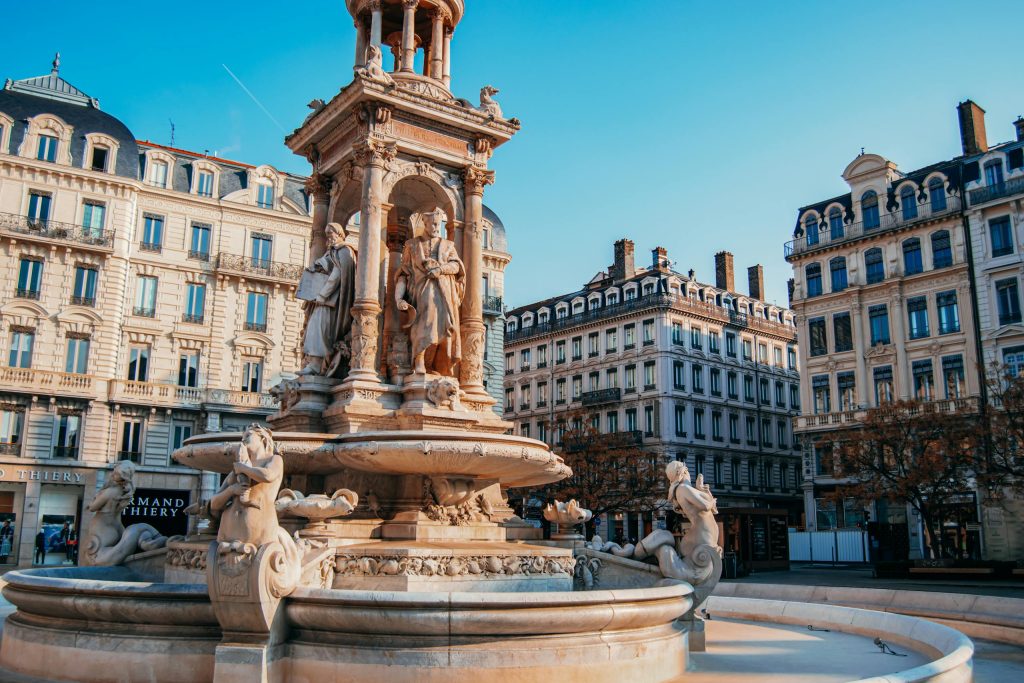
Lyon serves as a culinary and cultural powerhouse that is rapidly replacing the overcrowded, high-cost coastal default for travelers seeking authentic European immersion. Urban sociologists and tourism researchers note that the city actively manages its visitor footprint, avoiding the disruption risk and infrastructure strain that plagues more famous national capitals.
The localized economy relies on varied industries rather than pure tourism, keeping restaurant pricing and lodging costs aligned with local wages.
Economic analysts report that this stability allows visitors to experience high-tier gastronomy without the inflated premium found in heavily marketed resort towns. Travelers find a functioning metropolis where historic preservation does not completely displace modern urban life.
The city is defined by its historic silk-weaving district, the convergence of two major rivers, and a deeply rooted culinary tradition. That is the shift from passive observation to genuine participation.
A significant tradeoff involves navigating a city that firmly prioritizes French language and customs over English-speaking tourist conveniences. Travel logisticians warn that public transit schedules and business hours adhere strictly to local labor norms, meaning Sunday closures are absolute and late-night dining options are severely limited.
Sapporo, Japan
Sapporo provides a highly functional, spacious alternative for those exhausted by the intense crowding and lodging scarcity of traditional Japanese heritage hubs.
Demographic researchers and urban planners highlight the grid system and wide boulevards of the city, which disperse foot traffic and eliminate the claustrophobic bottlenecks found in the old default choices.
Economic experts note that the northern location significantly reduces housing-driven lodging pressure, offering spacious accommodations at a fraction of the cost seen further south.
Additionally, climate scientists point out that the cooler summer temperatures provide essential relief from the dangerous heat domes now common in the lower latitudes, making outdoor exploration viable throughout the year.
This northern capital features expansive urban parks, legendary winter festivals, and a thriving craft brewery culture. That is why the math changes for comfort-focused travelers.
The primary tradeoff is the geographic isolation from the famous southern historical circuits of the country. Transit analysts point out that reaching other major islands requires domestic flights or lengthy train journeys, complicating multi-city itineraries.
The extreme winter snowfall also necessitates rigorous weather preparation and can occasionally disrupt regional transit networks.
Montevideo, Uruguay
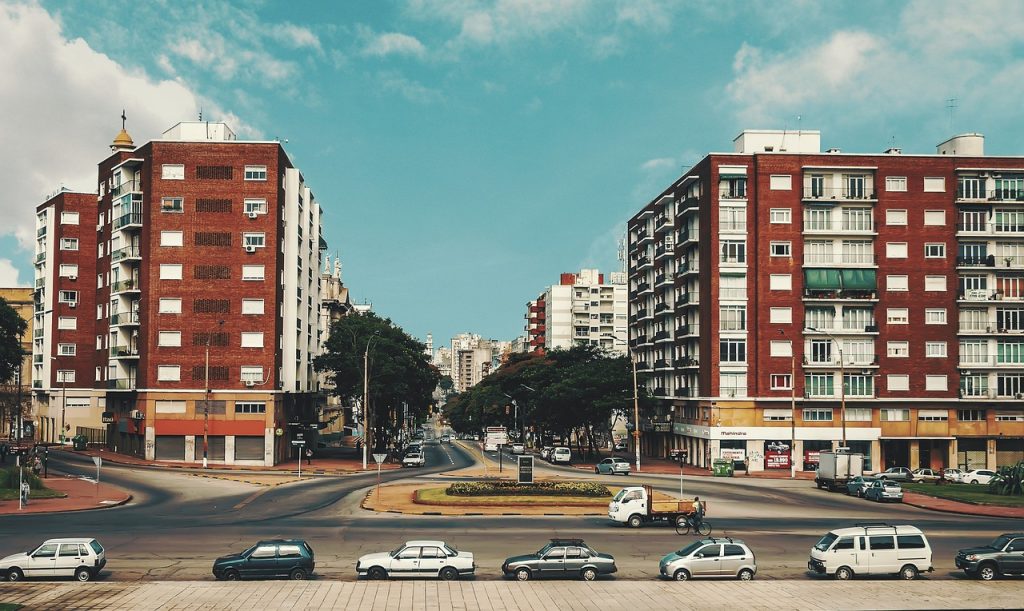
Montevideo emerges as a stable, highly livable capital that appeals to travelers fleeing the aggressive gentrification and security concerns of popular Latin American expat hubs.
Risk analysts and geopolitical experts frequently cite the country as one of the most politically and economically stable in South America, drastically lowering the disruption risk for long-term visitors.
Real estate researchers report that the housing market remains accessible, avoiding the extreme rent inflation that has alienated locals and frustrated travelers in the old coastal defaults.
The robust public health infrastructure and reliable digital connectivity offer a frictionless environment for remote workers seeking peace over chaotic nightlife. The destination is characterized by its expansive riverside promenade, relaxed cafe culture, and a distinct lack of urban urgency.
A notable tradeoff is the high cost of consumer goods and dining compared to neighboring countries. Financial planners warn that inflation exposure and heavy import taxes make electronics, clothing, and restaurant meals surprisingly expensive, requiring a larger daily budget than the region typically demands.
Perth, Australia
Perth attracts visitors seeking vast natural landscapes and urban sophistication while completely bypassing the oversaturated, high-premium markets of the eastern seaboard.
Tourism studies suggest that the extreme geographic isolation of the city acts as a natural filter against mass tourism, preserving the quality of local infrastructure and public spaces.
Economic researchers note that the resource-driven wealth of the region has funded world-class public transit, museums, and waterfront developments without relying on visitor taxes.
This financial independence means that travelers can enjoy high-end amenities without competing against millions of other tourists for space or restaurant reservations. The city offers sprawling botanical gardens, pristine Indian Ocean beaches, and a vibrant, sun-drenched outdoor lifestyle.
The sheer distance from the rest of the world is a massive logistical hurdle. Aviation analysts explain that reaching the city requires exhausting, ultra-long-haul flights and significant financial investment. The extreme summer heat also forces visitors to adapt their daily schedules meticulously to avoid the midday sun. That tradeoff matters for those with limited vacation time.
Ghent, Belgium
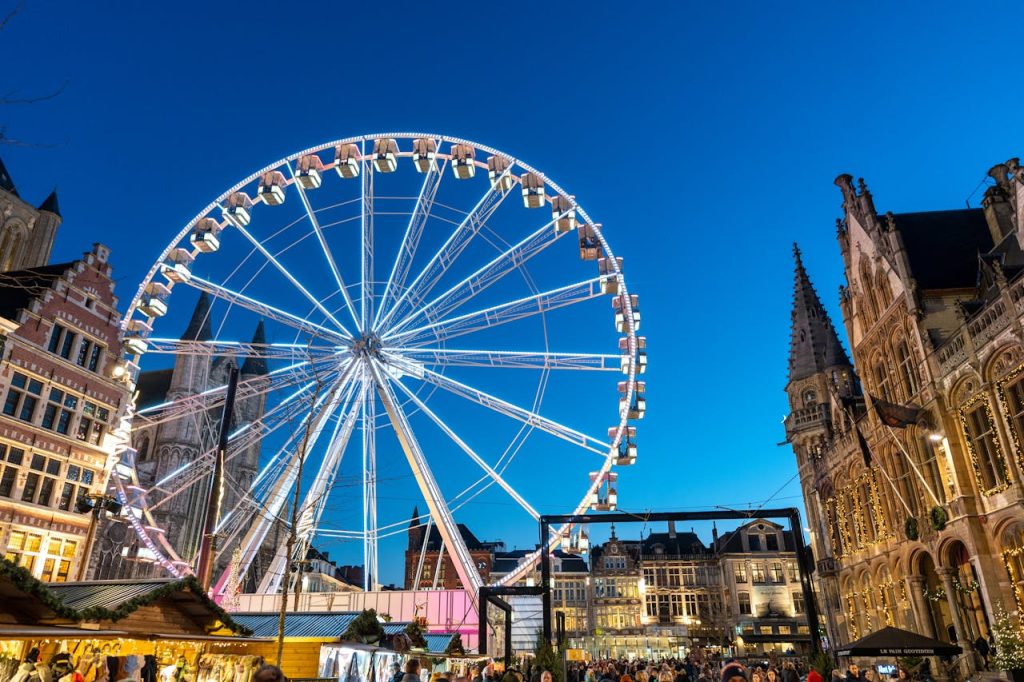
Ghent offers a vibrant, historically rich environment that serves as a direct antidote to the stagnation and overwhelming crowds of neighboring medieval tourist traps.
Heritage institutions and urban planners praise the municipal decision to prioritize a living, student-driven culture over pure historic preservation, which keeps the city center dynamic.
Economic researchers report that the strong local economy prevents the severe housing-driven lodging pressure that turns historic centers into vacant short-term rental zones.
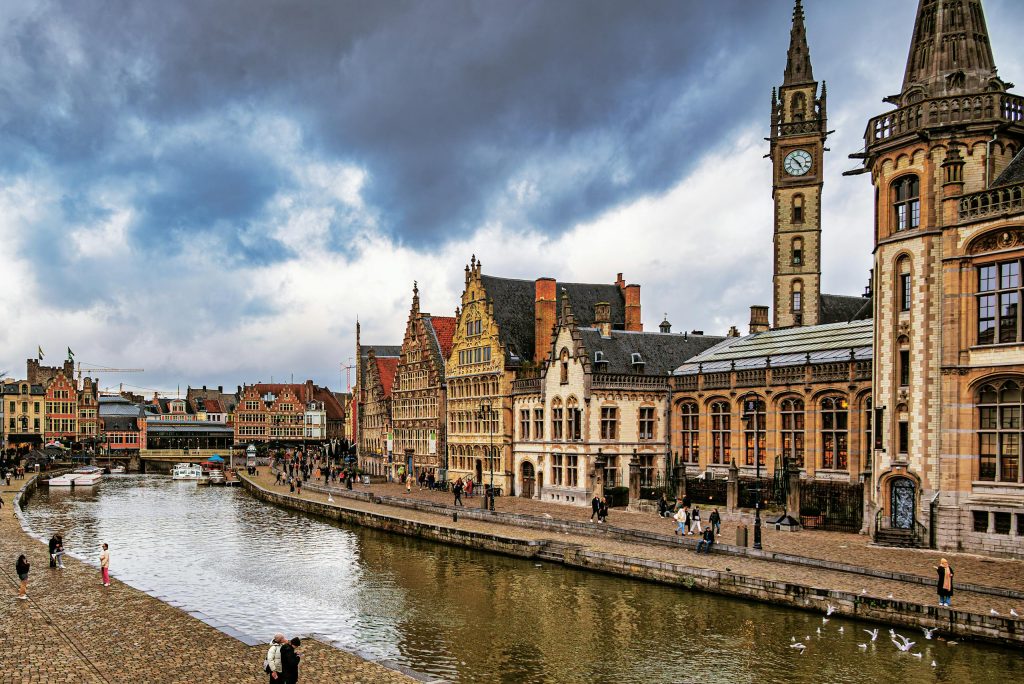
Travelers find a functioning city where ancient architecture houses independent businesses rather than international chain stores, providing the authenticity that the old default lost years ago. The location is known for its pedestrianized medieval core, a massive university population, and striking canal-side guildhalls.
The tradeoff involves the notoriously unpredictable weather and a smaller hospitality footprint. Climate data shows that gray, rainy days are frequent throughout the year, which can dampen the experience for those seeking constant sunshine.
The limited number of large-scale hotels means securing central accommodation requires planning well in advance during peak academic or festival seasons.