The Sioux Were Offered Over a billion Dollars for their land and they are still saying No
Land disputes between Native nations and the federal government still shape policy, court rulings, and public land debates across the U.S. One of the clearest examples is in South Dakota, where the Sioux Nation has continued to reject a federal settlement now worth more than $1.3 billion for the Black Hills.
The Supreme Court ruling and the money on the table
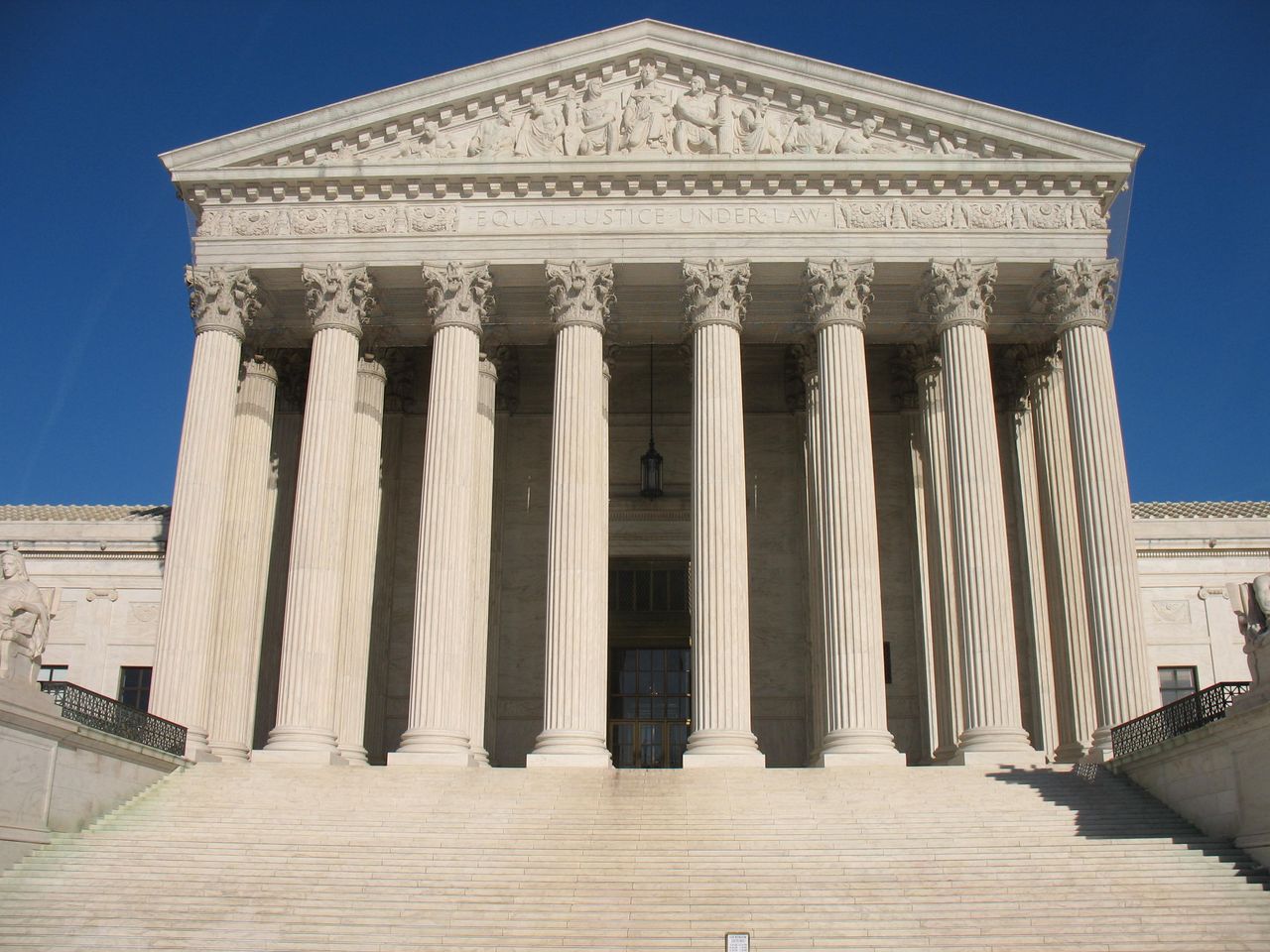
On June 30, 1980, the U.S. Supreme Court ruled in United States v. Sioux Nation of Indians that the federal government had taken the Black Hills without just compensation, according to the Court’s opinion. The case centered on roughly 7.3 million acres in western South Dakota that were guaranteed to the Sioux under the 1868 Fort Laramie Treaty.
The Court upheld a money judgment that initially totaled about $106 million, including 5 percent annual interest, according to federal records. Because the money has remained untouched for decades, the balance has grown to more than $1.3 billion in the U.S. Treasury, as reported in repeated tribal and federal statements.
Why the Black Hills still matter in South Dakota
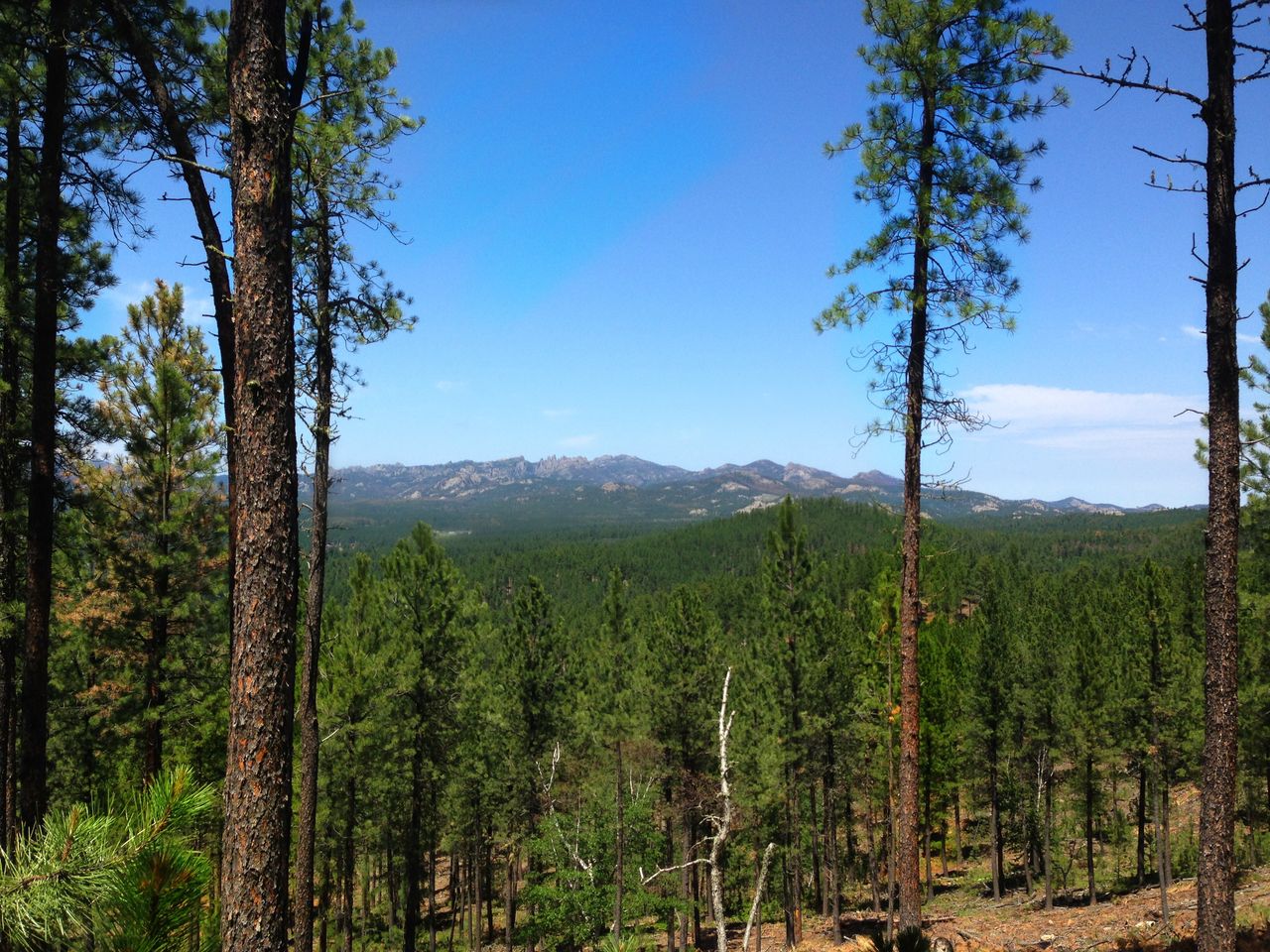
The Black Hills, known to the Lakota as Paha Sapa, stretch across western South Dakota and include places like Rapid City, Deadwood, and Mount Rushmore. For the Sioux tribes, the issue is not only financial but territorial, because tribal leaders have consistently said the Hills are sacred land protected by the 1868 treaty.
The Oglala Sioux Tribe, Rosebud Sioux Tribe, and other Sioux nations have repeatedly stated that accepting the money would amount to selling the land, according to tribal resolutions and public statements over several decades. What is not settled is any final return of federal land, and Congress has not approved a broad land restoration plan for the full Black Hills area.
Why leaders keep saying no and what residents should know
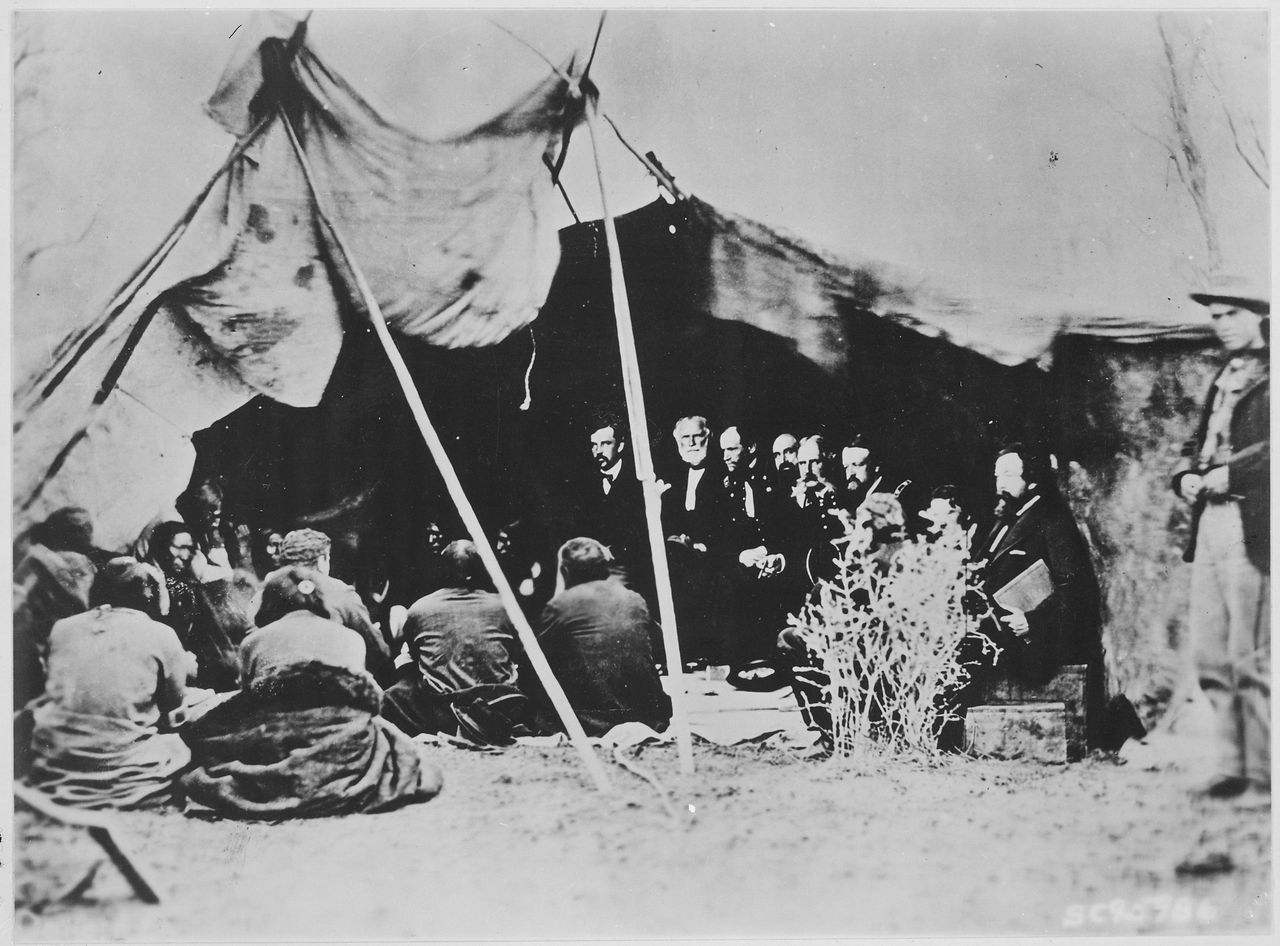
The dispute goes back to 1877, when Congress passed a law taking the Black Hills after gold was discovered there in the 1870s, a history cited by the Supreme Court in 1980. Tribal leaders and historians have pointed to the Fort Laramie Treaty of 1868 as the core legal document, saying the later seizure broke a binding agreement between the U.S. and the Sioux.
For South Dakota residents and visitors, the case does not change current public access or ownership rules today, and no immediate transfer is underway. The money remains in federal trust, and the long-running position from Sioux leaders has stayed consistent: the Black Hills are not for sale, even at more than $1.3 billion.