These 10 Street Art Alleys Globally Tagged With Graffiti Gangs
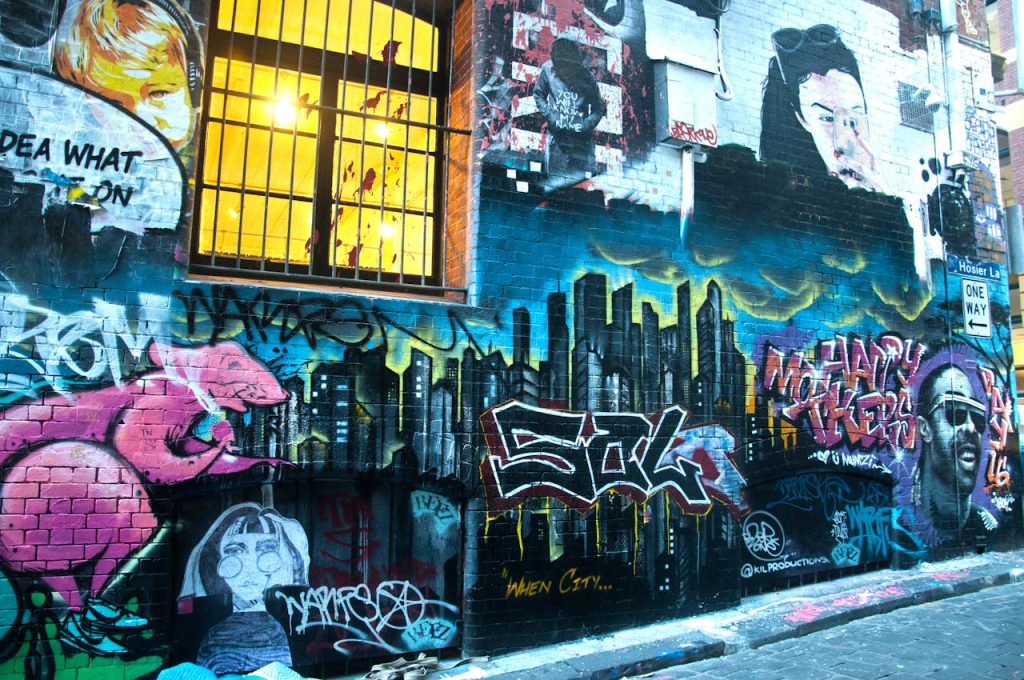
Street art alleys move fast. A wall can hold a careful portrait at sunset, then wake up under new tags, stickers, and handstyles that announce who passed through after dark. Even small marks feel loud on brick and shutters that everyone uses but few people study.
The best lanes keep their layers instead of hiding them. Paint becomes a public diary of humor, pride, and rivalry, with each fresh mark answering the last. Some spaces are welcomed, some merely tolerated, yet the energy comes from the same rule: nothing stays untouched for long. Artists, writers, and passersby share the frame, and the walls keep score in plain sight.
Hosier Lane, Melbourne
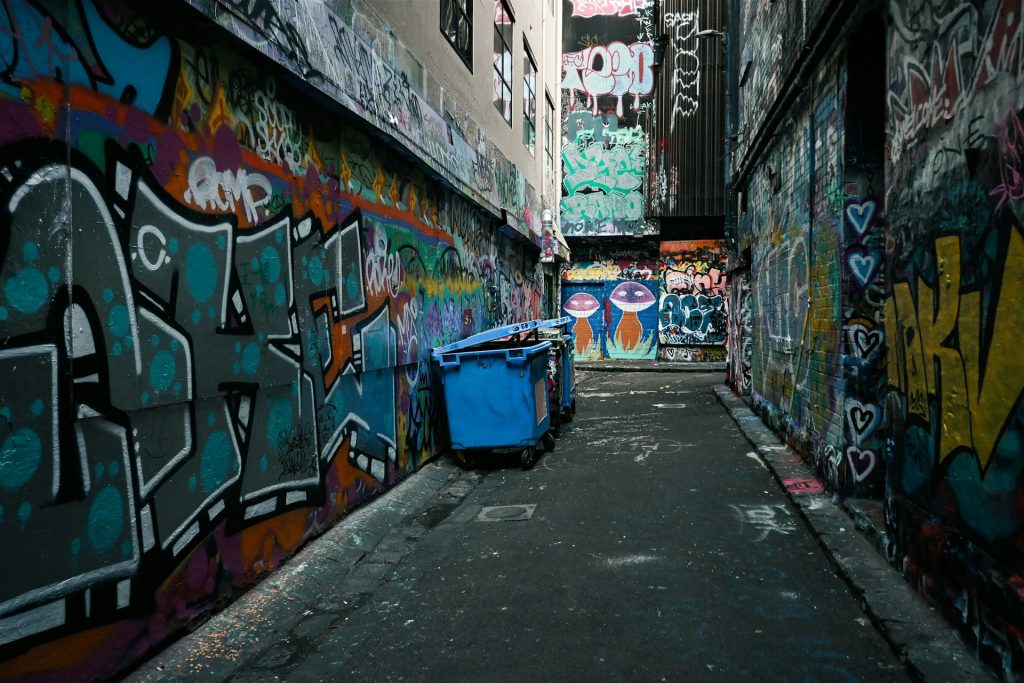
Melbourne’s Hosier Lane feels like a studio that never closes. Stencils, paste-ups, and character pieces pile up so tightly that brick disappears under color, then returns as the next wave arrives. A photo catches one version, but the lane’s identity is motion, hour to hour, most weeks.
Crews and solo writers treat the walls like an ongoing exchange. A clean portrait might gain new letters along its edge, then a fresh fill answers back the next day. The layering is rarely personal, just persistent, and the mood swings between playful and sharp. What survives is not one perfect piece, but the conversation that keeps the lane awake.
Graffiti Alley, Toronto
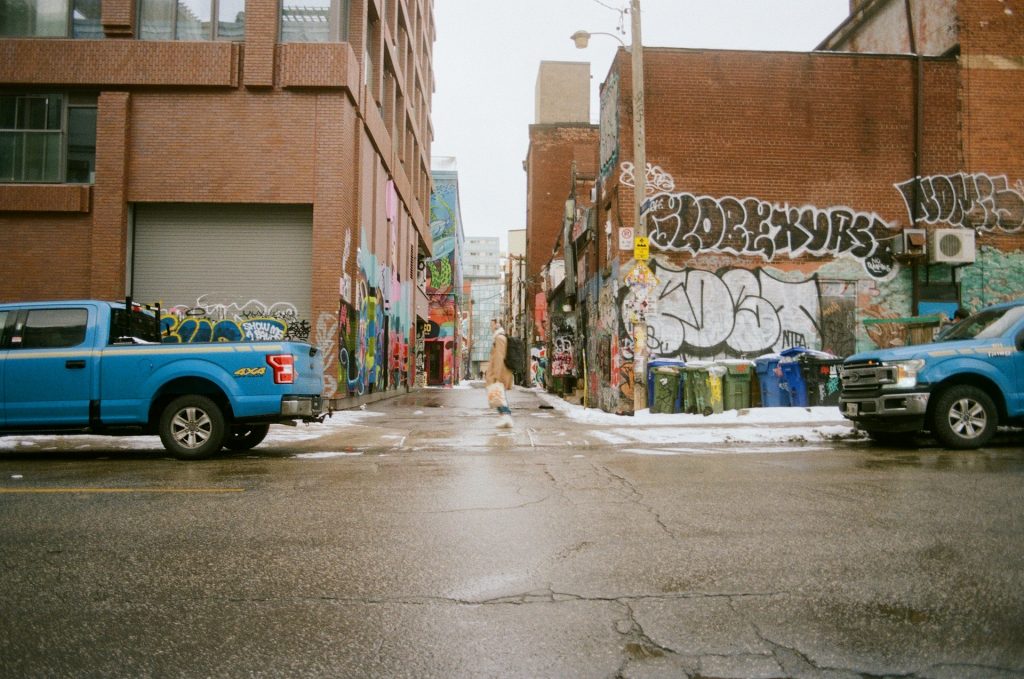
Toronto’s Graffiti Alley runs behind Queen Street West, a long service lane where loading doors turn into canvases. Big murals bring the color, but the smaller marks give it tempo: stickers, handstyles, and repeating crew names that show who keeps returning after closing time. Even the pavement carries flecks of overspray.
The lane reads like a city conversation written in layers. A polished piece might hold the center, while fresh tags gather along seams, hinges, and corners, as if the wall has margins. New paint often arrives as response, not decoration, and the mix stays balanced because nothing tries to stay pristine for long.
Clarion Alley, San Francisco
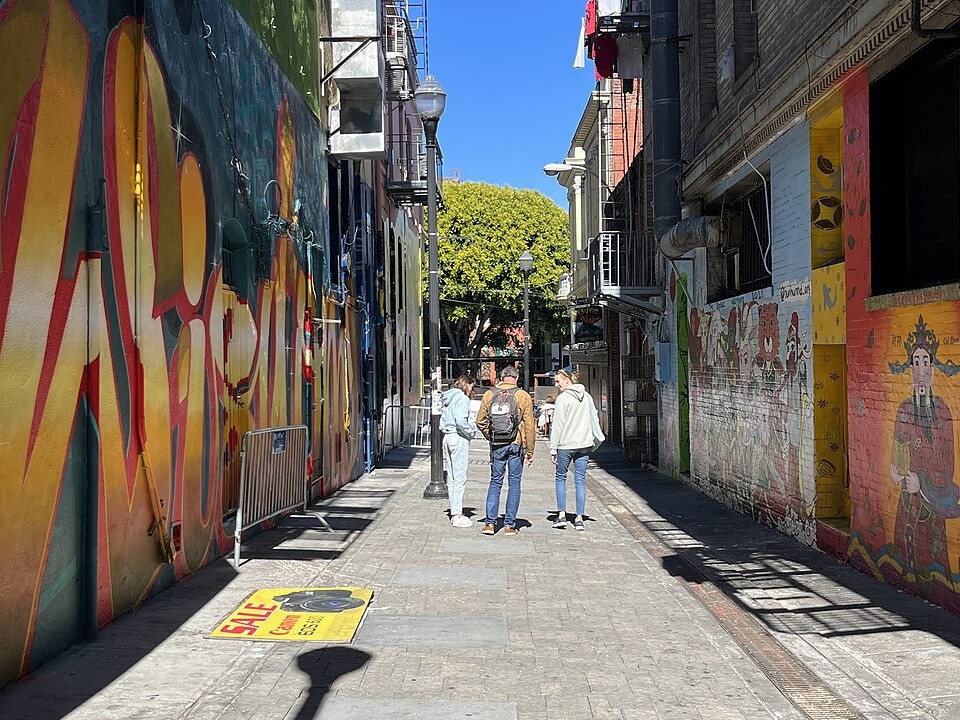
Clarion Alley in San Francisco’s Mission District is small, but it carries big intent. Murals here often lean toward neighborhood stories, sharp humor, and social commentary, painted with enough care to slow foot traffic even on an ordinary afternoon. The colors sit close, wall to wall.
At the same time, the alley still feels like a street first. Crew marks appear like punctuation: a name tucked low, a quick tag near a doorway, a sticker layered over old paper. Sometimes the additions feel respectful, sometimes disruptive, but the effect is honest. The walls show how public space stays negotiated, not finished, day after day.
Freeman Alley, New York City
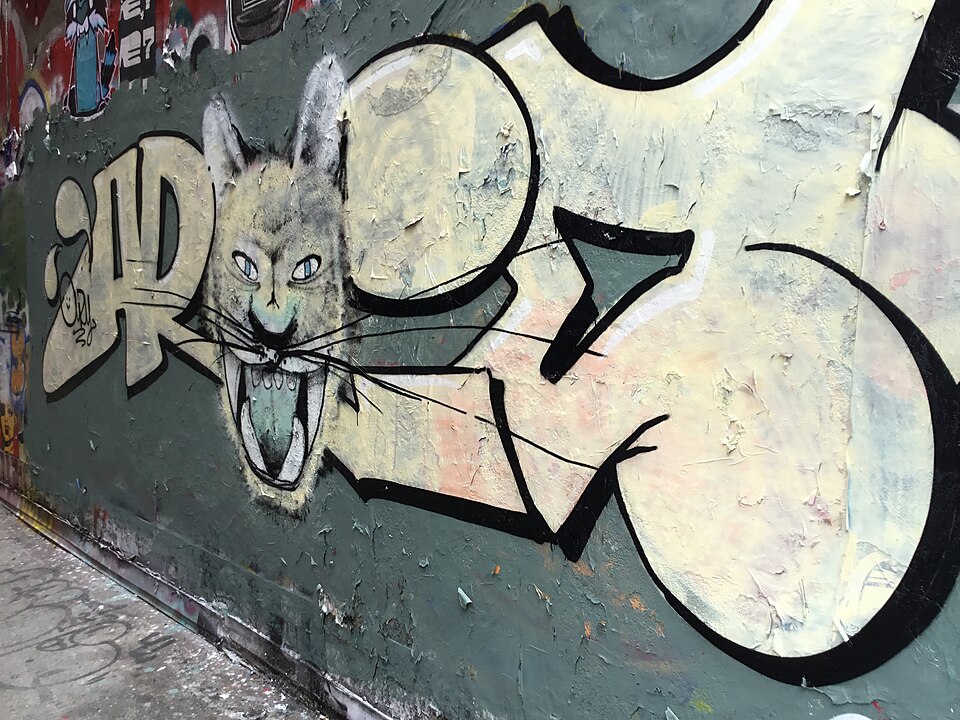
Freeman Alley on Manhattan’s Lower East Side is short and easy to miss, which makes its density feel louder. Brick, pipes, and back doors collect stickers, wheatpaste, quick tags, and little characters that look like they were sketched between subway stops. Daylight filters in like a spotlight.
In a space this tight, names become the headline. Crews repeat letters until the wall starts to feel claimed, then someone answers with cleaner lines, thicker outlines, or a quiet cross-out. The alley keeps a memory of each round underneath, even when it looks freshly changed. It is less a gallery than a notebook, rewritten in public.
Leake Street Arches, London
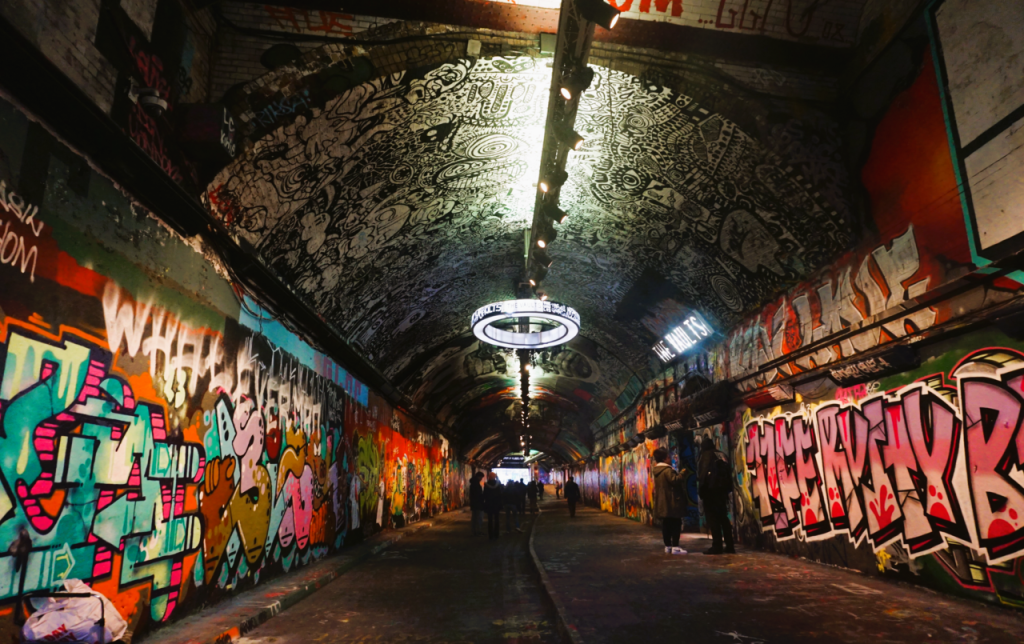
Leake Street’s tunnel near Waterloo feels like a working workshop, with paint culture designed for dim light and quick reads. Letters get built big, fills go wide, and outlines stay bold, so the wall still hits even when the tunnel is crowded and loud. Drips, caps, and overspray underfoot show how often it gets updated, week to week.
Because repainting is expected, crews treat the surface as practice and proof at once. A fresh piece can arrive at midday and pick up new handstyles by evening, not always as an insult, but as momentum. The echo, the damp air, and the constant layering make the tunnel feel alive rather than preserved.
Rue Dénoyez, Paris
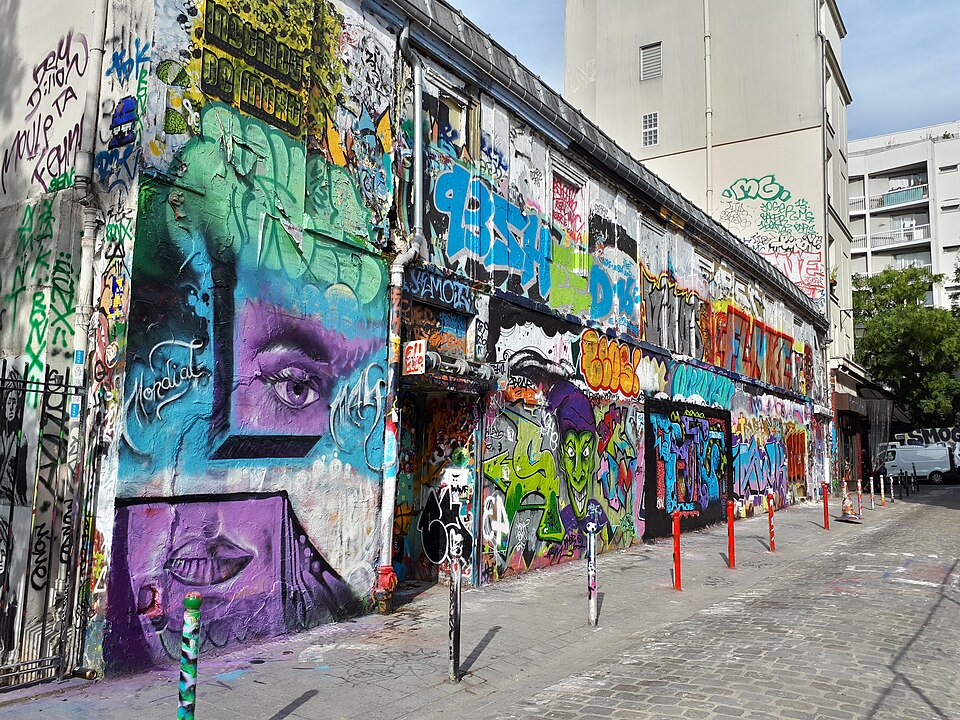
Rue Dénoyez in Belleville packs a surprising amount of paint into a small stretch of street. Shutters, doors, and patched plaster carry portraits, cartoons, and patterns, layered so tightly that even the empty spaces feel intentional. It looks different after rain, when colors deepen.
Crew marks work here like footnotes in the margins. Some sit politely beside a mural, others cut across it, reminding everyone that the street does not wait for a clean finish. The charm comes from closeness: careful brushwork inches from fast lettering, old paste-up paper peeking through new color. The walls feel mid-conversation, even when the lane is quiet.
Haus Schwarzenberg Alley, Berlin
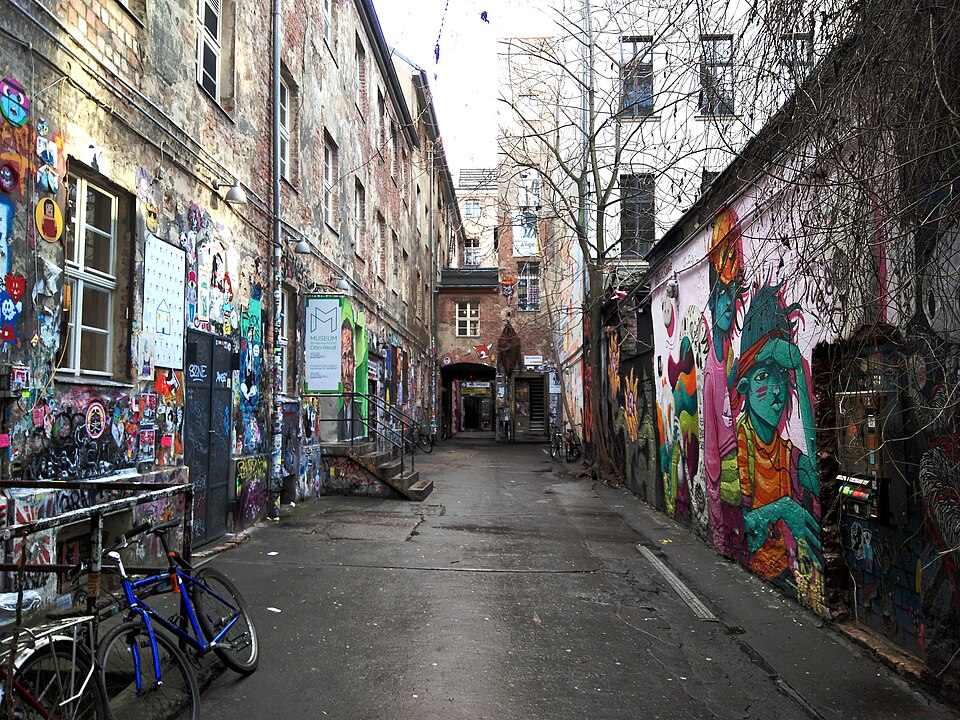
Behind Hackescher Markt, the passage by Haus Schwarzenberg compresses Berlin’s street art energy into a tight courtyard. Posters peel, stickers multiply, and painted figures appear like quick jokes on brick, while tags repeat until they feel like a chorus. The walls look busy from every angle, with no single focal point.
Crews leave names the way a city leaves fingerprints. Nothing here pretends to be permanent, and that honesty becomes the style. A polished piece might hold for a while, but it lives beside rough marks that treat the wall as shared and temporary. Even the wear and tear adds texture, turning decay into part of the palette.
Callejón de Hamel, Havana
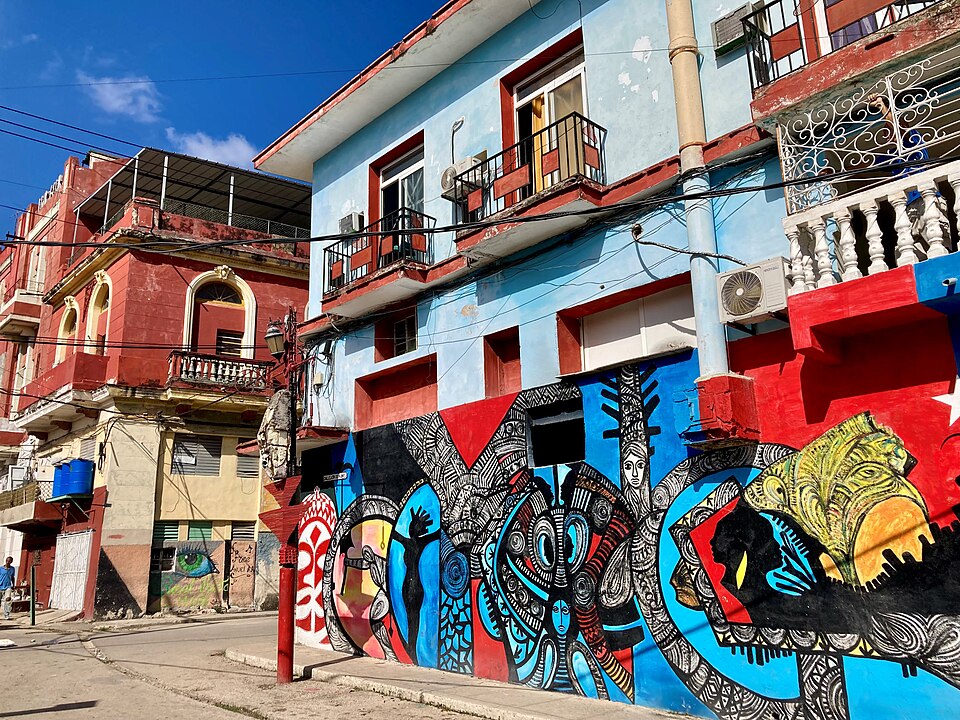
Callejón de Hamel feels like an alley that decided to become art on its own terms. Bright murals and handmade details crowd the passage, mixing paint with sculptural touches and found materials that turn walls into something closer to a neighborhood stage.
Within that bold visual language, smaller tags tend to read as signatures rather than takeovers. Crew marks still signal presence, but they sit inside a space shaped by local culture and performance, where symbols already carry weight. The layering feels additive, like extra percussion in a song. Even when new marks appear, the alley’s mood stays warm, playful, and unmistakably its own.
Beco do Batman, São Paulo
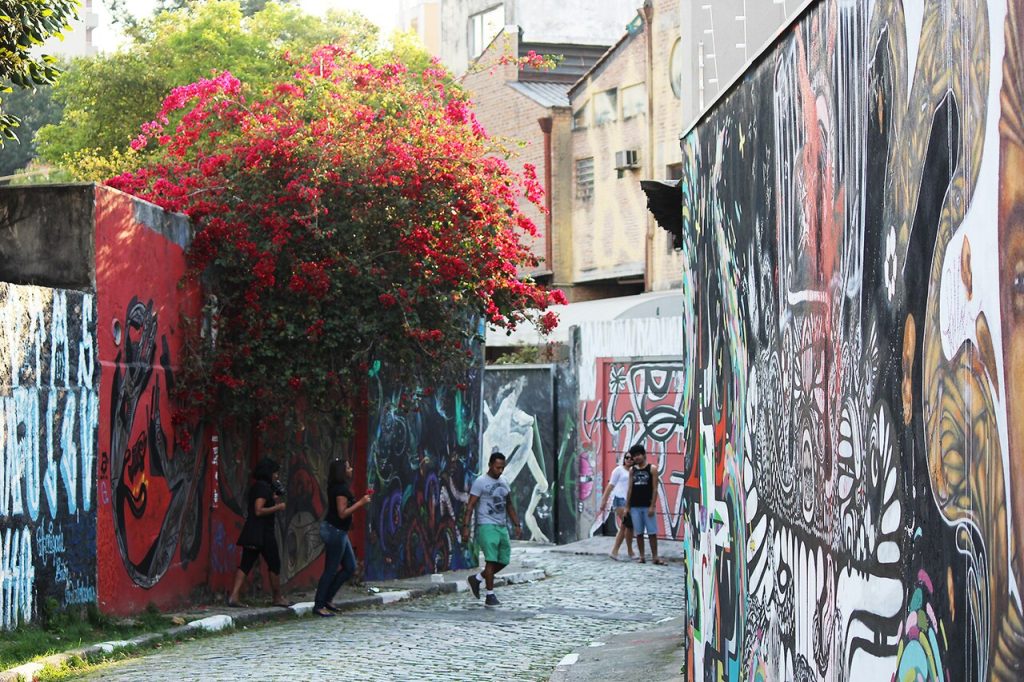
In São Paulo’s Vila Madalena, Beco do Batman winds through walls that rarely stay the same. Bright murals stretch across corners and gates, while handstyles and crew names stitch the gaps between bigger images, turning the alley into a moving collage. The colors stay loud.
The spot’s fame draws serious painters, but it also attracts writers who want their letters seen beside the color. That creates pressure to go bolder, cleaner, and faster. A new character can appear crisp, then pick up fresh tags within days, like commentary in the margins. The alley stays energetic because repainting is part of the rhythm, not a disruption.
Haji Lane, Singapore
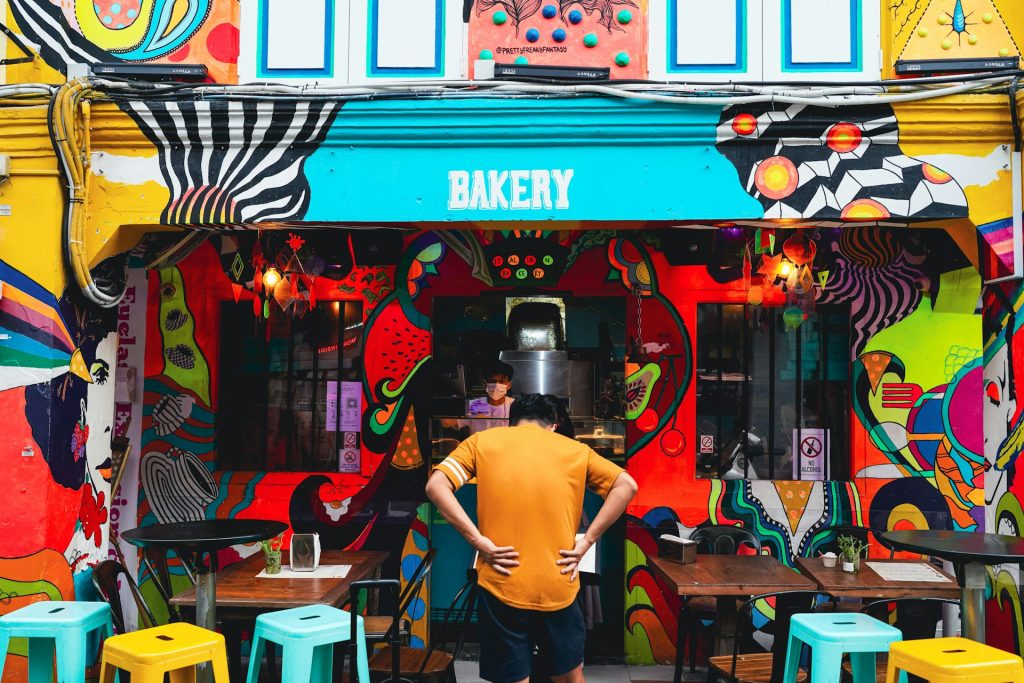
Haji Lane in Kampong Gelam is narrow, lively, and loud on the walls. Shophouse facades carry bold murals that play off the boutiques below, while smaller stickers and tags hide in corners, doorframes, and along the lower edges.
The texture comes from contrast. Big paintings set the tone, then quick handstyles add a second layer that rewards patient eyes. In a city known for orderly streets, those small signatures can feel deliberate, like a quiet test of boundaries. Nothing here needs to shout to be noticed; the lane’s tight scale makes every mark readable. The result feels playful, yet still competitive in its subtle way.