These 10 U.S. Mountain Towns Have Skyrocketing Bear Attacks
Wildlife biologists and state conservation officers warn that a perfect storm of climate anomalies, expanding human development, and habituation is driving an unprecedented spike in human-bear conflicts across America’s high-country communities. Experts note that traditional nuisance behaviors such as toppling trash cans have escalated into home invasions and aggressive bluff charges in towns previously considered safe. The data shows that as drought conditions reduce natural forage like berry crops, bears are becoming increasingly bold in their search for calories within residential zones.
Department of Fish and Game officials emphasize that this is not just a population boom but a behavioral shift passed down through generations of urbanized bears. In these specific mountain enclaves, bears have learned to defeat complex locking mechanisms and view vehicles as lunchboxes. Understanding the specific drivers in each of these towns helps travelers and residents recognize that the sleepy mountain getaway is now an active interface zone requiring heightened vigilance.
Aspen In Colorado

Colorado Parks and Wildlife officials report that Pitkin County has become a primary epicenter for human-bear conflict, recording hundreds of incidents in a single summer season. Biologists attribute this surge to a combination of late frosts killing off natural food sources like acorns and serviceberries, forcing black bears into the luxury condo complexes of downtown Aspen. Local police logs frequently detail bears breaking into bear-proof dumpsters and even entering ground-floor windows of occupied homes.
Wildlife managers note that the bears in Aspen have become exceptionally habituated, often ignoring hazing techniques that would scare off wilder animals. The density of high-calorie human food ranging from restaurant waste to unsecured residential garbage keeps the animals in the urban core rather than the surrounding White River National Forest. Experts warn that visitors often underestimate these animals, mistaking their lack of fear for docility, which leads to dangerous close encounters in alleyways and hotel parking lots.
South Lake Tahoe In California
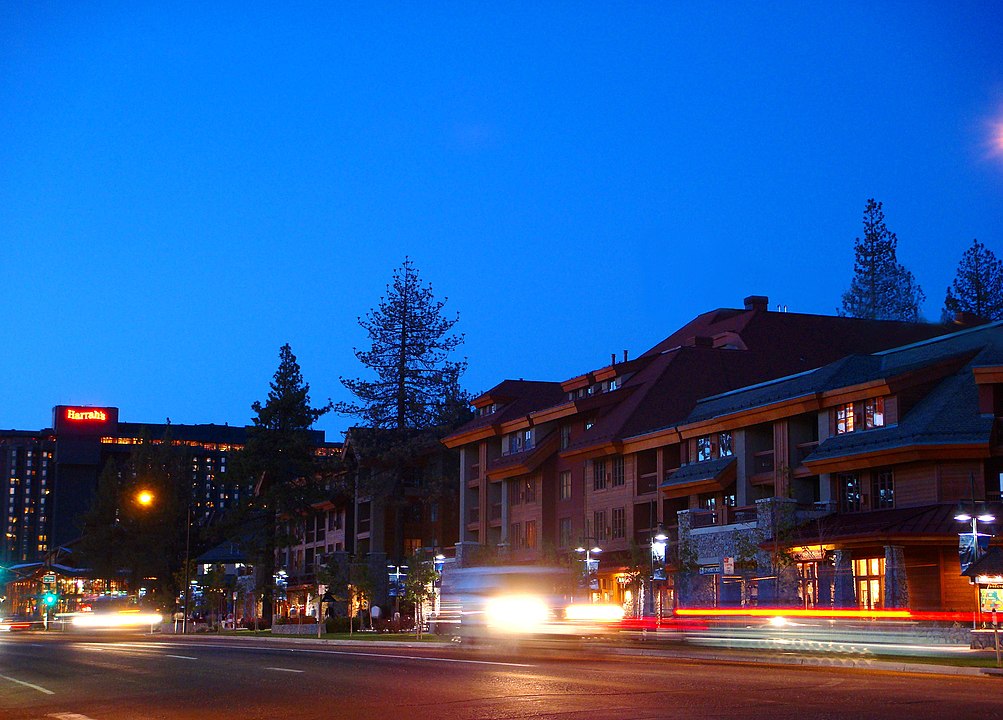
California Department of Fish and Wildlife biologists have utilized DNA tracking to identify multi-generational crime families of bears responsible for dozens of home break-ins in the Tahoe Keys. The agency’s data reveals that conflict behavior is being taught by sow bears to their cubs, creating a lineage of animals that know how to open lever-handle doors and slide open unlocked windows. This genetic tracking has shifted the understanding of the problem from random acts to learned, cultural behavior among the local bear population.
Law enforcement officers in the basin report that home invasions have become a nightly occurrence during peak season, with some bears entering occupied living rooms to raid refrigerators. The Trap-Tag-Haze program aims to re-instill fear in these animals, but the sheer volume of unsecured vacation rentals undermines these efforts. Safety consultants stress that the bears here have lost almost all fear of humans, making them particularly unpredictable when cornered in a garage or kitchen.
Asheville In North Carolina
State wildlife officials observed a sharp increase in bear interactions following the infrastructure damage caused by Hurricane Helene, which left trash and food waste exposed across the city. Biologists with the North Carolina Wildlife Resources Commission explain that the disruption of normal sanitation services turned residential neighborhoods into open buffets for the local bear population. This acute crisis exacerbated an already growing trend of urban bear density in the Blue Ridge Mountains.
Researchers from the North Carolina Urban/Suburban Black Bear Study note that Asheville bears are some of the largest and most bold in the state, often denning under decks or in backyard brush piles. The destruction of natural corridors and the abundance of bird feeders and pet food have created a sink where bears move in and never leave. Experts advise that the post-hurricane landscape has permanently altered the risk profile, requiring residents to adopt aggressive attractant management strategies.
Jackson In Wyoming
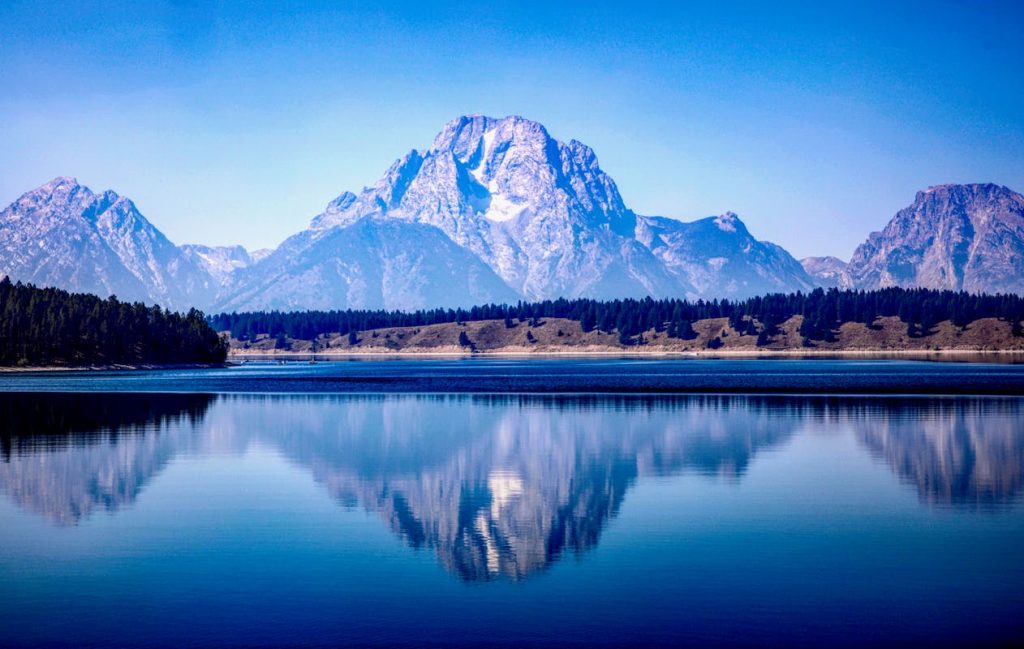
Grizzly bear recovery coordinators in the Greater Yellowstone Ecosystem report that grizzly bears are increasingly pushing into the residential zones of Teton County, displacing the smaller black bears that traditionally occupied these areas. This shift brings a much more aggressive and territorial species into direct contact with subdivisions and ranches. Wildlife managers point to the expansion of the grizzly population beyond the recovery zone boundaries as the primary driver of these high-stakes conflicts.
Local conservation groups like Bear Wise Jackson Hole emphasize that the presence of grizzlies changes the safety equation entirely, as these animals are more likely to defend food sources and cubs with physical force. New ordinances now mandate strict securing of attractants, but compliance lags behind the rapid movement of the bears. Rangers warn that hiking or jogging on the outskirts of town now carries the same risks as deep backcountry travel, necessitating the constant carriage of bear spray.
Missoula In Montana
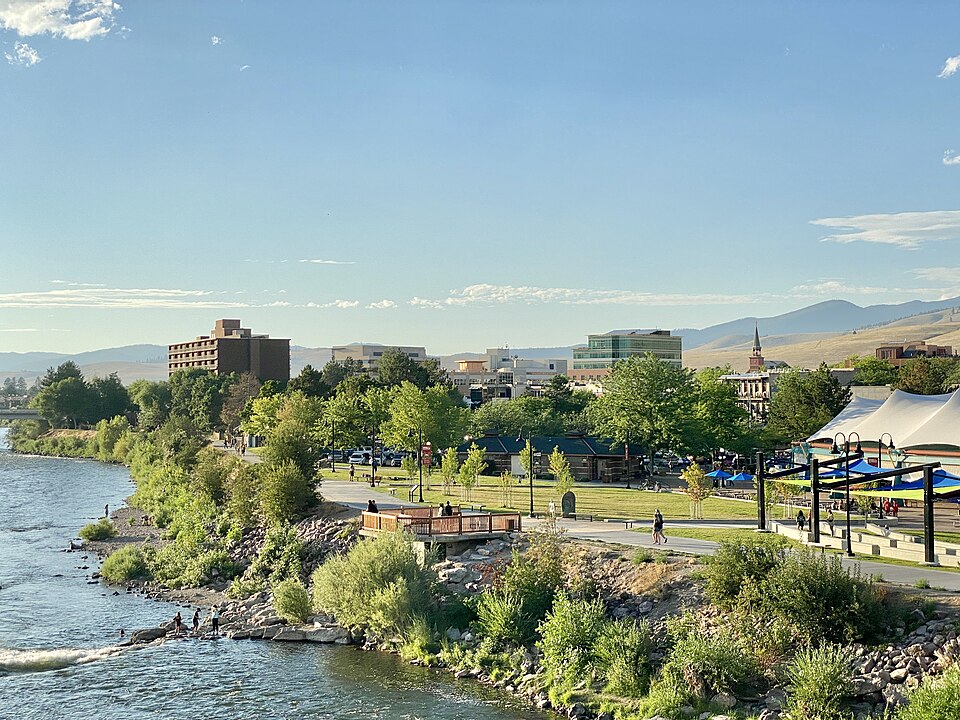
Montana Fish, Wildlife and Parks officials have aggressively expanded the Bear Buffer Zone around Missoula in response to a steady rise in conflicts along the urban-wildland interface. Biologists cite the Bitterroot and Rattlesnake drainages as natural funnels that bring bears directly into the city’s expanding footprint. The lack of natural food in the surrounding mountains during drought years has made the irrigated lawns and fruit trees of the valley floor irresistible to hungry bruins.
Sanitation directors have made bear-resistant trash cans mandatory in these buffer zones, acknowledging that voluntary compliance was insufficient to stop the habituation process. Experts explain that Missoula’s bears have mastered the timing of trash day, patrolling neighborhoods mere hours before pickup trucks arrive. The sheer volume of fruit trees including apples, pears, and plums left unharvested in backyards continues to draw sows with cubs into the heart of the city, increasing the likelihood of defensive attacks.
Durango In Colorado
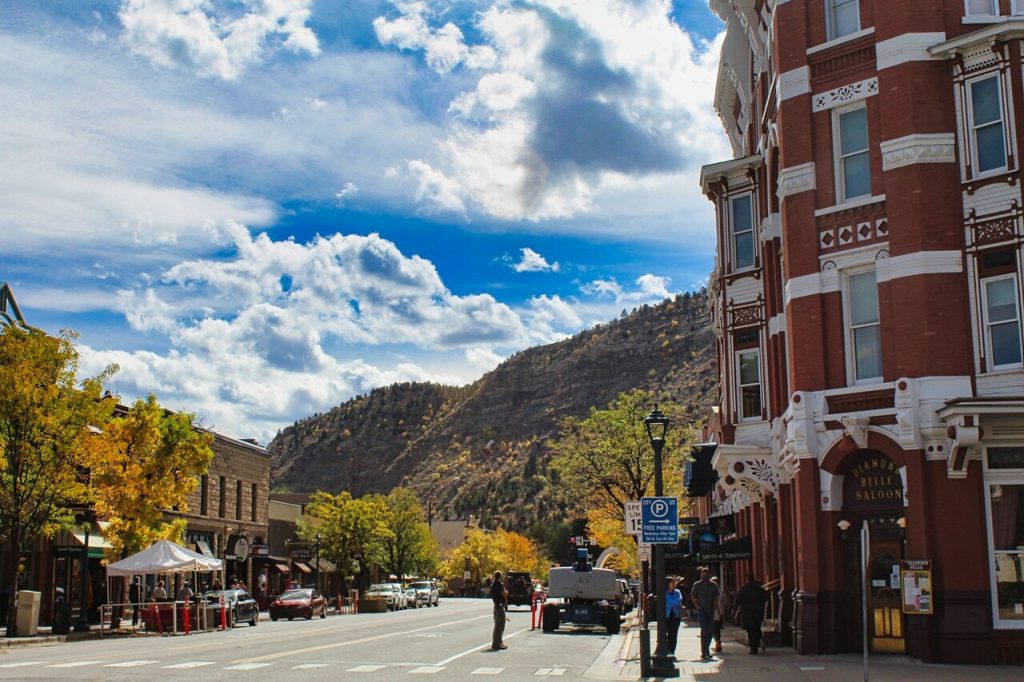
Wildlife researchers analyzing conflict data in La Plata County have identified a strong correlation between agricultural production and bear activity. The fruit belt surrounding Durango acts as a magnet, drawing bears from the San Juan Mountains down into the valley where they inevitably encounter human development. CPW managers note that incident reports here have tripled in recent years, with road-kill disputes and property damage leading the statistics.
Local authorities highlight that the bears in Durango have adapted to the rhythms of the tourist season, targeting vacation rentals that lack the hardened infrastructure of local homes. The geography of the Animas River valley funnels wildlife through town, creating pinch points where encounters are frequent. Experts warn that the combination of bad natural forage years and booming human development has created a conflict trap that is difficult to untangle without lethal removal of problem animals.
Gatlinburg In Tennessee

Tennessee Wildlife Resources Agency officers frequently deal with bears that have become local celebrities for their acrobatic feats, such as climbing downtown buildings to access roof dumpsters. However, biologists warn that this parkour behavior signals a dangerous level of food conditioning. The dense commercial district, bordering the Great Smoky Mountains National Park, provides a constant stream of high-calorie trash that keeps bears active and aggressive year-round.
Tourism officials struggle to educate the millions of visitors who view the bears as photo opportunities rather than wild animals. Experts attribute the rise in bluff charges and property damage to tourists feeding bears or crowding them for selfies. The proximity of the national park means that a fresh supply of wild bears is constantly being exposed to the human environment, creating a cycle of habituation that results in numerous bears being euthanized for safety reasons each year.
Mammoth Lakes In California
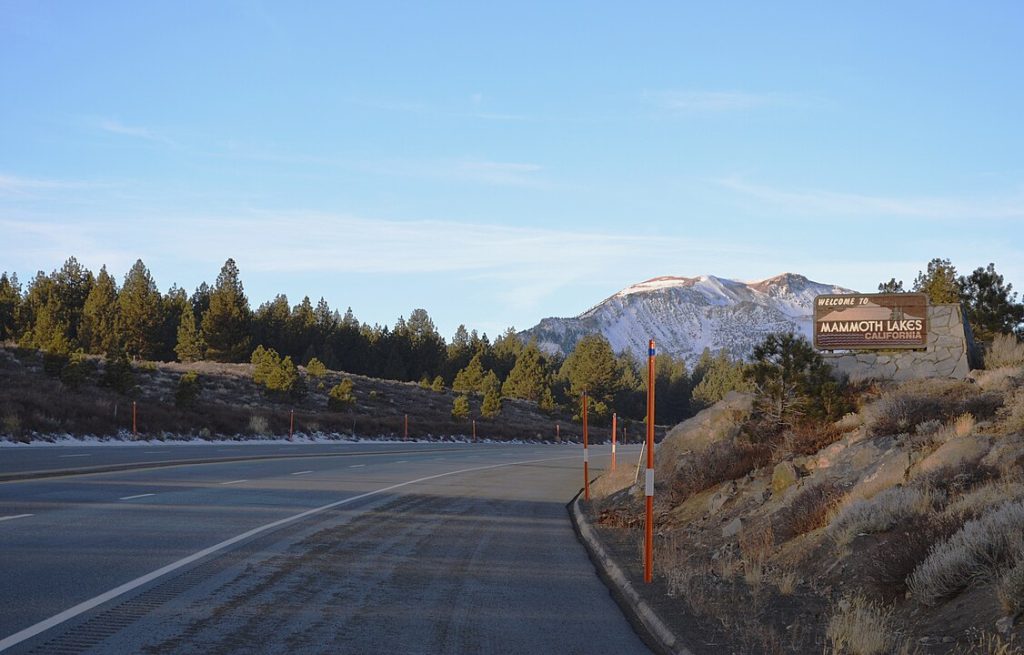
Eastern Sierra wildlife specialists estimate that nearly 30 bears live permanently within the town limits of Mammoth Lakes, a density that creates daily intersection points with residents. The famous Bear Man program focuses on non-lethal hazing, but experts admit that the influx of visitors often undoes months of training in a single weekend. Police reports indicate that bears here have learned to pop open camper shells and rip through soft-top convertibles to reach coolers.
Biologists explain that the bears have stopped hibernating as deeply or for as long because the anthropogenic food sources including dumpsters and restaurant grease traps remain available all winter. This year-round activity increases the window for conflict significantly. Safety officials emphasize that while these bears are generally tolerant, the sheer frequency of close-range encounters increases the statistical probability of a defensive reaction, especially involving off-leash dogs.
Big Sky In Montana
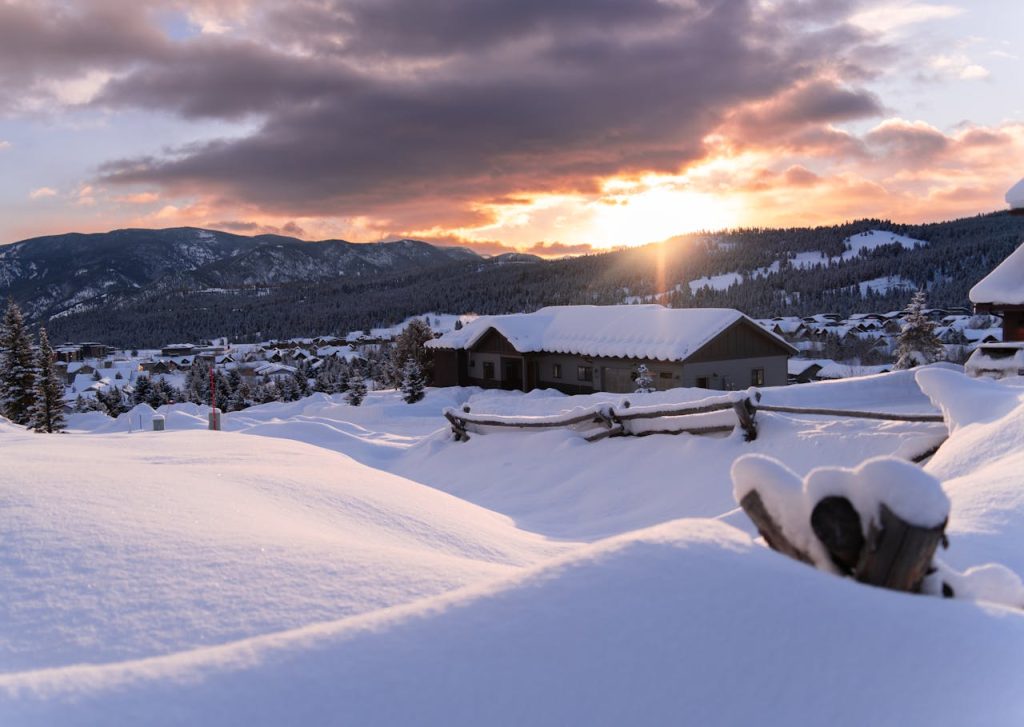
Hunter and angler reports submitted to Montana FWP indicate a sharp spike in grizzly bear encounters in the Gallatin Canyon and Big Sky area. Unlike black bears, the grizzlies here are apex predators that are expanding their range north from Yellowstone. Wildlife officials note that recent incidents involving hunters being charged by grizzlies highlight the volatility of sharing the landscape with these massive omnivores.
The explosive real estate development in Big Sky has pushed luxury homes deeper into prime grizzly habitat, fragmenting the corridors the bears rely on. Conservationists argue that landscaping choices, such as planting ornamental berry bushes, are inadvertently baiting grizzlies into driveways and patios. The overlapping of high-dollar tourism with active grizzly recovery zones has created a complex safety challenge where the margin for error is non-existent.
Red Lodge In Montana
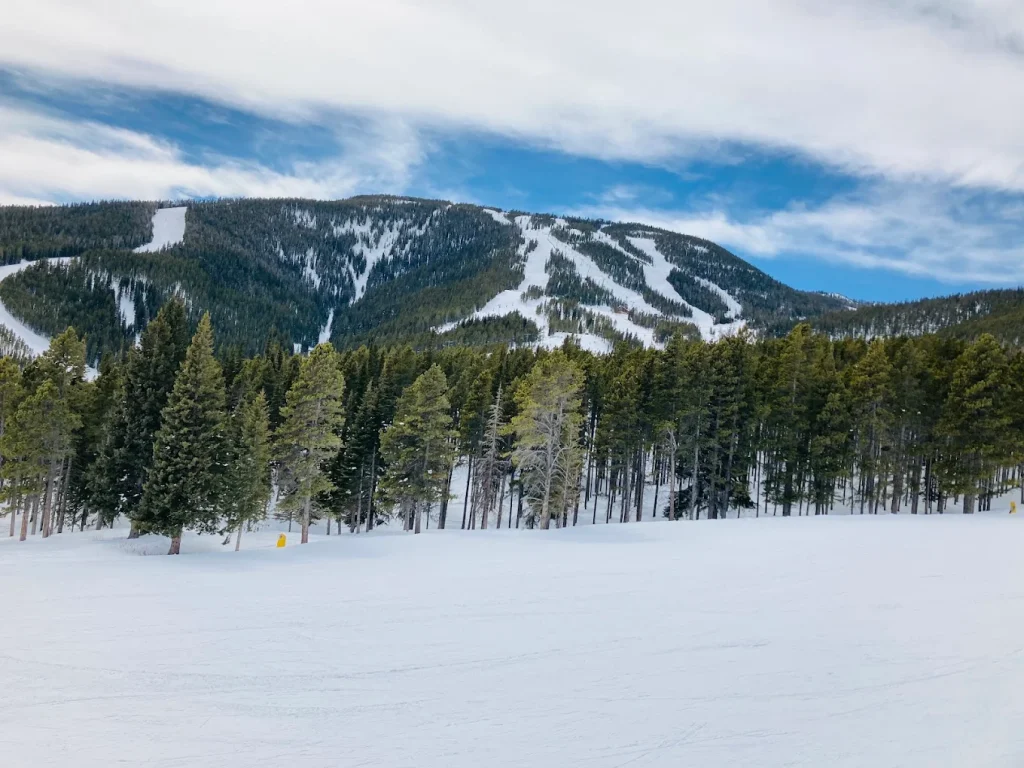
Beartooth Ranger District officials have documented a troubling rise in bears entering the town of Red Lodge, driven by failures in natural food crops in the high country. FWP reports identify the area as a current hotspot for conflicts, with bears frequently raiding garages and porches. The town sits at the base of the Beartooth Highway, acting as a catch basin for bears descending from the plateau in search of sustenance.
Local wildlife managers point out that the older housing stock in Red Lodge often lacks the garage space or secure enclosures necessary to store trash effectively. This structural vulnerability makes the town an easy target for bears preparing for hibernation. Experts warn that as the grizzly population continues to expand eastward, Red Lodge is becoming a new frontier for human-grizzly conflict, requiring a complete overhaul of how the community manages its waste and outdoor attractants.