These 12 Popular Tourist Destinations Have a Disease Risk Nobody in the Travel Industry Wants to Talk About
Millions of people are heading into peak travel season with little awareness of one of the fastest-growing health risks in popular vacation spots: dengue fever. Public health agencies around the world have warned that the mosquito-borne disease is spreading into places long sold as carefree escapes, from beach capitals to major city breaks.
The issue matters because many of these destinations are household names for U.S. travelers, and several have reported outbreaks, imported cases, or sustained transmission in recent years. Health officials say the message is simple: this is not about panic, but about knowing where the risk exists and how quickly conditions can change.
Bali, Indonesia

Bali remains one of Southeast Asia’s busiest leisure destinations, but it also sits inside a country that regularly records high dengue case counts. Indonesia has long dealt with dengue transmission, and local authorities periodically issue alerts during wetter months when mosquito breeding spikes.
For visitors, the risk often goes undernoticed because resort marketing focuses on beaches, villas, and nightlife, not insect-borne illness. Yet doctors serving foreign travelers in Bali have for years reported dengue among tourists, especially those staying longer or moving between beach zones and inland towns like Ubud.
The World Health Organization has described dengue as a major and growing global public health threat, and Indonesia is one of the countries where it remains endemic. That means the disease is established locally rather than appearing as a one-off event.
Travel medicine specialists say Bali is a classic example of a destination where prevention matters more than fear. Daytime mosquito bites, light clothing, and outdoor dining all create easy exposure if travelers do not use repellent, protective clothing, and screened or air-conditioned rooms.
Phuket, Thailand

Thailand is one of the most visited countries in the world, and Phuket is one of its biggest draws. It is also in a country where dengue circulates every year, with periodic surges tied to weather patterns, urban density, and mosquito control challenges.
Thai public health officials routinely monitor case growth, and hospitals in tourist areas are well familiar with dengue symptoms such as fever, headache, muscle pain, nausea, and rash. The problem for travelers is that early symptoms can look like flu, dehydration, or food poisoning.
Phuket’s mix of tropical heat, standing water, and dense visitor traffic creates conditions that make dengue prevention difficult. Mosquitoes that carry the virus, especially Aedes aegypti, bite mainly during the day, so the usual assumption that mosquito risk starts at dusk can leave tourists exposed.
U.S. health authorities have repeatedly urged travelers to tropical destinations to think beyond malaria and consider dengue too. In Thailand, that advice is especially relevant because the disease is so entrenched that even luxury travel settings do not remove the risk.
Cancun, Mexico

For many Americans, Cancun is the default easy beach trip. But Mexico has seen repeated dengue activity, and the Caribbean state of Quintana Roo, home to Cancun and nearby resort zones, has faced periods of elevated concern.
Mexican health authorities track dengue closely, particularly during rainy and humid months. The country’s surveillance system has recorded large national case totals in recent years, part of a broader regional increase across Latin America and the Caribbean.
That does not mean Cancun is unsafe in a blanket sense. It means travelers should recognize that mosquito-borne disease exists even in polished resort corridors where risk communication is often softer than public health data might suggest.
Doctors say tourists often assume all-inclusive properties offer a kind of health bubble. They do not. Open-air lobbies, pool areas, garden landscaping, and excursions to ruins or eco-parks can all increase daytime mosquito exposure without visitors realizing it.
San Juan, Puerto Rico

Puerto Rico is familiar, convenient, and heavily marketed to mainland U.S. travelers, but dengue has been a recurring issue on the island for years. In 2024, public health officials declared an epidemic as case counts climbed sharply, underscoring how serious the threat can become.
San Juan, as the island’s largest urban center and a major gateway for tourists, sits at the center of that conversation. Visitors may spend only a few days there, but dengue transmission does not require a long stay if exposure happens at the wrong time and place.
Because Puerto Rico is a U.S. territory, some travelers may wrongly assume health risks there are fully different from those elsewhere in the Caribbean. In reality, climate, mosquito habitat, and population density make the island vulnerable to the same pressures affecting the wider region.
The Centers for Disease Control and Prevention has advised travelers to take mosquito precautions in Puerto Rico, especially during active transmission periods. That guidance includes repellent, long sleeves when practical, and attention to symptoms after returning home.
Rio de Janeiro, Brazil
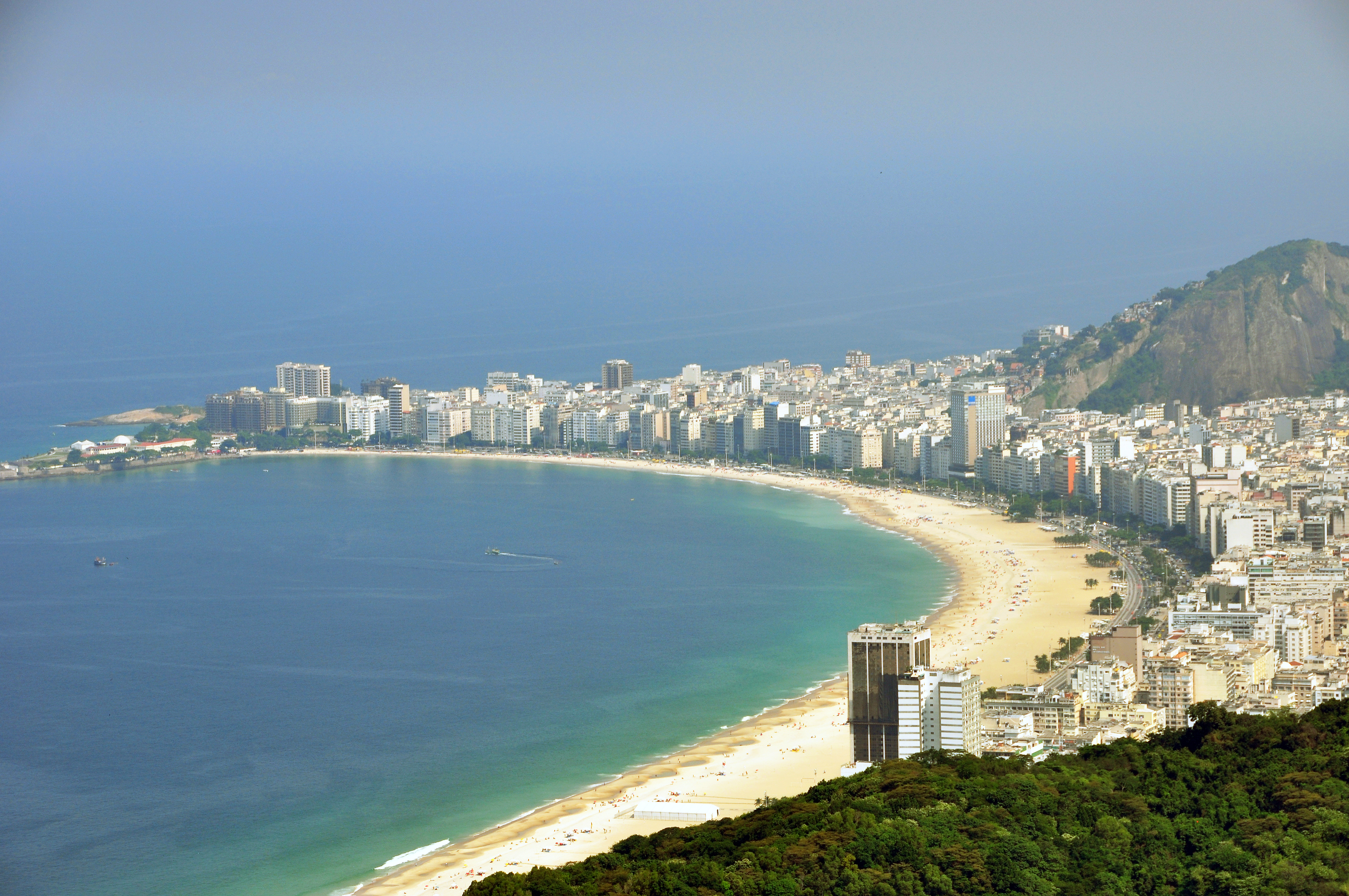
Rio de Janeiro sells itself on beaches, Carnival, and dramatic scenery, but Brazil has also been at the center of major dengue waves. The country reported record-breaking numbers in recent seasons, putting huge strain on clinics, hospitals, and mosquito control campaigns.
Rio’s climate and urban layout can support mosquito breeding, particularly after heavy rains and in neighborhoods where water collects. Even with aggressive public awareness efforts, officials have struggled to keep pace when national case counts surge.
For travelers, Rio presents a familiar problem in dengue communication. Tourism imagery is vivid and upbeat, while public health messaging is practical and easy to overlook unless a traveler actively seeks it out before departure.
Brazilian authorities have responded with emergency measures in several periods, including expanded surveillance and public advisories. Infectious disease experts say Rio is not unique within Brazil, but it is one of the most internationally visible places where dengue risk and tourism branding collide.
Barbados

Barbados is often promoted as a polished Caribbean escape with strong infrastructure and broad appeal to U.S. and British tourists. But like many islands in the region, it has faced dengue outbreaks and regular mosquito-control concerns.
Island settings can create a false sense that disease surveillance is small-scale or less urgent. In reality, public health officials in Barbados monitor dengue because outbreaks can affect both residents and tourism-dependent local economies very quickly.
Hotels and tourism boards rarely lead with this issue unless a major spike is underway. That is part of why health specialists say travelers should check official advisories and seasonal conditions themselves instead of relying only on destination marketing.
Barbados has robust healthcare compared with some neighbors, but prevention still matters because dengue has no specific cure. Treatment is largely supportive, and severe cases can escalate fast, particularly in children, older adults, and people with prior dengue infections.
Maldives

The Maldives is sold globally as a dream trip, with overwater villas and private-island luxury defining its image. What gets less attention is that dengue has been reported there repeatedly, including in the capital region and on inhabited islands beyond resort enclaves.
Resort guests may assume remoteness protects them, but mosquitoes do not respect brochure boundaries. Staff housing, transport hubs, excursions, and transfers through Malé can all create points of exposure, especially in warm and wet conditions.
Health agencies have noted that island nations are not exempt from dengue’s spread. In fact, dense local communities, imported travel, and environmental conditions can make control efforts difficult despite relatively small populations.
For Americans planning a once-in-a-lifetime trip, the practical takeaway is not to cancel. It is to prepare. Repellent, lightweight long clothing, and quick medical attention for fever after a bite-heavy stay can make a real difference.
Honolulu, Hawaii

Hawaii is not typically grouped with tropical disease headlines, which is exactly why it surprises travelers when dengue appears there. The state has recorded locally acquired cases in past years, and health officials have repeatedly investigated clusters tied to mosquito exposure.
Honolulu is the main arrival point for most visitors, even if many continue on to other islands. While Hawaii does not have the same constant dengue burden seen in some tropical countries, the presence of competent mosquito vectors keeps officials alert.
That distinction matters. A destination does not need year-round large-scale outbreaks to present a real disease risk. It only needs the right mosquito, an infected person, and conditions that allow local spread to begin.
For U.S. travelers, Hawaii feels domestic and familiar, which can lower caution. State officials have stressed source reduction, mosquito avoidance, and public reporting during investigations, a reminder that even iconic American getaways are not immune to this trend.
Madeira, Portugal

Madeira is one of Europe’s best-known island escapes, popular for mild weather, hiking, and cruise traffic. It also entered dengue discussions after a notable outbreak in the past decade, showing that European destinations are not outside the map anymore.
Portugal’s autonomous island has remained a case study in how quickly dengue can become a tourism issue when the right mosquito species is present. The event drew international attention because it challenged the idea that dengue is only a faraway tropical concern.
Today, public health experts point to Madeira as a warning about climate suitability and travel-linked spread. Even when active transmission is not surging, the island remains relevant in discussions about surveillance, vector control, and traveler awareness.
For visitors, the risk may be lower than in some endemic hotspots, but not absent as a concept. That nuance is often missing from consumer travel coverage, which tends to reduce destinations to either safe or unsafe when the reality is more conditional.
Key West, Florida

Key West has long been one of America’s easiest tropical-feeling getaways, but it has also dealt with dengue before. Florida health authorities have investigated and confirmed locally acquired cases at different points, including in Monroe County.
The wider Florida picture matters too. The state regularly monitors imported and local mosquito-borne disease activity because of its climate, travel volume, and mosquito populations. That keeps dengue on the radar even when numbers remain relatively limited.
For tourists, the risk is easy to dismiss because a place like Key West feels casual and familiar, more associated with cruises and sunsets than outbreak bulletins. But public health experts say familiarity can be one of the biggest blind spots in travel behavior.
The lesson from Florida is not that dengue is widespread year-round there. It is that local transmission has happened in a major U.S. leisure destination, making mosquito precautions reasonable rather than alarmist during active risk periods.
Cape Verde

Cape Verde, off the coast of West Africa, has become more visible as a sun-and-sea destination for European and international tourists. It has also experienced significant dengue activity, including an outbreak that drew global public health attention.
Its tourism profile is still smaller for Americans than Cancun or Bali, but it illustrates a broader point: rising dengue risk is not confined to the usual handful of tropical countries people already associate with mosquito-borne disease.
Public health researchers often cite Cape Verde when discussing how travel, climate, and vector presence can reshape disease geography. Once a destination gains direct air links and visitor growth, the gap between local health concerns and tourism messaging can widen quickly.
That makes Cape Verde a useful example in this list. It is not just about where Americans go most often. It is also about how the global travel map increasingly overlaps with dengue’s expanding footprint.
Singapore

Singapore has one of the world’s strongest public health systems, yet it still reports dengue cases and mounts regular anti-mosquito campaigns. That alone shows how difficult the disease is to control, even in a highly organized city-state.
For travelers, Singapore often feels almost clinically efficient, with clean streets, modern hotels, and excellent infrastructure. But dengue does not only thrive in places that fit outdated stereotypes about poor sanitation or weak institutions.
Authorities there publish detailed data and frequently remind residents to remove standing water and protect against bites. The country has seen sizable outbreaks despite extensive vector-control efforts, making it one of the clearest examples of dengue’s resilience.
That matters for tourists because Singapore is often used as a stopover or first Asian destination for cautious travelers. If dengue risk exists even there, experts say, then travelers should understand this as a mainstream global issue, not a fringe one.