These 8 Kite Surf Spots Gusty With Kite Kills
Wind is the real narrator in kitesurf towns. It sets the café schedule, decides which beaches fill first, and turns a casual forecast into a shared ritual. Even quiet mornings carry that hum.
At the spots below, the breeze can start friendly and then tighten into gusty pulses, especially in the afternoon. Crowds and current shrink the margin for sloppy launches, so locals talk about patience before stoke.
The riding is loved because it rewards good habits: clean line checks, clear right-of-way choices, and the confidence to stop early when control feels thin. Strong wind is a gift, but it still asks for respect, every time.
Bloubergstrand, Cape Town, South Africa
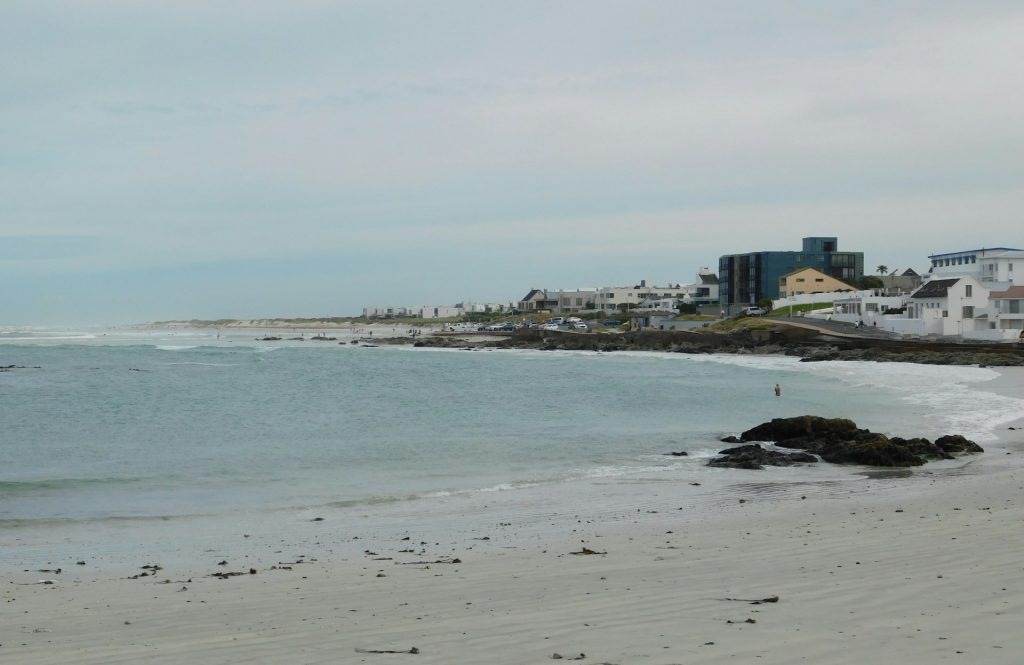
Bloubergstrand runs on the Cape Doctor, a south-easterly that often locks in through the warm months. Guides describe consistent winds from about Oct. through March, with the strongest feel most afternoons, when Table Bay turns into a fast, spray-filled runway under Table Mountain.
That reliability can hurry people into sloppy launches. Cold water, gust pulses, and short sets on the inside keep attention sharp, and downwind drift starts quickly on powered days. Locals slow the whole process down: tidy lines, clear hand signals, patient starts, and a reset the moment control begins to feel forced, not fluid. A smaller kite saves the vibe.
Tarifa, Spain
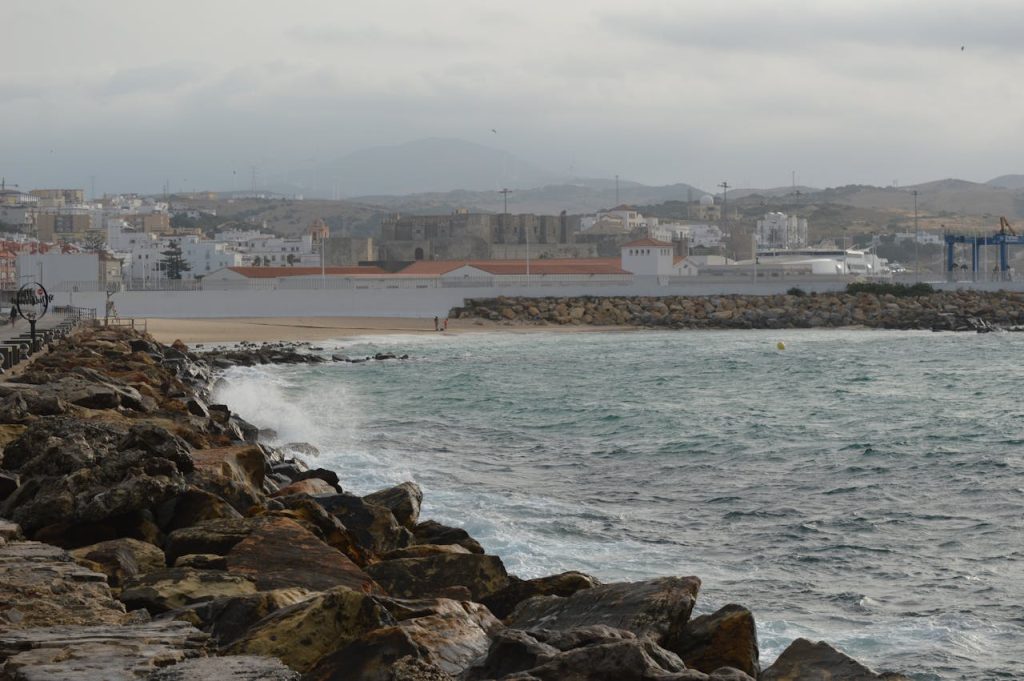
Tarifa sits at the Strait of Gibraltar, where the map itself creates wind. Locals talk in two names: Poniente from the west, often smoothed by afternoon thermals, and Levante from the east, which can blow harder and longer through the strait. Many guides call April through Oct. the most reliable window.
On busy days, that famous wind also means crowded launches and fast drift down the beach. Levante sessions, in particular, reward conservative kite choices and a plan for ending the run, not just starting it. Regulars keep it calm with slow rigging, wide spacing, and a willingness to sit out early when the rhythm turns choppy.
Hood River, Oregon
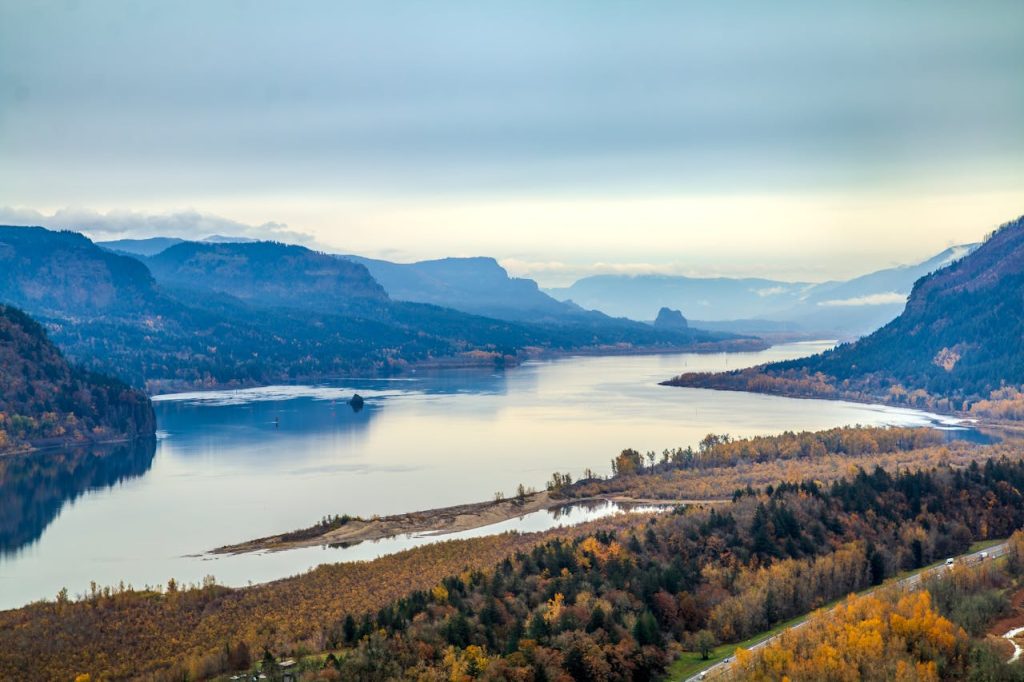
Hood River’s summer scene is powered by the Gorge effect. Cooler air from the west gets pulled toward hotter inland terrain, and the Columbia River corridor funnels that exchange into strong thermal winds. Guides list May through Sept. as high season, with many afternoons around 15 to 30 knots.
The river keeps everything moving. Current and chop change spacing quickly, and launches feel tight when the wind turns on. Gusty lulls can scramble timing, especially for riders who rig big to chase power. Locals prefer clean, predictable lines, launch help when needed, and sessions that end before fatigue dulls decisions out there.
Cape Hatteras, North Carolina
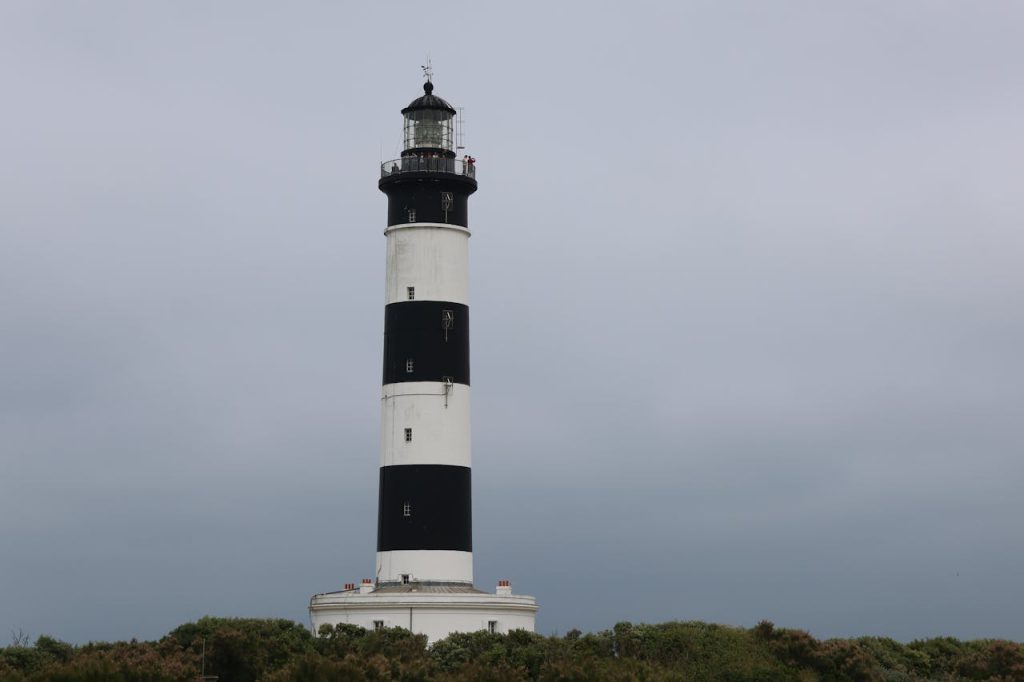
Cape Hatteras offers two moods in one place: Atlantic swell on one side and the flat Pamlico Sound on the other. Schools and guides often describe the open kitesurf season as April through Oct., with spring praised for steady southwest flow and fall favored by riders who want more texture on the ocean side.
Flat water can feel forgiving, but it also invites speed, and long reaches create fast separation when the wind ramps. Weather fronts can swing direction quickly, so locals watch the sky as the forecast. Sessions stay smooth when riders pick manageable kites, keep passing lanes wide, and stop before timing starts to feel rushed.
Dakhla Lagoon, Morocco
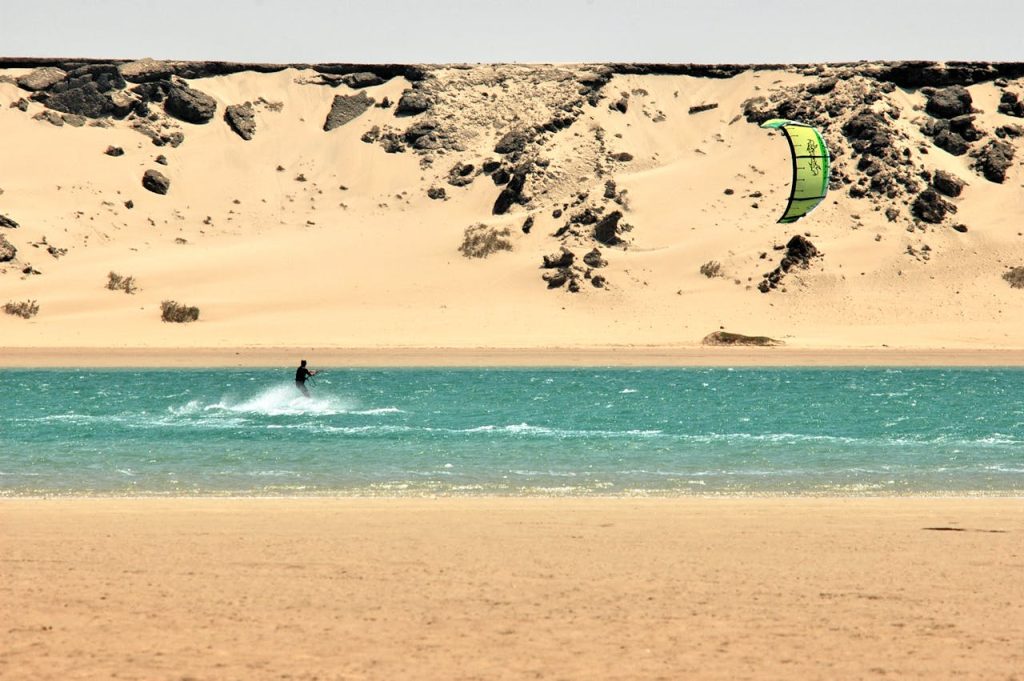
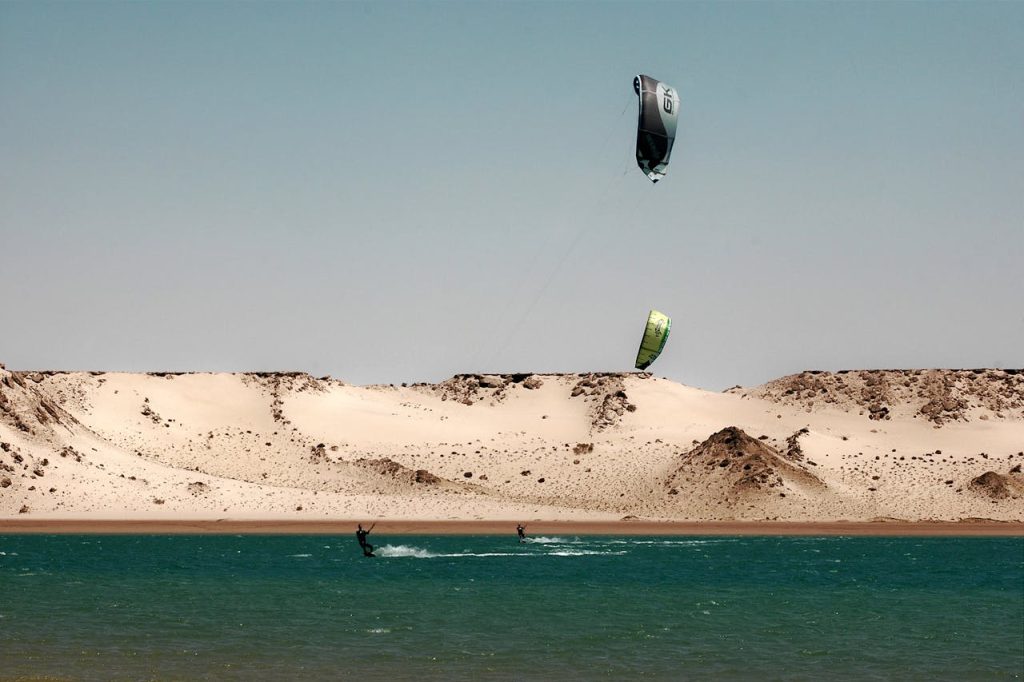
Dakhla Lagoon feels like a desert wind machine with a flat-water switch. Guides describe the best stretch as roughly March through Sept., with peak months May to Sept. often averaging about 15 to 25 knots. The shallow lagoon stays smooth, and nearby ocean spots add texture when riders want waves and room.
Remoteness changes the stakes when the breeze builds. A long drift still means a long walk back, and crowded perfect days tighten spacing on the slick water. Locals keep things steady by rigging neatly in sand, checking the quick release, and treating self-rescue as normal etiquette, not drama, after any tangle at all times.
Kanaha Beach Park, Maui, Hawaii
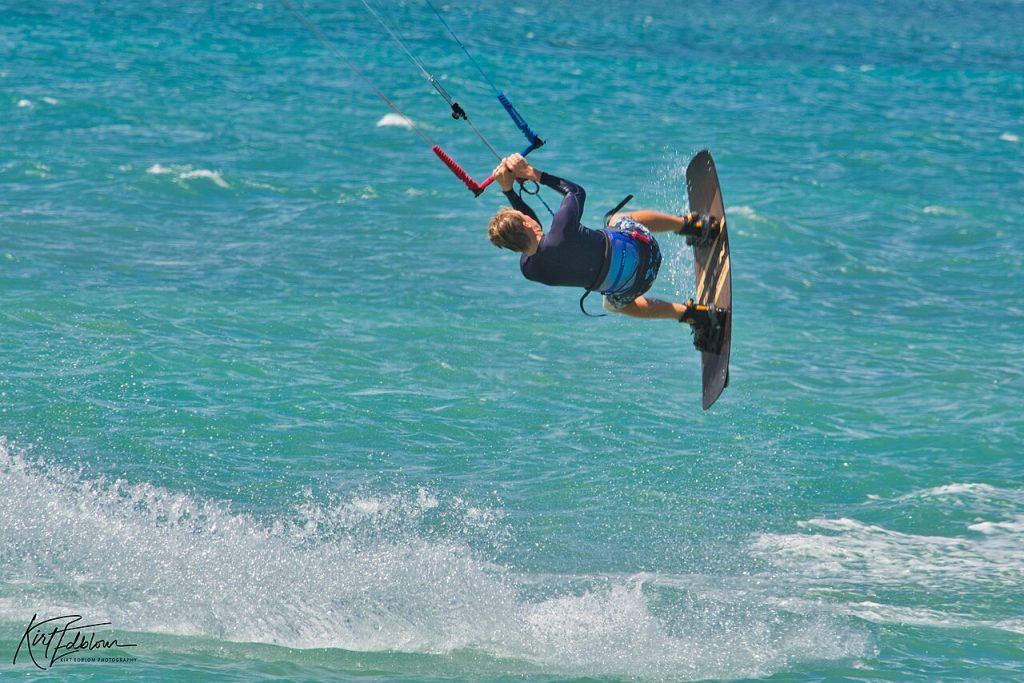
Kanaha Beach Park, near Kahului, runs on a dependable trade-wind rhythm. Spot notes say the wind starts late morning and holds into the afternoon, and many guides point to May through Oct. as the strongest window for kiteboarding and windsports on this stretch of Maui. The flow is side-on, which helps keep runs organized.
Reliability does not mean simple. Warm water, shorebreak, and a mix of skill levels keep attention sharp, and gust pockets show up when the wind funnels around the island’s terrain. Regulars keep sessions smooth with slow setups, clear signals, and landing help, then call it early when spacing starts to feel tight.
Le Morne, Mauritius
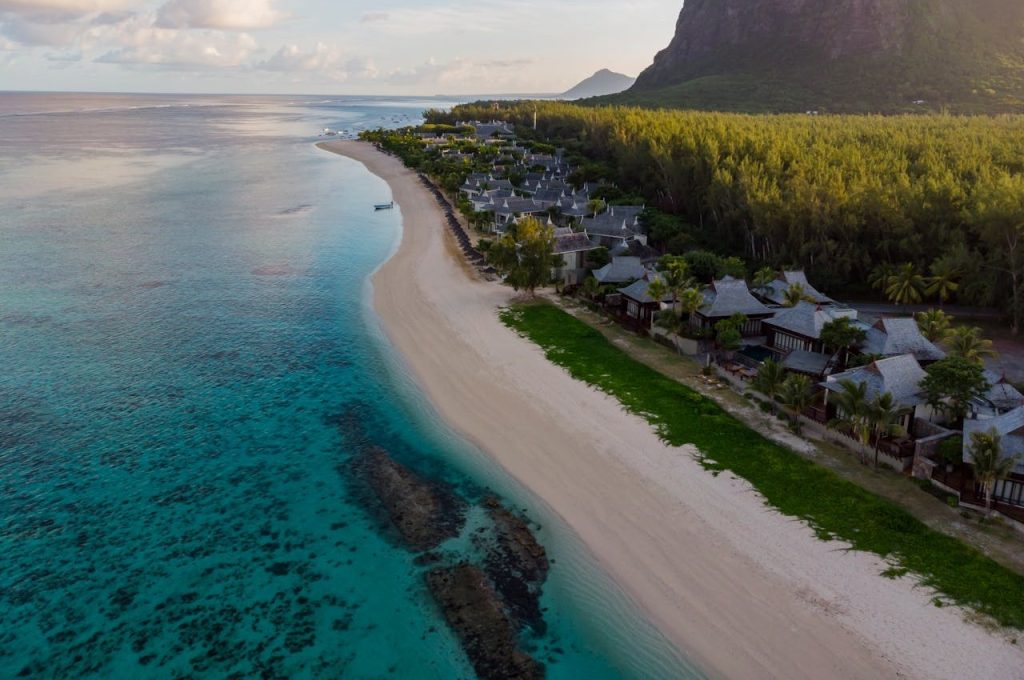
Le Morne pairs a bright lagoon with reliable south-easterly trade winds. Travel guides often call June through Nov. the strongest stretch, noting a solid share of days above Force 4, and the wind typically blows cross-shore on the main beach. It is the cooler season, with air often cited around 20–26°C, plus clearer water.
The reef also sets the rules. Currents and coral mean a small lapse travels, and riding out toward the passes asks for local knowledge and clean exits. Regulars keep it smooth with conservative lines, patient passing, and gear choices that leave room to breathe. The goal is steady control, not maximum power.
Cumbuco, Brazil
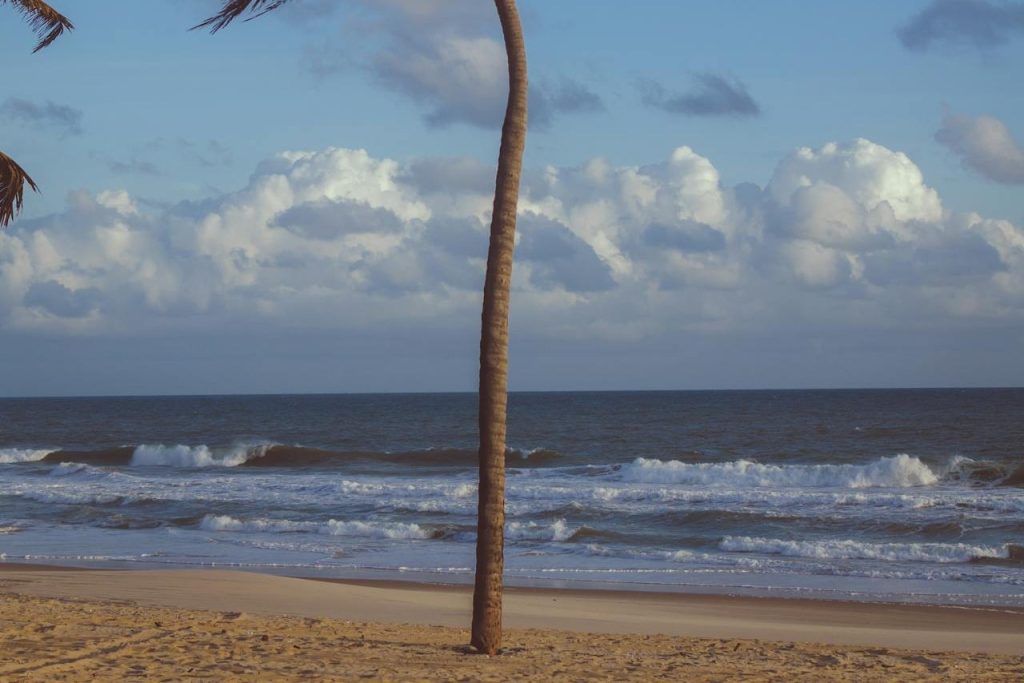
Cumbuco, near Fortaleza, turns wind into a routine. Local weather guides describe a high guarantee from about June through January, with trade winds commonly in the 15 to 25 knot range and an afternoon build that keeps the beach lively. Warm water and nearby lagoons make it easy to stack long, varied sessions.
Convenience also concentrates traffic. Schools, downwinders, and fast riders share narrow lanes, so one shaky tack can ripple through a crowd. Regulars keep the mood light with predictable lines, clear right-of-way choices, and landing help when the wind sharpens late day. Manageable kite sizes keep smiles intact, too.