These 9 Island Villas Isolated With Internet Ick
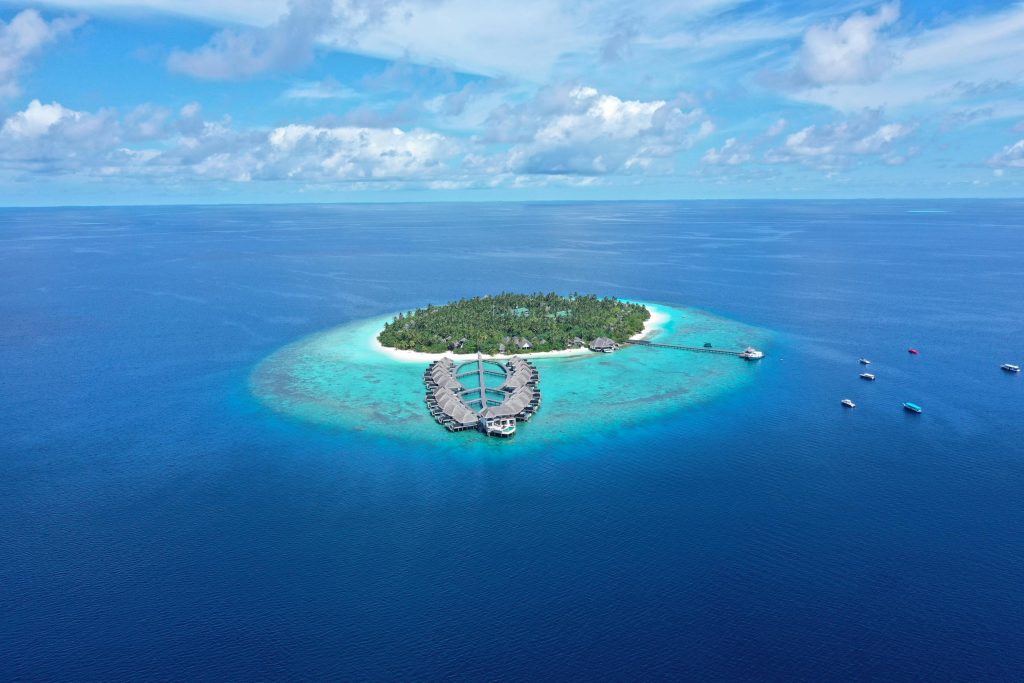
Telecommunications engineers and digital infrastructure analysts frequently warn that the fantasy of the remote island workcation often crashes against the reality of physics. While marketing materials promise high-speed connectivity alongside pristine beaches, the logistical challenges of running fiber optic cables to isolated atolls mean that bandwidth is often severely limited or entirely reliant on high-latency satellite connections. Network architects explain that the geographic isolation that makes these destinations desirable is the exact factor that degrades signal integrity.
Travel psychologists and digital wellness consultants note that many ultra-luxury properties deliberately maintain this friction to force a disconnect. For travelers accustomed to gigabit speeds and seamless video conferencing, the “internet ick” found in these regions—characterized by buffering, dropped calls, and dead zones—can be a source of significant stress. Understanding which villas prioritize seclusion over signal strength allows potential visitors to adjust their expectations and prepare for a true digital detox rather than a frustrating remote office experience.
Petit St. Vincent In Saint Vincent And The Grenadines
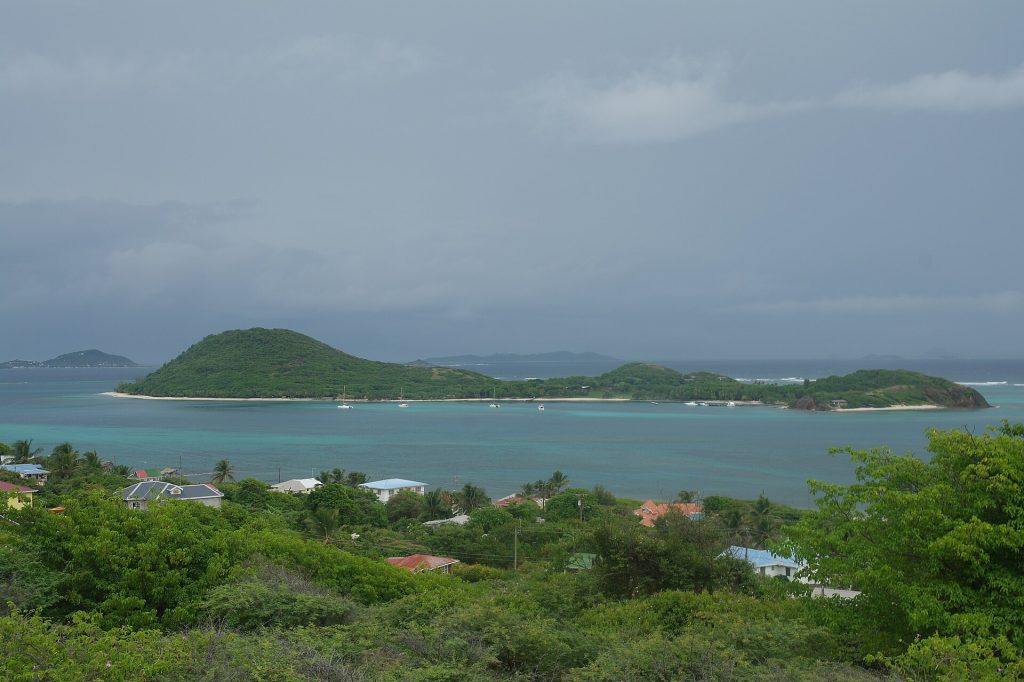
Hospitality management consultants frequently cite this private island resort as a pioneer in the deliberate disconnection model. The property operates without in-room televisions or Wi-Fi, utilizing a flag system for service rather than digital apps. Infrastructure experts note that the decision to limit connectivity is as much structural as it is philosophical, as the rolling topography and dense tropical foliage create natural barriers to reliable radio frequency transmission.
The cottages are scattered across 115 acres of rugged terrain, which telecommunications surveyors indicate makes the installation of a cohesive mesh network incredibly difficult and invasive. Guests looking for a signal must travel to specific common areas near the reception, a design choice that keeps the residential villas physically and digitally silent. This architectural enforcement of solitude ensures that the digital noise of the outside world cannot penetrate the sanctuary of the guest quarters.
Turtle Island In Fiji
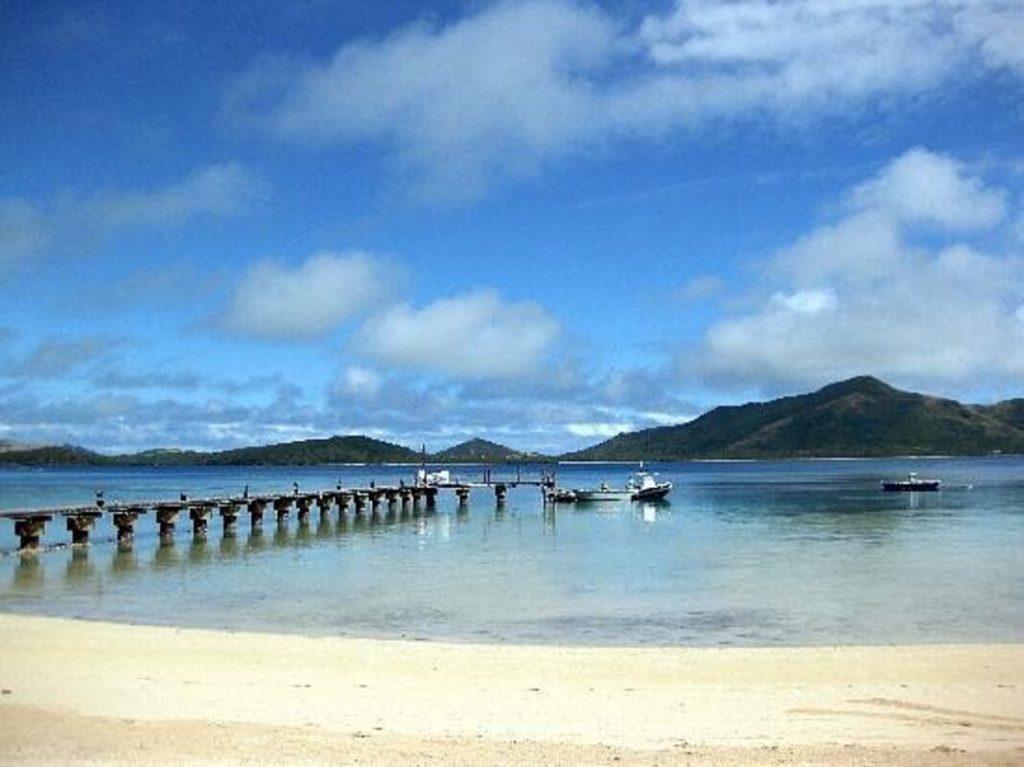
Renewable energy engineers and sustainability planners highlight that true eco-resorts often face a trade-off between power consumption and digital infrastructure. This private island runs almost entirely on solar power, and maintaining enterprise-grade servers and cooling systems for high-speed internet requires energy reserves that are prioritized for essential services like water desalination and refrigeration. The result is a connection that exists but struggles under the weight of heavy data transfer.
The location in the Yasawa Group places the island far from the main fiber lines that service the larger Fijian islands. Satellite internet technicians explain that the signal must travel thousands of miles into space and back, creating unavoidable latency that makes real-time video calls nearly impossible. Visitors are encouraged by the natural limitations of the grid to abandon their devices and engage with the communal culture of the island.
Little Palm Island In The Florida Keys
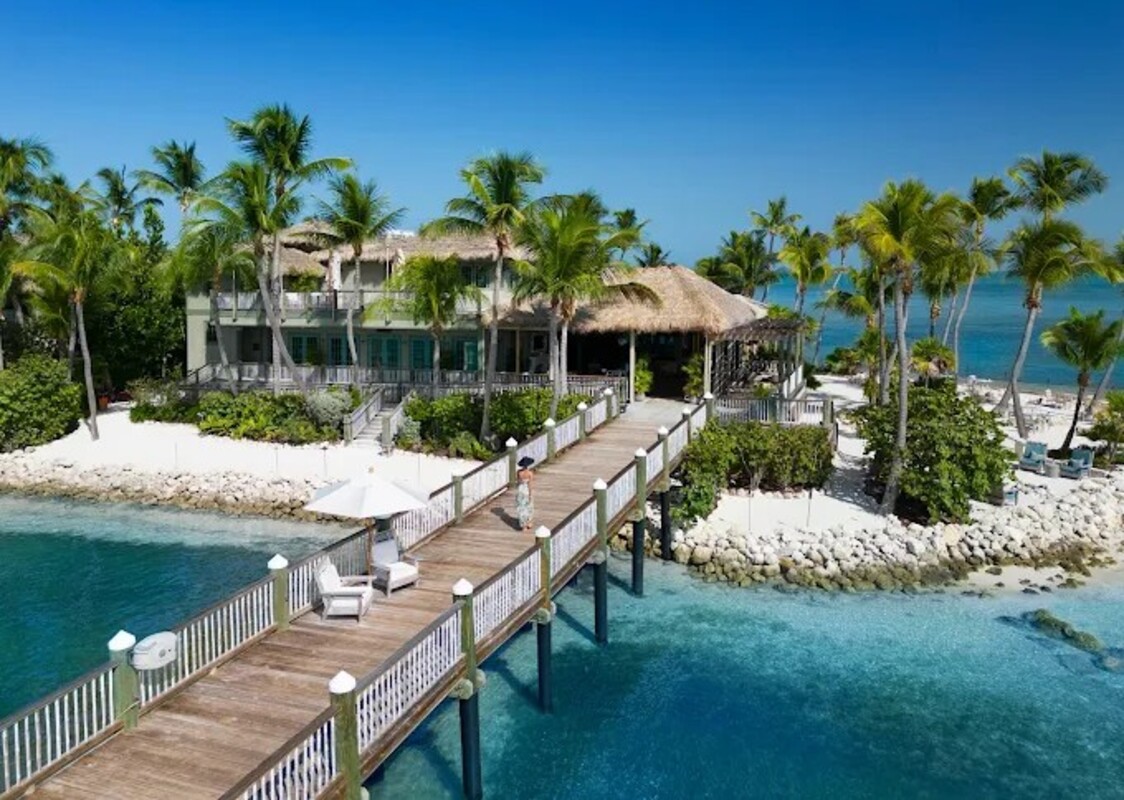
Luxury travel advisors and resort policy experts recognize Little Palm Island for its strict adherence to a non-digital environment. The resort maintains a policy that forbids the use of cell phones in public areas and provides no televisions in the bungalows. While the island is technically within range of mainland infrastructure, the management creates an atmosphere where digital connectivity is socially discouraged and physically restricted.
The structural design of the thatched-roof bungalows includes materials that do not facilitate the easy passage of cellular signals. RF engineers note that the density of the tropical landscaping combined with the heavy timber construction acts as a natural Faraday cage in many distinct areas. Travelers attempting to find a strong LTE signal often find themselves wandering to the end of the dock, effectively isolating their digital habits from the relaxation zones.
Lizard Island In Australia
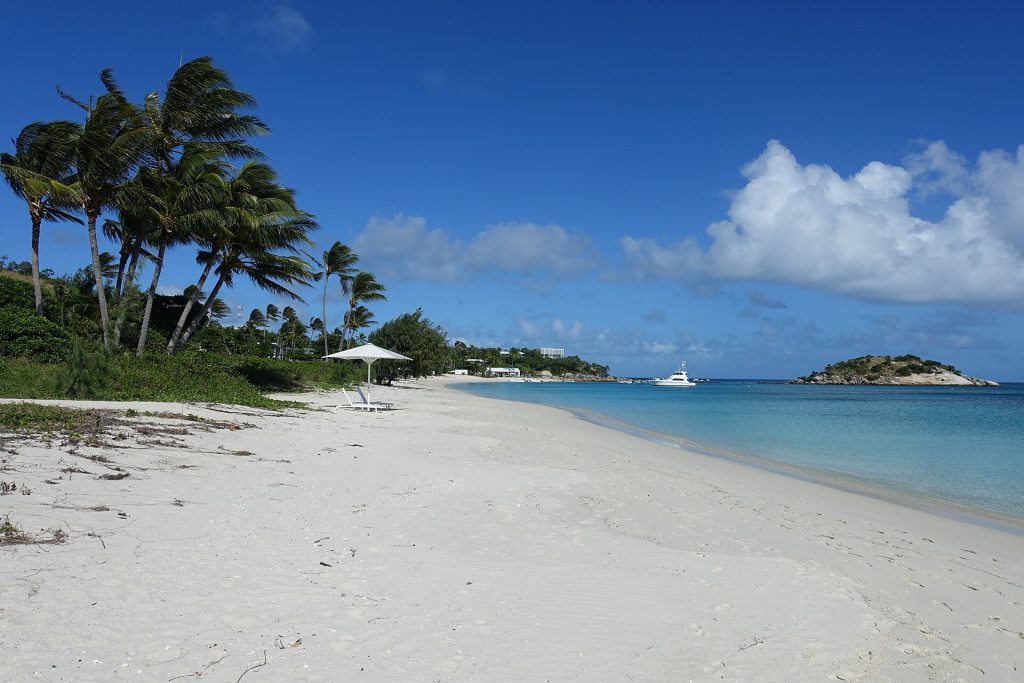
Marine biologists and Great Barrier Reef conservators emphasize that the isolation of Lizard Island is essential for the protection of the surrounding ecosystem. Located 150 miles north of Cairns, the resort sits in a zone where mainland towers are non-existent. Telecommunications specialists point out that all data must be piped in via satellite links, which are susceptible to disruption from heavy tropical cloud cover and storms.
The villas are designed to face the Coral Sea, positioning them away from the central hub where the limited Wi-Fi is broadcast. Network architects explain that extending a signal to the edge of the reef often involves disruptive trenching that is prohibited in such a sensitive national park environment. This ensures that the villas remain offline sanctuaries where the primary connection is with the natural world rather than a cloud server.
Mnemba Island In Zanzibar
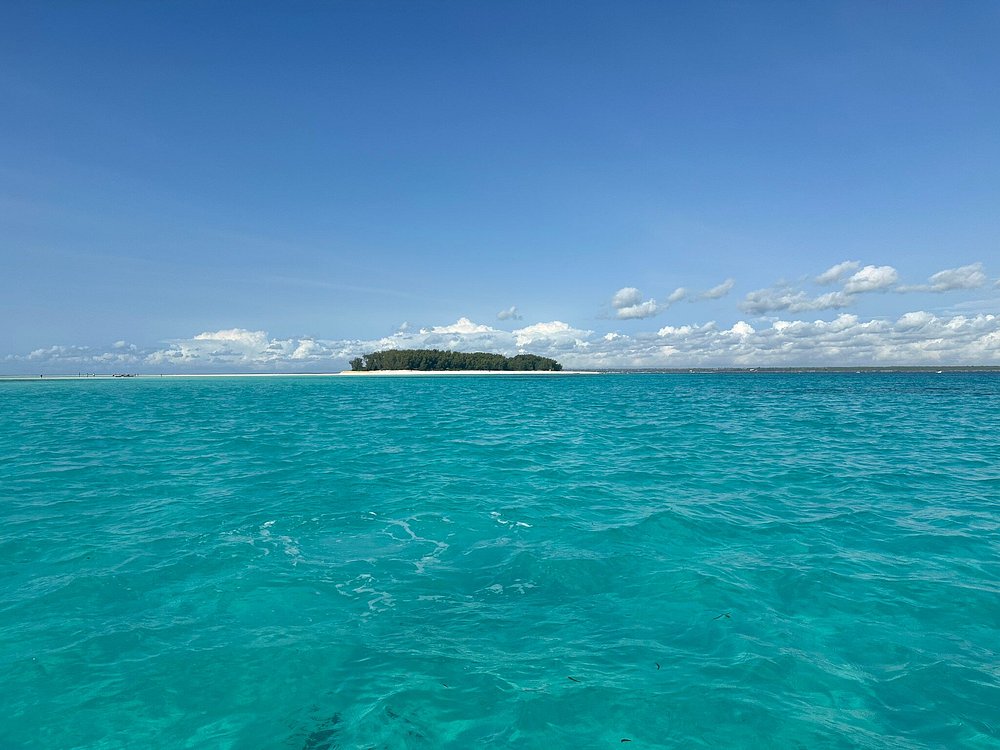
Eco-tourism architects and conservationists describe the accommodations on Mnemba as bandas rather than traditional hotel rooms, designed to have zero footprint on the atoll. The open-air structures lack the hard wiring and sealable walls necessary to protect sensitive networking equipment from the humid, saline air. Infrastructure planners note that the island focuses its resources on turtle conservation and coral health rather than bandwidth optimization.
The exclusivity of the island means there are only a handful of guests at any time, but the lack of a subsea cable connection limits the total available throughput. Data analysts warn that during peak hours when staff operations require bandwidth, guest connectivity can slow to a crawl. The luxury here is defined by “barefoot” simplicity, which inherently excludes the complex hardware required for high-speed streaming.
Kamalame Cay In The Bahamas
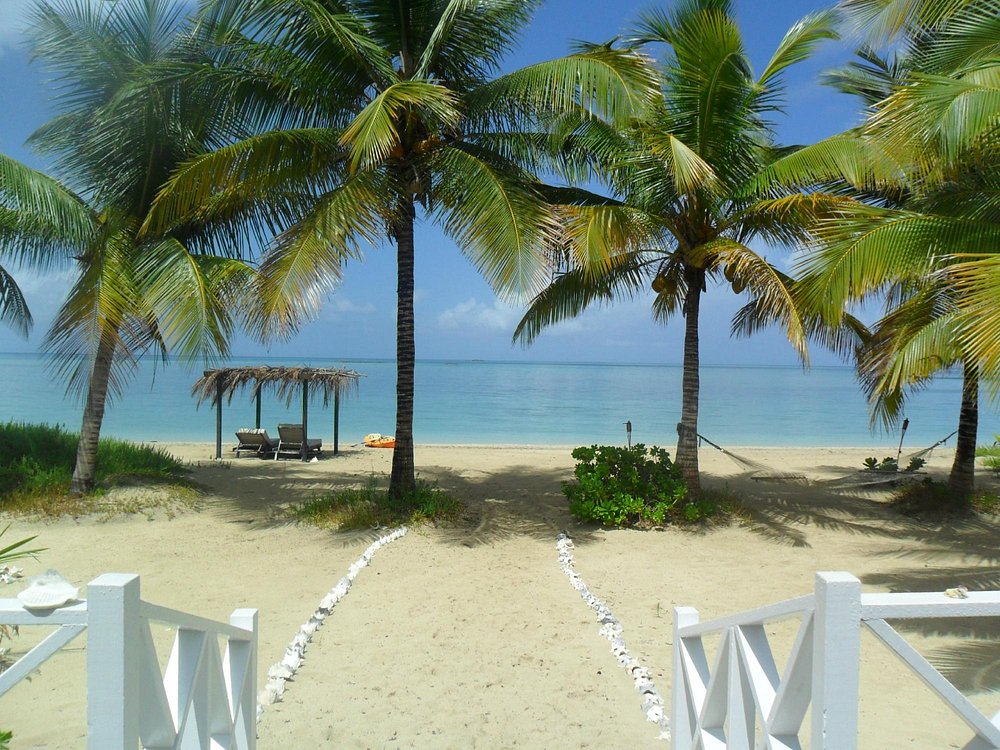
Logistics experts and Caribbean development planners point to the physical separation of Kamalame Cay from the mainland of Andros as a significant connectivity hurdle. The resort is accessible only by private ferry or seaplane, meaning it sits outside the standard service loop of local internet service providers. While connectivity is available in the Great House, the standalone villas spread along the coast rely on weak wireless bridges that often fail to penetrate the thick limestone walls.
The resort encourages a disconnection from the grid, and frequent power fluctuations common in the outer islands can reset routers and sever connections unexpectedly. Utility engineers explain that maintaining consistent voltage for networking gear on a remote cay requires massive generator backup that can disrupt the auditory peace. Consequently, the internet remains a secondary amenity that functions sporadically rather than continuously.
Song Saa Private Island In Cambodia
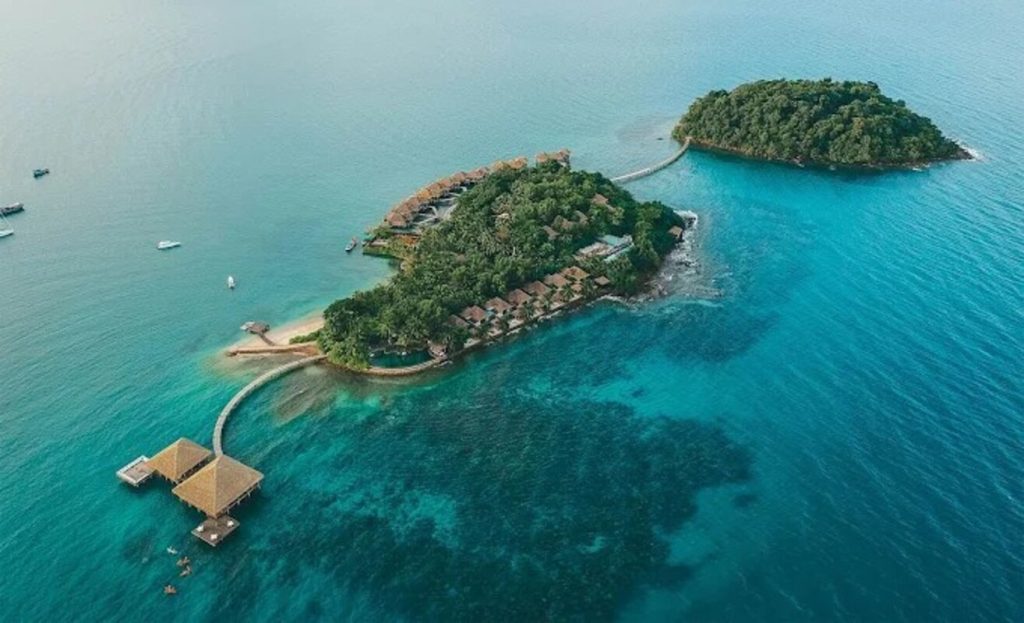
Network engineers operating in Southeast Asia identify the Koh Rong Archipelago as a challenging environment for digital infrastructure. Song Saa is built partially over the water and partially in the jungle, a topography that RF planners describe as a nightmare for signal propagation. The humidity and dense vegetation absorb Wi-Fi signals, creating dead zones inside the luxurious jungle villas.
The resort prioritizes environmental preservation, meaning that unsightly cell towers and cabling conduits are strictly avoided. Sustainable development officers note that the focus is on the marine reserve and community outreach, with the digital experience taking a backseat to the physical one. Guests often find that the only reliable connection is nature itself, as the digital pipeline to the mainland is narrow and easily congested.
Nikoi Island In Indonesia
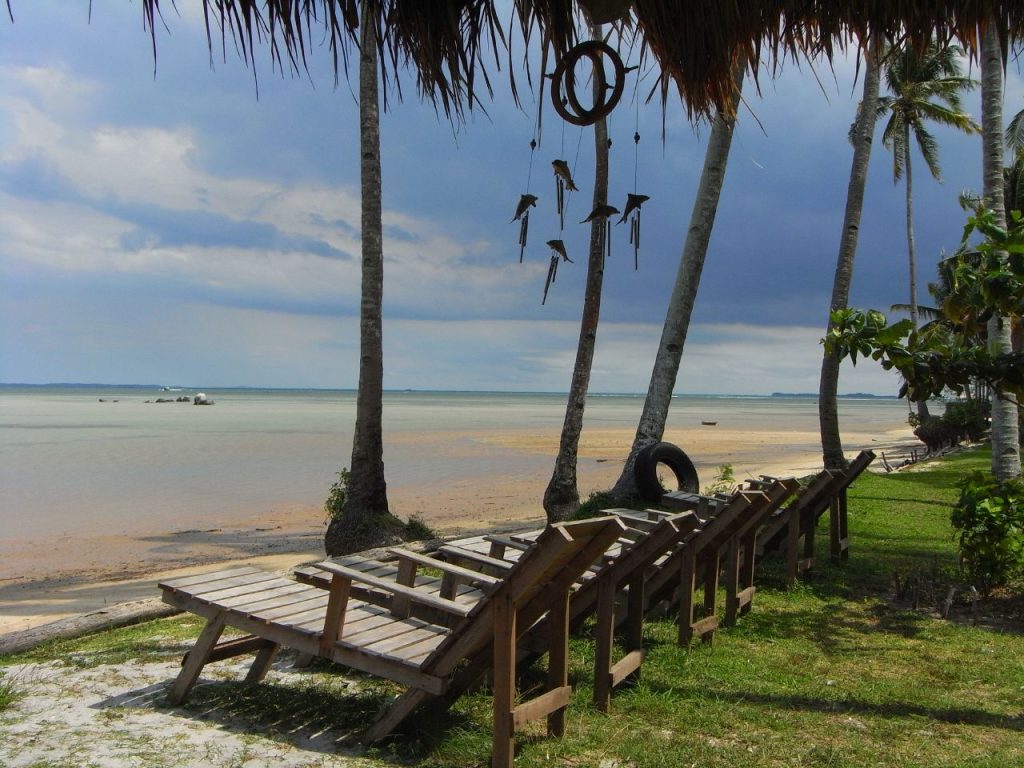
Sustainable tourism consultants cite Nikoi Island as a prime example of “back to nature” luxury that eschews air conditioning and complex electronics. The drift-wood style architecture is designed to capture sea breezes rather than Wi-Fi signals. Building biologists note that the lack of glass windows and sealed rooms makes it difficult to maintain the climate-controlled environment that routers and modems need to function reliably.
The island sits close to Bintan but operates a world away in terms of grid dependency. Solar power limitations mean that the resort does not support the server farms needed for high-speed guest access. The island management promotes an ethos of discovery and play for families, deliberately leaving the villas offline to prevent screens from competing with the surrounding jungle and ocean activities.
Denis Private Island In The Seychelles
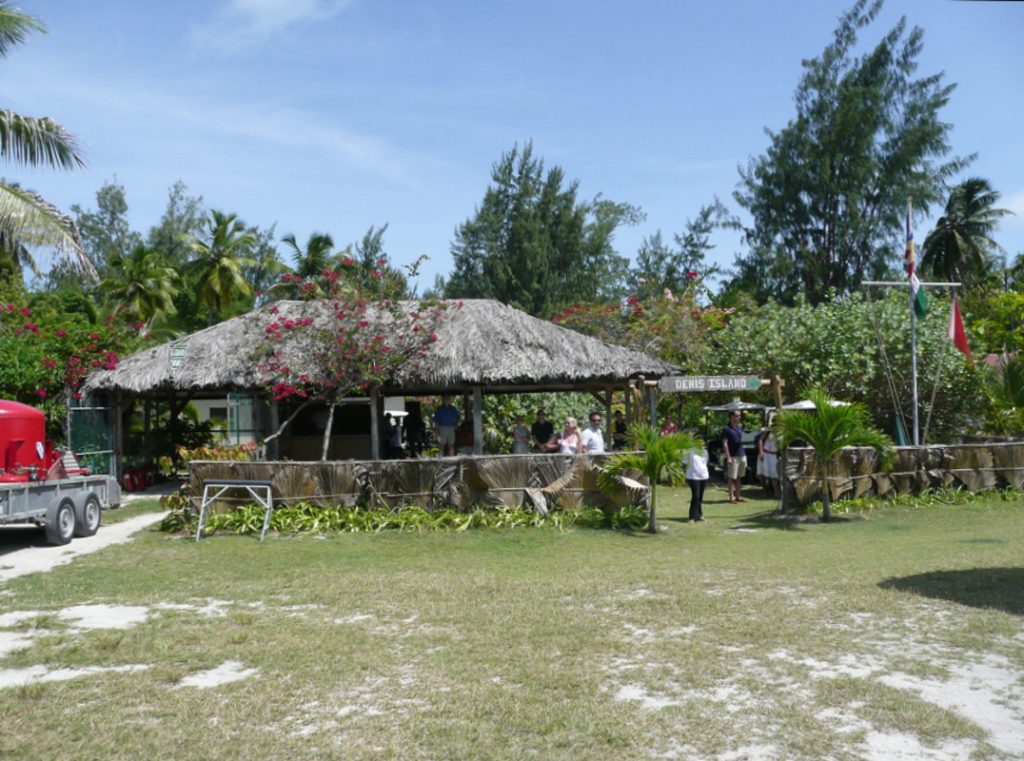
Subsea cable analysts and Indian Ocean geographers highlight the extreme remoteness of Denis Island, which sits at the edge of the Seychelles plateau. The island has no mobile phone signal, a deliberate choice that forces a digital detox on all arrivals. Connectivity experts explain that the cost of running fiber to a single resort island is prohibitive, leaving low-bandwidth satellite as the only option.
The cottages are spaced widely apart to ensure privacy, but this sprawl makes creating a unified Wi-Fi network logistically inefficient. Resort managers and wellness experts frame this lack of connectivity as the ultimate luxury, granting guests permission to be unreachable. The internet “ick” here is a feature, not a bug, ensuring that the sound of a notification never interrupts the sound of the waves.