This South Carolina island has is unlike anything you have seen before and half its land is protected forever
Edisto Beach feels different almost right away. The South Carolina island has long stood out for what it has not become.
Unlike many beach communities on the Southeast coast, Edisto’s identity is tied as much to protected land as to oceanfront vacations. That matters at a time when growth, erosion, and rising insurance costs are reshaping how Americans think about coastal living.
A barrier island shaped by protection
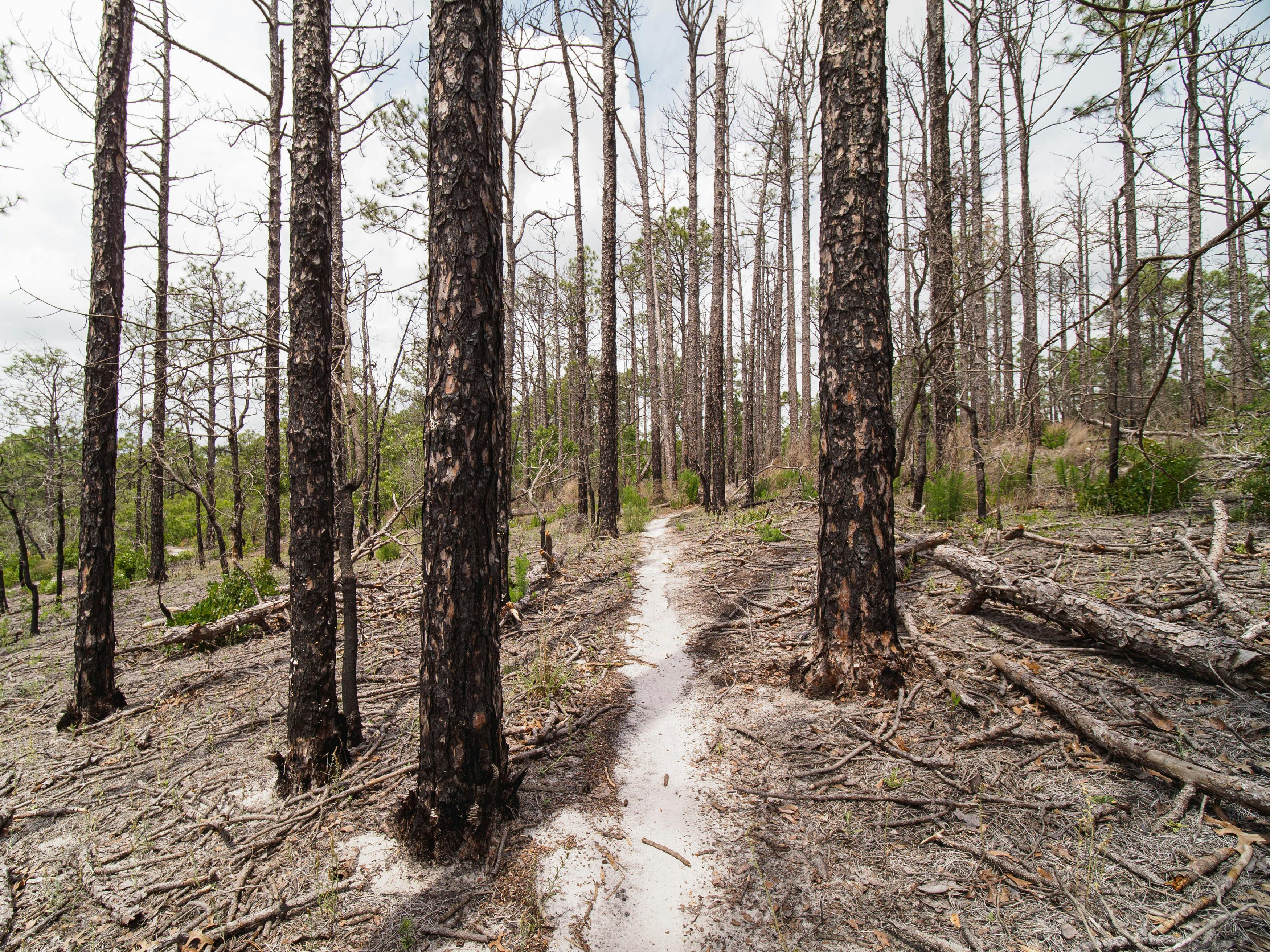
Edisto Beach sits on Edisto Island, about 50 miles southwest of Charleston, and the area is widely known for a slower pace than many of the state’s larger beach destinations. A key reason is land conservation. Large stretches of the island remain undeveloped, helping preserve maritime forest, tidal creeks, marshes, and wildlife habitat that have defined the area for generations.
Much of that protected character is connected to state park land, conservation holdings, and long-standing limits on dense development. Edisto Beach State Park alone covers more than 1,200 acres and includes both oceanfront and salt marsh landscapes. The result is a coastline where visitors can still move quickly from beach sand to shaded trails lined with palmettos and live oaks.
For travelers, that protected footprint creates a visual contrast that is increasingly rare on the East Coast. There are no high-rise hotel walls dominating the horizon. Instead, the island is better known for beach houses, public access points, bike rides, and broad views of dunes and marsh.
Why the island looks so different
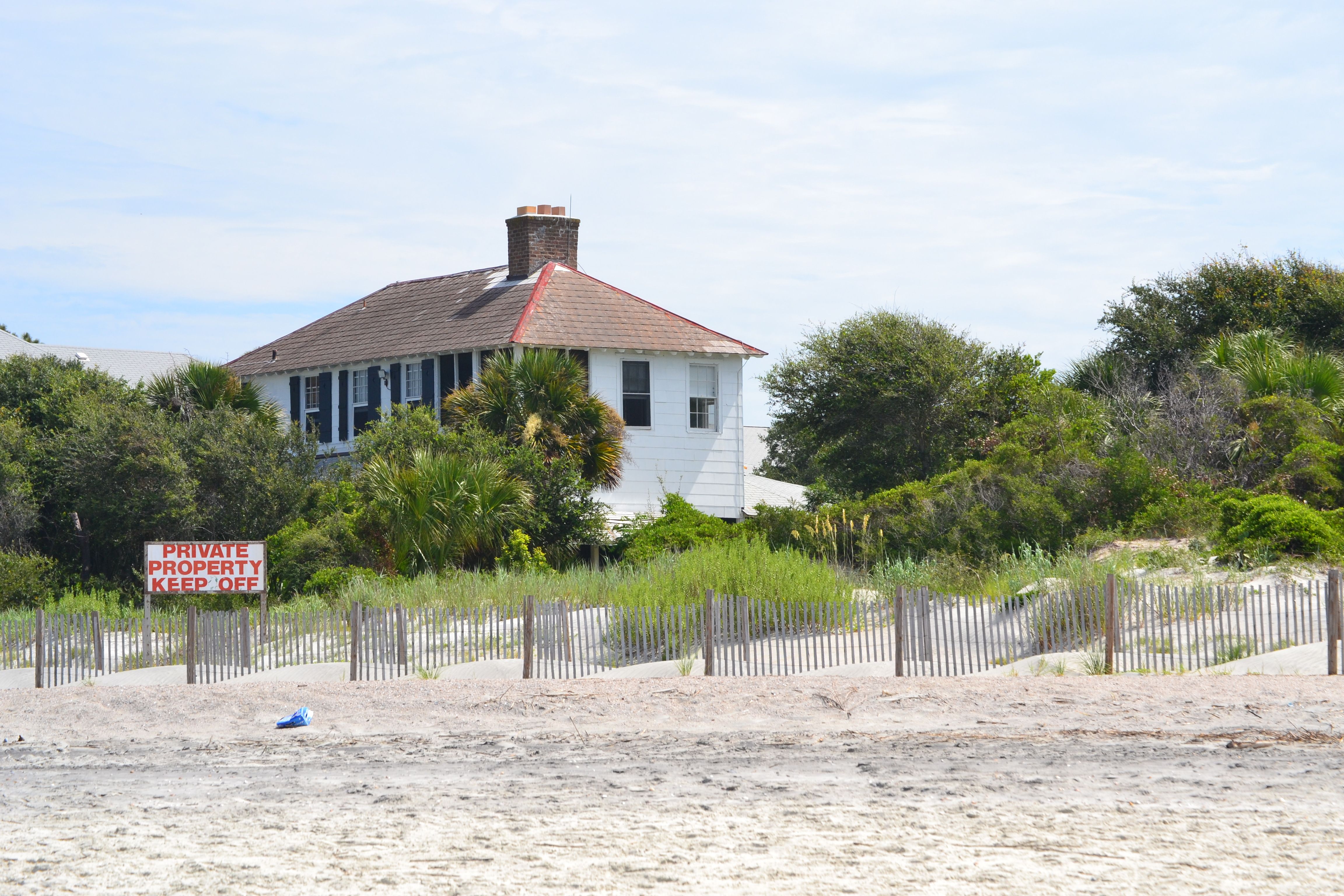
Edisto Beach has often been described by local tourism officials and residents as one of the state’s least commercialized beach communities. That reputation comes partly from geography and partly from planning choices made over decades. Preservation has limited how much of the island can be transformed into conventional resort-style development.
The broader Edisto Island area also carries cultural and agricultural history that sets it apart from more built-up coastal markets. The island is connected to the South Carolina Sea Islands, with working farmland, historic churches, and Gullah Geechee heritage adding context beyond a standard beach trip. That gives the destination a stronger year-round identity than places built mainly around seasonal tourism.
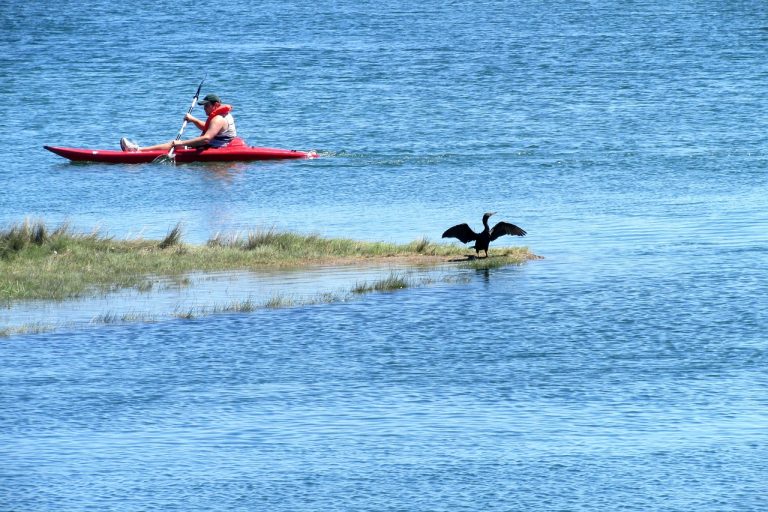
Visitors notice the difference in simple ways. Traffic tends to be lighter than at major resort beaches, natural scenery remains central to the experience, and outdoor recreation is built around kayaking, fishing, shelling, and trail walking. For many families, that has become the main draw.
Conservation is now part of the tourism story

Protected land is not just a backdrop at Edisto Beach. It is part of the economic story, too. Across the United States, communities are increasingly trying to balance tourism revenue with resilience, especially as storms, flooding, and shoreline change put pressure on barrier islands.
At Edisto, conservation helps support that balance by preserving dunes, wetlands, and forested areas that absorb water and provide habitat. Officials in coastal communities across South Carolina have pointed to natural infrastructure as an important defense against erosion and storm impacts. Preserved land can also reduce the pace of overbuilding that often leaves fragile coastlines more exposed.
That approach resonates with travelers looking for quieter destinations and more nature-focused trips. In recent years, state parks, eco-tourism, and outdoor travel have all seen strong public interest. Edisto Beach fits squarely into that shift, offering a coastal getaway where the natural landscape remains the headline.
What it means for visitors and the coast ahead

For visitors, Edisto Beach offers a version of the South Carolina coast that can feel increasingly hard to find. The island’s appeal is not based on amusement districts or dense nightlife. It rests on beach access, marsh views, protected habitat, and a sense that the landscape still sets the rules.
That does not mean the community is insulated from coastal challenges. Like other barrier islands, Edisto faces erosion, storm risk, and the long-term effects of sea-level rise. Those pressures have made land protection more important, not less, because open space can provide room for ecosystems and shorelines to adapt over time.
In that sense, Edisto Beach matters beyond tourism. It offers a working example of how a coastal community can remain welcoming to visitors while protecting much of what made it special in the first place. For many travelers, that is exactly what makes the island unlike almost anything else on the South Carolina shore.