Travel Choices Women Are Making Differently Than They Used To

Women are still traveling, but the way many of them plan and choose trips has changed a lot. The biggest shift is not less interest, it is better judgment about what actually makes a trip feel worth it.
A destination being famous is not enough anymore. More women are weighing comfort, timing, safety, and energy before they even look at the photo spots.
This change is practical, not dramatic. Life is fuller, schedules are tighter, and people want travel to support their real lives instead of interrupting them.
The result is a smarter style of travel. It feels more personal, more flexible, and much less driven by hype.
Solo Trips With A Safety Net
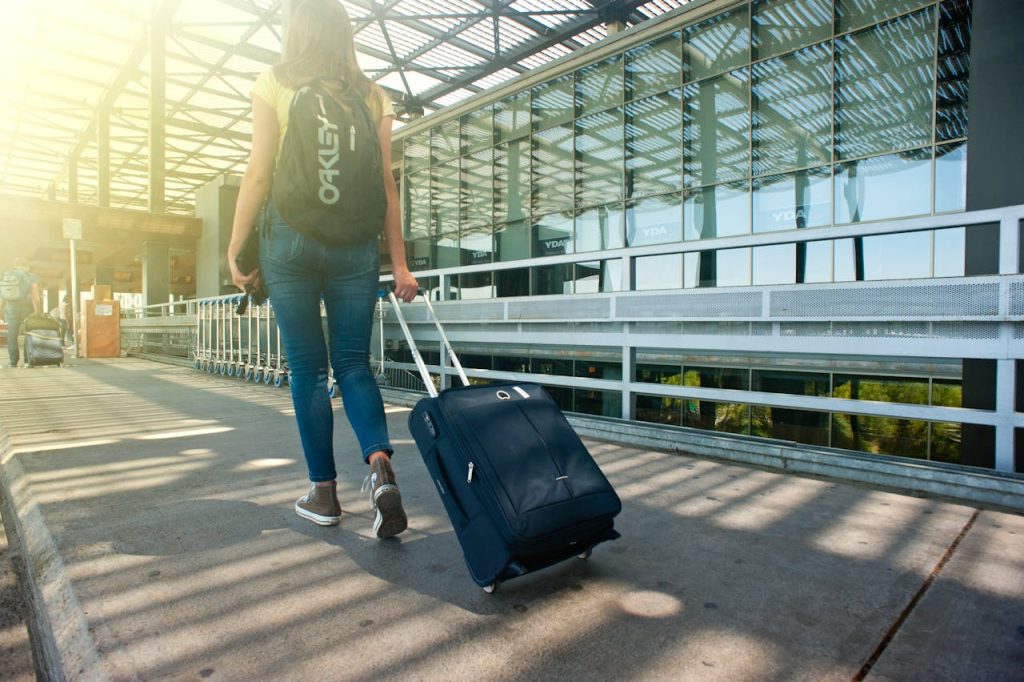
Many women are choosing solo travel, but not the old version where everything is unplanned and improvised. They still want freedom, but they also want a setup that feels easy to manage. That can mean a guided day tour, a reliable hotel, or a destination with simple transport.
This is not about fear. It is about protecting the feeling of the trip so one bad transfer or one sketchy area does not ruin the whole experience. The goal is peace of mind, not constant caution.
A lot of solo travelers now build in small layers of support. They book the first airport pickup, save offline maps, and choose neighborhoods that stay active after dark. Those details make the trip feel smoother from the first hour.
What changed is the definition of independence. Doing everything alone is no longer the point. Being able to move freely while feeling secure is what matters.
Safety Now Shapes The Itinerary
Safety used to be something many travelers thought about after they picked the destination. Now it is part of the first filter, right next to budget and weather.
That changes what gets booked. A beautiful place can lose appeal if the transport is confusing or the late-night options feel limited.
Women are also paying more attention to how a day ends, not just how it starts. A great museum or beach matters less if getting back to the hotel feels stressful.
This is why walkability has become a bigger factor. So has the feel of the neighborhood around the hotel, especially after sunset.
Some women now choose shorter travel days on purpose. They would rather arrive before dark, check in calmly, and start fresh the next morning. That one decision lowers stress across the whole trip.
Others are getting more selective about accommodations. They look for places with good lighting, responsive staff, and a location that makes everyday movement simple. It sounds basic, but it changes everything once the trip begins.
Group add-ons are also more popular than they used to be. A solo traveler may still travel alone, then join a food walk or local class for company and structure. That creates freedom without isolation.
Even packing reflects this shift. A portable charger, a crossbody bag, and comfortable shoes now matter more than extra outfits. Practical choices are becoming part of the travel style itself.
Friend Trips Are More Intentional Now
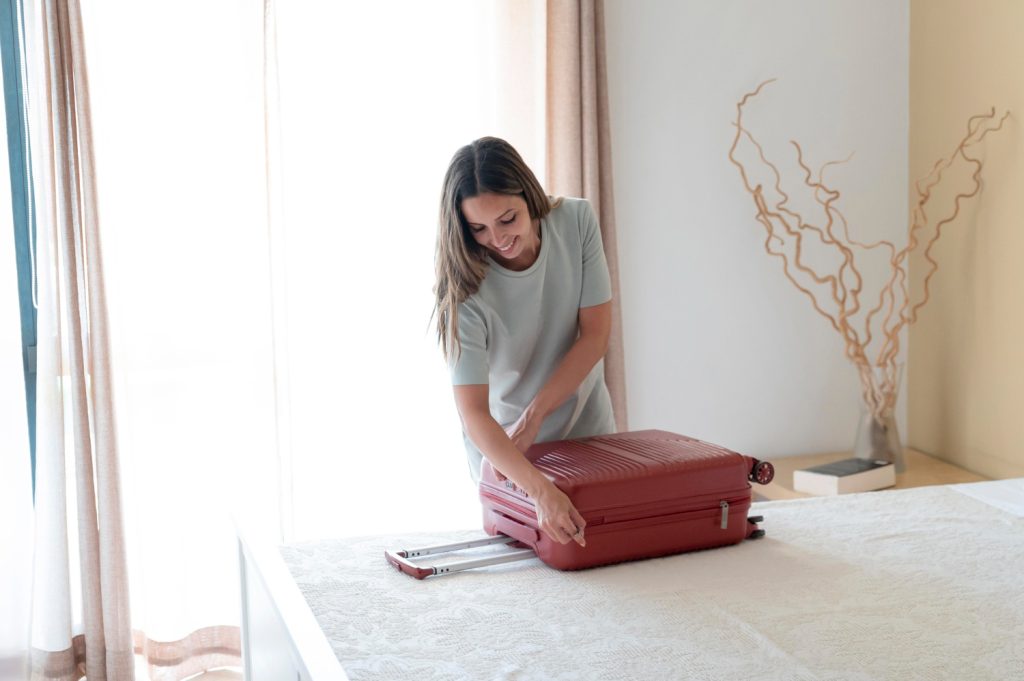
Women are still taking trips with friends, but the planning is more honest than it used to be. People are talking earlier about budget, energy level, and what kind of trip they actually want.
That sounds small, but it prevents a lot of conflict. One friend may want nightlife, another may want quiet mornings, and someone else may need more downtime. Clear expectations make the trip feel better for everyone.
The same shift shows up in family travel too. Many women are planning around the pace of the group instead of forcing a packed itinerary. A slower day with one great stop often beats six rushed stops.
The new mindset is simple. The best trip is the one the group can actually enjoy together, not the one that looks the busiest on paper.
Shorter Trips Are Winning
A lot of women are choosing shorter trips more often instead of one giant vacation. It fits work schedules better and feels easier to recover from financially.
This also lowers planning stress. A three-day trip is easier to organize than a two-week trip with multiple flights and hotel changes.
Shorter trips make it easier to be selective. Women can pick one neighborhood, one coast, or one small town and actually enjoy it.
They also leave room for flexibility. If weather shifts or one plan falls through, the trip does not collapse under its own weight.
Weekend and long-weekend travel has become more strategic. Many women now travel on shoulder dates, leave early in the day, and build around lower-stress windows. That gives them more of the destination and less of the chaos.
There is also less pressure to make every trip a major production. A quick reset trip can still feel meaningful if the place is chosen well. Not every getaway needs a bucket-list label.
This change is helping people protect their energy. Instead of saving all joy for one annual trip, they spread travel across the year in smaller pieces. That rhythm feels better in real life.
It also changes how destinations are judged. A place that is easy, calm, and close starts to beat a famous place that takes too much effort. Convenience now feels like part of the experience, not a compromise.
Local Feel Matters More Than Status

Many women are choosing places that feel lived-in instead of places that feel overproduced. They want good cafes, walkable streets, and everyday local rhythm, not just the most famous landmark.
That does not mean landmarks do not matter. It just means they are no longer enough to carry the whole trip. A beautiful spot can still disappoint if the rest of the day feels rushed and generic.
This is why smaller neighborhoods and second-tier destinations are getting more attention. They often offer better food, easier movement, and a stronger sense of place. The trip feels more personal because it is not built around a crowd script.
There is also a deeper emotional shift here. Many women want travel to feel memorable in a real way, not just visually impressive. They are choosing places that leave a mood behind, not just a photo.
Value Is Beating Hype
Price still matters, but women are looking at value more carefully now. They are asking what the trip gives back, not just what the room costs.
That means hidden costs get more attention. Parking fees, transfers, expensive meals, and time lost in lines now count as part of the real price.
A cheaper flight can stop looking cheap if it adds a long connection and a late arrival. More travelers are paying for convenience only when it actually improves the trip.
This is where many hyped getaways start to lose ground. They may still be beautiful, but the full cost can feel out of proportion to the experience.
Women are also getting better at spotting false upgrades. A trendy hotel, a famous rooftop, or a premium location may look impressive online, but it does not always improve the day-to-day feel of the trip. Smart travelers are noticing that gap faster.
Spending is becoming more intentional. Many women would rather put money into one great meal, a comfortable stay, or a local experience than split it across overpriced extras. That choice usually creates better memories.
The same mindset applies to time. A destination that saves energy with easy transport and less crowd pressure often feels more valuable than a famous place that drains the day. Time is part of the budget now.
This is not about traveling cheaply. It is about spending in a way that protects comfort, mood, and flexibility. That is a much sharper standard than pure hype.
Tech Is Helping, But Boundaries Matter Too
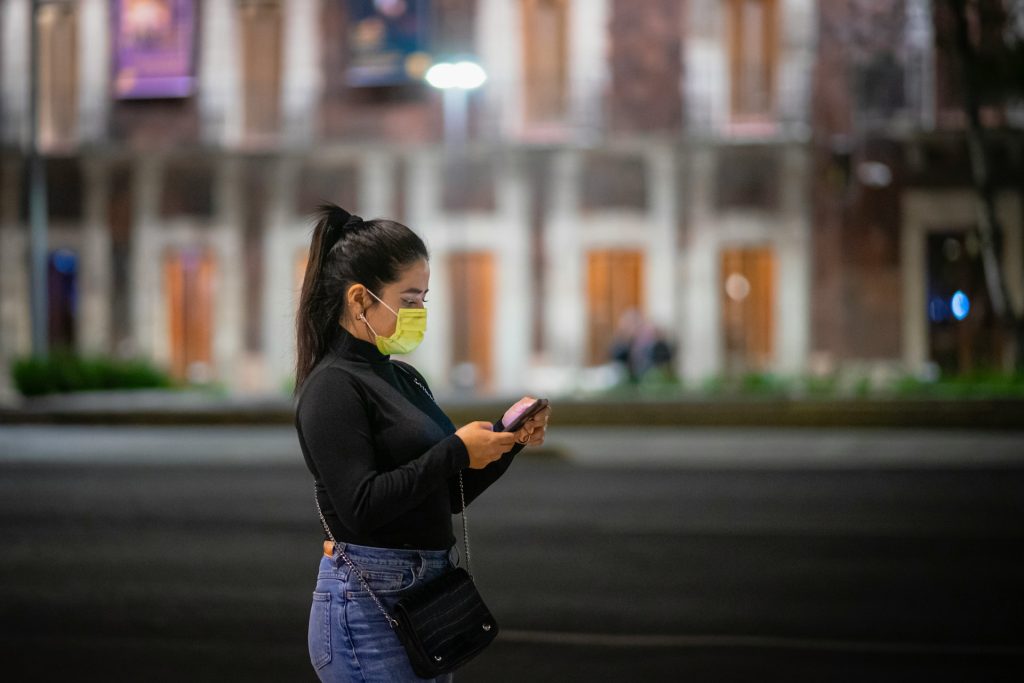
Women are using travel tech more confidently than before, especially for planning, maps, translation, and booking changes. The difference is that they are using it to reduce friction, not to overcomplicate the trip.
That means more prep happens before departure. People save routes, bookmark neighborhoods, and build simple backup plans so they do not have to solve everything on the street.
At the same time, many women are getting stricter about phone use during the trip itself. They want the help of digital tools without letting the screen run the whole experience.
This balance is changing the feel of travel. The planning gets smarter, but the actual trip feels calmer because attention stays on the place, the people, and the moment.
Trips Are Being Chosen For How They Feel Afterward
A lot of women now judge a trip by the after-feeling, not just the highlight moments. If they come home exhausted, over budget, and needing a recovery week, the destination drops on the list.
That is why rest and rhythm are showing up in travel choices more often. Women are building itineraries with breathing room instead of trying to win the trip.
This shift also changes what counts as a successful day. A slow breakfast, a long walk, and one meaningful stop can beat a packed schedule. Travel feels richer when there is space to notice things.
The same goes for social energy. Some trips are now planned around a mix of connection and quiet, especially for women who carry a lot of responsibility at home or work.
Women are also choosing destinations that match the season of life they are in. A mother traveling with kids, a friend group in their thirties, and a woman taking her first solo trip will not want the same thing. That difference is finally being treated like common sense.
There is more permission now to skip what does not fit. Many women are passing on crowded nightlife districts, exhausting day trips, or expensive must-see spots if they know it will not feel good. That is not missing out, it is traveling with self-awareness.
The most important change is this: travel is becoming less performative. Women are not planning trips to prove they went somewhere. They are planning trips that actually support how they want to live and feel.
That is why the choices look different now. The priorities are clearer, the planning is sharper, and the trip is built around real life instead of travel pressure. It is a better way to move through the world.