U.S. Cities That Feel Different Than They Did Just a Few Years Ago
A lot of American cities still look familiar from a distance, but the feel on the ground has changed. People notice it in traffic, in housing, in downtown energy, and in how neighborhoods are used during the day.
Some places feel more crowded even when office towers are not full. Others feel more expensive, more climate-aware, or more shaped by new local rules than they did just a short time ago.
What changed is not one single thing in any city. It is usually a stack of smaller changes that slowly rewires daily life until people start saying the city feels different now.
This article looks at eight cities where that shift stands out. The skyline may be the same, but the rhythm, pressure, and personality have all moved.
New York City
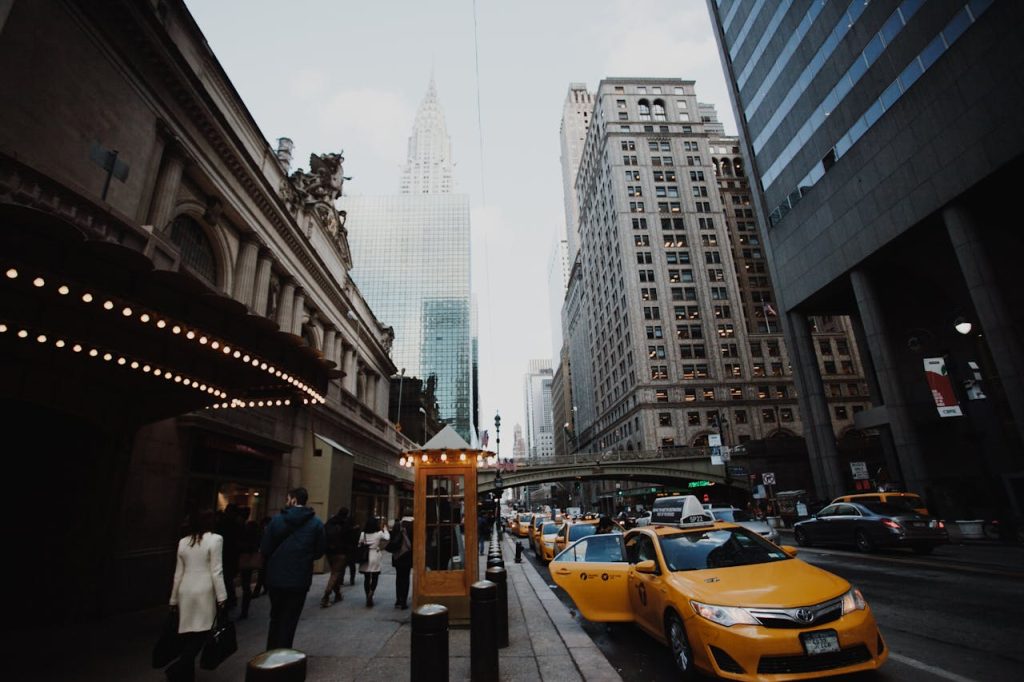
New York still moves fast, but the pattern of that speed feels different now. Midtown no longer follows the same weekday rhythm people took for granted for years. Some blocks feel packed by noon and oddly loose by midmorning.
The city also feels more managed than before, especially in Manhattan. Street movement now reflects policy choices as much as raw demand. That changes how a simple trip across town feels.
Neighborhood life has become more visible in places that once felt mostly office-driven. More people stay local longer, and more routines happen outside the old commuter schedule. The result is a city that feels less predictable by the clock.
New York has not become calmer, and it still carries its classic intensity. But the intensity now shows up in different places and at different hours. That is why longtime residents say it feels familiar and new at the same time.
Austin
Austin still has growth energy, but the city no longer feels like a hidden secret. It feels like a place that knows people are watching.
The old boomtown story used to be enough to explain everything. Now it does not cover the whole picture.
Housing pressure changed the tone of local conversations. People still talk about opportunity, but they also talk about limits.
The city also feels more regional than it used to. Growth in and around Austin now shapes how people think about the metro as a whole.
Austin’s personality is still there, and that matters. Live music, food, and creative neighborhoods still give the city its pull. But those strengths now exist inside a more complicated urban reality.
The downtown feel has shifted too. Some days it feels busy in bursts instead of busy all day, which changes how local businesses plan. That uneven tempo makes the city feel older and newer at once.
There is also a stronger civic debate about what kind of growth is worth keeping. People are less interested in hype and more interested in whether the city stays livable. That gives Austin a more grounded tone than it had a few years ago.
What makes Austin feel different is not a single dramatic change. It is the accumulation of cost, scale, and expectation all arriving at once. The city still attracts people, but it now asks more from the people who stay.
Miami
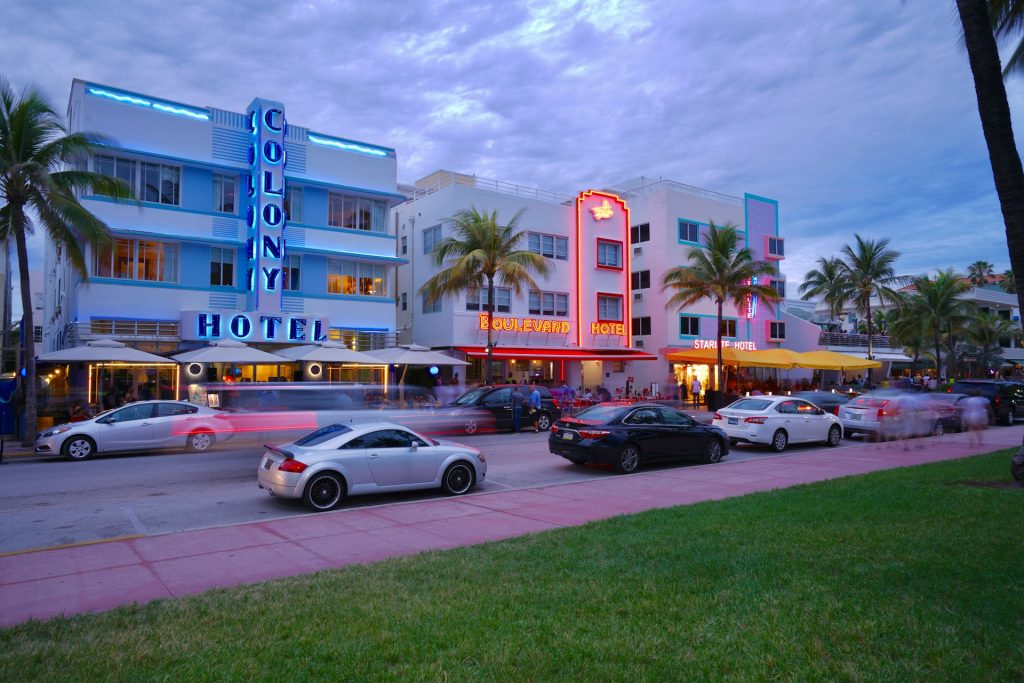
Miami still feels bright, social, and full of movement, but daily life now carries more planning around water and weather. That shift shows up in conversations that used to focus mostly on nightlife, beaches, and real estate. The city feels more openly aware of its physical limits.
Climate talk in Miami is no longer a distant policy topic. It is part of how people think about streets, flooding, and even the timing of normal routines. That makes the city feel more technical than its image suggests.
At the same time, Miami still sells a strong dream of lifestyle and momentum. Luxury towers, tourism, and international traffic keep that image alive. The contrast between glamour and infrastructure planning gives the city a new kind of edge.
Miami feels different because it now lives in two moods at once. One mood is aspirational and high-energy, and the other is practical and protective. That combination did not shape everyday city life this clearly a few years ago.
Phoenix
Phoenix has always been hot, but the city now feels organized around heat in a much more visible way. That changes how people read the city from morning to night.
Summer routines start earlier, and evening activity stretches later. The middle of the day often feels more constrained than it used to.
Public spaces are judged differently now. Shade, cooling, and access matter as much as design in many neighborhoods.
The city also sounds different in civic language. Heat is treated less like a seasonal inconvenience and more like a constant planning condition.
Phoenix still carries the same desert openness and wide roads that define its look. But the lived experience now feels more timed, because people plan around exposure and recovery. That creates a stronger sense of strategy in everyday life.
There is also a more visible role for city services in how residents get through hot months. Conversations about relief, safety, and access are more common than they were a few years ago. That shifts expectations of what local government should provide.
Growth is still part of Phoenix’s identity, and that has not changed. What changed is the way growth is discussed, with climate adaptation now sitting right beside development. The future feels less automatic and more negotiated.
What makes Phoenix feel different is not just the weather itself. It is the citywide response to the weather and how that response shapes routines, design, and public behavior. The city still expands, but it now expands with heat in mind.
Detroit
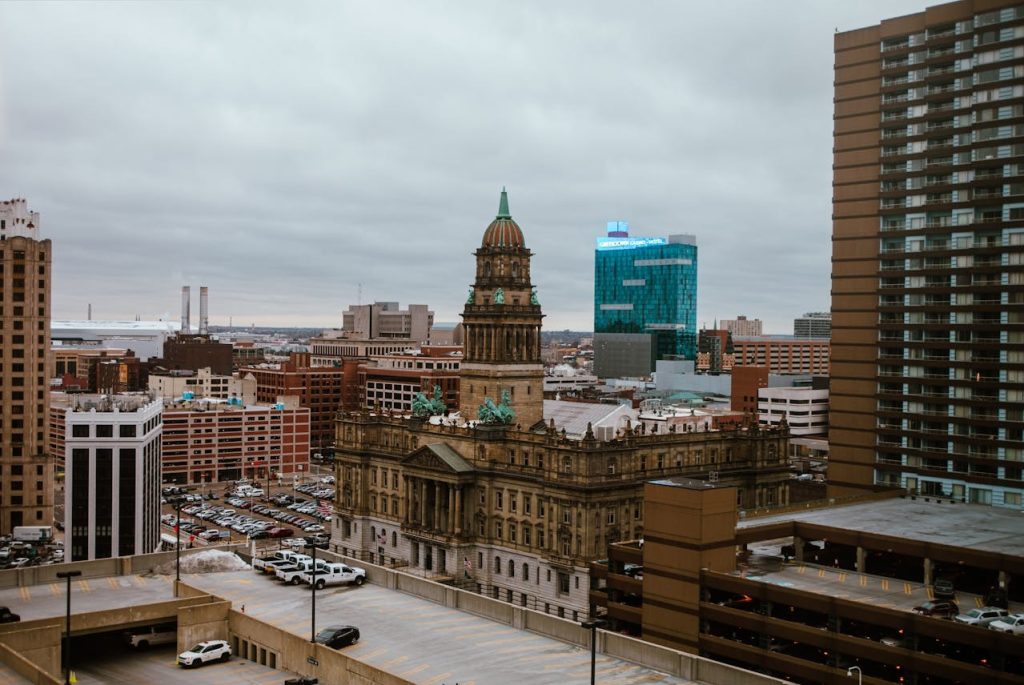
Detroit feels different because the tone around it has changed. The city is no longer described only through what it lost. More people now talk about direction, return, and rebuilding.
That shift matters even before every block changes. When a city’s story becomes less fatalistic, daily life feels different in small but real ways. Local pride lands with more confidence.
Detroit still carries major challenges, and nobody living there needs that explained to them. But the city also carries more visible effort and more belief than it did a few years ago. That combination changes how neighborhoods are experienced.
What stands out now is the emotional texture of the place. Detroit feels less stuck in an old narrative and more engaged with what comes next. It still feels like Detroit, but it feels less trapped by the past.
Nashville
Nashville still feels social and high-energy, but the scale of that energy is different now. The city often feels like it is operating in constant event mode.
Tourism is part of the reason the pace feels more intense. Visitors are not just a weekend wave anymore.
That shift affects local life far beyond the entertainment core. Traffic, restaurant demand, and pricing all reflect a city under heavier use.
Nashville also feels more segmented than before. Some areas still feel neighborhood-first, while others feel built for nonstop flow.
The city’s identity remains strong, and that is why the change is so noticeable. Music, hospitality, and local culture still anchor the place. But they now sit inside a larger machine that runs almost all year at high volume.
Longtime residents often notice the timing shift first. Busy hours stretch longer, and quieter windows can feel shorter than they used to. The city feels less seasonal and more continuous.
Nashville also feels more expensive in everyday ways. It is not just hotel rates or downtown nights, because the demand touches housing, services, and daily errands too. That creates a sense that success has weight.
What makes Nashville feel different is that its reputation has caught up to its infrastructure. The city still knows how to host and perform, but now it must also absorb constant demand. That changes the feel of ordinary life even when no big event is happening.
Boise
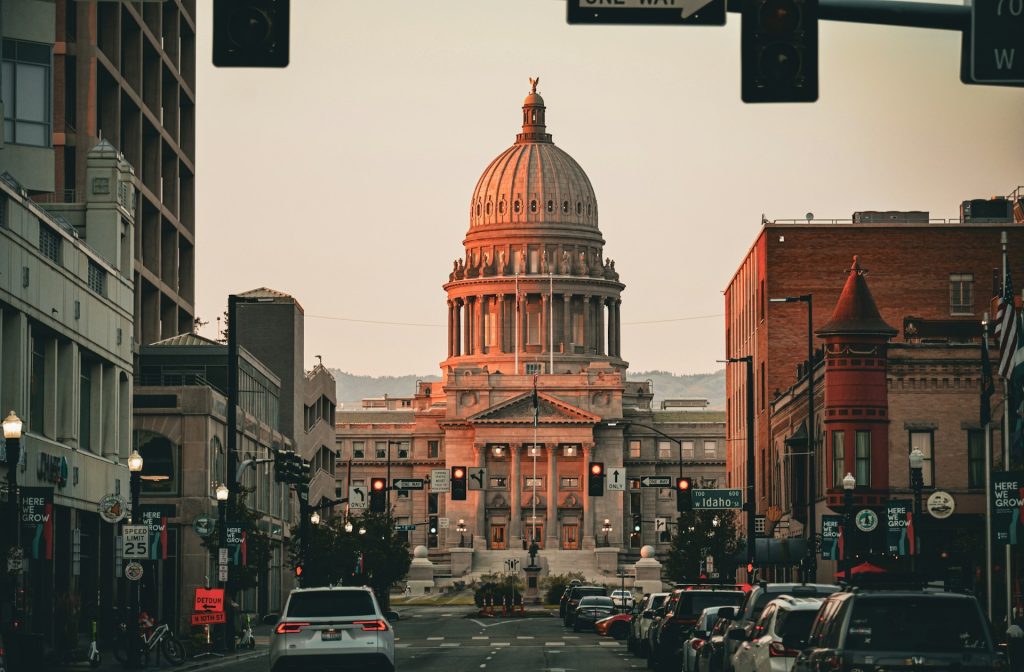
Boise feels different because growth is no longer just something happening around it. The city now feels like it is actively deciding how that growth should look. That makes even small planning changes feel important.
A few years ago, people often described Boise as simply being discovered. Now the conversation is more specific and more local, with stronger opinions about housing, density, and neighborhood character. The city feels more self-aware.
The visual change is not always dramatic from one block to the next. But the slow accumulation of infill projects, new housing forms, and revised expectations gives Boise a different texture. It feels less accidental and more directed.
What makes Boise stand out is the sense of intentionality. Residents are not just reacting to change anymore, and the city is not either. Boise still feels approachable, but it also feels more deliberate.
San Francisco
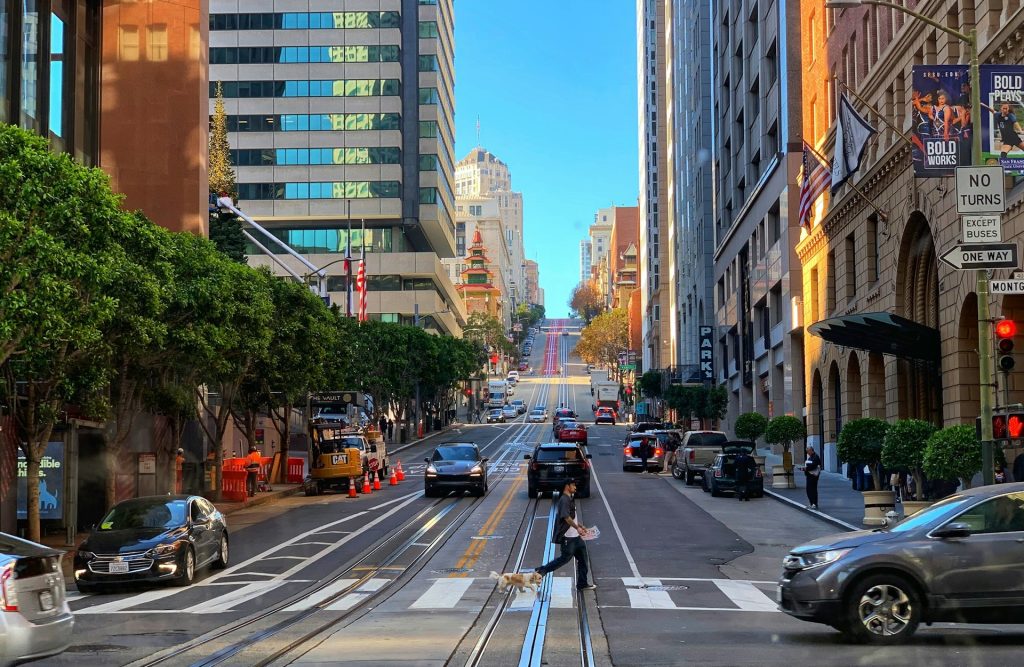
San Francisco may be the clearest example of a city that feels different because it is actively redefining its downtown. The old version has not fully returned, and the city is no longer pretending it will.
That creates a more honest civic mood. The conversation now is less about going back and more about what comes next.
Downtown can feel lively on one stretch and unsettled on the next. That unevenness is part of the city’s current identity.
At the same time, San Francisco still feels deeply itself. The geography, neighborhoods, and street character still carry the same pull.
What changed is how the city measures success. Recovery is not only about office desks anymore, and more attention goes to housing, public space, and mixed-use activity. That broader lens makes the city feel more experimental.
There is also a stronger sense that transition is happening in public. People can see policy shifts, new uses, and changing patterns block by block instead of hearing only abstract talk. That visibility makes the city feel unsettled but alive.
San Francisco feels different because it is trying to build a new downtown identity without losing what made it compelling in the first place. That is a hard balance, and it can feel messy day to day. It also makes the city feel more dynamic than a simple decline story ever could.
What stands out most is the mix of realism and ambition. San Francisco still faces pressure, but it also feels like a city willing to test new answers in plain view. That willingness changes the mood as much as any single project.