United Airlines Can Now Kick You Off a Flight for Playing Audio Without Headphones and Passengers Have a Lot to Say About It
A common in-flight annoyance just became a removal issue at United Airlines. The carrier now says passengers who play audio aloud without headphones can be kicked off a flight if they refuse to stop.
The policy change has drawn a lot of attention because it turns a familiar source of travel frustration into a clear rule with real consequences. For many travelers, it also touches a bigger question about basic courtesy in cramped public spaces.
United makes the headphone rule explicit

United’s updated policy was added to the section of its contract of carriage covering passenger conduct. The airline now states that using a phone, tablet, computer, or other electronic device to play sound through a speaker is prohibited unless the passenger is using headphones. If a traveler does not comply after being asked to stop, the airline says boarding can be denied or the passenger can be removed from the aircraft.
The change came into wider public view on June 3, 2025, when reporting on the update spread across travel and consumer news coverage and quickly took off on social media. United did not invent the idea that passengers should use headphones, and many airlines already expect it. What is different here is the direct language spelling out that refusal can lead to removal from the flight, placing the issue alongside other disruptive onboard behavior.
A United spokesperson said the airline’s goal is to create a more comfortable cabin environment for everyone on board. The policy fits into a broader industry push to tighten expectations around passenger conduct after years of conflict over seat assignments, overhead bins, intoxication, and onboard confrontations. In practical terms, the new rule gives gate agents and flight attendants clearer backing when a traveler refuses a simple request to lower the volume or plug in headphones.
For passengers, the message is easy to understand. If audio can be heard by the people around you, crew members can tell you to stop. If you ignore that instruction, you could lose your seat on the flight.
Why the issue resonates with so many travelers
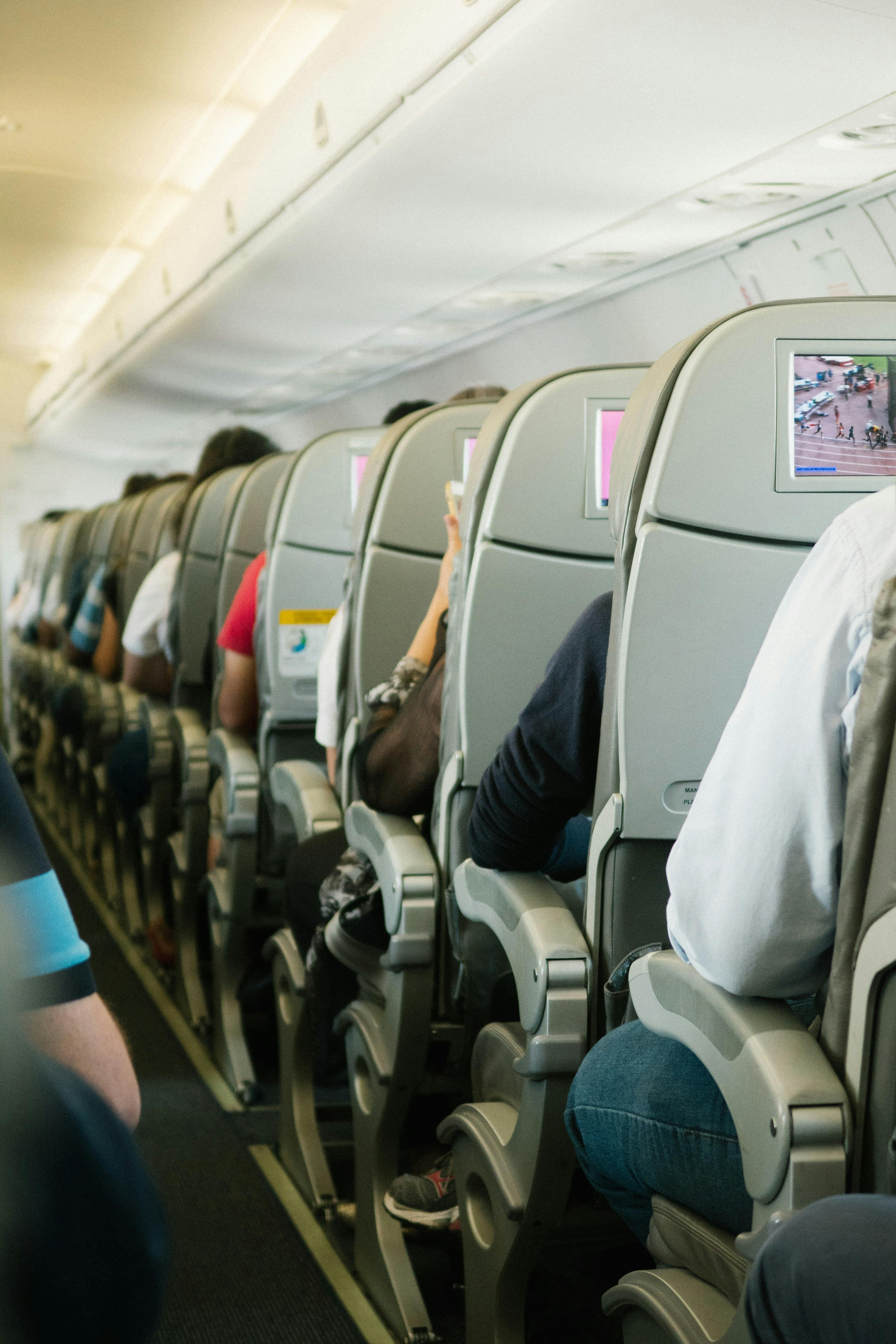
The reaction has been so strong because the behavior is widely recognized. Many passengers say they have dealt with seatmates or nearby travelers watching videos, scrolling social media clips, or playing games at full volume in terminals and on airplanes. In a packed cabin, even short bursts of repeated sound can feel hard to escape, especially during boarding, delays, or early morning departures.
That helps explain why the response online was immediate and emotional. Many travelers praised the policy as overdue, saying headphones are a basic social norm and one of the simplest forms of travel etiquette. Others argued that the rule should be standard across the industry, not treated as a special crackdown, because most people already assume shared spaces require quiet or private listening.
Still, not every response was purely supportive. Some passengers questioned how consistently the rule would be enforced and whether crew members would actually remove someone over audio alone. Others pointed to edge cases, such as families with children, confused travelers who do not realize their sound is on, or people whose headphones stop working mid-trip. Those concerns do not erase the rule, but they show that enforcement will likely depend on context, crew judgment, and whether a passenger complies once warned.
The broader frustration is not just about noise. For many people, loud audio has become a symbol of a larger erosion of public courtesy. That is part of why this small policy update landed as a bigger cultural moment than a routine airline rules revision normally would.
What the rule means on the ground and in the air
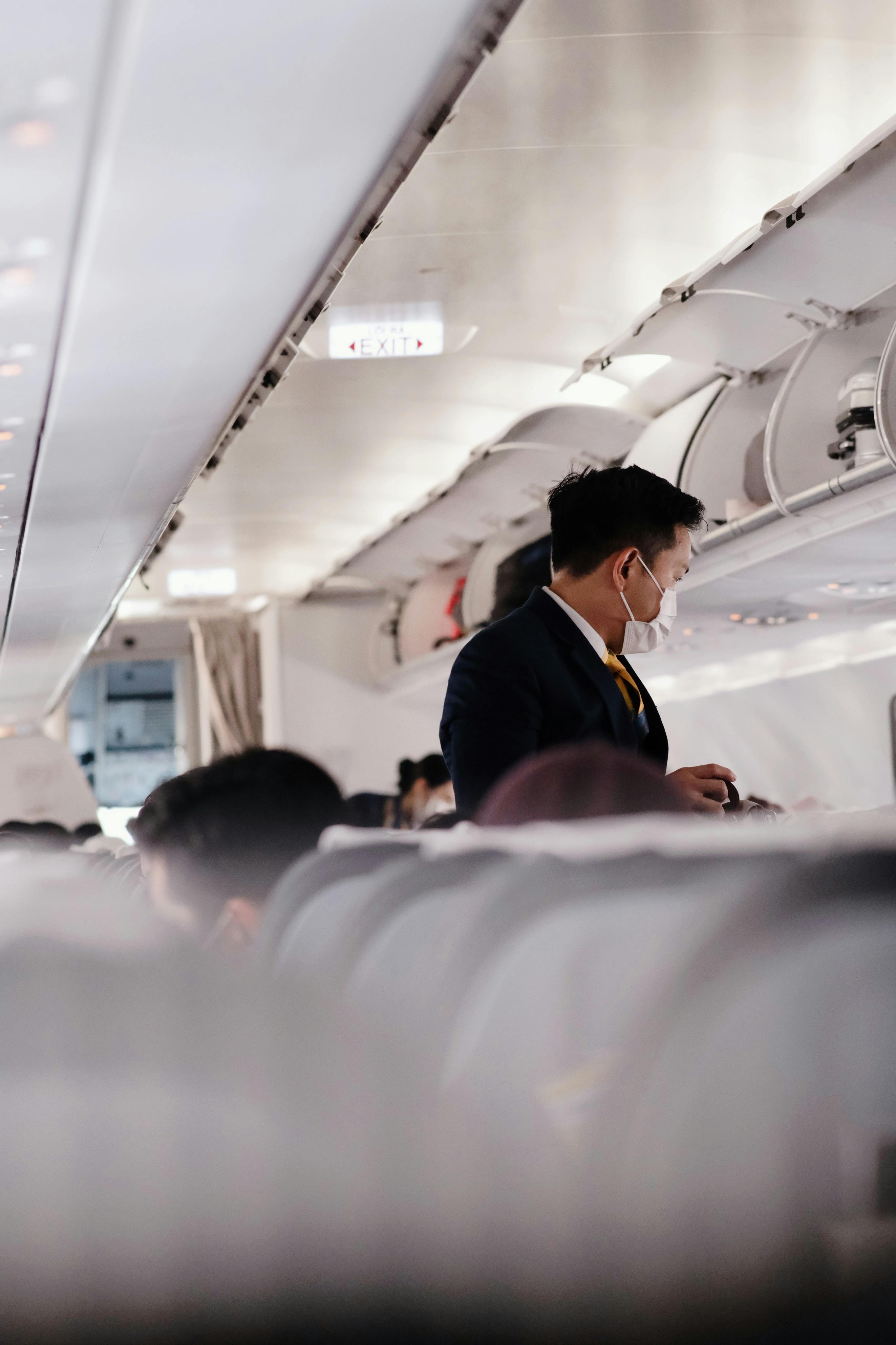
In real-world terms, most situations are likely to remain simple. A crew member or gate agent hears audio from a device, asks the traveler to use headphones or turn it off, and the issue ends there. Removal generally comes into play only if the passenger refuses to follow instructions, which turns a noise complaint into a compliance problem.
That distinction matters because airline crews already have broad authority to manage cabin order and safety. Federal rules require passengers to obey lawful instructions from crew members, and airlines routinely treat refusal as a serious matter even when the original issue seems minor. Once a traveler openly declines to comply, the conflict is no longer just about a video playing too loudly. It becomes about whether the crew can maintain control of the cabin.
Travel experts say this is why smart passengers should not test the rule. If you forgot headphones, the safe move is to watch without sound, read, or ask whether the airline has any available for purchase or complimentary use, depending on the route. Arguing over a preventable issue at the gate or in the cabin can quickly delay boarding, create tension with other passengers, and put your trip at risk.
The policy may also help travelers who are reluctant to speak up. Instead of passengers policing one another and creating conflict between strangers, the rule gives crew members a clear standard to cite. That can lower the temperature and make enforcement feel less personal.
A small policy with broader travel implications
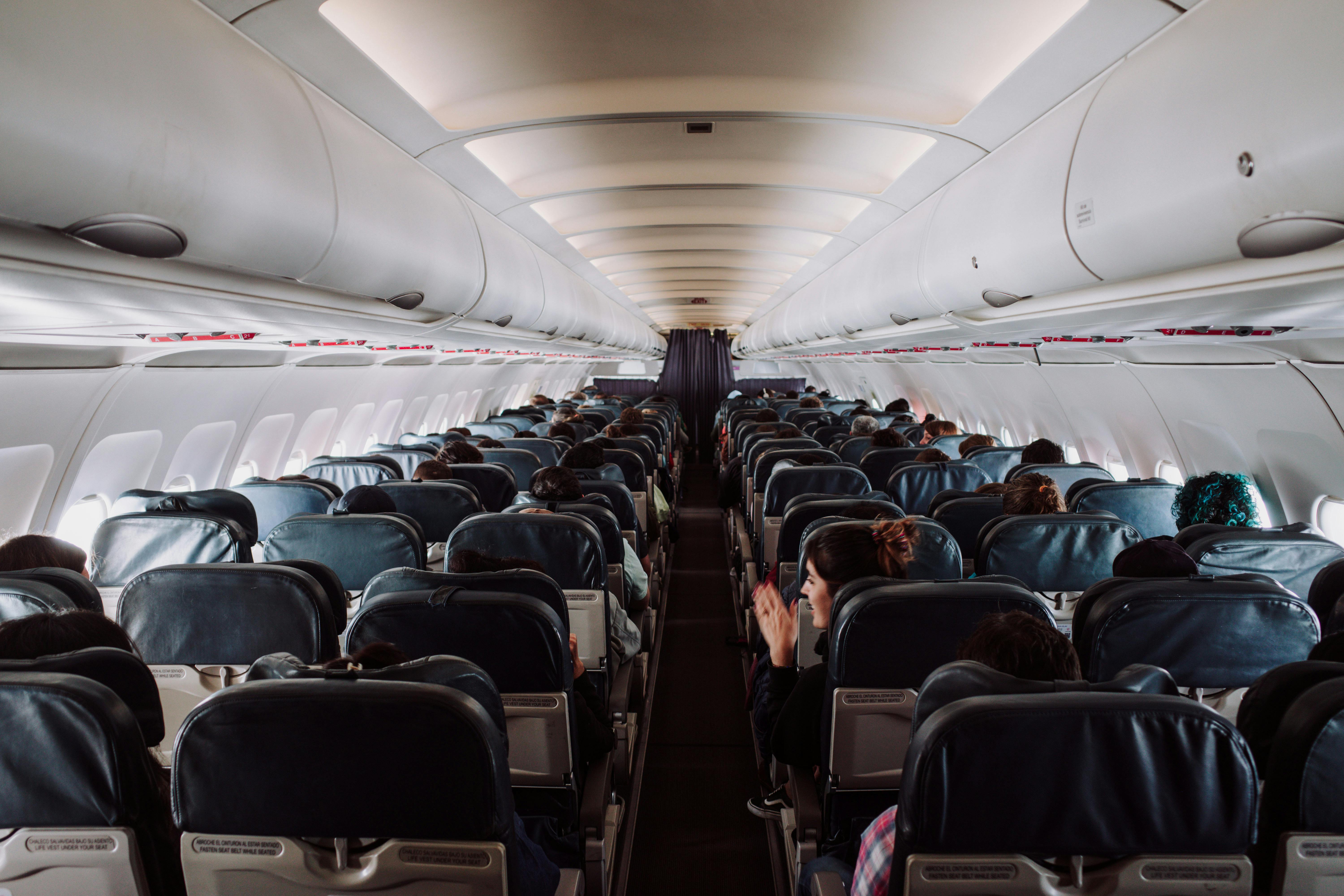
United’s move lands at a time when airlines are under steady pressure to improve the passenger experience without slowing operations. Carriers cannot make seats bigger or airports less crowded overnight, but they can define behavior more clearly. In that sense, the headphone rule is a low-cost change aimed at reducing one of the most common quality-of-life complaints travelers raise.
It may also influence other airlines if customers respond positively. While many carriers already expect quiet device use, explicit removal language can serve as a deterrent in a way softer etiquette guidance does not. If passengers know there is an actual consequence for ignoring a crew member, they may be less likely to challenge the request in the first place.
For now, the practical takeaway is straightforward. Bring working headphones, keep your device on silent, and assume that anything audible to the row around you is too loud. That has long been the unwritten rule of flying, and at United it is now written down much more clearly.
The strong public response shows why the update matters beyond one airline. It reflects how many travelers feel worn down by small acts of inconsideration during already stressful trips. A rule about headphones may sound minor, but for people squeezed into a plane with hundreds of strangers, it speaks to something bigger: whether shared travel spaces can still feel manageable, predictable, and respectful.