Urban Legends That Continue to Fascinate Curious Travelers
Some places are memorable because of the food, the views, or the architecture. Others stay in people’s minds because of a story that feels just believable enough to be hard to shake. Urban legends live in that second category.
A traveler can walk the same street in daylight and think nothing of it. Then one local story gets told over dinner, and suddenly that street feels charged after dark. That change in feeling is the real power of folklore.
Most people do not visit these places expecting proof. They go for the atmosphere, the local voice, and the thrill of standing where a strange story has been told for years. Even skeptics enjoy that kind of tension.
The best legends survive because they attach themselves to real places. Lakes, forests, tunnels, and old roads become more than scenery once a story settles into them. That is why curious travelers keep coming back.
The Vanishing Hitchhiker
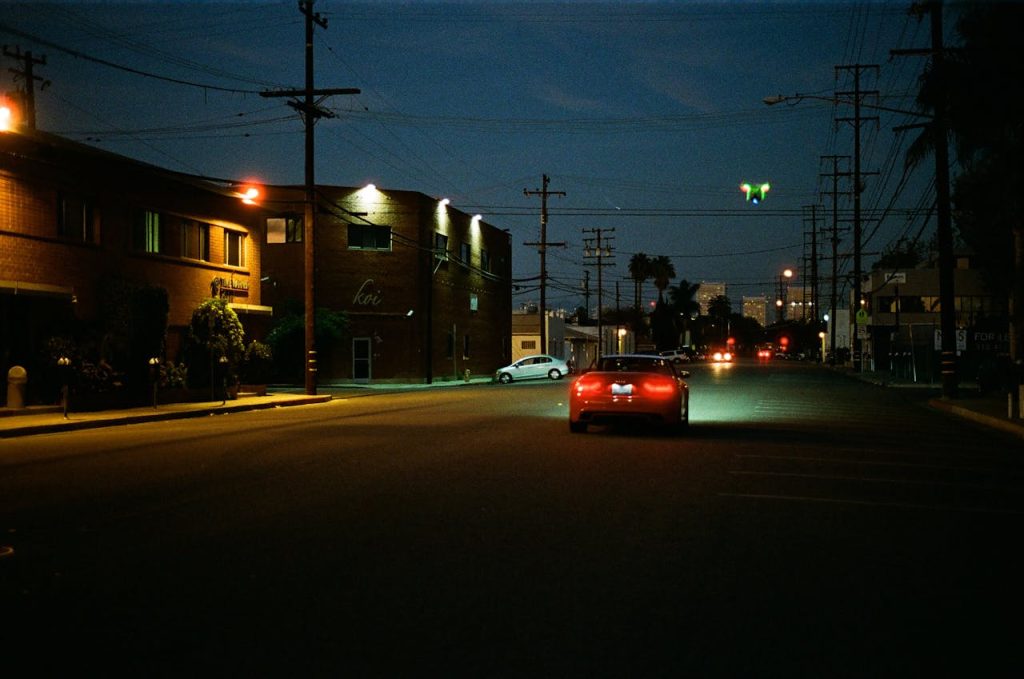
The vanishing hitchhiker legend keeps resurfacing because it starts with something ordinary. A late drive, a quiet road, and a passenger who seems real enough can happen anywhere. That familiar setup makes the ending hit harder.
In most versions, the driver offers a ride to someone standing alone at night. The passenger gives a destination and speaks very little. By the time the driver arrives, the seat is empty and the story gets strange.
What makes this legend stick is how personal it feels. It is not about a castle or a monster in the distance. It is about a car, a road, and a moment that could happen to anyone.
Travelers love this story because it changes the mood of nighttime driving. Headlights feel brighter, silence feels heavier, and every empty shoulder starts to look like a place where a story could begin. That tension is exactly what keeps the legend alive.
Loch Ness Monster
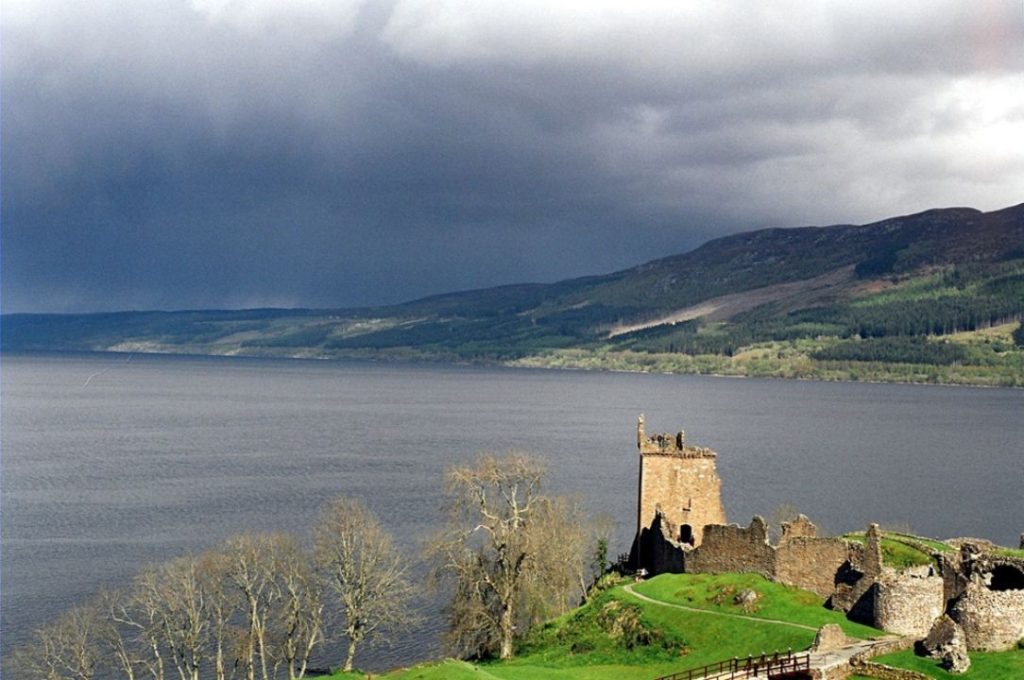
Loch Ness pulls people in before the legend even begins. The water looks dark, deep, and secretive, and the landscape does half the storytelling on its own.
That is why the monster tale keeps working. The place already feels like it could hide something.
People arrive smiling, ready to treat the whole thing as a fun stop. Then they stand by the loch, watch the surface shift in the wind, and feel the story settle into their imagination.
The legend survives because it never needs a final answer. It only needs one ripple, one blurry shape, or one witness who sounds convincing. Mystery is more useful to folklore than proof.
Local shops, museums, and tour guides understand that balance well. They do not force belief, and they do not mock it either.
Instead, they invite travelers into the game. People scan the water, compare stories, and leave with their own version of what they saw or did not see.
Loch Ness also works because it gives adults permission to wonder. It feels playful, but it also feels ancient and strangely serious once the weather turns and the light drops.
That mix is hard to fake and easy to remember. The monster may be the headline, but the setting is what carries the legend. Travelers return because the loch makes uncertainty feel exciting.
The Jersey Devil
The Pine Barrens already feel like a place built for legends. Long roads, thick woods, and sudden quiet make the landscape feel bigger than it looks on a map. The Jersey Devil story fits that mood perfectly.
No one tells the origin story the exact same way twice. That inconsistency helps more than it hurts because legends stay alive when they can bend a little. Each retelling feels local.
Most travelers are not trying to hunt a creature in the woods. They come for the atmosphere and the feeling that the region holds an older kind of mystery. The story sharpens the landscape.
What keeps the Jersey Devil fascinating is how tied it is to one place. Even people who laugh at the details still admit the Pine Barrens feel different once the legend is in their head. The road home always feels longer after dark.
Mothman In Point Pleasant
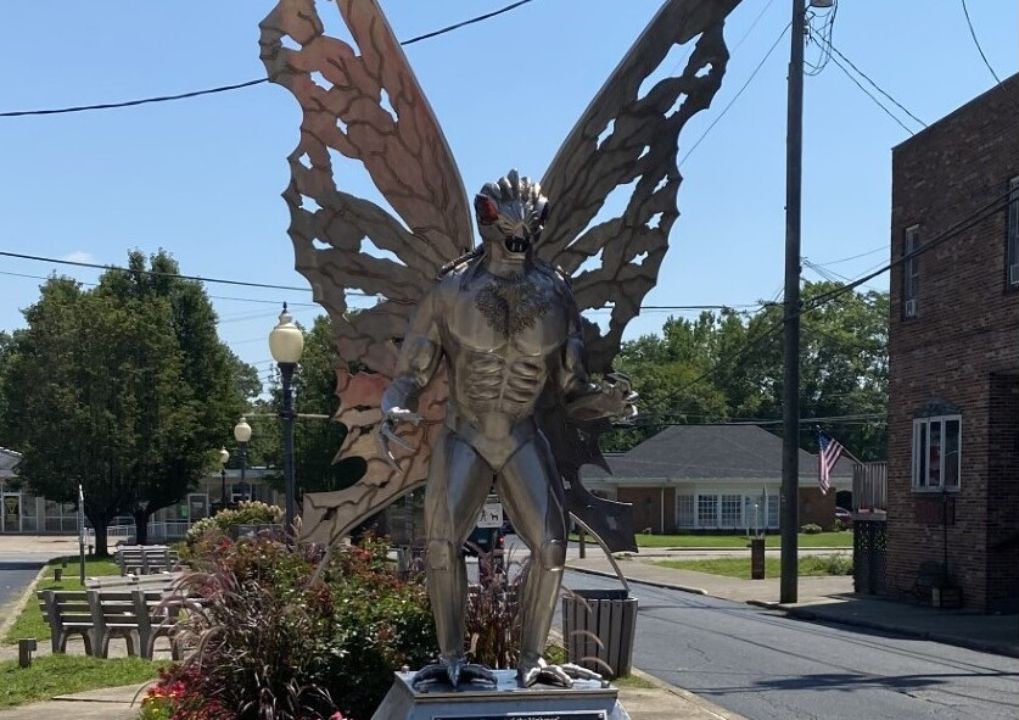
Point Pleasant turned Mothman into a strange kind of local identity. The story still has a dark edge, but the town wears it with confidence and humor.
That mix makes the legend easier to love. It feels eerie without becoming too heavy.
Older retellings focus on fear, sightings, and a sense that something was wrong in the air. Newer visitors often arrive through pop culture, but the place itself gives the story more weight than the internet ever can.
Walking the town in daylight feels almost cheerful. Then evening comes, the streets quiet down, and the same landmarks start to feel cinematic. Good legends always change with the light.
The statue, museum, and local stories keep Mothman visible year-round. That gives travelers something concrete to explore, even if they never believed in a winged creature for a second.
What fascinates people is the overlap between folklore and memory. The town treats the legend as part of its story, not just a gimmick.
Point Pleasant also shows how a legend can evolve without losing its bite. It can be funny, strange, and unsettling all at once, which is why people keep talking about it long after they leave.
Mothman lasts because the town gives the legend room to breathe. Visitors get a story, a place, and a mood that lingers on the drive out. That is usually enough to turn a curious stop into a favorite one.
La Llorona Along River Towns
La Llorona remains powerful because it carries more than fear. It also carries grief, warning, and memory, which gives the story emotional weight that many legends never reach. That depth is why it travels across regions and generations.
In many places, the story is told near rivers, canals, or quiet edges of town. Water becomes part of the legend’s voice, especially at night. The setting makes the tale feel immediate.
Families often tell different versions, and that variation matters. Some use it as a cautionary story for children, while others tell it with a solemn tone that feels closer to inherited history. Both versions keep it alive.
Travelers are often struck by how respectfully the story is shared. It is not just a spooky tale to perform for outsiders. In many communities, it still feels personal, and that is exactly what makes it unforgettable.
The Chupacabra In Puerto Rico

The Chupacabra spread quickly because it sounded modern from the start. It felt less like an old ghost tale and more like a fresh panic with strange details and confused witnesses.
That modern quality gave it speed. The story moved through conversation, radio, and rumor with unusual force.
Puerto Rico remains central to the legend’s identity, even after versions appeared elsewhere. Travelers who hear the story on the island often describe it differently afterward, because the local setting gives the tale a stronger pulse.
The creature itself is part of the appeal, but not the whole thing. What really fascinates people is how quickly a community can shape a mystery, debate it, and turn it into shared folklore in real time.
People also remember the Chupacabra because the details are so vivid. Once a story includes livestock, strange wounds, and a creature no one can clearly describe, the imagination starts doing its own work.
That is why the legend remains so portable. It can move across borders and still keep its unease.
For travelers, Puerto Rico offers the version with the most texture. The story feels rooted there, told with local flavor instead of recycled headlines, and that gives the legend more life than any summary ever could.
The Chupacabra endures because it sits between monster story and social memory. It feels recent, messy, and unresolved, which makes it perfect folklore. People keep retelling it because it still sounds unfinished.
New York’s Sewer Alligators
The sewer alligator legend fits New York so well that people almost want it to be true. A city famous for crowds, noise, and hidden systems feels like the right place for a creature story under the streets. That match in tone keeps the legend alive.
The basic story is simple and wildly effective. Someone buys a baby alligator, gets overwhelmed, and releases it into the sewer. The creature grows in the dark and becomes part of the city’s underground mythology.
Travelers love this legend because it turns infrastructure into imagination. Storm drains, tunnels, and utility covers stop looking boring once the story is in the air. New York suddenly feels like it has a secret layer.
No one needs proof for this one to work. The image is enough, and the city supplies the rest. That is why the legend still gets told with a grin and a little real curiosity.
The Paris Catacombs Whispers
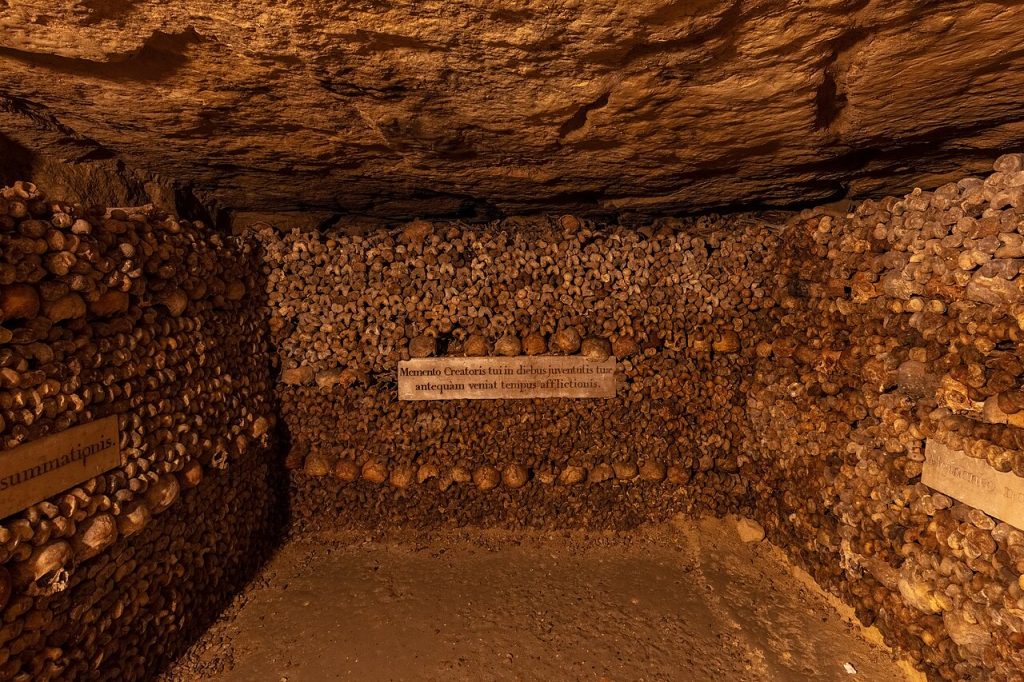
The Paris Catacombs feel unsettling before anyone tells a story. The tunnels are real, the history is heavy, and the silence does most of the work.
That reality gives every legend extra force. Whispers and footsteps sound more believable underground.
Visitors often hear stories about people getting disoriented, hearing voices, or feeling watched in the tunnels. Even if those stories grow in the retelling, the environment makes them feel possible in a way few tourist sites can.
The catacombs fascinate travelers because they blur the line between history and dread. People are not entering a staged haunted house. They are walking through a place that already carries human weight and memory.
That is why the legends stay with people after the tour ends. Paris above ground feels elegant and bright, but the underground version feels quiet, close, and hard to forget.
The contrast makes the city feel larger than itself. One place holds two completely different moods.
The whispers legend also survives because it is rarely told the same way twice. Some people describe sounds, others describe a feeling, and a few insist the scariest part was simply how fast the tunnels erased their sense of direction.
That kind of story lingers because it does not need a dramatic ending. The catacombs provide the atmosphere, and the mind does the rest. For curious travelers, that is usually the most memorable kind of legend.