What First-Time Cruise Travelers Wish They Had Known Before Booking
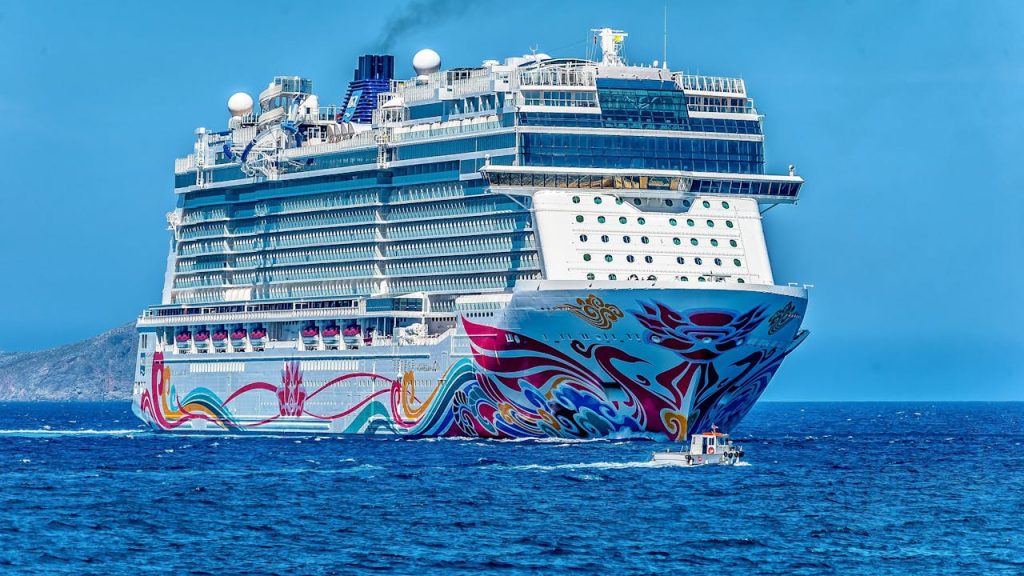
A first cruise can look almost effortless from the outside. Pick a ship, choose a cabin, and the rest seems like it should fall into place.
Then people book one and realize how many small choices shape the whole experience. The ship, the room, the timing, and the extras matter more than most first-time travelers expect.
The good news is that cruising is not hard to figure out. A little clarity before booking usually saves money, stress, and a lot of avoidable disappointment.
Most new cruisers do not regret going. They usually regret booking the wrong version of the trip for the way they actually travel.
Choose The Ship Before The Destination
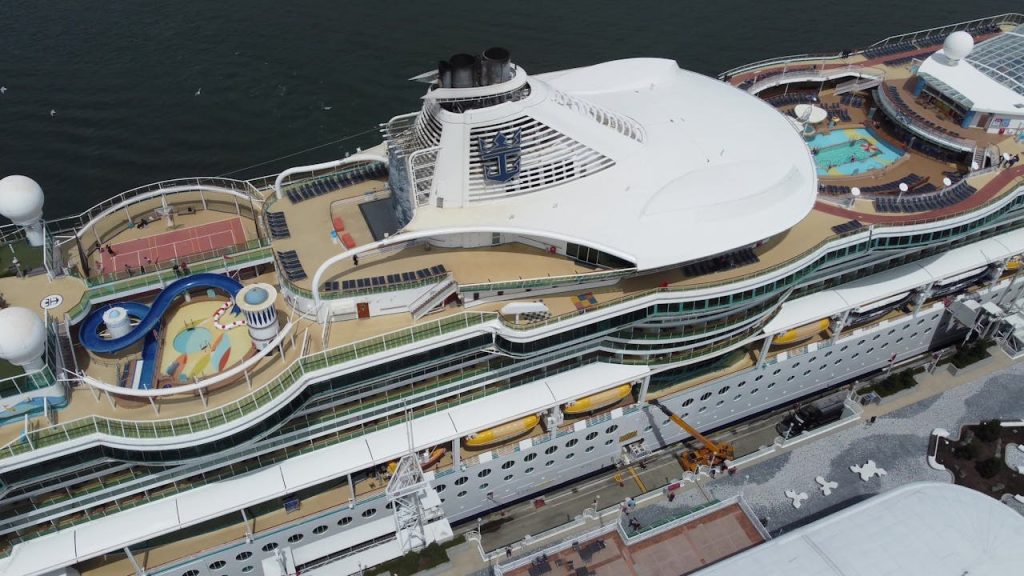
Many first-time cruisers pick an itinerary first and barely study the ship. That sounds reasonable until they realize they will spend more time on the ship than in any port. The ship is the real environment of the vacation.
Two ships can visit similar islands and feel nothing alike. One may feel like a giant resort with nonstop noise, while another feels calmer and easier to navigate. That difference affects the whole week.
Bigger ships offer more restaurants, shows, and activities. They also bring more walking, more lines, and more people competing for the same spaces. A larger ship is not always better if someone wants a slower pace.
Smaller ships can feel more relaxed and less overwhelming. They may have fewer options, but many first-time travelers enjoy that because the trip feels simpler. The best choice depends on personality, not hype.
The Cruise Fare Is Only The Starting Number
The headline fare is not the full cost of a cruise. First-time travelers often learn that after they book.
Taxes, port fees, and gratuities add up quickly. Those charges can change the final number more than people expect.
Then the hidden travel costs show up around the cruise itself. Flights, parking, hotel nights near the port, and transfers can take a big bite out of the budget.
A cheap fare can lose its shine if the port city is expensive. The trip price has to be viewed as one total, not separate pieces.
Drink packages are another common mistake for new cruisers. They sound like a great deal on paper, but many people do not drink enough to make them worth it. Buying one because it feels smart is different from buying one because it fits your habits.
Specialty dining creates the same kind of pressure. The sales pitch makes it sound like the regular food will disappoint, which is often not true. Most first-timers are happier when they try the included options first and add one paid meal if they truly want it.
Internet plans can also be overbought. Some travelers pay for the highest package and then barely use it because they are busy in ports or relaxing onboard. A smaller plan or shared access often does the job.
The easiest fix is building a realistic spending cushion before booking. That keeps the trip fun when a surprise charge or a spontaneous excursion pops up. A clear budget makes every later choice feel calmer.
Cabin Location Can Make Or Break Sleep
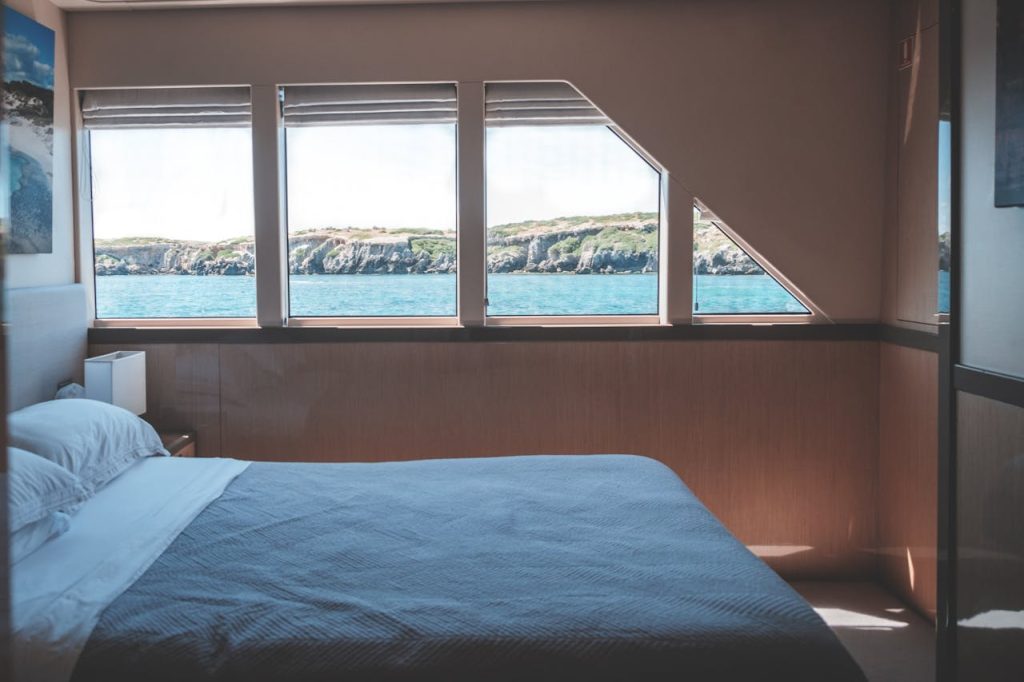
A lot of first-time cruisers focus on cabin type and ignore cabin placement. That is a mistake because location affects noise, motion, and how much walking the trip requires.
A cheaper room under the pool deck can sound fine at checkout. It feels very different at sunrise when chairs scrape overhead and people start moving around.
Midship cabins are often a smart pick for travelers worried about motion. They also make the ship feel easier to navigate because restaurants and venues are not all far away.
Balconies are great for some people, but they are not automatic value. Travelers who spend all day exploring the ship and all evening at shows may barely sit out there.
Port Days Feel Shorter Than They Look
Port schedules look generous when people are booking. In real life, the day moves faster once everyone is trying to leave the ship at the same time.
Getting off the ship can take longer than expected. Tender ports, security lines, and transport timing all eat into the window.
This is why one strong plan usually beats three rushed plans. First-time cruisers enjoy ports more when they leave room for delays and still have time to breathe.
Cruise line excursions cost more in many cases. They also remove a lot of stress because the ship timing is built into the plan.
Independent tours can be excellent if they are chosen carefully. They often cost less and feel more personal, but they require better time discipline. A missed return time can ruin a trip in a way no discount is worth.
Port transportation is another detail people underestimate. A beach that looks close on a map may take a long taxi line and a slow drive to reach. By the time travelers arrive, they may already be watching the clock.
First-time cruisers also overpack port days. They carry too much, move slower, and spend half the day managing their stuff. A lighter bag and a simpler plan usually makes the day feel better.
Returning to the ship with a time buffer is one of the best habits on a cruise. It lowers stress and leaves room for traffic, weather shifts, or long lines at the terminal. The ship schedule is firm even when the day is not.
Sea Days Need A Plan Too
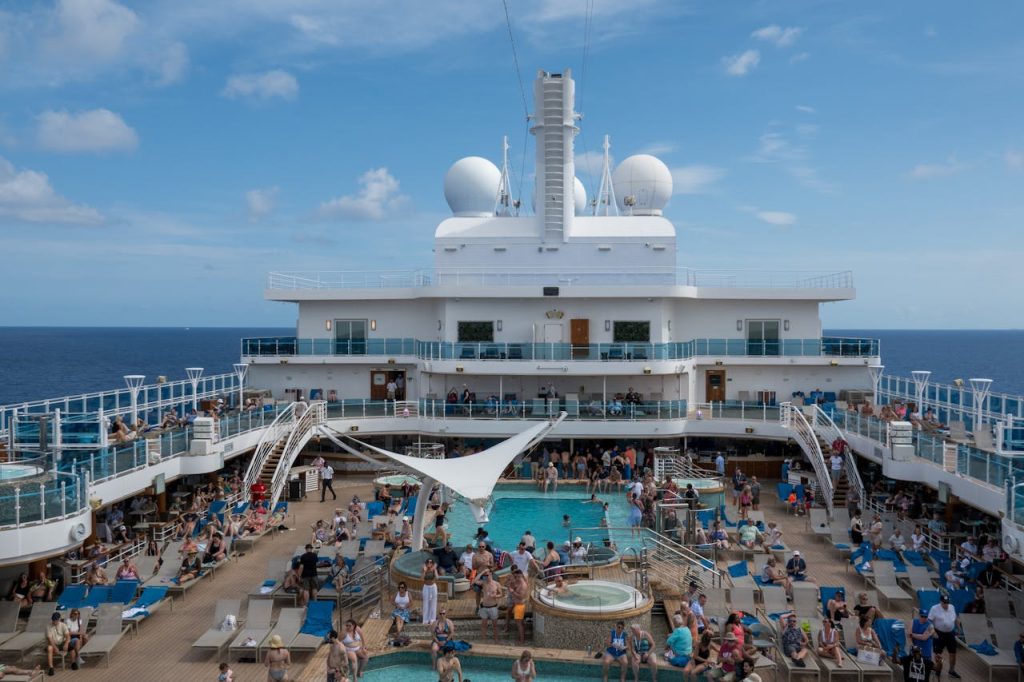
Many first-time cruisers treat sea days like empty time and assume they will just figure it out. Then they wake up late and find the pool packed, the buffet crowded, and the best lounge seats gone.
A simple plan makes sea days much better. Picking one morning activity, one meal window, and one quiet spot changes the whole rhythm.
Sea days are also when people notice what they actually enjoy onboard. Some love trivia, shows, and classes, while others want a book and a calm corner.
That is why ship style matters so much before booking. A traveler who wants quiet mornings should not blindly book a ship built around nonstop deck parties.
Flights And Port Timing Can Save The Vacation
One of the biggest first-time mistakes happens before the cruise even starts. People book the cheapest flight and forget that cruise timing is less forgiving than regular vacation timing.
Flying in on embarkation day looks efficient. It also creates real risk if a delay, cancellation, or baggage problem hits.
Most experienced cruisers prefer arriving the day before. That hotel night costs money, but it buys peace of mind and a much calmer start.
The return flight matters just as much as the outbound one. Booking a very early flight home can turn the last morning into a panic.
Disembarkation takes time, and the process does not move at the same speed every sailing. Lines, customs, and port traffic can all slow things down. A little time cushion is worth far more than the stress of racing to the airport.
Port cities also vary more than people think. Some terminals are close to airports, while others need long transfers. First-time cruisers should check the actual distance instead of assuming it is a quick ride.
Weather can affect this part of the trip too. Fog, storms, or heavy traffic near the port can delay movement on the most important mornings. Safer timing protects the trip on both ends.
The smartest booking mindset is simple here. Cruise vacations work best when travelers build margin into the schedule. Tight timing looks clever until one thing goes wrong.
Paperwork And Rules Catch New Cruisers Off Guard
First-time cruisers are often surprised by how specific the boarding process can be. Check-in windows, luggage tags, ID rules, and health forms all matter before anyone reaches the ship.
Even when a cruise line allows alternatives, a passport is usually the cleaner choice. It makes unexpected changes easier to handle and removes a lot of confusion.
Cruise line apps are not just marketing tools anymore. They often hold boarding times, daily schedules, and key trip updates that travelers really need.
Reading the pre-cruise emails carefully saves more stress than most people expect. A lot of rookie mistakes happen because people skim the details and assume the port process will be obvious.
The Best Booking Choice Is The One That Fits Your Style
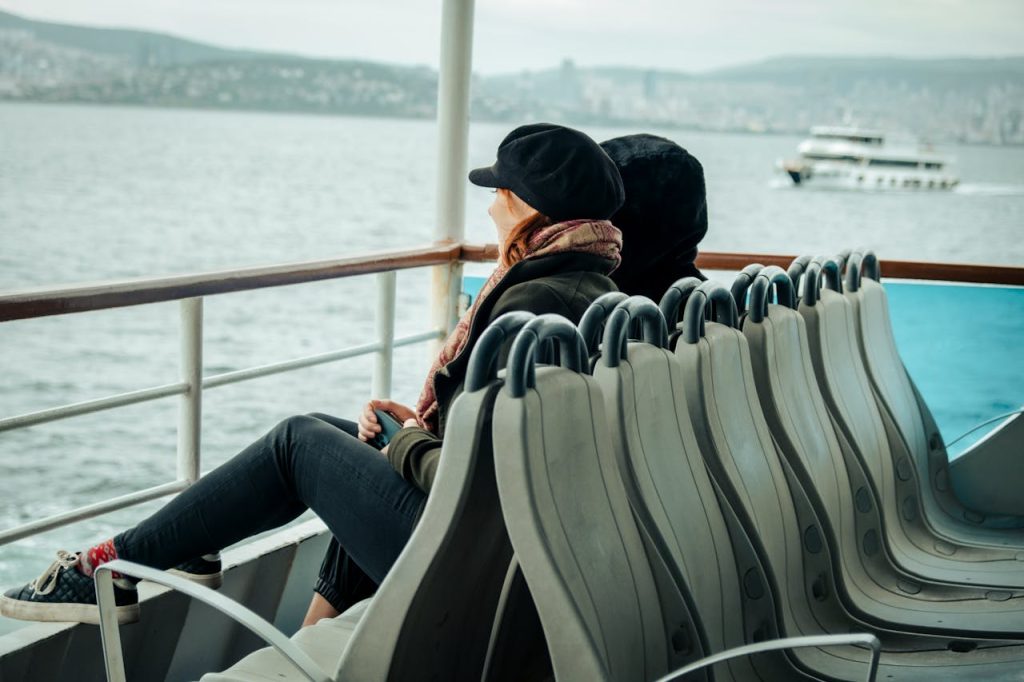
The biggest lesson first-time cruisers learn is that the most popular option is not always the best option. A party-heavy ship can disappoint someone who wanted quiet evenings and slow mornings.
Travel style should shape every booking decision. Cabin type, dining choices, and excursion plans all work better when they match real habits.
It also helps to be honest about energy. Some people love packed days and late-night shows, while others enjoy one activity and an early dinner. A cruise feels better when the plan fits the person instead of an idealized version of them.
New cruisers also feel pressure to upgrade everything. They add packages, premium dining, and extra activities because they do not want to miss out.
In reality, overbooking is a common reason first cruises feel tiring. Too many paid extras can make the trip feel scheduled instead of relaxing. A little empty space is often what makes the vacation memorable.
This is also why comparison shopping should go beyond price. A slightly higher fare on a better-matched ship can create a much better trip than a bargain on the wrong one. Value and fit matter more than the lowest number.
A first cruise does not need perfect planning to be great. It just needs smart planning in a few places that actually matter. The rest becomes much easier once those choices are right.
That is why experienced cruisers sound so practical when they give advice. They are not trying to make cruising complicated. They are trying to help first-timers avoid the mistakes that make a good trip feel harder than it should.