When Bear Spray Isn’t Enough: Essential Hiking Warnings
Hiking through wild terrain brings natural beauty along with real risks that require more than a single precaution. Bear spray helps in specific situations, but other hazards call for different tools, skills, and awareness. Changing weather, unstable ground, and wildlife behavior can shift quickly, turning a peaceful trail into a challenging environment. Understanding these broader dangers creates safer conditions and supports a more confident approach to exploring remote areas.
Rapid Weather Shifts
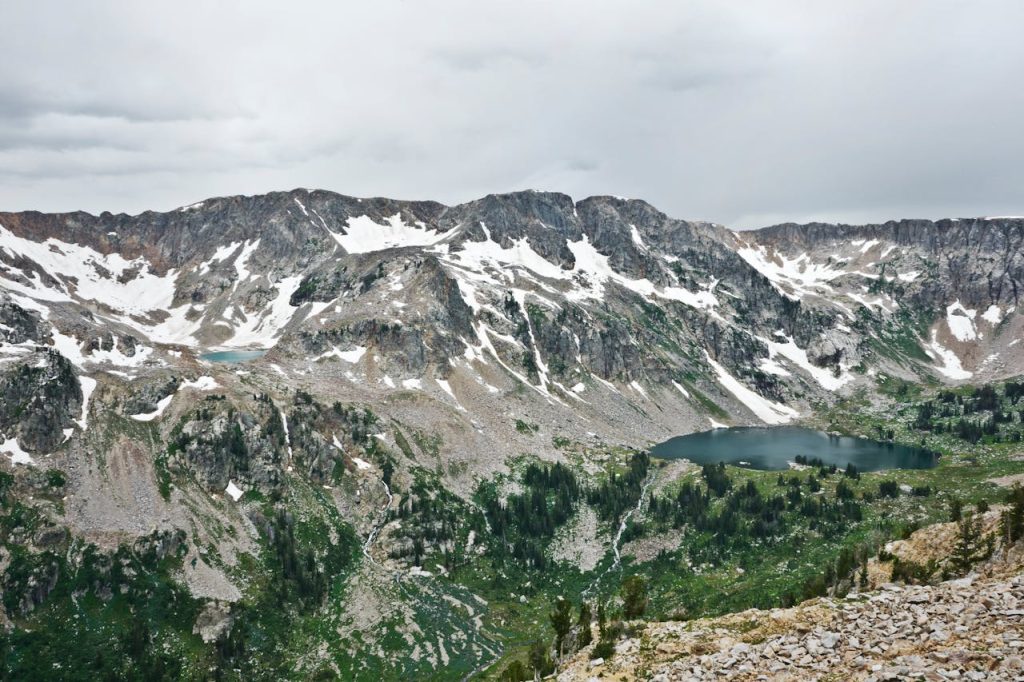
Mountain and forest climates can change with little warning, turning sunny paths into cold, wet, or windy terrain. Sudden storms reduce visibility and raise the risk of hypothermia. Layers, rain protection, and frequent weather checks keep hikers prepared for fast transitions. Knowledge of seasonal patterns also helps determine when certain trails may become unsafe due to temperature drops or approaching storms.
Limited Visibility
Fog, dense tree cover, or uneven lighting can make it difficult to track trail markers or spot hazards. Reduced visibility increases the chance of straying off established paths or encountering unstable slopes. Carrying reliable navigation tools supports safer movement through uncertain conditions. Flashlights, headlamps, and reflective gear also help maintain orientation when daylight shifts earlier than expected.
Unpredictable Wildlife Behavior
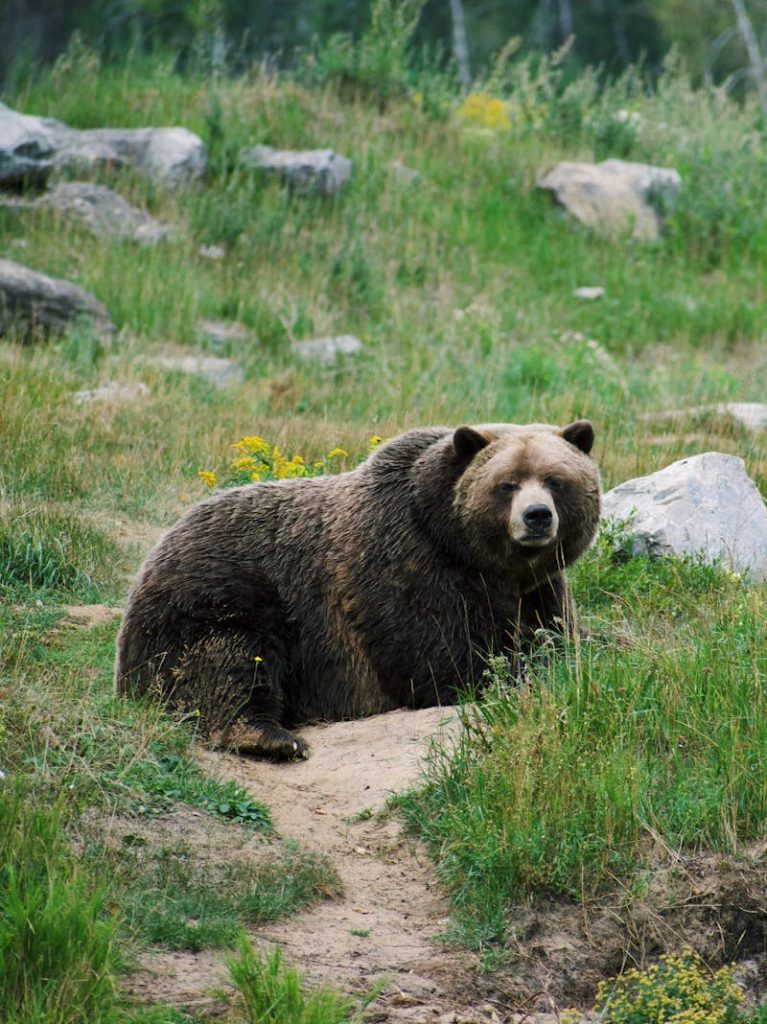
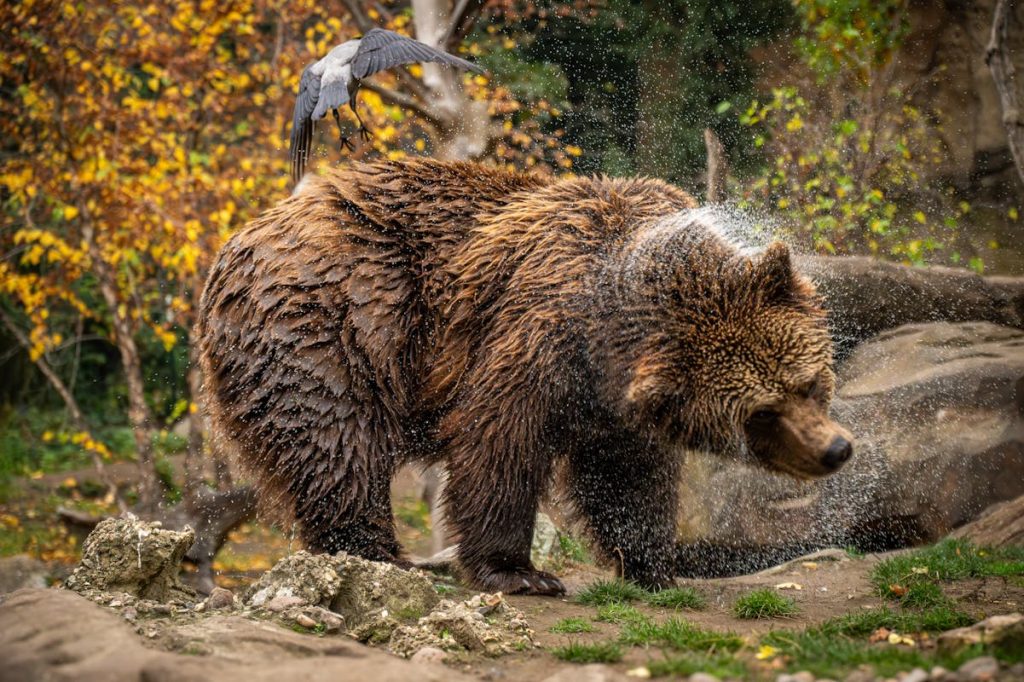
Bear spray assists in emergency encounters, but wildlife behavior extends beyond a single defensive tool. Animals may react differently depending on season, territory, or food availability. Keeping distance, avoiding strong scents, and staying aware of surroundings reduce the chances of creating stressful interactions. Respecting habitat boundaries remains a key part of safe travel through wild spaces.
Unstable Terrain

Loose rocks, wet roots, and steep inclines can create slipping hazards even on familiar trails. After rain or snowmelt, surfaces become especially slick, increasing the risk of injuries. Proper footwear with sturdy traction supports stability across varied landscapes. Choosing routes carefully and adjusting pace for changing ground conditions keeps movement controlled and steady.
Overexertion And Dehydration
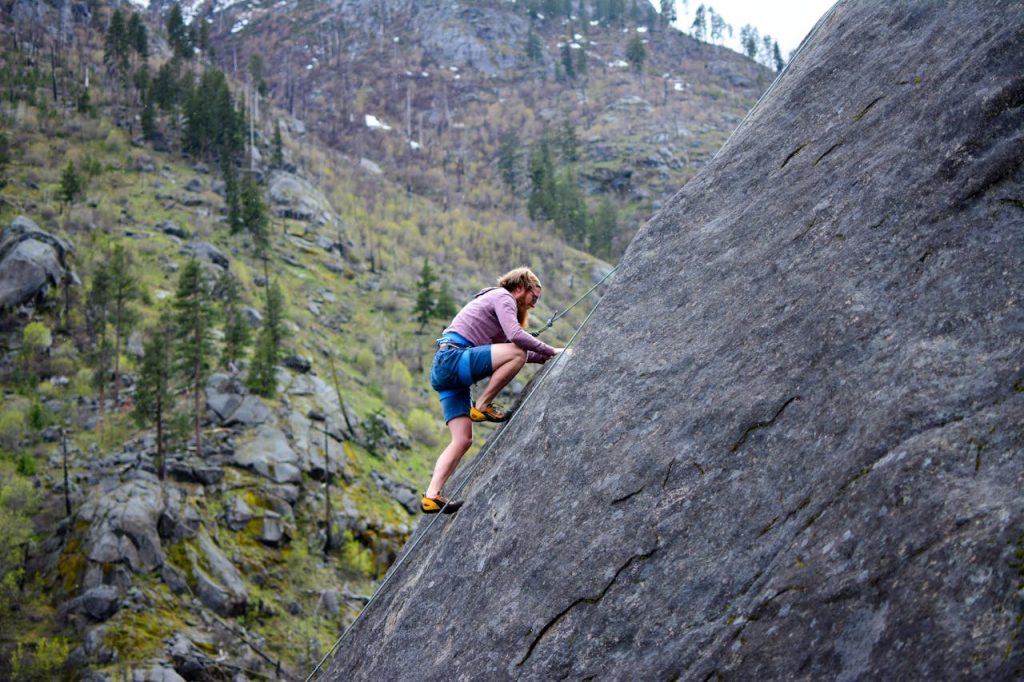
Long climbs, high altitude, and heat can strain the body more quickly than expected. Dehydration reduces focus and balance, making difficult sections harder to manage. Regular water intake and mindful pacing help maintain steady energy throughout the hike. Snacks with electrolytes or natural salts also support endurance during extended outings.
Navigation Errors

A wrong turn can lead far from marked paths, especially when intersections look similar or trail signs fade with age. Paper maps or offline digital versions remain essential in areas without cell service. Checking landmarks and using reliable navigation methods keeps progress on track. Preparation helps prevent long detours that drain time and daylight.
River And Stream Crossings
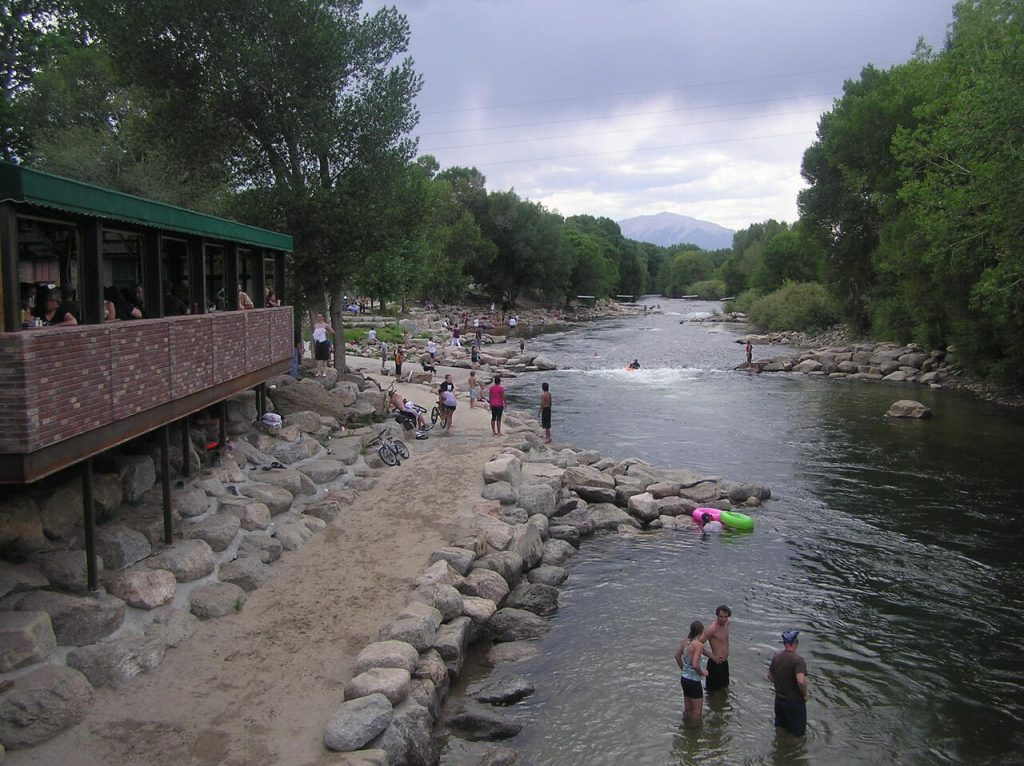
Fast-moving water presents hidden dangers beneath the surface, including slippery rocks and sudden drop-offs. Rising water levels after storms make crossings unpredictable. Assessing depth, current strength, and safe entry points reduces risk. Waiting for clearer conditions or seeking alternate paths often proves safer than pushing forward into uncertain water.