When Comfort Starts to Matter, Travel Changes in Surprising Ways
My travel strategy used to revolve around endurance. I would book a frantic itinerary through a chaotic mega-city, cramming five countries into two weeks while relying on unpredictable night trains and budget hostels.
I believed that roughing it was a badge of honor and that a true cultural experience required a certain amount of physical suffering. But as I started looking at 2025 and 2026 travel patterns, that exhausting approach lost all appeal.
Rising travel costs, global disruption risks, and an increasing desire for personal space have completely shifted the priorities. The old default of the overstimulating, hyper-kinetic capital is fading, replaced by destinations where seamless infrastructure and high-quality amenities allow travelers to actually rest.
This shift represents a fundamental change in how value is measured on the road. Urban planners and tourism researchers note that travelers are increasingly willing to pay a premium for environments that minimize friction.
The focus has moved from seeing everything to enjoying a few things in absolute comfort. I realized that a truly successful trip means returning home energized rather than requiring another week to recover from the vacation itself.
Vienna, Austria
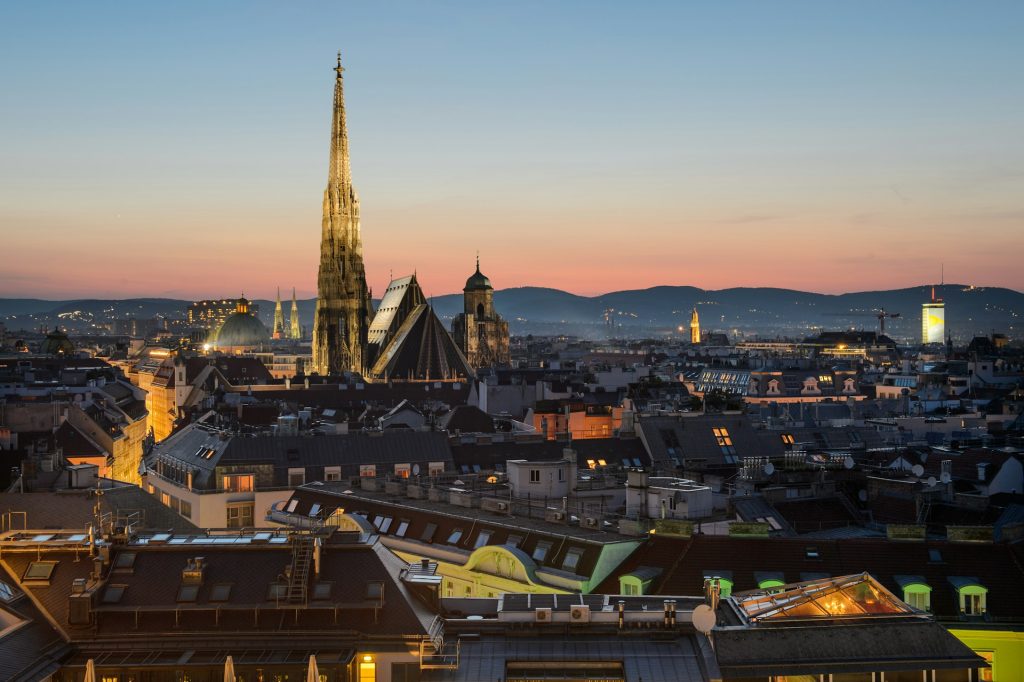
Vienna operates as a highly structured, pristine capital that is frequently chosen over the chaotic, crowded mega-city default because it prioritizes civic order and ease of movement.
Urban planners note the city features a legendary public transit infrastructure and housing-driven lodging stability.
Economic researchers report that strict rent controls keep short-term rentals manageable, preventing the hollowing out of neighborhoods and keeping local services robust for both residents and visitors.
These factors create a travel environment where logistics fade into the background. Heritage institutions explain that the immaculate preservation of public spaces allows for a dignified, low-stress exploration of world-class museums without the aggressive street hustling found in other European hubs. That is the shift toward engineered comfort.
The city is defined by grand imperial architecture, a pervasive coffeehouse culture, and an unhurried urban pace.
A notable tradeoff involves the formal social structure and language barriers. Cultural anthropologists observe that the local service culture can feel cold or overly rigid to those accustomed to enthusiastic hospitality.
Furthermore, navigating health system complexities or long-term visa rules without speaking German often requires hiring local administrative assistance.
Victoria, Canada
Victoria serves as a temperate, accessible retreat, replacing the frantic energy of the old mega-city default with manageable scale and maritime calm.
Demographic researchers explain that the city infrastructure is specifically designed for accessibility and safety, catering heavily to an older, comfort-oriented demographic.
Risk analysts note that the mild Pacific Northwest climate avoids the extreme heat disruptions plaguing southern destinations, while public health access remains highly rated for international visitors carrying proper insurance.
This location provides a seamless transition for travelers seeking international flair without severe culture shock. Tourism studies suggest that the high concentration of pedestrian-friendly zones and reliable public transport reduces the need for expensive rental cars or stressful highway navigation.
That tradeoff matters when minimizing travel friction is the primary goal. This destination offers a highly walkable harbor, heritage gardens, and a distinct island-city tranquility.
The primary tradeoff is the significant cost of living and regional price variation. Economic researchers warn that the island geography drives up the cost of goods, dining, and accommodations. Inflation exposure makes long-term budgeting challenging, particularly for those on fixed incomes seeking an extended comfortable stay.
Singapore, Singapore
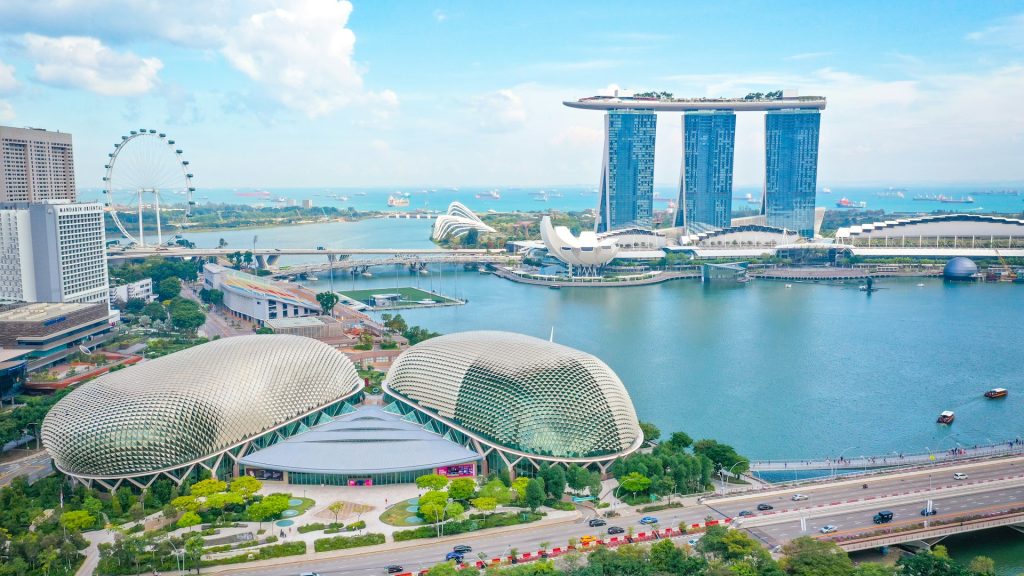
Singapore represents the pinnacle of frictionless travel, standing in stark contrast to the gritty, unpredictable nature of the traditional backpacker hub. Transport economists point out that the world-class airport and the highly efficient mass transit system eliminate the disruption risk common in older Asian capitals.
Tourism researchers highlight that strict environmental regulations and rigorous safety protocols provide a pristine, climate-controlled environment.
This high level of organization shields travelers from tropical unpredictability and urban chaos. Health analysts note that the abundance of private health access and spotless public facilities provides an unparalleled sense of physical security.
That is why the math changes for travelers prioritizing absolute reliability over raw adventure. The city-state is characterized by futuristic botanical gardens, impeccable street food centers, and seamless global connectivity.
A significant tradeoff is the strict regulatory environment and high cost of entry. Legal experts note that the rigid laws governing public behavior carry severe penalties that can induce anxiety for unaccustomed visitors. Additionally, the extreme humidity requires careful daily pacing, and the high cost of medical care necessitates comprehensive travel insurance.
Melbourne, Australia
Melbourne offers a sophisticated, easily navigable urban experience that avoids the overwhelming congestion of the older, high-density default choice.
Transit authorities highlight the extensive free tram zone in the city center, which reduces travel logistics to zero cost and effort for central exploration. Economic researchers report that the decentralized neighborhood structure prevents crowding, distributing visitors across vibrant suburbs rather than packing them into a single stressed tourist zone.
The focus on livability translates directly into a comfortable visitor experience. Urban sociologists note that the deep investment in public parks and accessible cultural venues allows for a relaxed, high-quality daily routine. Visitors can easily adopt a slow-paced lifestyle that mirrors the local emphasis on work-life balance.
The city features a dense network of hidden laneways, a world-class culinary scene, and expansive green spaces.
The major tradeoff is the immense geographic distance from the Northern Hemisphere. Travel logistics experts warn that the initial flight requires significant physical endurance and financial investment. Furthermore, unpredictable weather shifts and regional price variations can complicate short-term planning and budgeting.
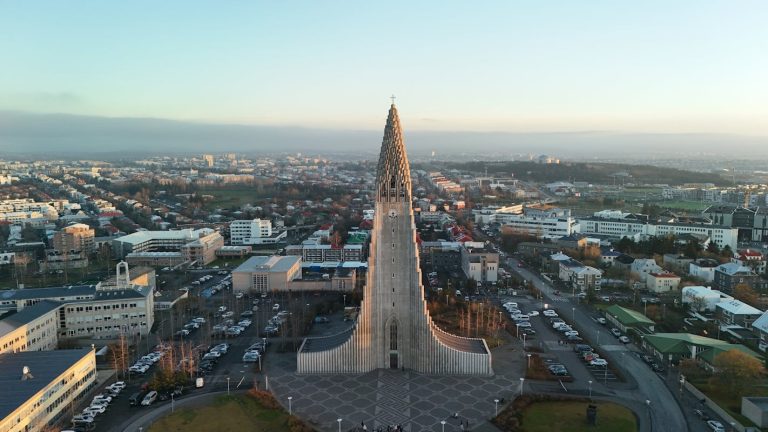
Reykjavik, Iceland
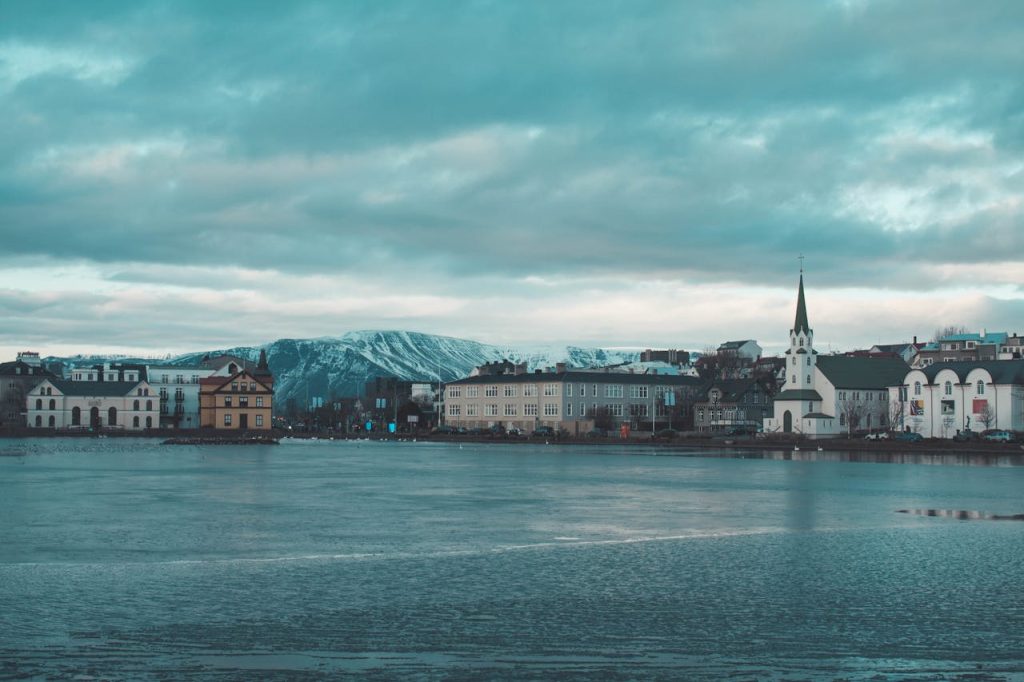
Reykjavik is a serene, highly functional gateway that completely discards the overwhelming sensory overload of the traditional massive tourist capital.
Geothermal energy experts and tourism researchers note that the municipal infrastructure provides abundant, low-cost heating, creating a cozy and comfortable environment even in harsh weather. Safety analysts point to the extraordinarily low disruption risk and minimal crime rates, allowing visitors to drop their guard completely.
The commitment to public wellness is visible in the accessibility of community facilities. Health researchers note that the cultural reliance on geothermal public pools provides a daily, low-cost wellness routine that promotes physical comfort and social connection.
The pristine environmental conditions offer a stark, refreshing alternative to polluted urban centers.
This capital is known for its stark coastal views, geothermal public pools, and a remarkably safe, small-city pace.
A critical tradeoff involves the extreme climate stress and astronomical costs. Meteorological data shows that the dark winter months can severely impact mood and limit outdoor excursions.
Furthermore, economic reports confirm that dining and transportation are among the most expensive in the world, requiring a massive budget for a sustained comfortable stay.