Where Autumn Hangs On: National Parks With Remarkably Long Fall Color Seasons
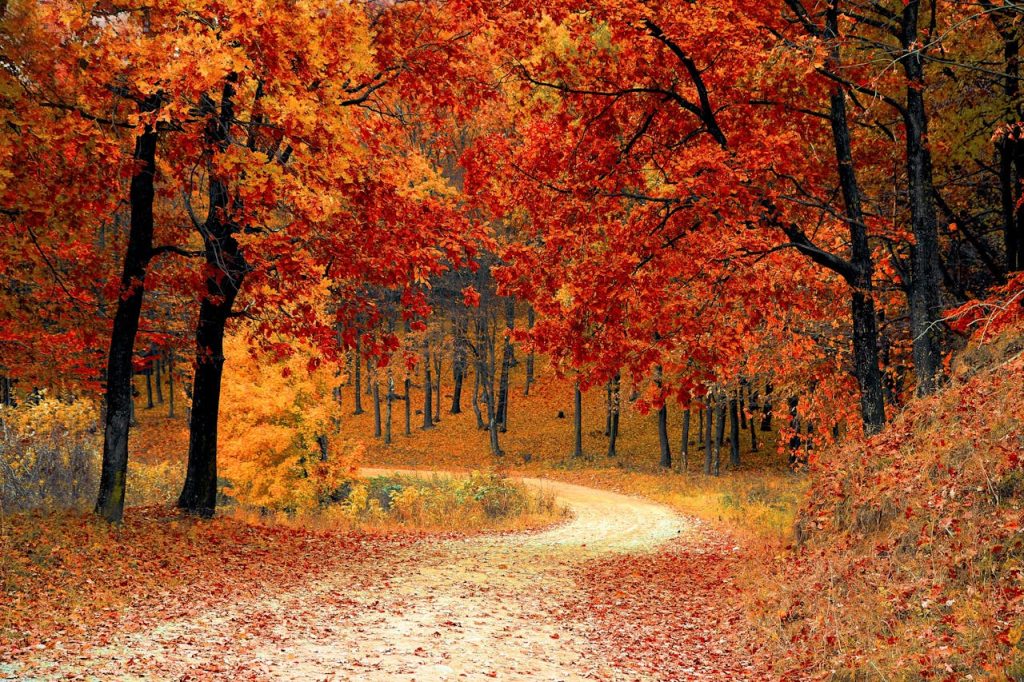
Fall in many parts of the United States often feels fleeting, yet several national parks experience extended color displays that last well beyond the dates most travelers expect. These parks benefit from varied elevations, broad temperature ranges, and diverse tree species that shift gradually rather than all at once. The result is a longer viewing window that allows visitors to take in vibrant golds, reds, and ambers long after early-season foliage has faded elsewhere. Cooler nights, wide valleys, and microclimates help stretch the season while offering unique scenery that changes week by week. Exploring these parks during later fall reveals quieter trails, gentler light, and landscapes that continue transforming until the early signs of winter take hold.
Great Smoky Mountains National Park
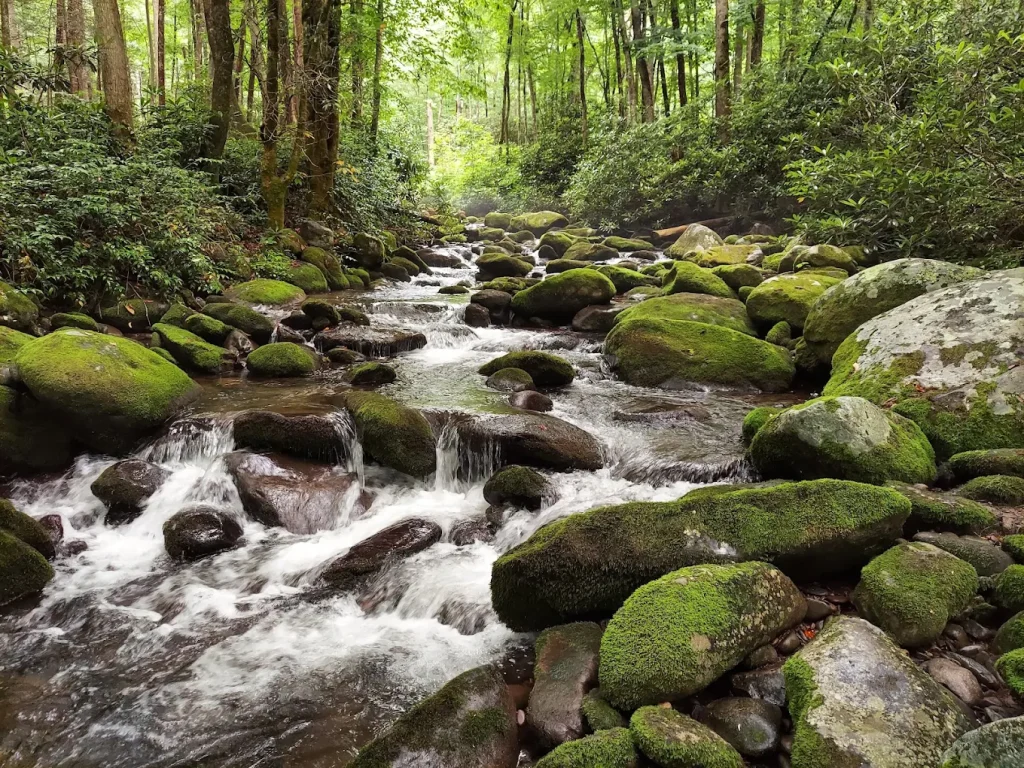
Great Smoky Mountains National Park often showcases extended fall color because of its dramatic elevation changes and broad variety of hardwood species that peak at different times. Higher ridges begin turning in late September, while lower valleys do not reach full color until early November, creating an unusually long season. This gradual progression allows visitors to find vibrant scenery in multiple areas even as earlier colors fade at higher levels. The park’s cool nights and mild daytime temperatures support lasting foliage conditions, while moisture from surrounding forests helps preserve leaf vibrancy. The combination of layered vistas, changing forest densities, and gentle autumn weather makes the Smokies one of the most reliable destinations for extended fall viewing in the eastern United States.
Shenandoah National Park
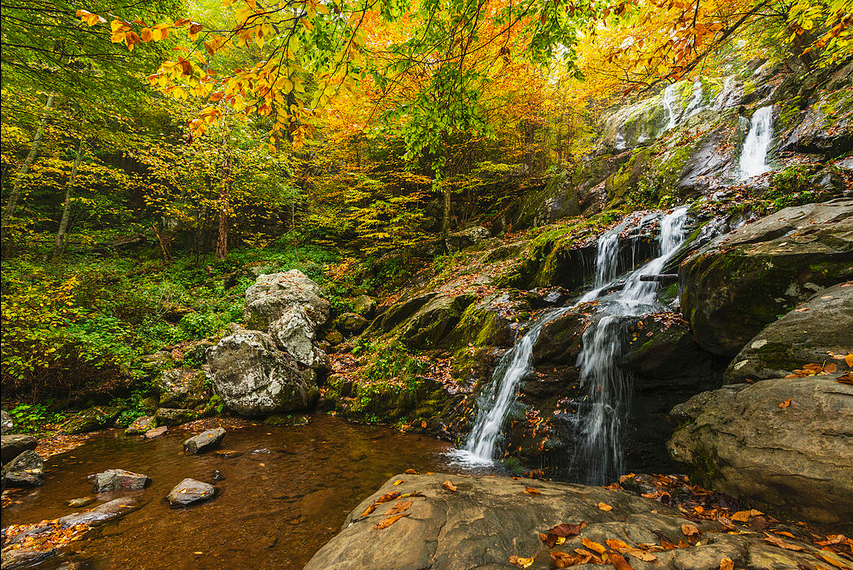
Shenandoah National Park offers an extended fall foliage season thanks to its long ridgeline and varied topography along the Blue Ridge Mountains. Color begins developing at higher elevations early in October and continues descending into the lower hollows well into November. This staggered shift allows multiple opportunities to see peak conditions across Skyline Drive, where overlooks reveal sweeping views of red, gold, and orange canopies. The park’s cooler mountain temperatures and abundance of oak, hickory, and maple species help maintain color intensity longer than nearby lowland regions. As the season progresses, subtle changes in light create warm contrasts across the valleys, giving visitors a lengthy window to appreciate rich autumn scenery.
Acadia National Park
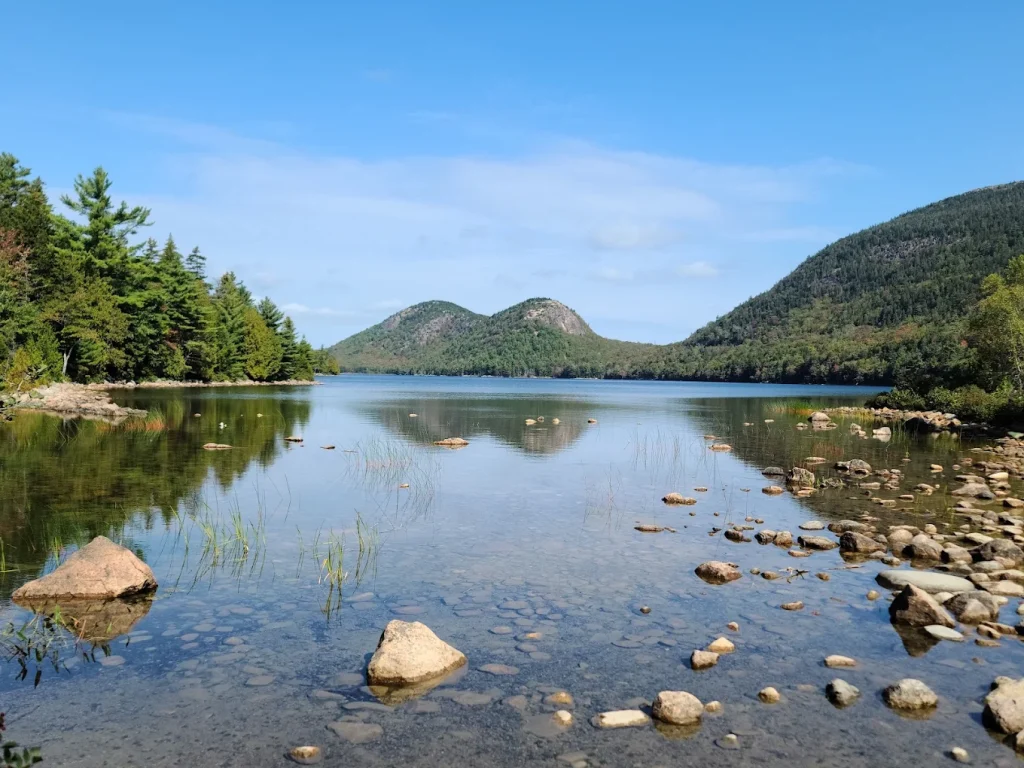
Acadia National Park experiences a longer-than-expected fall color season due to its coastal climate and extensive mix of conifer and hardwood forests. The Atlantic Ocean moderates temperatures, allowing foliage to develop gradually and hold its color even as colder weather reaches inland areas. Leaf change typically begins in early October and often continues into late October or early November in protected sections of Mount Desert Island. Acadia’s rocky cliffs, lakes, and forested hillsides provide striking backdrops for the evolving colors, with soft maritime light extending the vibrancy of reds and yellows. Low-lying coastal trails and sheltered valleys transition more slowly than exposed summits, creating a layered seasonal landscape that lasts well beyond traditional peak dates.
Glacier National Park
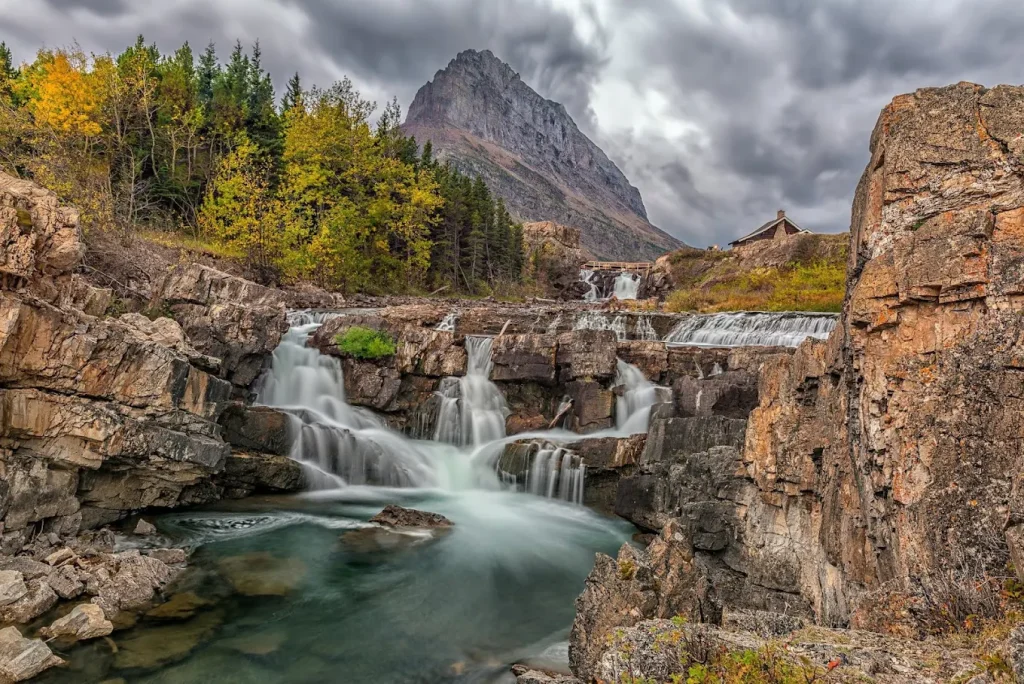
Glacier National Park offers a fall season that lingers longer than many expect because of its high elevation range and the presence of larch trees, which turn brilliant gold well after most deciduous species have shed their leaves. These unique conifers typically reach peak color in late October, extending the visual appeal of the park deep into autumn. Cooler mountain temperatures and clear weather patterns help preserve the larch needles, allowing sweeping views of golden forests set against rugged peaks. Lower elevation cottonwoods and aspens also change later in the season, enhancing the depth of late fall scenery. This combination creates an extended period when autumn hues remain vibrant even as winter conditions begin approaching the high country.
Rocky Mountain National Park
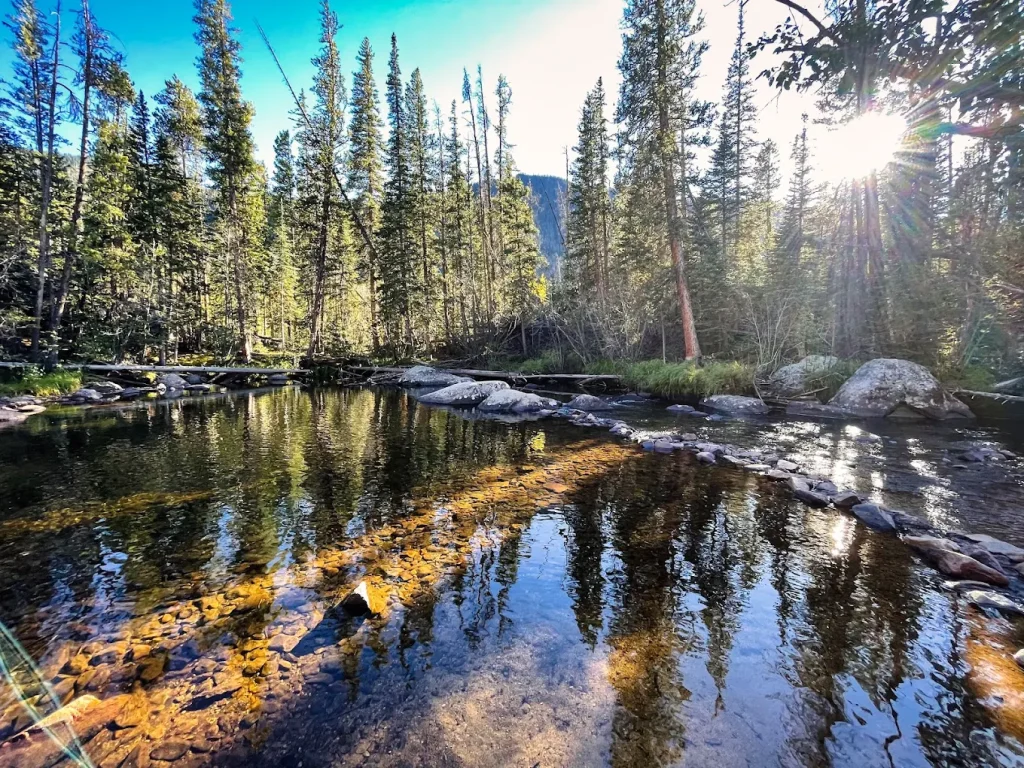
Rocky Mountain National Park often extends its fall season through October because of its broad range of elevations and large stands of aspen that turn color at different times. High alpine groves begin shifting earlier, while lower elevations near Estes Park and the Kawuneeche Valley peak several weeks later. This staggered pattern results in a prolonged period of golden foliage that contrasts beautifully with clear blue skies and snow-dusted peaks. Cooler nighttime temperatures help preserve leaf color, and the park’s dry climate reduces premature leaf drop. Wildlife activity also increases during this period, adding another layer of interest as elk gather in open meadows against a backdrop of warm autumn tones.
Grand Teton National Park
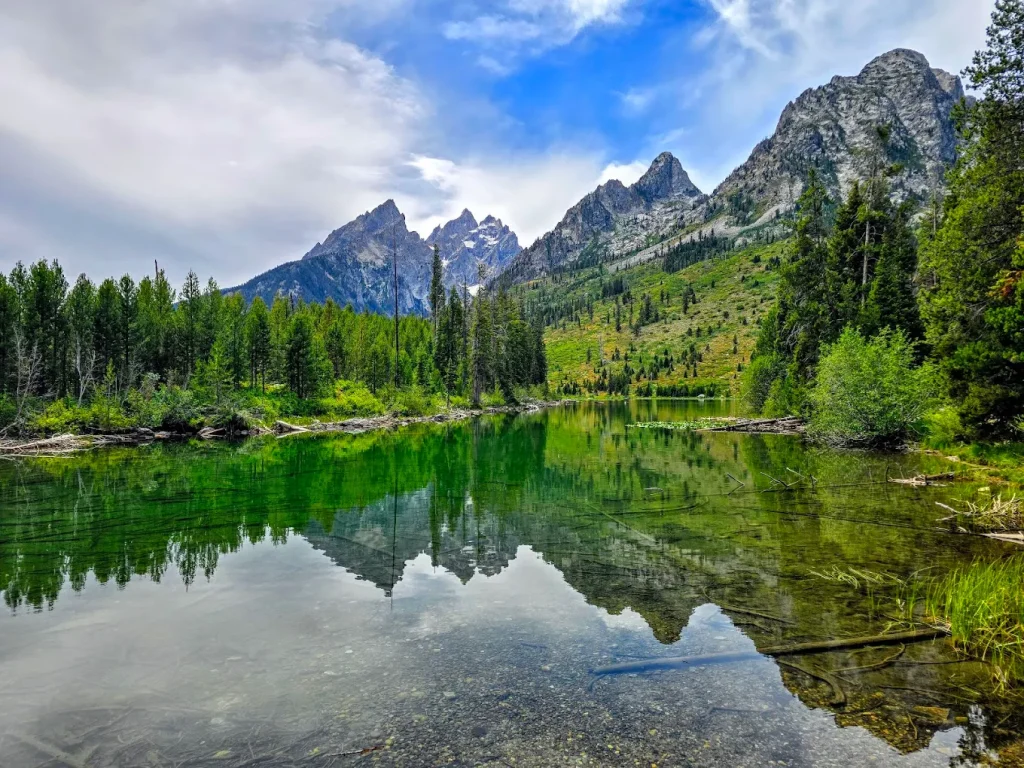
Grand Teton National Park features a fall color season that often lasts well into mid-October thanks to stable weather patterns and large aspen stands that change gradually. The park’s dramatic backdrop of jagged peaks provides a striking contrast to golden groves along the Snake River and in the foothills. Cooler mountain nights slow the fading process, while warm days maintain leaf vibrancy. Cottonwoods and willows in the lower wetlands extend the season even further by turning later than high alpine species. These layered transitions allow visitors to experience rich color across multiple areas while enjoying clear autumn air and open views that become even more dramatic as light angles shift throughout the season.
Yellowstone National Park
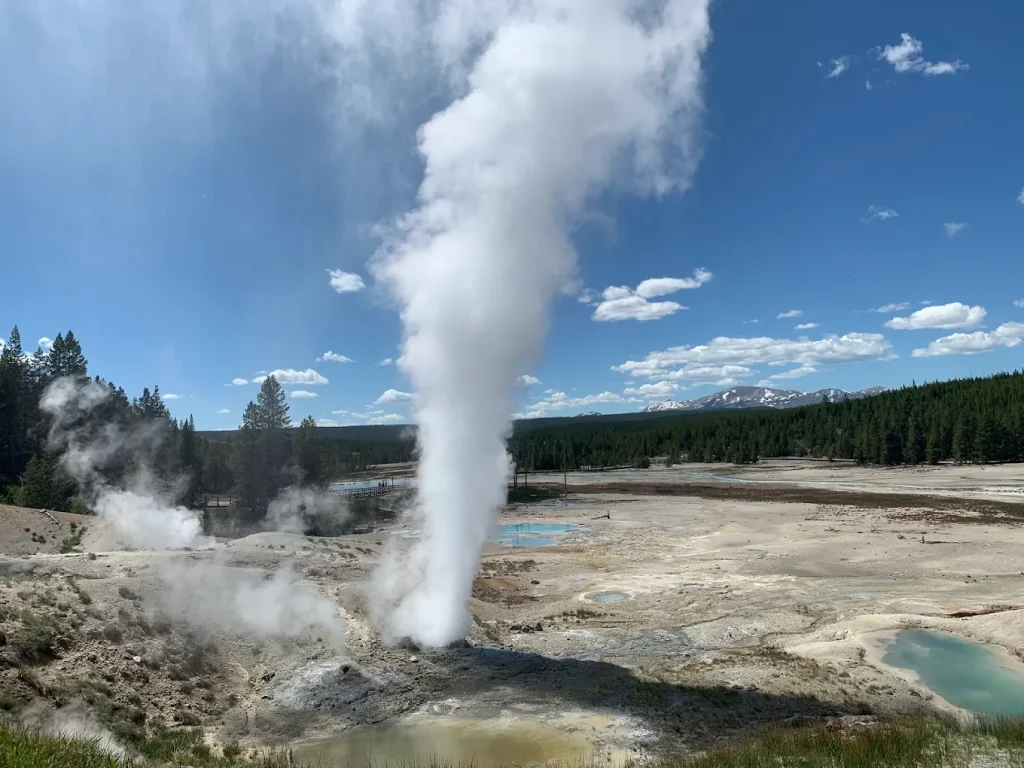
Yellowstone National Park offers a longer-lasting fall season because of its diverse habitats, wide elevation differences, and hardy tree species that transition slowly. Aspens in Lamar Valley often peak in late September, while cottonwoods along the rivers can remain bright well into mid-October. The park’s geothermal features create localized warm pockets that influence how foliage develops, extending color in certain areas. Meadows, river corridors, and forested slopes shift at different rates, creating a mosaic of late-season hues. Cooler temperatures and dry conditions preserve leaf color, while early snow adds contrasting highlights that enhance the park’s expansive scenery during this time of year.
Yosemite National Park
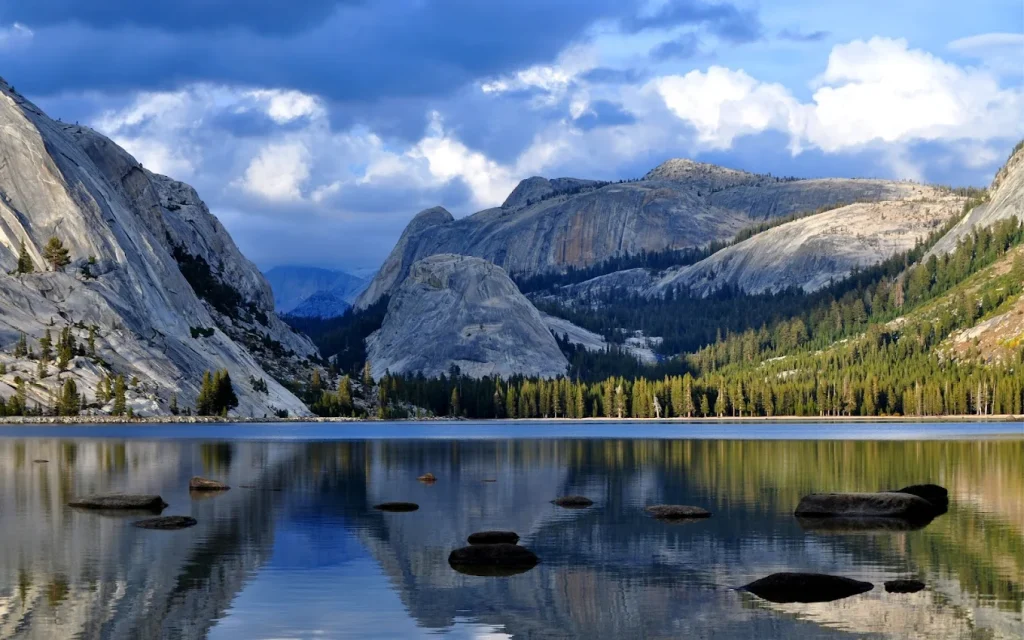
Yosemite National Park sees an extended fall season due to the variety of tree species that occupy its valleys, meadows, and granite-lined slopes. While higher elevations cool early, lower areas such as Yosemite Valley retain vibrant color into late October and sometimes November. Bigleaf maples, dogwoods, and black oaks change at different stages, creating a rolling display that evolves week by week. The park’s dramatic cliffs cast shifting shadows that intensify warm autumn tones in late afternoon light. As temperatures drop slowly, leaves maintain color longer than in many regions of California, offering a quieter, more contemplative experience for fall travelers.
Zion National Park
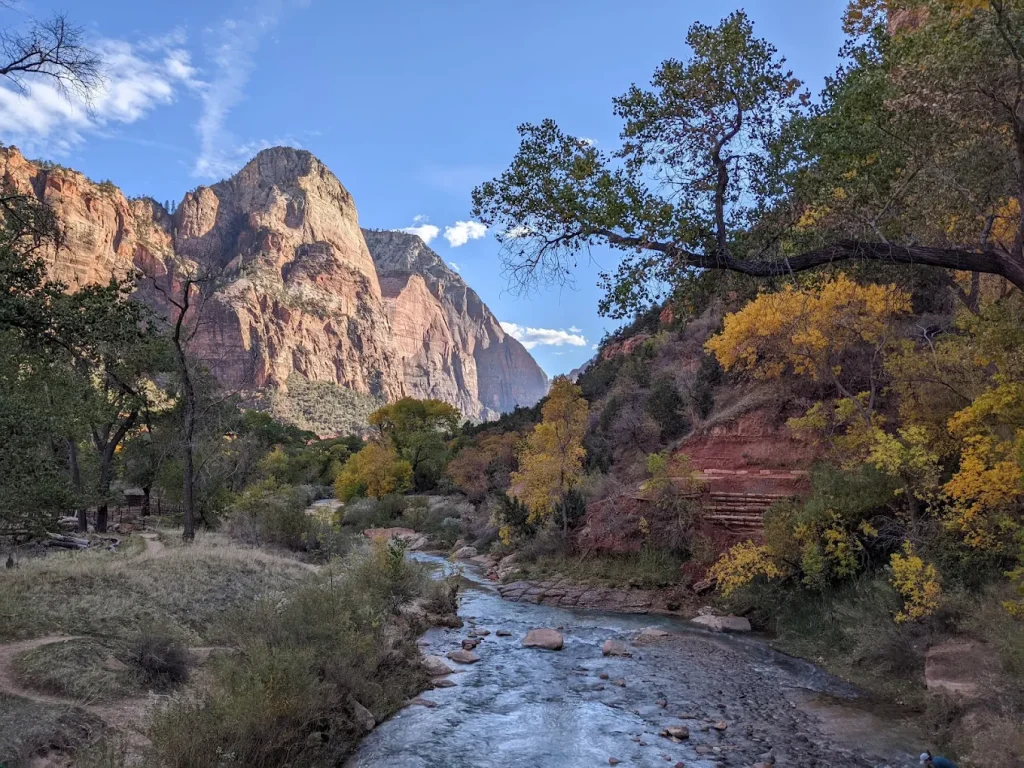
Zion National Park often extends its fall color display through late October and sometimes early November because of its deep canyons and varied elevations. Higher plateaus shift earlier in the season, while cottonwoods along the Virgin River peak later, creating multiple opportunities to see rich golden tones. Warm days and cool nights support gradual transitions, and the canyon walls reflect sunlight in ways that amplify the intensity of the season’s colors. Trails that wind through narrow passages offer unique vantage points where foliage remains bright long after leaves have faded at higher elevations. These contrasts help stretch the park’s autumn experience beyond what travelers often expect in the desert Southwest.
Bryce Canyon National Park
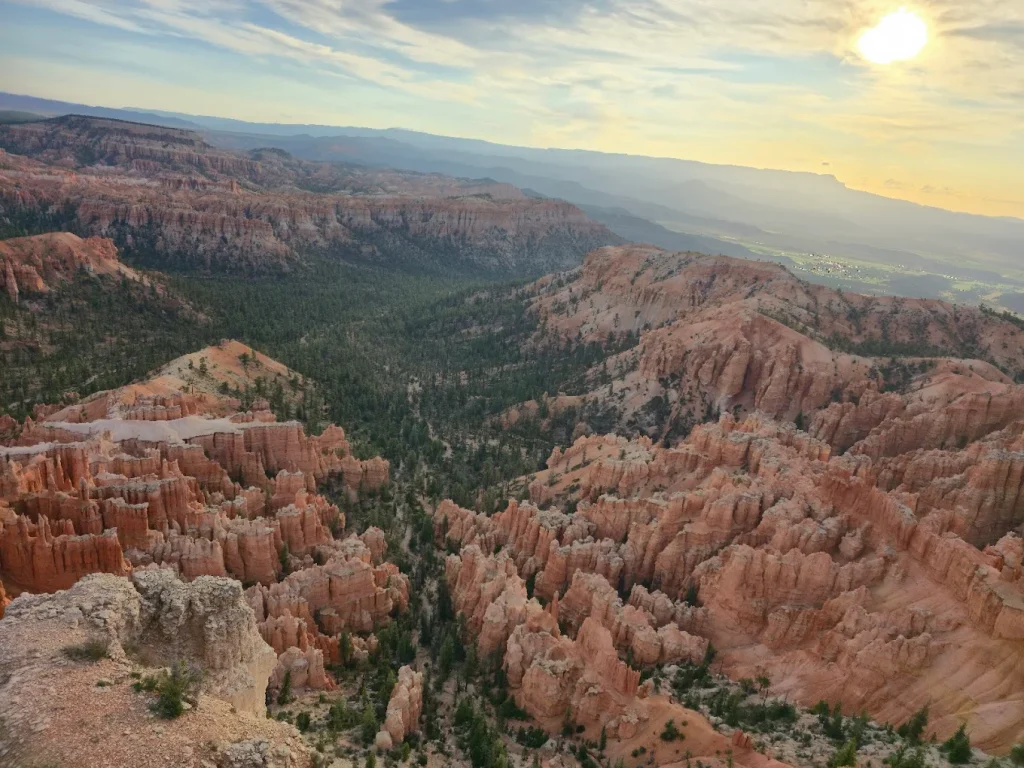
Bryce Canyon National Park experiences lingering fall color thanks to its high elevation and mixed forests of aspen and spruce. Aspens begin transitioning in September but often retain their golden hue into early October, especially in cooler pockets near the rim. The park’s unusual rock formations enhance the visual effect by creating warm contrasts that highlight scattered trees across its amphitheaters. Because temperatures drop slowly in early fall, many groves maintain color longer than those in surrounding regions. Visitors who arrive after traditional peak dates frequently encounter surprising pockets of vivid foliage along scenic overlooks and forested trails.
Capitol Reef National Park
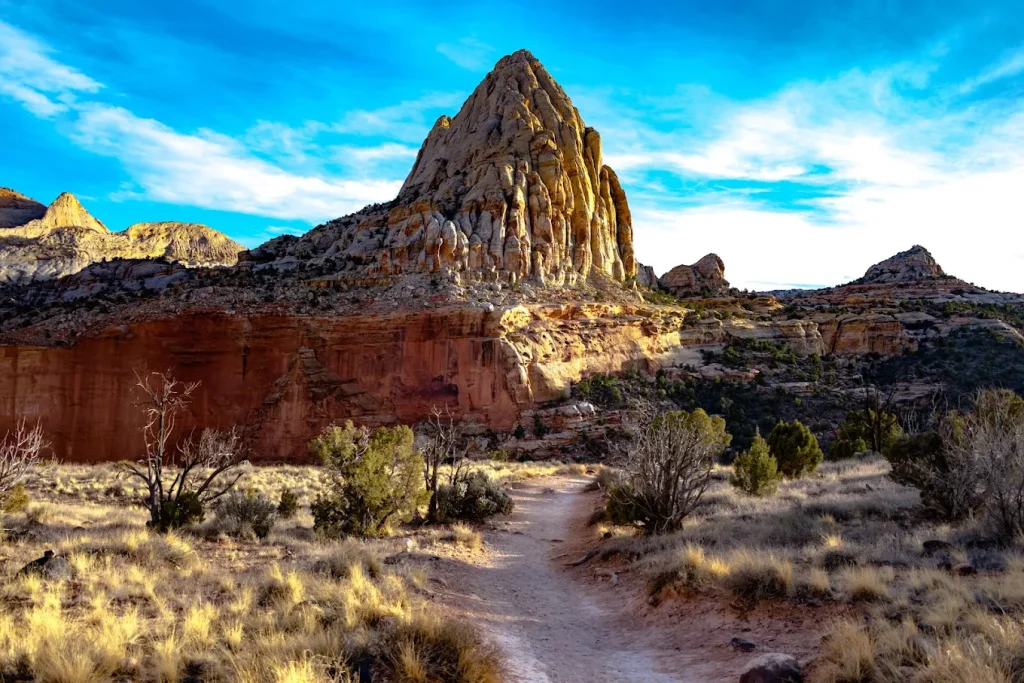
Capitol Reef National Park offers a longer fall season due to its sheltered orchards, river valleys, and unique desert climate. Fruiting orchards in the historic district peak later than surrounding highland areas, creating a burst of color that continues into mid or even late October. Cottonwoods along the Fremont River shift gradually, maintaining bright yellow hues that contrast with red rock cliffs. The park’s mix of elevations and dry conditions helps extend leaf retention, making it one of the more dependable late-season destinations in Utah. Peach, apple, and apricot trees add layers of seasonal variation uncommon in other national parks of the region.
Great Basin National Park
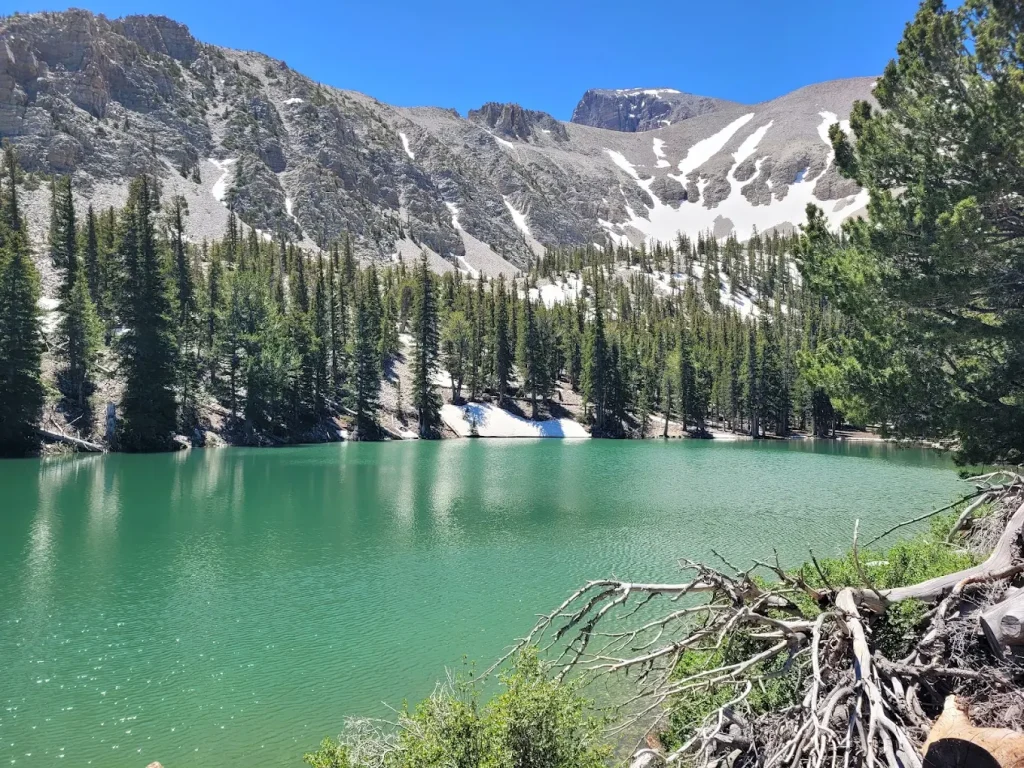
Great Basin National Park benefits from broad elevation changes that allow fall colors to last well into October. High alpine aspens begin changing early, while stands in lower valleys transition later, creating a prolonged blend of gold and orange. Cooler temperatures at higher elevations preserve leaf color, while stable weather patterns reduce premature leaf drop. The park’s isolated location also contributes to a peaceful atmosphere where fall unfolds gradually across its diverse terrain. Views of Wheeler Peak framed by shifting aspens create some of the most striking late-season scenery in the Great Basin region.
Mount Rainier National Park
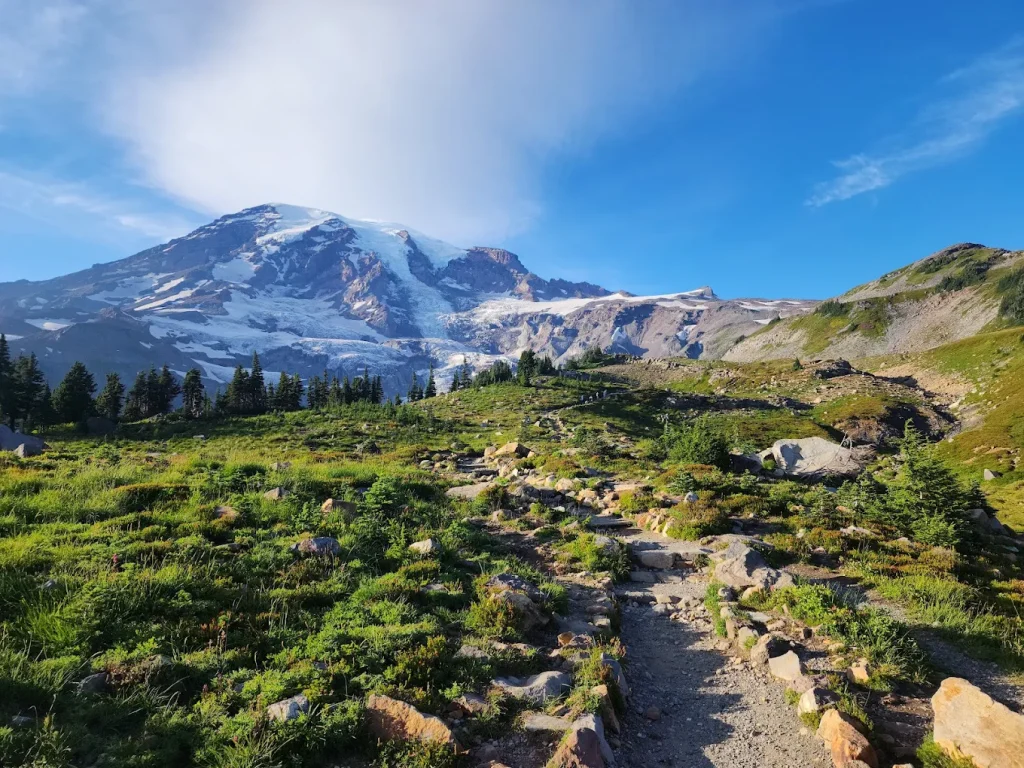
Mount Rainier National Park’s fall color season endures longer than expected because of its diverse vegetation and the cooling influence of surrounding forests. Huckleberry bushes, vine maples, and meadow grasses change at different times, creating waves of red, purple, and gold that stretch through October. Lower elevation forests maintain color longer due to their protected environments, while higher slopes near Paradise shift earlier. The mix of deciduous shrubs and evergreen forests produces patchwork landscapes that continue evolving late into the season, especially as the mountain’s early snow highlights the remaining warmth of autumn tones.
North Cascades National Park

North Cascades National Park experiences extended fall color because of its vast wilderness, wide elevation range, and the presence of larch trees that peak late in the season. These unique conifers turn bright gold in mid to late October, long after other species have faded. Cooler temperatures at higher elevations preserve color, while lower valleys provide additional weeks of shifting foliage. The region’s dramatic ridgelines and alpine lakes amplify the effect by reflecting changing tones throughout the season. This combination creates one of the longest and most visually dynamic fall displays in the Pacific Northwest.
Cuyahoga Valley National Park

Cuyahoga Valley National Park in Ohio offers a surprisingly long fall season due to its varied forests, wetlands, and river corridors that cool at different rates. Maples and hickories change earlier in upland forests, while beech and oak species closer to the valley floor transition later, creating waves of color through late October and sometimes early November. The park’s abundant moisture and sheltered slopes help maintain leaf vibrancy longer than surrounding open farmland. Boardwalk trails, waterfalls, and scenic overlooks highlight one of the Midwest’s most extended autumn displays.