Why Budget Travel Isn’t Working Anymore for Solo Women

Budget travel used to be a simple trade: less comfort for more freedom. For solo women, that trade now includes safety costs that add up fast.
Prices climbed, but the bigger shift is what counts as basic. Good lighting, predictable transport, and flexible timing stopped being extras.
When you are alone, a small hiccup can turn into a stressful situation. That reality changes which “cheap” choices still make sense.
Budget travel is not dead, but the old playbook is. The new version is about control first, then savings.
The Price Floor Moved Up
The baseline costs of flights, food, and entry tickets have risen in a lot of places. Even “affordable” destinations can nick your budget with small daily charges.
Solo travel also removes shared savings. You pay the whole room, the whole ride, and the whole recovery cost when plans shift.
That makes your margin for error thinner. One delay can force a pricey fix that a pair of travelers might split.
So the budget breaks earlier than it used to. Not because you planned poorly, but because the floor is higher.
Cheap Flight Deals Don’t Stay Cheap

Low fares often start as a headline, not a total.
Baggage fees can turn a bargain into a normal ticket.
Seat selection can become a quiet tax.
Change fees can punish the smallest schedule slip.
Odd-hour arrivals cost more than people admit. Landing late can mean paying for a safe ride instead of gambling on a long wait.
Red-eyes can also steal your judgment the next day. Tired decisions are where budgets leak.
The cheapest ticket is often the least forgiving. When something goes wrong, you pay more to get back on track.
Solo travelers feel that hit harder. There is no one to split the rebook or share the stress.
Lodging Safety Now Has a Price Tag
A low nightly rate often means a spot that feels fine at noon and wrong at night. That difference matters when you are walking alone with a phone and a key.
Security details stop being background noise. Lighting, locks, staffed entrances, and clear rules become part of the value.
Fees also blur the real cost. Deposits, cleaning charges, and taxes can erase savings after checkout.
Many solo women pay more for a calmer base. It is not about luxury, it is about fewer unknowns.
Getting Around After Dark Breaks the Budget
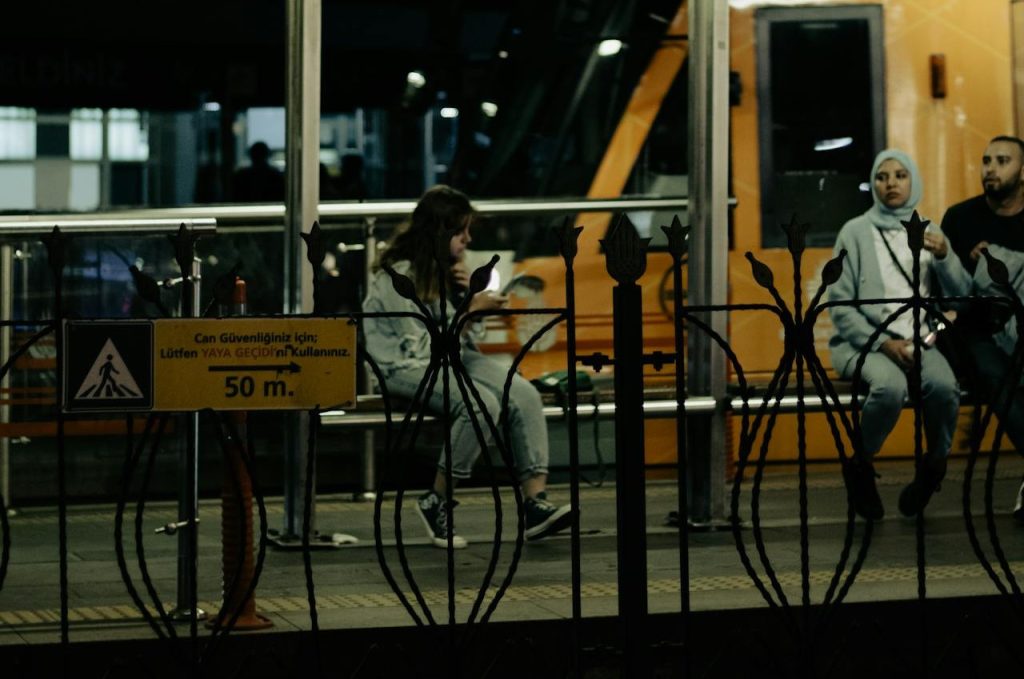
Public transit can be easy in daylight and stressful at night.
Walking is free until it feels unsafe.
Rideshare is convenient until surge pricing hits.
Taxis are simple until you are unsure what is legitimate.
When the safe window shrinks, the day gets pricier. You start paying to avoid long waits and empty platforms.
A cheap route can become expensive if it pushes you into late transfers. The moment you feel exposed is the moment you spend.
This is where solo travel changes the math. Reliability becomes worth paying for.
So transport turns into risk management. And risk management is rarely the cheapest option.
The Convenience Tax Hits Solo Travelers Hard
Cheap travel often depends on patience and complicated routing. Complexity is harder when you carry everything yourself.
Waiting for the cheapest option can mean standing alone with luggage and scanning crowds. Paying more can mean moving quickly and staying oriented.
This is not about being fragile. It is about reducing vulnerable moments before they stack up.
When the day feels steady, you spend less on panic fixes. Calm is a budget tool.
Hostels Aren’t the Universal Hack Anymore

Hostels can still be great, but the experience is less consistent.
The best ones book out early.
The cheapest beds can cost you sleep.
Private rooms can cost like hotels.
Party vibes can feel fun until they feel draining. Poor sleep makes everything harder the next day, including judgment.
Safety features vary a lot. Some places have great staff and security, while others feel hands-off.
Women-only dorms and smaller rooms often cost more. That price jump can reshape the whole budget.
Many solo women switch to guesthouses or budget hotels. They trade social energy for steadier rest.
Holds, Insurance, and Data Plans Quietly Raise Costs
Temporary card holds can shrink your usable cash. You can feel broke mid-trip even when you budgeted well.
Insurance matters more when you are alone. A stronger policy is a real cost, but it can prevent a financial disaster.
Connectivity is not optional for most solo travel. Maps, translation, and check-ins depend on data when Wi-Fi fails.
These expenses rarely look dramatic one by one. Together, they change what “budget” actually means.
A Budget Strategy That Still Works

Start with a safety-first budget, not a price-first fantasy.
Choose fewer bases and stay longer.
Book daylight arrivals when you can.
Keep one paid backup option in your pocket.
Build your budget in layers. Protect location, timing, and reliable transport first, then hunt savings in food and activities.
Use strict lodging filters. If check-in feels complicated or reviews mention safety issues, skip it.
Plan for friction, not perfection. A small buffer prevents the domino effect of delays and last-minute spending.
Budget travel still works when it feels steady. The win is not the cheapest trip, it is the trip that stays in control.