Why Comfort and Emotional Safety Matter More Than Luxury Right Now
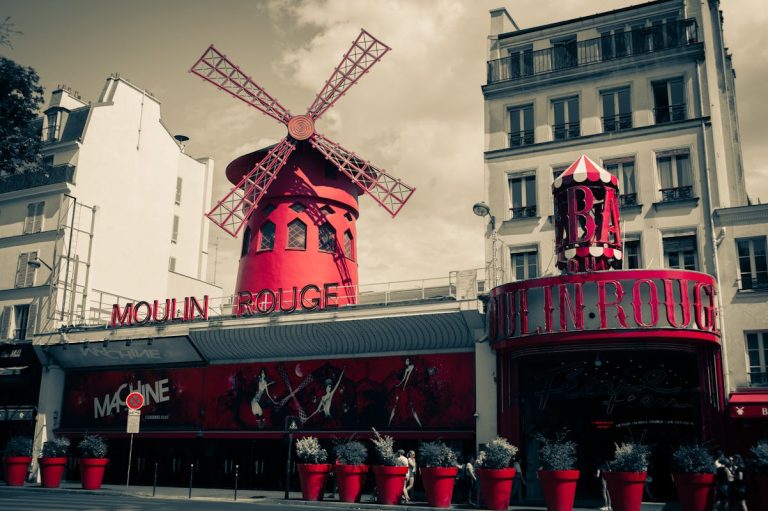
I used to default to the glittering mega resorts along the French Riviera for a sense of escape. The plan always centered on high end luxury amenities and exclusive beach clubs.
Now, looking toward 2025 and 2026, the reality of climate stress, overwhelming crowds, and soaring coastal prices makes that old default feel less like a vacation and more like a logistical chore.
Chasing pure luxury no longer guarantees relaxation. Tourism studies suggest modern travelers prioritize destinations offering predictable environments and genuine comfort over flashy status symbols.
That is the shift. The focus now turns toward places providing reliable infrastructure, manageable pacing, and a secure sense of place without the hyper competitive luxury price tag.
Kanazawa, Japan
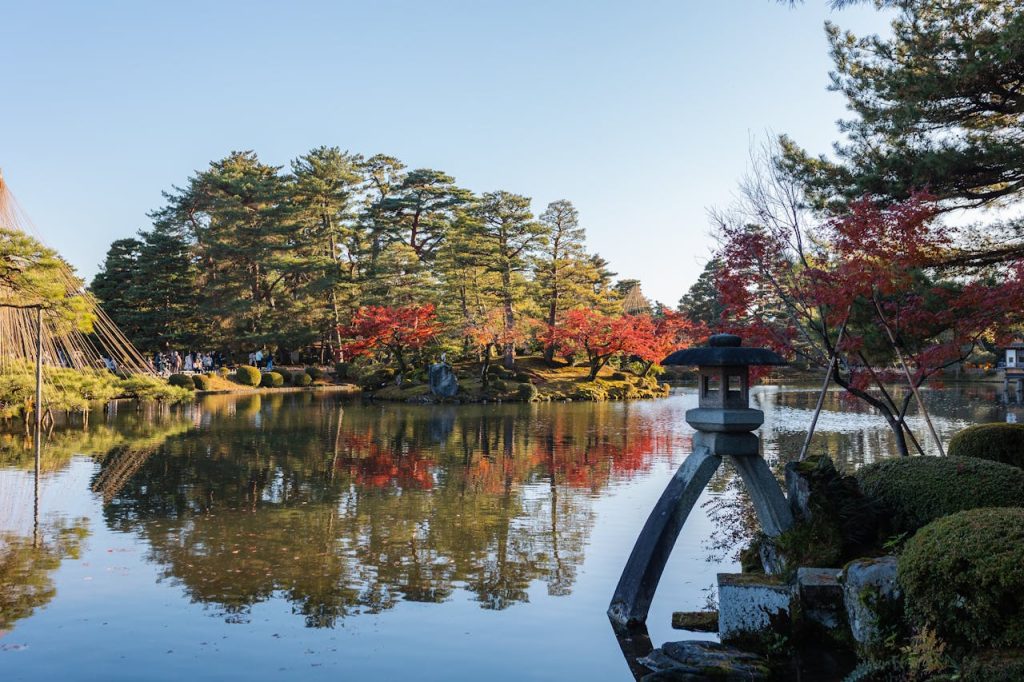
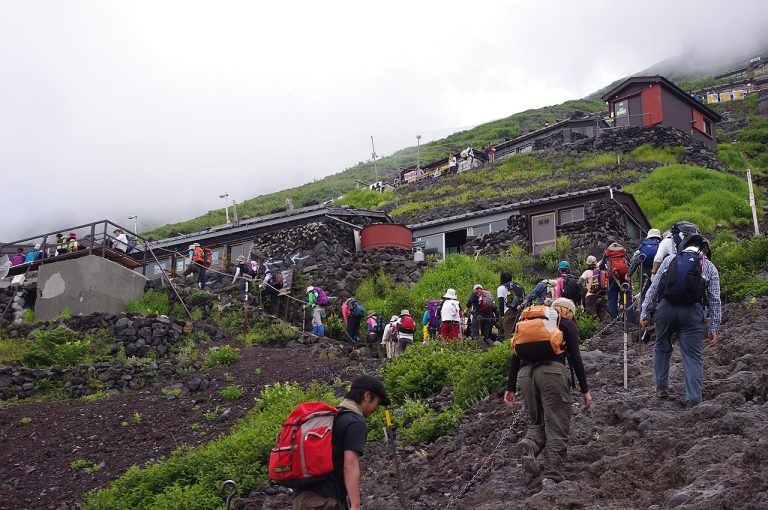
Kanazawa offers a profound sense of tranquility and historical grounding that packed Mediterranean coastal hubs simply cannot match. Heritage institutions note this regional city preserves deep cultural traditions without the overwhelming congestion found in major tourist capitals. The decision to shift toward regional Japan reflects a desire for predictability and peace over high stress luxury.
Economic researchers report currency effects currently favor international visitors in Japan, allowing travelers to secure exceptional quality at a fraction of the cost required for European estates. Lodging pressure remains manageable here, and the local infrastructure reliability ensures seamless daily movement.
Conflict researchers explain places with high social trust and low crime rates provide a baseline psychological ease that high demand hotspots lack. That is why the math changes.
The city features exceptional walkability alongside distinct four season living and beautifully preserved historic districts.
Experts flag potential downsides regarding language barriers and strict local etiquette rules. Health system navigation can prove challenging for foreigners requiring specialized care. Navigating the domestic transit system to reach the city requires extra planning compared to landing directly at a major international hub.
Victoria, British Columbia, Canada
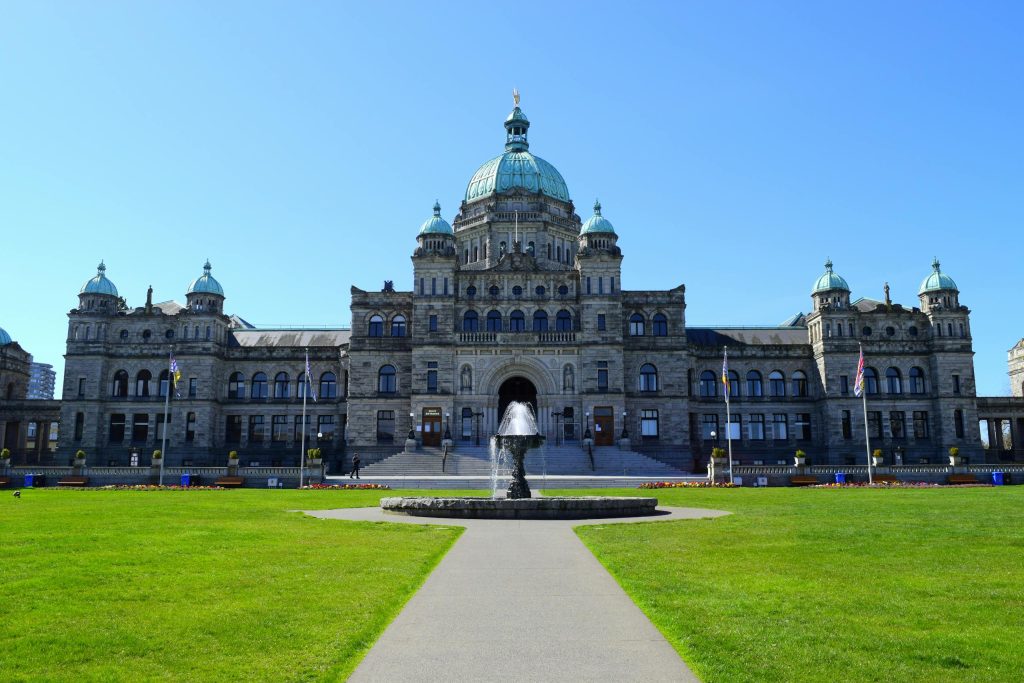
Victoria presents an appealing alternative to the high insurance and low tax coastal markets that dominate traditional relaxation travel. Risk analysts warn those old default zones face increasing climate disruption and skyrocketing property coverage costs.
This Pacific Northwest capital provides a temperate and stable environment prioritizing daily well being over ostentatious wealth.
Tourism studies suggest destinations prioritizing accessible green space and reliable public services draw visitors seeking psychological ease. Victoria benefits from strong private health access and an incredibly stable local economy.
Housing driven lodging pressure exists, but the overall cost structure remains predictable compared to volatile southern coastal resorts. Planners appreciate the absence of severe weather anxiety that plagues typical beach destinations.
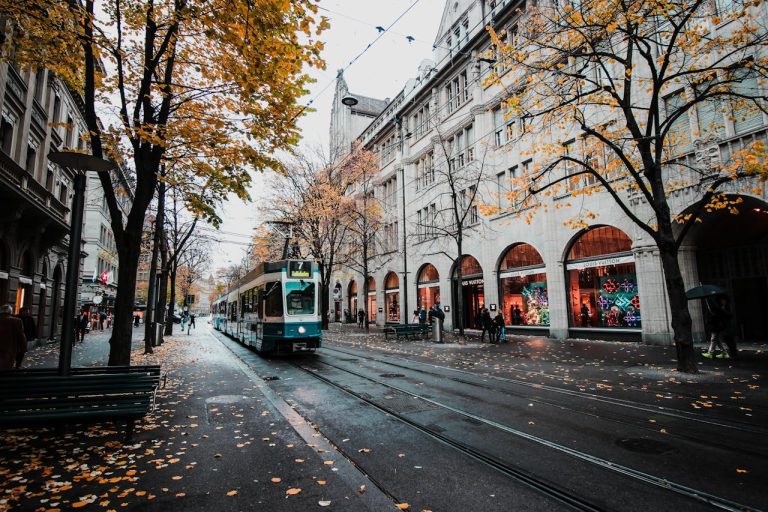
The destination offers a small city pace combined with immediate coastal access and a thriving pedestrian transit culture.
Economic researchers warn inflation exposure remains a reality in Canada, driving up daily dining and transportation costs. Distance from major global transit hubs can complicate travel logistics for international visitors.
The mild climate includes extended periods of winter rain, which dampens the appeal for travelers seeking constant sunshine. That tradeoff matters.
Lucca, Italy
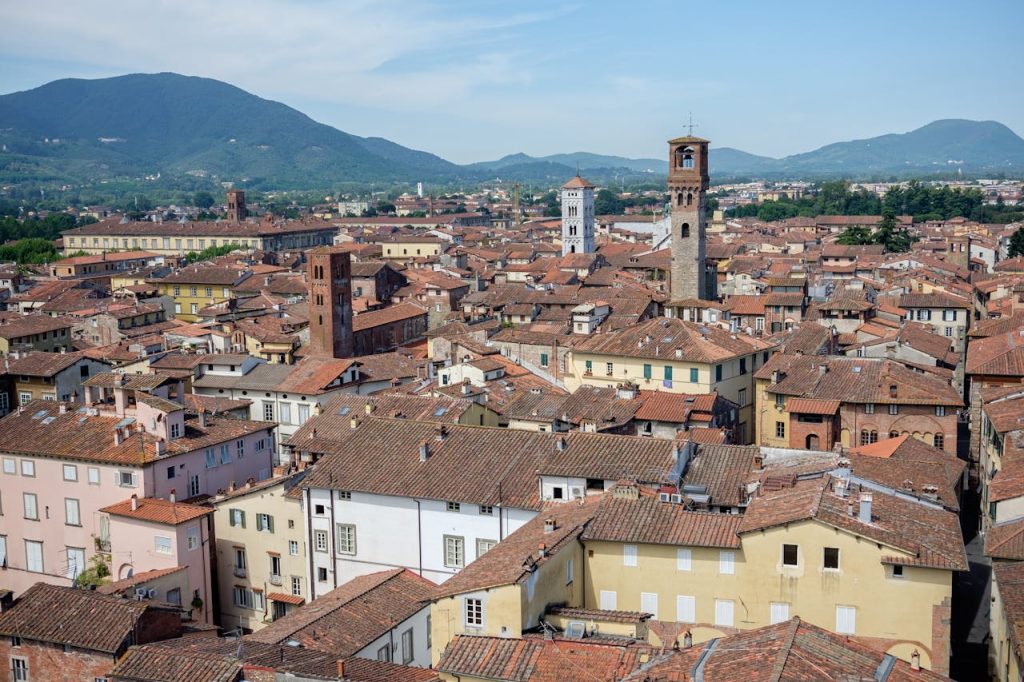
Lucca provides the deep cultural immersion of a classic European vacation without the aggressive pricing and chaotic crowding of major Riviera centers. Museum professionals note the intact Renaissance walls and carefully managed civic spaces create a contained and secure environment.
Choosing this Tuscan city replaces the exhausting competition of peak season coastal travel with genuine local ease.
According to heritage institutions, smaller historic centers like Lucca maintain strict zoning laws that protect the local housing market from collapsing under short term rental pressure.
Long term budgeting becomes far easier when daily costs remain anchored to local resident economies rather than inflated tourist markets. The infrastructure reliability supports a slow and deliberate pace of exploration.
The city is defined by exceptional walkability and major metro amenities scaled down to a comfortable community level.
Risk analysts note regional price variation still impacts the area during peak summer months. Understanding residency or long term entry rules requires navigating complex local bureaucracies. The aging local infrastructure sometimes struggles with modern cooling demands during intense summer heat waves.