When Everything Feels Uncertain, Why Does The Body Crave Places That Ask Nothing Of It?
I used to chase the most extreme off the grid frontier destinations for a sense of profound escapism. The plan always centered on deep jungle retreats or remote island atolls that required complex transit and total isolation.
Now, looking toward 2025 and 2026, the reality of unpredictable supply chains, sudden airspace closures, and skyrocketing emergency evacuation costs makes that old default feel remarkably stressful.
Being completely disconnected no longer feels like a luxury when global logistics falter.
Tourism studies suggest modern travelers increasingly prioritize destinations offering reliable infrastructure and established cultural touchpoints over hyper remote isolation.
That is the shift. The focus now turns toward deeply familiar anchor cities providing emotional ease, transparent governance, and seamless access to modern amenities without the looming anxiety of being stranded.
Kyoto, Japan
Kyoto provides the profound cultural grounding that hyper remote frontier destinations simply cannot guarantee during times of global disruption.
Heritage institutions note the city maintains meticulous crowd control policies at major heritage sites ensuring peaceful museum interpretation without the chaos of disorganized emerging markets.
The decision to embrace a highly developed cultural capital replaces the deep anxiety of volatile border access with genuine psychological comfort.
Economic researchers report that favorable currency effects currently make long term budgeting highly predictable for international visitors seeking stability.
Risk analysts warn that chasing off the grid isolation often means sacrificing reliable private health access whereas established Japanese hubs offer world class medical infrastructure.
Planners appreciate how avoiding isolated frontier zones drastically reduces disruption risk and lowers daily travel logistics costs. That is why the math changes.
The city features exceptional walkability alongside beautifully preserved historic districts and a highly functional local transit culture.
Experts flag potential downsides regarding language barriers during complex administrative tasks or emergency situations.
Housing driven lodging pressure remains exceptionally high during peak spring and autumn seasons requiring advanced booking strategies.
Navigating strict local etiquette rules often requires a steep learning curve for international arrivals. That tradeoff matters.
Vienna, Austria
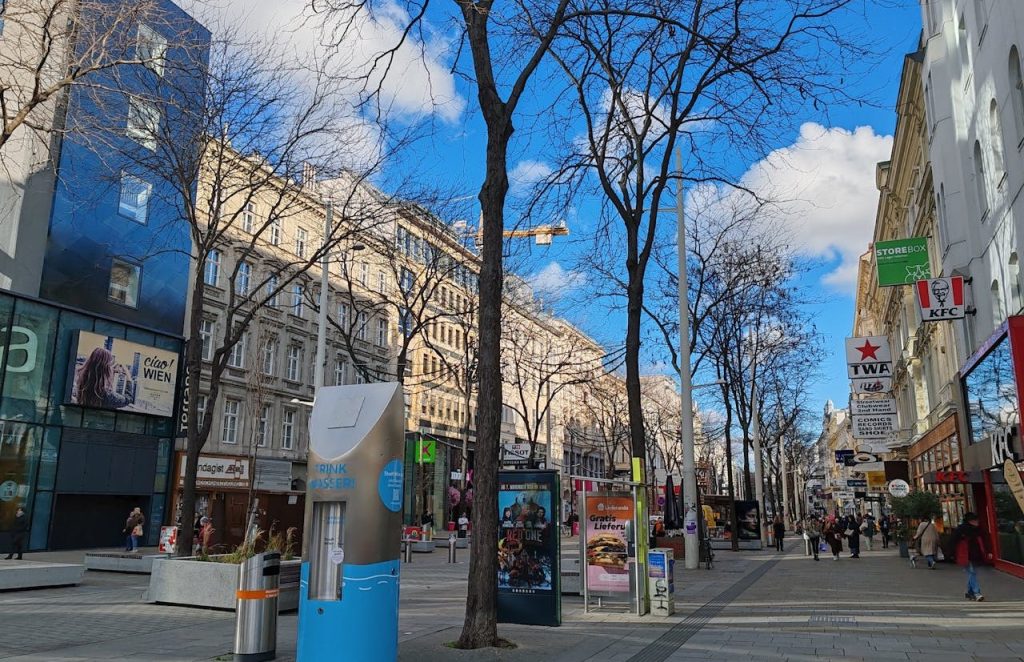
Vienna offers a deeply reassuring environment for travelers retreating from the unpredictable airspace and volatile security of remote frontier zones.
According to historians this central European capital has spent centuries perfecting civic organization offering a level of infrastructure reliability that exotic hotspots consistently lack.
Choosing a classic European anchor provides an unparalleled sense of safety and routine.
Tourism studies suggest that moving away from isolated destinations drastically lowers the need for premium travel insurance and expensive emergency evacuation coverage.
Planners appreciate how transparent entry rules and a highly stable local economy keep daily cost pressure incredibly manageable.
The strategy avoids the extreme isolation of the old default choices while still offering profound historical depth and absolute planning flexibility.
The destination is defined by major metro amenities scaled down to a comfortable community level and brilliant four season living.
Economic researchers warn that inflation exposure impacts the broader European zone driving up fine dining and cultural event prices.
The reserved local communication style sometimes feels overly formal to travelers accustomed to overtly effusive hospitality. Regional price variation during major winter holiday markets requires careful financial management.
Melbourne, Australia
Melbourne presents an incredibly stable urban environment for anyone abandoning the stressful uncertainty of distant island atolls.
Museum professionals note established cultural hubs offer profound engagement opportunities without the immense logistical hurdles required to reach isolated equatorial regions.
Opting for a recognized global center removes the constant underlying worry of sudden border access restrictions.
According to economic researchers strong local governance ensures travelers experience minimal disruption risk during extended stays.
Planners observe choosing a highly developed market removes the severe housing driven lodging pressure often found in emerging tourist towns.
Relying on dependable municipal systems allows for a relaxed and grounded daily routine rather than constant crisis management. That is why the math changes.
The vibrant community provides immediate coastal access alongside an unparalleled transit culture and diverse neighborhood ecosystems.
Experts flag potential downsides involving extreme distance from family for Northern Hemisphere residents needing rapid flights home.
Heavy inflation exposure continues driving up everyday expenses across the hospitality sector. Navigating strict biosecurity entry rules demands careful preparation before arrival. That tradeoff matters.
Quebec City, Canada
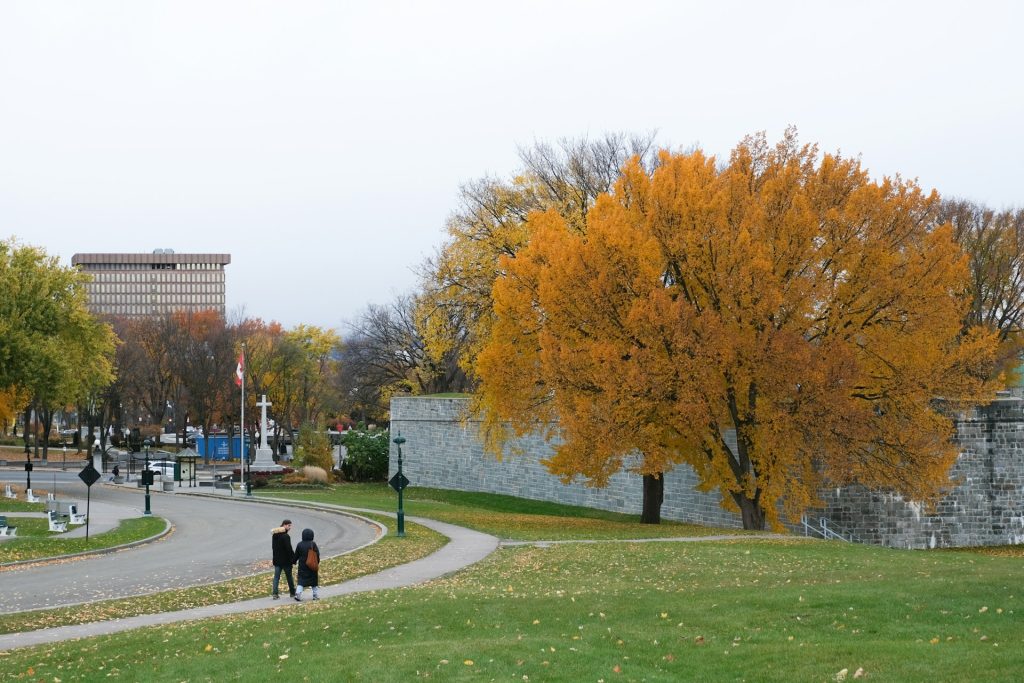
Quebec City serves as a highly secure cultural anchor that completely replaces the need to navigate the exhausting travel logistics of far flung exotic escapes.
Experts say choosing a high trust North American hub mitigates the anxiety of suddenly shifting residency rules found in less stable nations.
Conflict researchers explain that democratic stability provides the ultimate emotional safety net for international visitors seeking peace of mind.
The robust local infrastructure reliability ensures seamless daily movement without the threat of sudden transit strikes or supply shortages.
Travelers find that establishing a base in a politically transparent regional capital replaces the exhausting vigilance required in remote frontier regions with genuine relaxation.
The location offers a vibrant small city pace combined with immediate mountain towns nearby and distinct seasonal charm.
Risk analysts note the area experiences severe climate stress during deep winter months which complicates local transit and outdoor exploration.
Understanding the dominant Francophone culture requires visitors to navigate significant language barriers outside the primary historic zones.
Distance from major international airline hubs adds extra domestic flight connections for global arrivals.
Edinburgh, Scotland
Edinburgh delivers a beautifully preserved and highly secure atmosphere completely removing the need to navigate precarious deep jungle retreats.
According to heritage institutions wandering well maintained historic sites provides deep cultural satisfaction without the physical exhaustion of aggressive frontier travel.
Retreating to a welcoming northern capital ensures travelers enjoy constant connectivity and dependable public services.
Risk analysts warn spending extended time in isolated environments often leaves visitors vulnerable to severe weather events without adequate emergency support.
This Scottish capital provides absolute planning flexibility and robust private health access guaranteeing peace of mind throughout the journey.
Planners note the reliable public transportation network drastically reduces overall travel logistics expenses.
The capital boasts a deeply historic small city pace and stunning walkability across dramatic ancient landscapes.
Tourism studies suggest intense regional price variation impacts visitors heavily during the massive summer festival season.
The notoriously unpredictable maritime weather introduces regular climate stress requiring layered clothing year round.
Health system navigation requires patience for non residents managing complex international insurance claims.