Why France Wine Trips No Longer Feel Safe or Simple for Solo Women
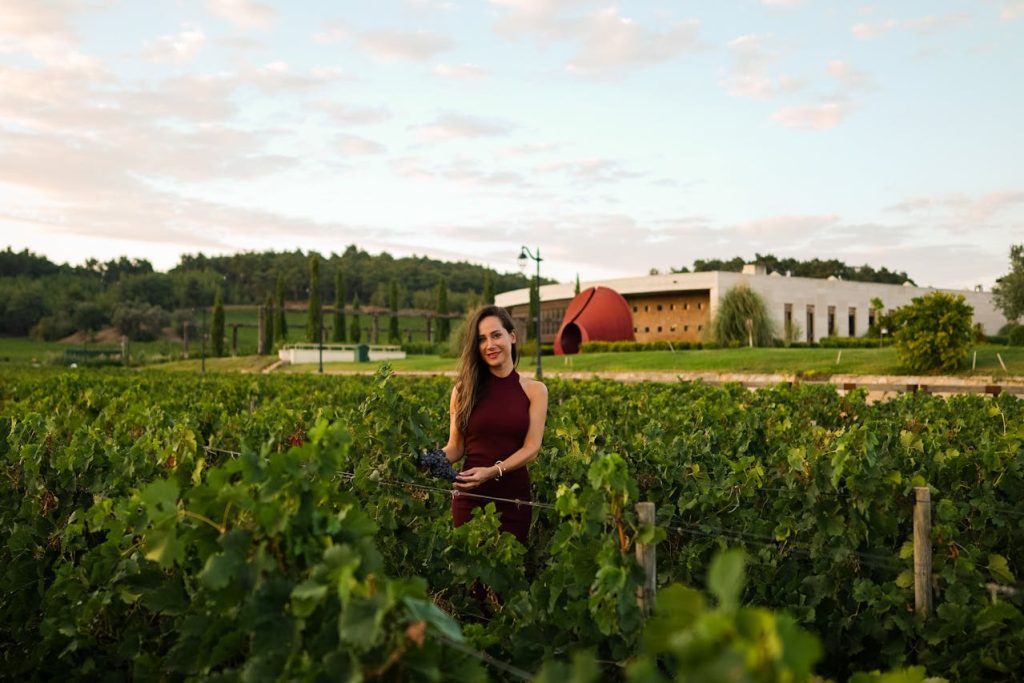
France can still deliver that dreamy wine-country pace: morning markets, chalky cellars, long lunches that stretch into dusk. What’s changed is the amount of mental bandwidth it can take to get those moments without friction. The charm is intact, but the logistics and risk math feel louder now.
For solo women, that shift is especially noticeable because small problems compound fast. A delayed train becomes a late-night station transfer. A crowded platform becomes a pickpocket magnet. A wrong taxi choice becomes an expensive lesson.
None of this means France is off-limits, or that solo travel is reckless. It means the old version of the trip, show up, wander, figure it out as you go, can feel less rewarding than it used to. The trip asks for more planning, more guardrails, and more flexibility.
What this really means is simple: the best wine trips now feel less like drifting through a postcard and more like running a clean, well-timed operation. That can still be fun, but it is a different kind of fun.
The Street-Theft Problem Is Not Imaginary
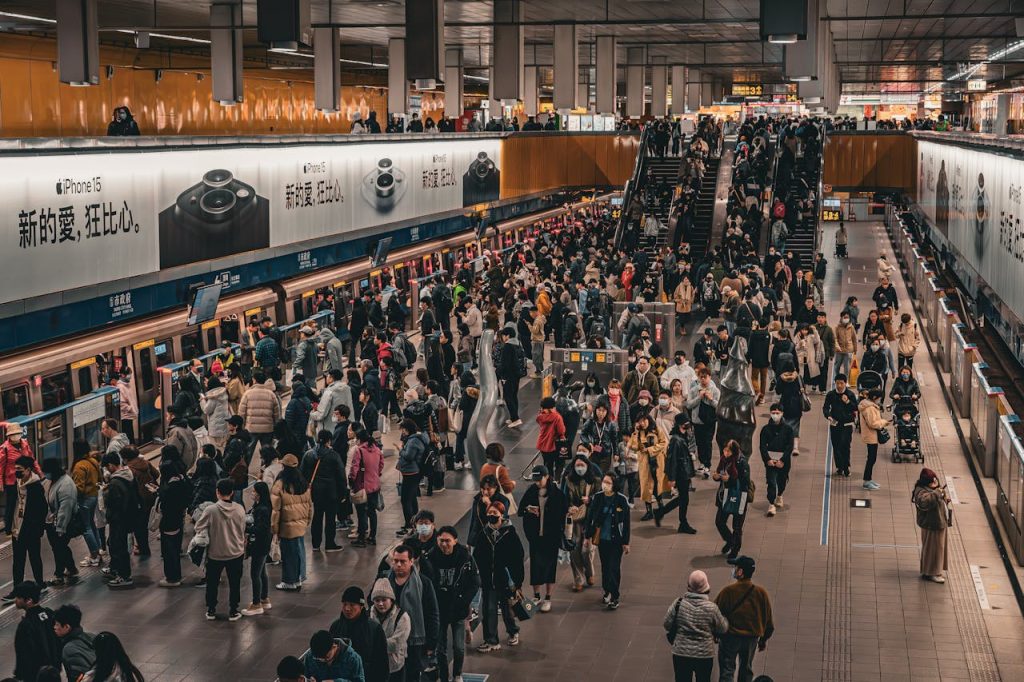
Petty theft is the most common way a trip gets soured, and official advisories keep repeating the same warning for a reason. Crowded places like metros, stations, airports, and major sights are consistent hotspots for pickpocketing and phone theft.
It is not always a lone thief, either. Guidance notes that pickpockets can work in groups, using distraction while someone else goes into a bag, and that they operate heavily on the Paris Metro and on RER lines.
OSAC goes a step further and describes patterns travelers recognize instantly: swarm-and-grab thefts, scams, and groups targeting wallets, passports, watches, and smartphones in tourist-heavy zones and transit spaces. It also flags that minors are often involved and that swarming robberies on metros and in stations have increased.
The practical impact for solo travelers is emotional, not just financial. Losing a phone can wipe out tickets, maps, payment apps, hotel access, and two-factor logins in one hit. When there is no companion to troubleshoot with, the recovery process becomes the trip.
Train Stations and Transit Hubs Create Pressure Points
Wine trips often start in big gateways: Paris, Lyon, Marseille, Bordeaux, or Strasbourg. Those hubs are efficient, but they are also where crowds concentrate, where attention is split, and where thieves look for travelers juggling luggage and screens. The State Department explicitly calls out airports, subways, tourist attractions, and train stations as common settings for pickpocketing and phone theft.
France’s rail network makes it easy to bounce between cities, but the handoffs are where solo travelers feel exposed. A missed connection can mean standing around with bags, searching for platforms, or waiting outside after dark. Those moments are exactly when distraction tactics work.
Some advisories highlight specific commuter lines because travelers use them for airport transfers and major stations. The UK travel advice notes serious assaults on RER line B and flags risks around key nodes like Gare du Nord and airport routes, which matters because so many short wine itineraries depend on those corridors.
It is not about fearing every station. It is about treating stations like airports: arrive early, keep valuables boring and hidden, and minimize the time spent looking lost. That one mindset shift does a lot of work.
Strikes and Demonstrations Add Planning Drag
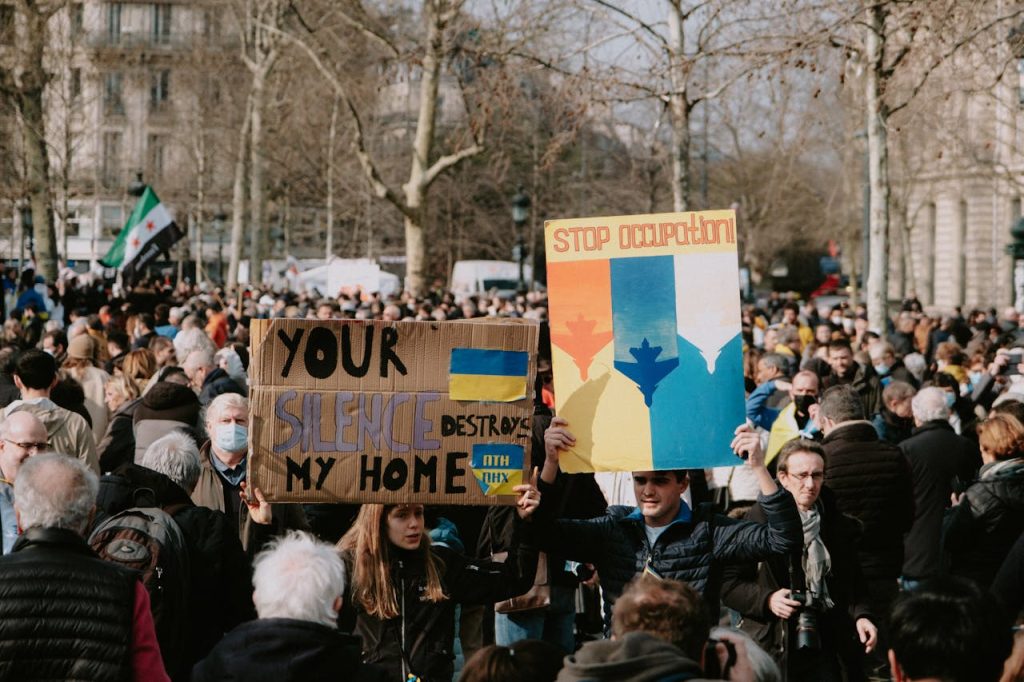
France has long had strikes and demonstrations, but what feels different is how quickly they can ripple through a tight itinerary. Even a one-day disruption can knock a vineyard reservation, a check-in window, or a prebooked tour off its timing. The State Department notes that protests and strikes happen often and can disrupt transportation services.
UK guidance is blunt about frequency: industrial action can create disruption and delays on roads and public transport, and demonstrations can happen with little or no warning, especially in cities.
Canada’s travel advice adds the operational piece: strikes and pressure tactics happen regularly, particularly in transport, and travelers should monitor local media and plan extra time during transport strikes.
This is where solo travel feels less simple, because there is no teammate to split tasks. One person is rerouting trains, calling hotels, and guarding bags at the same time. Planning with buffers, flexible tickets, and earlier arrivals is not overkill anymore, it is the price of keeping the trip calm.
Road and Car Scams Hit Wine Country Routes
Once the trip leaves the city for Champagne, Burgundy, the Loire, Alsace, or Provence, the risks change shape. Rural France is not inherently dangerous, but it can be isolating, and solo travelers have fewer easy backups if something goes sideways. That is why road-side scams and break-ins feel more personal out there.
Canada’s advisory describes tactics that show up on driving routes: thieves may obstruct the road or distract a driver, pretend there is a flat tire, or even puncture a tire, then steal valuables once the vehicle stops. It also warns about theft at highway rest stops, especially during busy summer travel.
It also flags a very specific pattern travelers report in real life: bags snatched from the front passenger seat at traffic lights by thieves on scooters, plus guidance to keep doors locked and windows closed.
For solo women, the safest framing is simple: do not stop for strangers waving on highways, do not leave anything visible in a parked car, and treat rest stops like high-risk areas for quick grabs. The goal is not paranoia, it is reducing opportunity, because these are opportunity crimes.
Nightlife Risks Feel Higher When Traveling Alone
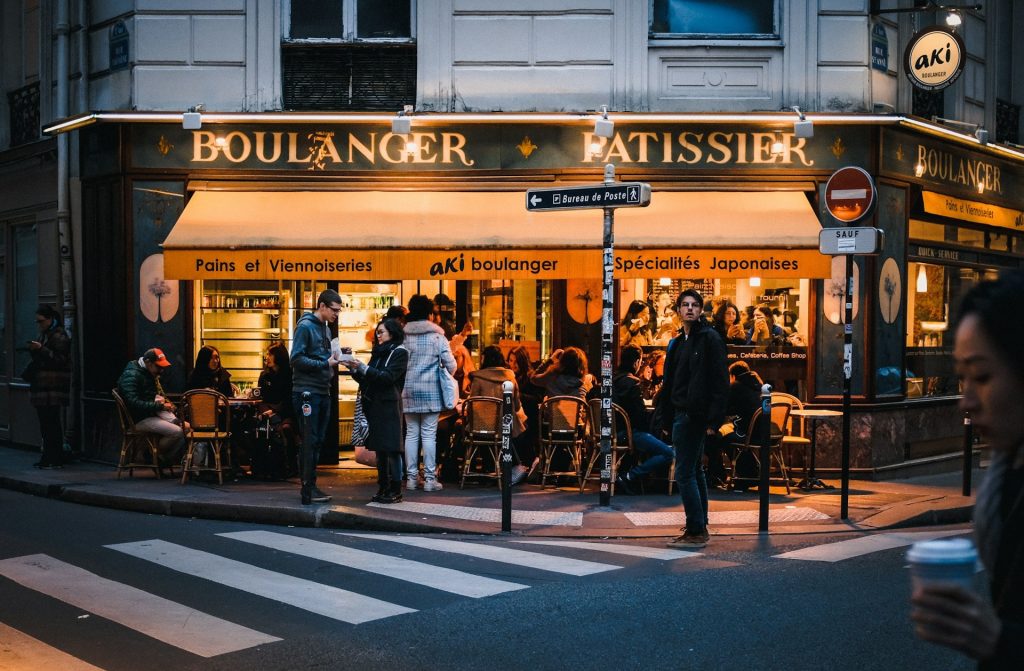
Wine trips are not just vineyards. They include tasting rooms, dim wine bars, late dinners, and that one night when the group at the next table invites conversation. Solo travel can make those moments feel empowering, but it also changes the margin for error.
UK travel advice explicitly warns about drink spiking and advises buying one’s own drinks and keeping them in sight. It also notes that alcohol can reduce vigilance and that drinks served in France can be stronger than some visitors expect.
OSAC similarly notes vigilance around drinks being spiked in clubs, alongside broader concerns about street crime in tight spaces like cafes and nightlife areas.
None of this says a solo woman should avoid French nightlife. It says the old casual habits, accepting an opened drink, letting a stranger watch a bag, walking a long dark stretch to save money, are no longer worth the trade. When the trip is solo, safety habits have to be boring and consistent.
Accommodation Safety and Access Issues Add Friction
The lodging part of a wine trip used to be the easy piece: book a charming room, drop the bags, wander. Now, the risks are more varied, and the consequences can be higher because lodging is the base of operations. If keys, ID, or a phone go missing, check-in and access become problems, not inconveniences.
Canada’s guidance notes that break-ins can occur and encourages choosing well-secured accommodation and locking doors and windows. It also warns that holiday rentals can be targets, which matters in wine regions where short-stay rentals are common.
Transit disruption also affects lodging in a way people underestimate. A delayed arrival can mean reaching a rural property after the host is asleep, with limited taxis and little street lighting. If a strike or disruption hits, the trip can end up forced into unfamiliar neighborhoods or last-minute hotels.
This is where the simple move is to build redundancy: keep ID and bank cards split, store a backup of key documents offline, and prefer accommodations with reliable self-check-in when arriving late. It is not glamorous, but it keeps the trip from unraveling.
A Modern Solo-Itinerary Checklist That Actually Works

Start with route design that respects reality. Use daylight for transfers, reduce the number of one-night stays, and choose bases with strong rail links so a single delay does not wreck the whole plan. If rail conditions look volatile, check disruption pages from major rail sellers or operators before committing to tight connections.
Treat the first and last mile like the core risk zone. Official guidance repeatedly points to public transport corridors and tourist hubs for theft, so the plan should minimize wandering with luggage and minimize time spent distracted on platforms and in station halls.
Use a simple rule for valuables: nothing important lives in one place. OSAC’s notes about swarm theft and targeted smartphones make the point that one successful grab can cascade into a full trip shutdown, especially when tickets and banking live on a phone.
Finally, pick a personal safety rhythm and stick to it. Keep drinks in sight, trust the first moment of discomfort, and favor predictable routes over romantic shortcuts at night. The trip still gets to be beautiful, it just runs better when the basics are locked down.