Why Greece Beaches Are Overcrowded as Women Change Travel Plans
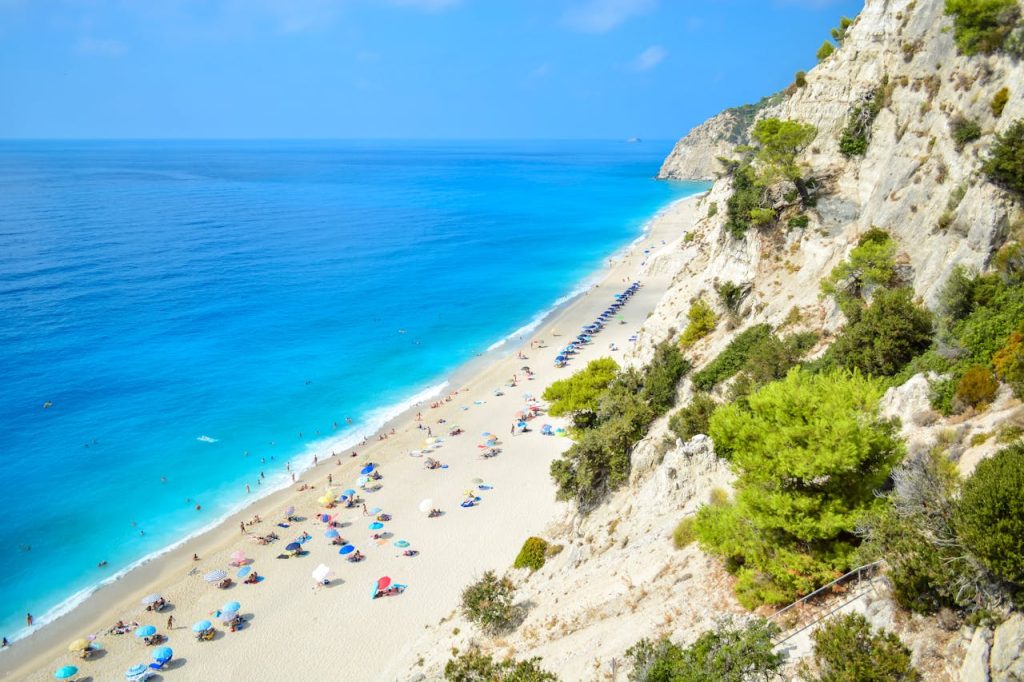
Greece still sells an easy fantasy: blue water, whitewashed towns, and a beach day that resets the nervous system. The surprise is how quickly that fantasy can turn into a crowd-control exercise. Even seasoned travelers are noticing that the most famous shores no longer feel like a simple escape.
A big part of the problem is structural, not behavioral. Many iconic Greek beaches are small coves with limited access, so the same number of visitors that might disappear along a wide coastline ends up packed into a tight bowl of sand and rock. Once that happens, everything else stacks up fast: traffic, noise, prices, and the sense that the day is being managed rather than enjoyed.
Greek officials have started treating overtourism as more than an annoyance. Plans and policies have been discussed to curb cruise-driven congestion on the busiest islands, including a peak-season levy aimed at Santorini and Mykonos, and local limits on daily cruise passengers.
Women are adapting in especially visible ways because crowded environments change the risk and comfort equation. In Hostelworld’s 2025 State of Solo Travel, a majority of women said safety is a concern, far higher than men, which naturally pushes planning toward calmer bases and lower-friction logistics. At the same time, women-only group trips have been growing, giving travelers another way to avoid the stress of hyper-crowded hotspots.
The Real Reason Greece’s Famous Beaches Feel Full
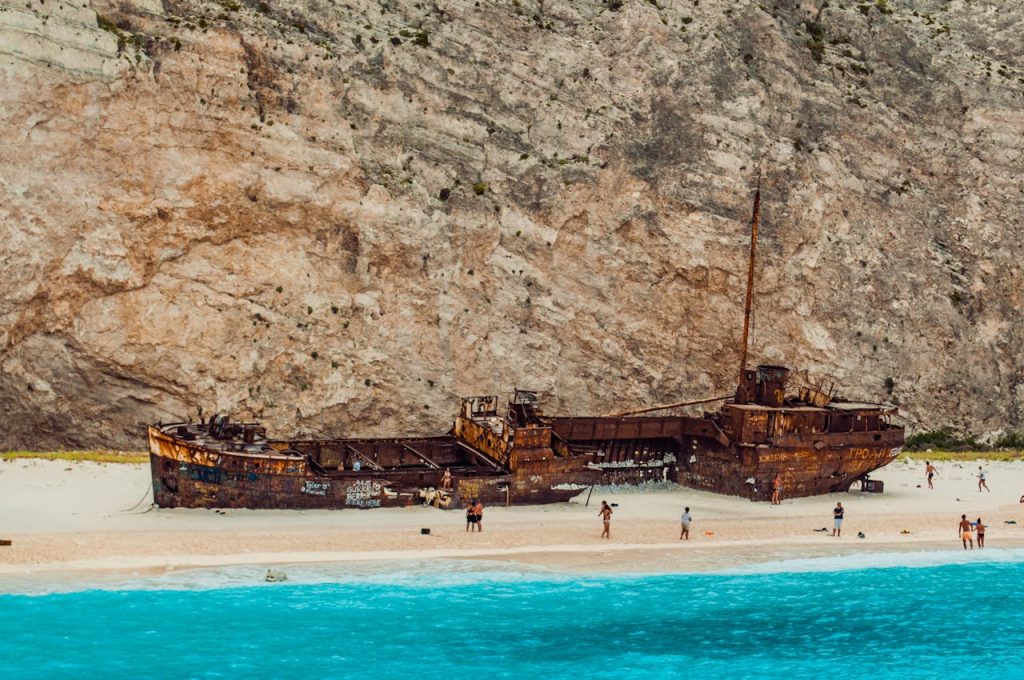
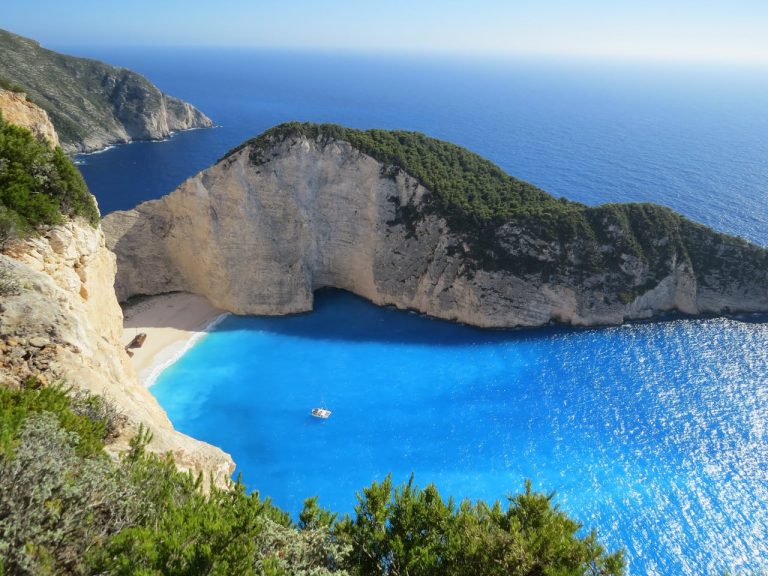
The beaches that dominate postcards and reels tend to be physically small. Many are pocket coves framed by cliffs, where there is only so much flat ground before the sea begins. When the tide, rocks, and footpaths shrink usable space, crowding becomes unavoidable.
The geography also creates choke points. A single stairway, a narrow road, or one small parking area can decide the entire day’s capacity. Once those access points clog, the beach feels crowded even before the sand is fully occupied.
Fame concentrates demand in a way maps do not show. Travelers often arrive with a short list of must-see names, and those names overlap heavily across itineraries. That shared checklist funnels thousands of people toward the same few strips of shoreline.
What this really means is that Greece can feel overcrowded even when plenty of coastline exists. The pressure is not evenly distributed. It is focused on the places that look most instantly recognizable, especially near the easiest ports and towns.
Peak Season Compression and the Ferry Factor
Crowding spikes because most people arrive in the same calendar window. Summer breaks, predictable weather, and long daylight hours stack the odds toward July and August. When everyone targets the same weeks, even well-run islands struggle to breathe.
Island hopping adds its own compression. Ferries arrive in waves, and those waves land passengers at similar times, pushing crowds into the same cafés, bus stops, and beach roads. A single delay can bunch multiple departures together and turn a smooth day into a scramble.
Heat plays a quieter role, too. On the hottest days, beach time concentrates around late morning and early afternoon, when people chase water and shade at the same time. Even a beach that feels spacious early can tip into shoulder-to-shoulder by noon.
Local infrastructure is not built like a giant resort corridor. Roads are narrow, taxis are finite, and parking is often the true bottleneck. The beach ends up paying for those constraints, because it is the one place almost everyone is trying to reach.
Cruise Days and the Sudden Crowd Surge
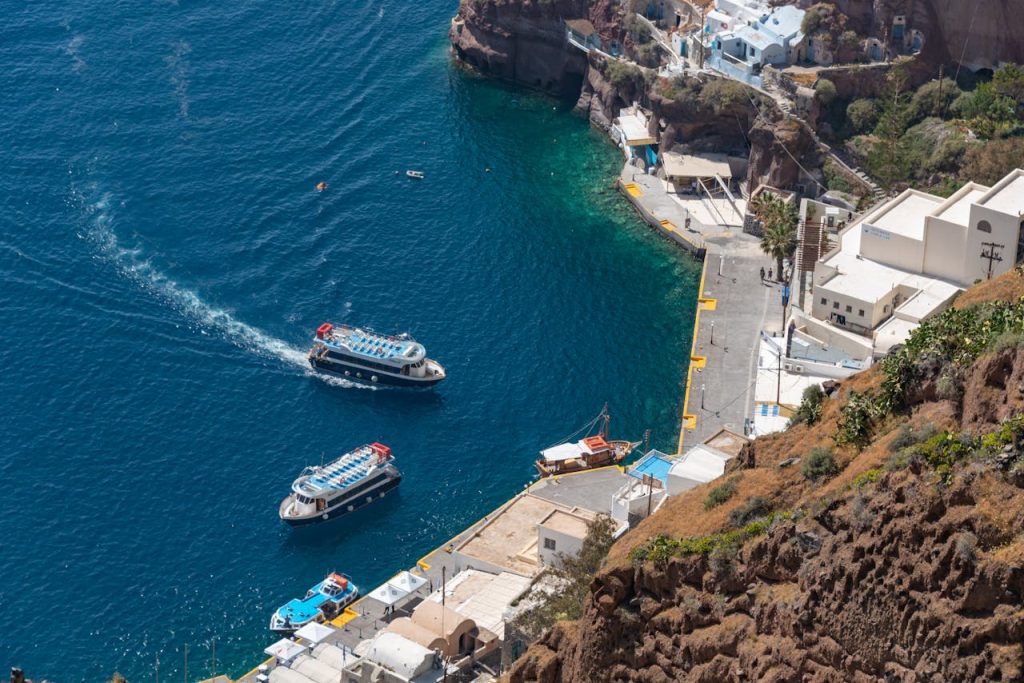
Cruise traffic can change the rhythm of a coastal town in minutes. A ship docks, tenders unload, and waterfront streets jump from calm to packed with little warning. On islands where the main attractions sit close to the port, the effect is immediate.
Santorini is a clear example of how pressure turns into policy. The Municipal Port Fund of Thira set a maximum of 8,000 cruise passengers visiting the island on the same day for both 2025 and 2026, with operational assumptions spelled out in its berthing policy.
National policy has also leaned toward pricing as a management tool. Greece has discussed and reported plans for a peak-season levy for cruise visitors to Santorini and Mykonos, framed as a way to blunt overtourism and fund strained infrastructure.
Even with caps and fees, the lived experience is about timing. When multiple ships arrive close together, queues form for cable cars, buses, and viewpoints, then spill onto nearby beaches. The beach crowd is often a downstream effect of the port schedule.
Social Media Itineraries Turn Coves Into Queues
Social media does not create beaches, but it does create defaults. The same angles repeat, the same captions circulate, and soon a location becomes a required stop rather than a genuine preference. That turns discovery into replication.
Once a beach becomes a visual brand, the surrounding businesses adapt to the new demand. More loungers appear, reservations become normal, and the shoreline feels more structured than spontaneous. The day starts to resemble an appointment calendar.
This also shifts behavior among visitors. People arrive earlier to claim space, hold it longer, and treat movement as risky because re-entry is hard. A beach can feel tense even when nobody is being rude, simply because everyone is guarding their tiny patch of comfort.
The irony is that Greece still offers quiet, cinematic swimming almost everywhere. It is just not always on the same beach that dominates the algorithm. The crowd problem is often a routing problem dressed up as a destination problem.
The Cost of Comfort and the Fight Over Public Sand
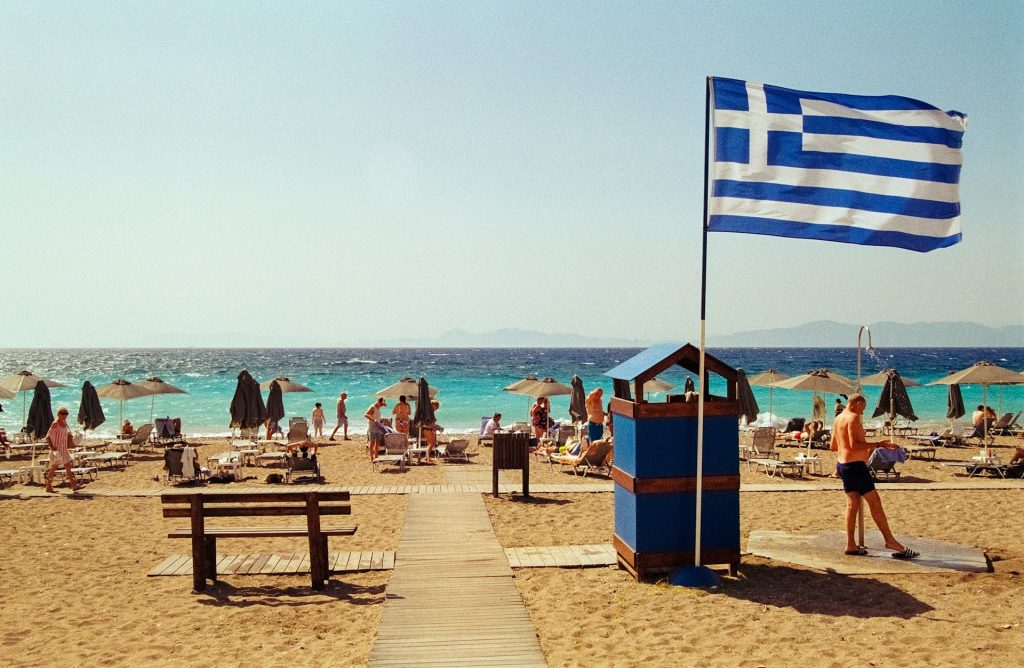
When beaches feel scarce, comfort becomes expensive. Sunbeds, umbrellas, and front-row setups move from optional to essential, especially for travelers who want shade or a stable base. That changes the emotional tone from relaxed to transactional.
It also creates tension around public access. In some areas, aggressive or unpermitted sunbed setups have limited how much free space remains on popular beaches. Enforcement has become a public issue because it touches fairness, not just tourism aesthetics.
Greece has responded with crackdowns reported to involve drones and citizen reporting tools to spot illegal sunbed operations. The goal is simple: keep beaches usable for everyone, not only for whoever controls the best square meters.
None of this fixes the fact that the headline beaches are still small. But it does matter for the on-the-ground feel of a trip. When access feels protected and transparent, crowds are easier to tolerate than when space feels quietly privatized.
Why Women Are Rewriting Their Greece Playbook
Crowding is not just uncomfortable, it raises the planning load. It means more late-night route checks, more careful lodging choices, and more attention to how a place feels after dark. That kind of friction lands harder on travelers who are already managing safety considerations.
Data helps explain why these choices show up so clearly among women. Hostelworld’s 2025 State of Solo Travel reports that 55 percent of women say safety is a concern, compared with 18 percent of men, which naturally nudges itineraries toward calmer bases and simpler logistics.
At the same time, women-only travel options have expanded. Intrepid’s 2025 trend reporting highlighted growth in women-focused group trips, including a reported rise in demand for women-centered experiences. That provides a middle path between traveling alone and dealing with the stress of the most congested hotspots.
The practical outcome is not that women are abandoning Greece. Many are still choosing it, but reshaping the trip around quieter islands, shoulder-season dates, and accommodations that reduce daily decision fatigue. It is Greece, just routed differently.
What Works Now: Timing, Island Choices, and Micro-Itineraries
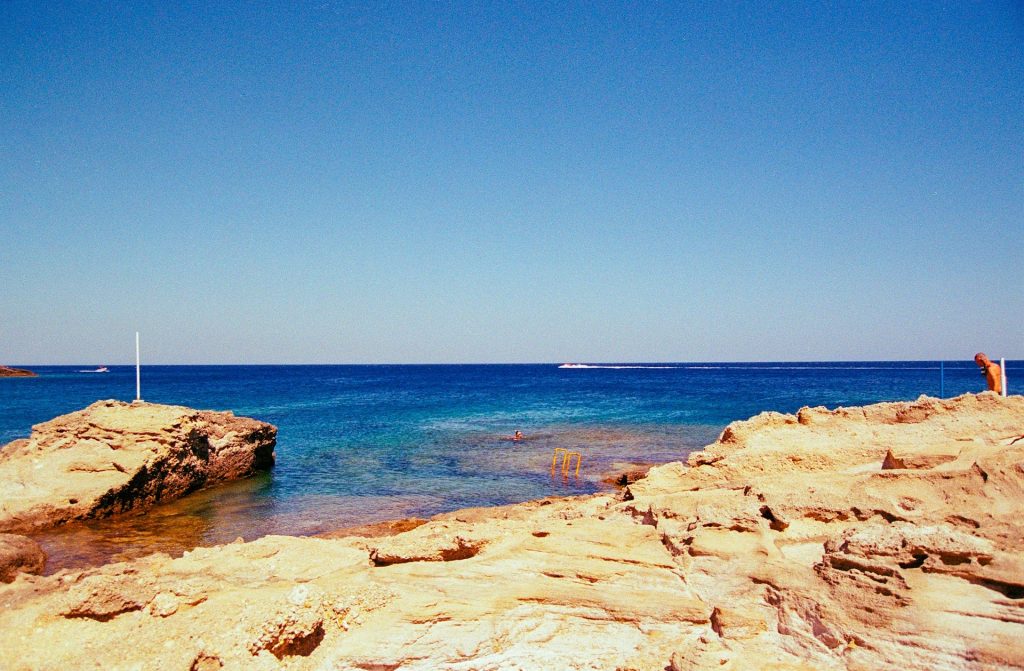
The simplest fix is to move the calendar, not the country. Late spring and early fall often keep the water inviting while cutting crowd density dramatically. The scenery stays, but the noise level drops.
The second fix is to treat famous spots as short visits. A traveler can hit the postcard viewpoint early, then leave before the bulk of day traffic arrives. That preserves the highlight without sacrificing the whole day to congestion.
Policy changes may also shape the experience at the busiest ports. Cruise-related caps and levies have been discussed and documented as tools to manage overtourism on islands like Santorini and Mykonos, and those tools signal that crowding is now a governance issue, not just a traveler complaint.
The last fix is psychological, but it matters. Greece rewards flexibility more than rigid checklists. The best beach day is often the one that was not famous enough to be scheduled by strangers.