Why Many Women Discover Their Boldest Travel Years Later in Life
My travel plans for 2025 initially revolved around a predictable, high-demand coastal market. I envisioned renting an expensive beachfront property and relaxing quietly in a highly curated, familiar environment. However, planning for 2026 quickly revealed the flaws in that old default strategy.
The crushing housing-driven lodging pressure in popular resort towns, combined with skyrocketing costs and the anxiety of mass crowding, made the traditional vacation feel restrictive rather than liberating.
Instead of settling for crowded beaches, travelers are increasingly seeking profound global experiences that challenge and inspire.
Women specifically are realizing that maturity brings the financial independence and confidence required to tackle complex, far-flung destinations. I realized that true adventure does not end in midlife; rather, the freedom to explore the world on entirely personal terms has just begun.
Cuenca, Ecuador
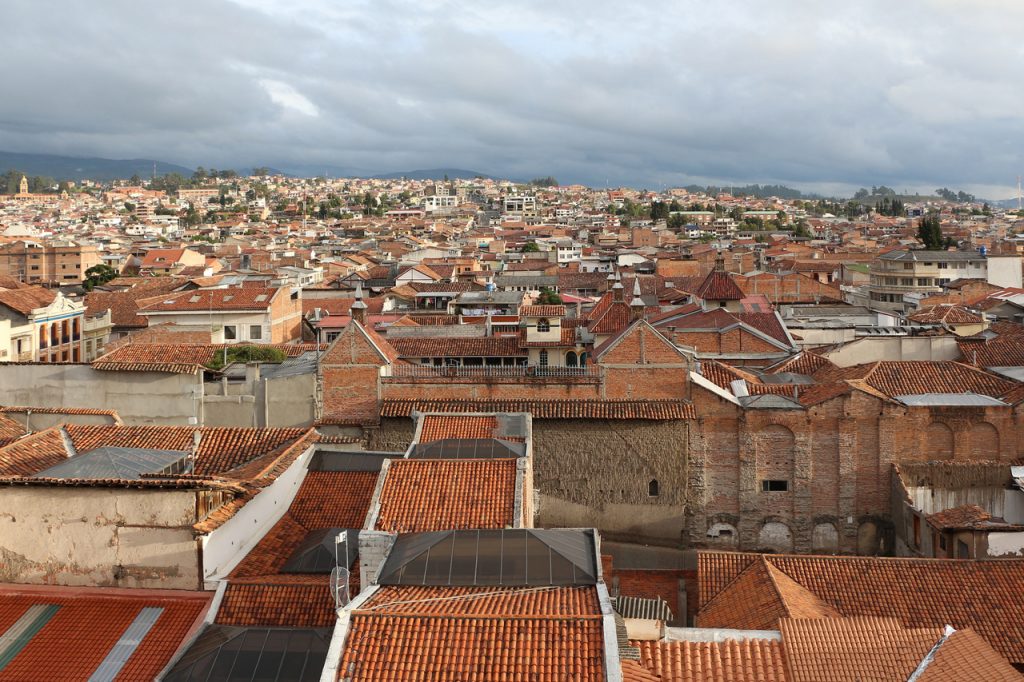
Cuenca serves as a spectacular highland retreat, easily replacing the overpriced and overcrowded coastal default for travelers seeking substantial cultural depth. Economic researchers report that favorable currency effects and a low cost of living allow for comfortable long-term budgeting.
Tourism studies suggest that the city offers excellent private health access, providing peace of mind for older travelers venturing abroad. This stability entirely removes the anxiety associated with remote, under-resourced beach towns. That is the shift from passive vacationing to active exploration.
The city is defined by its colonial architecture, cobblestone streets, and a high-altitude Andean setting.
A significant tradeoff involves language barriers and intense climate stress. Medical professionals warn that the high elevation requires a substantial physical adjustment period, which can cause severe altitude sickness for unaccustomed visitors.
Furthermore, daily administrative tasks often demand fluency in Spanish, requiring travelers to invest time in language learning.
Penang, Malaysia
Penang provides a deeply immersive, multicultural environment that sharply contrasts with the sterile, manufactured atmosphere of the traditional luxury coastal market. Urban planners note that the island maintains excellent infrastructure reliability, allowing visitors to navigate historic districts and modern amenities safely and efficiently.
Economic analysts explain that minimal housing-driven lodging pressure makes securing long-term heritage apartments highly affordable. Health experts report that the region functions as a premier medical tourism hub, offering world-class private health access at a fraction of Western costs.
That tradeoff matters when comparing daily life to the gridlock of the old default city.
This island destination offers rich culinary heritage, vibrant street art, and a multicultural historic center.
The primary tradeoff is the extreme climate stress and immense geographic distance from family. Environmental researchers warn that the year-round humidity and frequent monsoon rains can be physically exhausting.
Reaching the destination also requires lengthy, multi-leg flights that significantly strain travel budgets and physical endurance.
Valletta, Malta
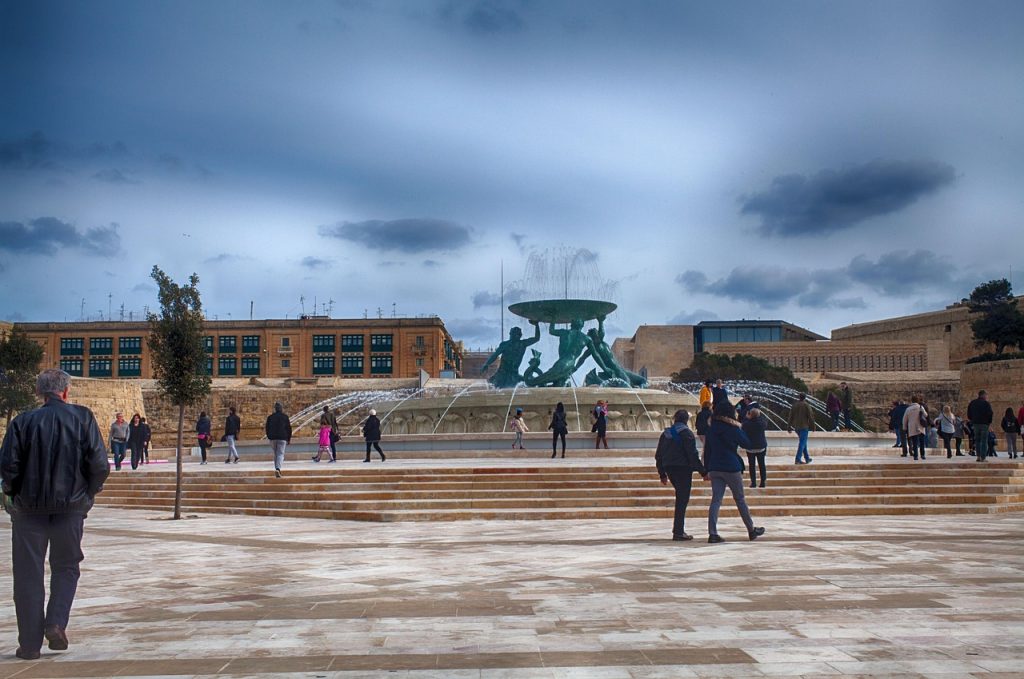
Valletta offers a historically dense, pedestrian-friendly environment that completely discards the need for the sprawling, car-dependent coastal resorts of the past.
Heritage institutions highlight that the fortified city provides a profound sense of history without sacrificing modern infrastructure reliability. Tourism researchers note that navigating the island is highly secure, carrying a very low disruption risk compared to more volatile global regions.
The favorable residency rules and widespread use of English make it an incredibly welcoming base for women embarking on independent global journeys. That is why the math changes for the confident traveler.
The capital features golden limestone fortresses, deep Mediterranean harbors, and a walkable historic core.
A notable tradeoff involves significant regional price variation and inflation exposure. Financial planners advise that the heavy reliance on imported goods drives up the cost of everyday dining and groceries.
The peak summer months also bring intense crowding from cruise ship traffic, drastically altering the quiet nature of the city.
San Miguel de Allende, Mexico
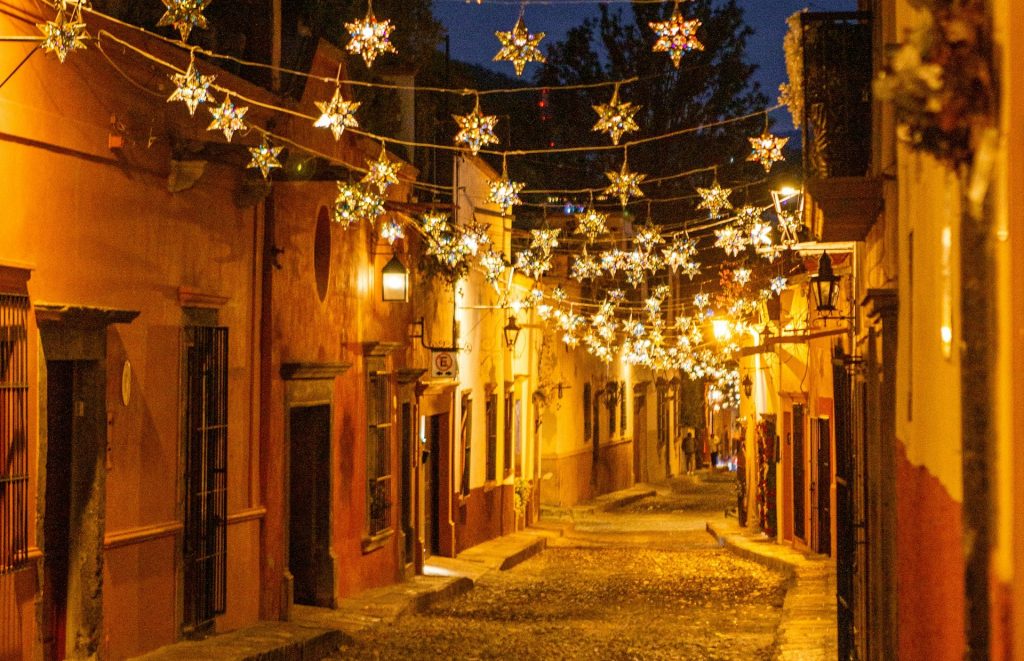
San Miguel de Allende operates as a vibrant, artistic sanctuary that replaces the isolating nature of the old high-demand coastal market. Cultural sociologists explain that the city fosters a deeply connected community, offering social support networks that independent travelers highly value.
Economic researchers report that while the area is upscale, travelers can manage long-term budgeting effectively by avoiding the heavily marketed oceanfront hubs.
The high density of private health access points and English-speaking medical professionals drastically reduces the disruption risk of falling ill far from home.
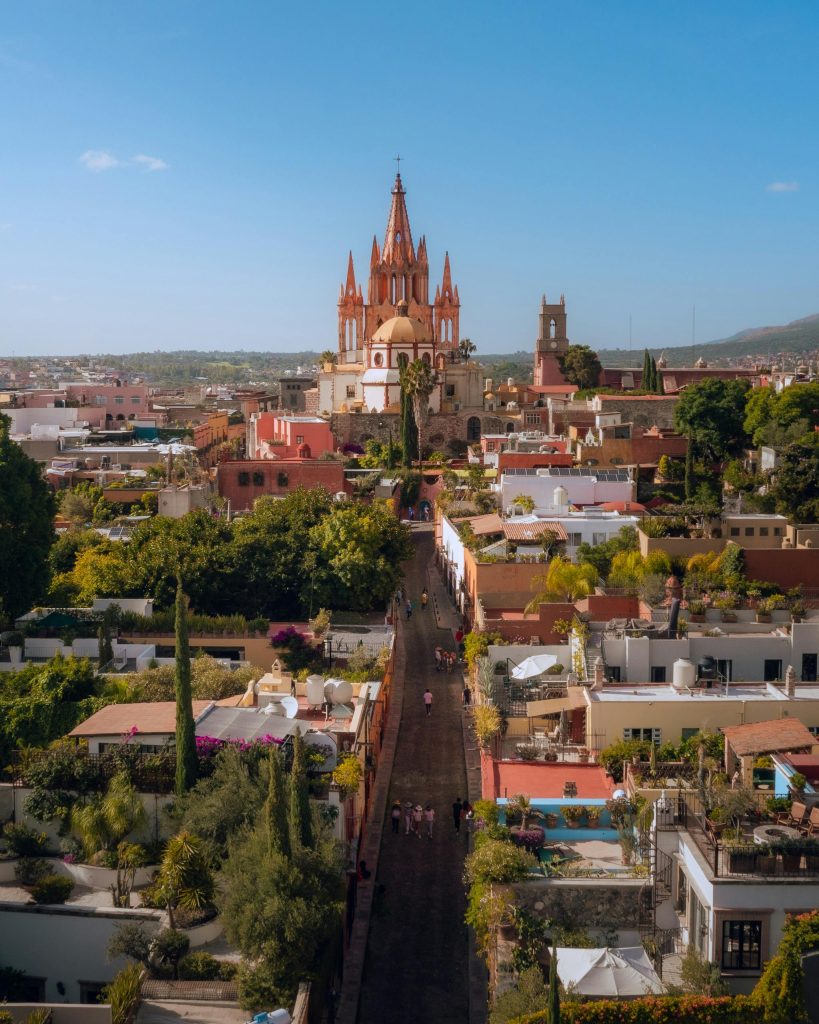
This colonial enclave is known for its neo-Gothic parish church, vibrant arts community, and mild highland climate.
The tradeoff involves complex residency rules and escalating housing-driven lodging pressure. Immigration analysts warn that securing visas for stays longer than six months requires navigating a highly bureaucratic process.
The sheer popularity of the city has also driven up real estate prices, making central accommodations increasingly difficult to secure on a strict budget.
Wellington, New Zealand
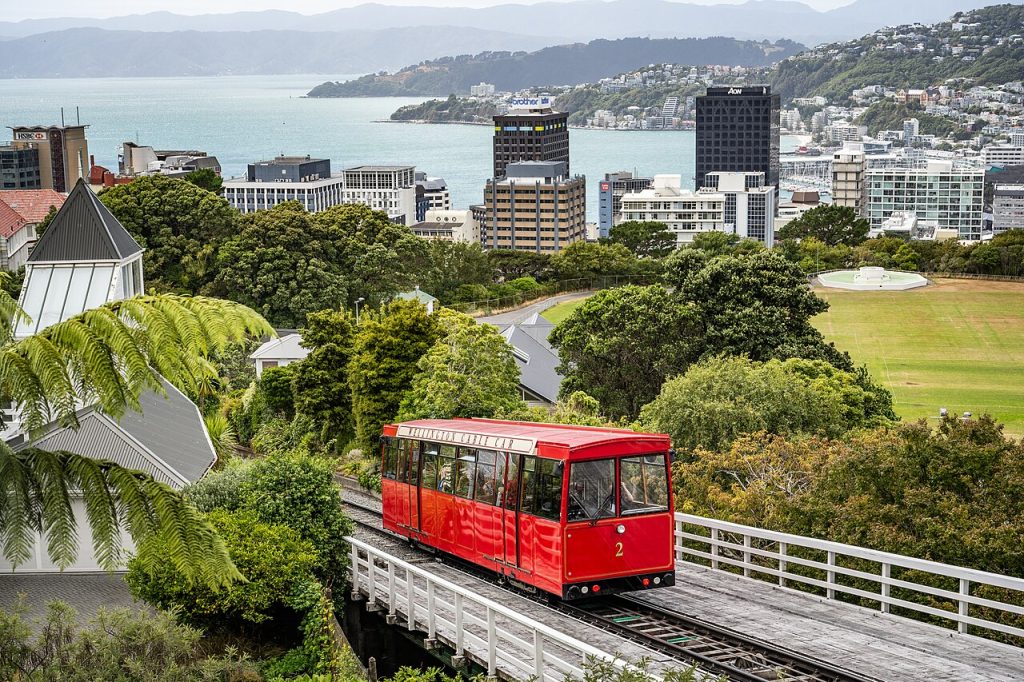
Wellington delivers a robust, nature-focused urban experience that effortlessly outshines the stagnant routine of a traditional tropical resort.
Urban designers praise the compact layout of the city, which promotes active transit and completely bypasses the vehicular congestion of massive tourist hubs.
Risk analysts confirm that the exceptionally low crime rate and strong governance provide an environment with almost zero disruption risk, allowing women to explore independently with total confidence. The robust local economy prevents the severe inflation exposure currently ravaging other international capitals.
This coastal capital is characterized by steep hillsides, a robust coffee culture, and fierce maritime winds.
A critical tradeoff involves geographic isolation and the ever-present risk of seismic activity. Logistics experts point out that the massive distance from the Northern Hemisphere makes returning home for emergencies slow and expensive.
Emergency management officials also advise that residents and visitors must maintain high situational awareness and prepare for potential earthquakes at all times.