Why New US Travel Rules Are Pushing Women Into Stressful Road Trips Instead of Europe

The shift did not happen because interest in Europe suddenly vanished. It happened because travel planning now starts with a stack of compliance checks before anyone even compares museums, trains, beaches, or hotel prices. One rule change by itself is manageable. Several changes arriving close together create friction that quietly redirects behavior.
For many women, that friction shows up as time pressure and risk management, not just paperwork. They are balancing document validity, safety planning, family calendars, and work limits in the same planning window. When the process feels fragile, the fallback choice becomes simple and familiar: drive instead of fly overseas.
The United States began REAL ID enforcement on May 7, 2025, and federal agencies can use phased enforcement plans that run up to May 5, 2027. That has made document readiness a front end requirement for domestic flights in a way many people still underestimate.
At the same time, passport timelines remain a practical constraint. The State Department currently lists routine processing at four to six weeks and expedited at two to three weeks, with extra mailing time on both ends. Even when travelers do everything correctly, the calendar can feel tighter than expected.
The Rules Did Not Arrive One by One

Travelers do not experience policy updates as clean categories. They experience them as a single planning burden that starts the moment they open a notes app and try to map dates. A missing ID document, an expiring passport, or a misunderstood entry rule can break the entire trip chain. That is what turns excitement into defensive planning.
REAL ID has been especially disruptive because it affects people who thought domestic flying would remain administratively simple. Once that assumption breaks, travelers begin asking whether a longer international trip is worth additional effort this season. If the answer is maybe, many postpone Europe rather than risk last minute failures.
This is not just about policy text. It is about confidence. The moment planning confidence drops, people choose options that feel recoverable if something goes wrong. A road trip feels recoverable. A missed international departure, rebooking costs, and border entry uncertainty do not.
Women often shoulder the contingency work in mixed family travel planning, including backup routes, medication packing, emergency contacts, and budget guardrails. That extra load magnifies the effect of each new rule because the administrative burden compounds rather than replacing older tasks. The final decision can look like preference, even when it is mostly risk control.
Domestic Compliance Now Shapes International Choices
A practical irony sits at the center of this story. REAL ID is a domestic compliance change, but it can alter international behavior because it resets document urgency across the board. Once people realize their IDs are out of date, they start triaging everything else too. International trips are usually the first item postponed.
The State Department explicitly notes that passport books and passport cards are REAL ID compliant for domestic air travel, and TSA accepts several IDs. That is helpful in theory, but only if travelers already hold current documents and understand their options before booking. Many discover the details late, during fare shopping rather than months ahead.
That late discovery changes behavior fast. Instead of solving every document issue at once, travelers simplify the plan. They pick drivable destinations where an ID mismatch is less likely to collapse the trip. It is a rational response to complexity, not a rejection of global travel.
The effect is strongest among people managing multiple constraints at once: fixed PTO windows, caregiving duties, and tighter budgets. When flexibility is low, even modest uncertainty carries a higher emotional and financial cost. Under those conditions, the road trip becomes the safer decision path.
Documentation Timelines Still Punish Tight Schedules
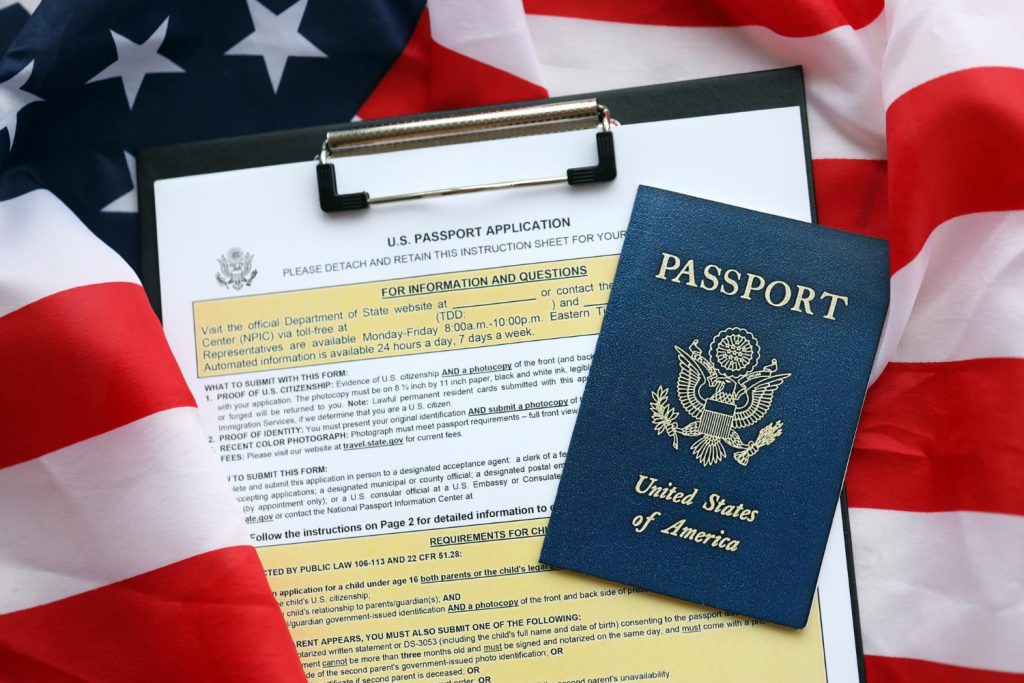
Document processing is not abstract. It is calendar math that can collide with weddings, school breaks, conference dates, and nonrefundable bookings. A timeline that works on paper can still fail in real life if any part of the chain slips by a week.
Current passport guidance says routine service takes four to six weeks and expedited takes two to three weeks, while mailing can add about two weeks each way. That means door to door timing can stretch well beyond the headline number. Travelers who book against the optimistic end of the range are taking real risk.
Women who organize group travel often carry the social cost when timing fails, even if the delay is institutional and outside their control. They are expected to have backup plans, cancellation scenarios, and contingency budgets ready. That expectation turns regular planning into project management under uncertainty.
The result is predictable. People choose plans with fewer moving parts and easier exits. A domestic driving itinerary may not be the dream trip, but it does not hinge on a passport queue, cross border policy updates, or airline rebooking rules across multiple jurisdictions.
Europe Is Still Worth It, But It Requires More Admin
Europe did not become less appealing. It became administratively denser for non EU travelers. The EU Entry Exit System started operations on October 12, 2025, with phased implementation through April 9, 2026, and ETIAS is scheduled for the last quarter of 2026. These are manageable changes, but they add cognitive load for travelers already navigating U.S. documentation shifts.
The UK added another layer through its ETA system. Official guidance says many visitors, including those from the U.S., now need ETA authorization for eligible trips, and the fee is £16. Again, this is not impossible. It is just one more step that must be done correctly and on time.
When several jurisdictions update entry processes close together, travelers perceive higher failure risk even when failure odds are low. That perception matters. Travel decisions are made in households, not policy briefings, and households optimize for clarity and control.
This helps explain why some women are postponing Europe now rather than abandoning it. They are sequencing complexity. They take the local or regional trip first, clear pending document issues, and revisit transatlantic planning when the rule environment feels more stable.
Safety Workload Falls Unevenly on Women

Government guidance for women travelers is clear that additional health and security considerations can apply by destination. That is useful information, but it also means more pre trip research and scenario planning. It is one more layer on top of already expanding document logistics.
The safety burden is rarely a single checklist item. It includes route timing, transit choices, accommodation location, local emergency numbers, communication plans, and legal context around harassment and reporting. Women who travel solo or in small groups often build these safeguards personally, without institutional support.
None of this means women are less adventurous. It means they are often more methodical because the downside risk is different. A plan that looks easy on a brochure can involve substantial invisible labor before takeoff.
Road trips can feel safer in that framework because control points are closer. Travelers choose their stops, adjust departure times, and leave quickly if a place feels wrong. Control does not eliminate risk, but it reduces dependence on external systems during stress moments.
Road Trips Feel Like Control, Not Comfort
Domestic road travel remains dominant during major U.S. travel periods, and AAA forecasts repeatedly show most holiday travelers going by car. That matters because social proof shapes behavior: if everyone around someone is driving, driving starts to feel like the practical norm rather than a compromise.
This does not mean road trips are effortless. Long hours, fatigue, weather, motel variability, and roadside safety concerns can be intense, especially for women driving alone. But the trip still feels operationally clearer than coordinating passports, flights, entry rules, and onward transit in unfamiliar systems.
There is also a budget psychology component. Car travel gives people more control over spend timing because costs are distributed across fuel, food, and lodging choices. International travel concentrates costs earlier and exposes travelers to currency and rebooking risk in ways that feel harder to unwind.
So the preference for roads is less about romance and more about resilience. People are choosing formats where one disruption does not ruin the whole plan. In a period of policy churn, that decision logic is hard to argue with.
The Cost of Choosing the Easier Route

The short term workaround has a long term price. Postponing international travel can narrow cultural exposure, language confidence, and professional opportunities tied to global mobility. The loss is not dramatic in a single season, but it compounds across years.
There is also an emotional cost. Many women are not rejecting Europe because they do not care. They are deferring it because planning now feels like managing a compliance maze with social penalties for mistakes. That mismatch between desire and feasibility creates quiet frustration.
On the demand side, destinations that depend on repeat female travelers may see softer conversion from interest to bookings when paperwork complexity spikes. On the supply side, airlines and tour operators face a customer base that needs clearer pre trip guidance, not just discounted fares.
None of this is irreversible. As timelines normalize and communication improves, demand can rebound quickly. But while friction remains high, the default choice will keep tilting toward domestic drives and shorter, lower risk itineraries.
What Better Policy and Better Industry Practice Could Do
First, clarity beats volume. Travelers need one authoritative, plain language readiness checklist that merges domestic ID rules, passport timing, and destination entry basics in the same flow. Fragmented guidance across agencies pushes errors downstream.
Second, timing transparency should be practical. Processing windows and mailing caveats already exist, but most travelers still plan around optimistic assumptions. Booking platforms, airlines, and travel insurers could integrate pre purchase readiness prompts that flag document risk before payment.
Third, safety information for women should be integrated into mainstream trip planning rather than hidden in separate pages. When safety guidance is easier to access early, women do not have to spend extra unpaid time stitching together scattered advice. That reduces stress without reducing autonomy.
Finally, travelers can protect themselves by sequencing decisions: verify ID status first, then passport timing, then destination entry requirements, then fares. That order sounds basic, but it is the difference between a confident booking and a costly scramble.