Why Peace and Calm Have Become Quiet Travel Priorities
My travel paradigm shifted drastically earlier this year. I was attempting to organize a standard two-week blitz through the highest-demand European coastal markets—the classic default trip built around trying to secure expensive tables and navigating thick crowds in historic squares.
As the planning progressed, I realized I was fighting friction at every turn, from housing-driven lodging pressure causing massive accommodation price spikes to the constant fear of transportation delays in overwhelmed hubs.
The reality struck me: I was paying a premium to be stressed in a different location. The desire for a reset completely changed my perspective, turning my focus toward remote, community-focused destinations where peace is the primary amenity.
Travel is moving away from a high-speed consumption model toward places that offer genuine disconnection and calm.
Naoshima, Japan
Naoshima effectively demonstrates how prioritizing deliberate, artistic calm can successfully replace the loud, fast-paced nature of typical tourism circuits.
Conflict researchers in tourism highlight that the island explicitly regulates visitor capacity, drastically reducing the disruption risk and maintaining a serene, unhurried atmosphere.
The focus on contemporary art within natural landscapes encourages an entirely different type of engagement than a bustling capital city.
Economic researchers point out that the island’s isolation minimizes inflation exposure by keeping the local economy centered on a curated experience rather than mass commercialization.
For long-term budgeting, avoiding the high-demand mainland hubs offers financial predictability. That is the shift from fighting for space to appreciating tranquility.
The island features underground museums, coastal installations, and a methodical, slow-paced lifestyle.
A key tradeoff involves significant travel logistics and strict facility rules. The island relies heavily on ferry schedules, which can introduce disruption risks during poor weather.
Furthermore, the museums and art houses require advance reservations and enforce strict rules against noise and photography, removing some of the spontaneous freedom casual travelers might expect.
Hydra, Greece
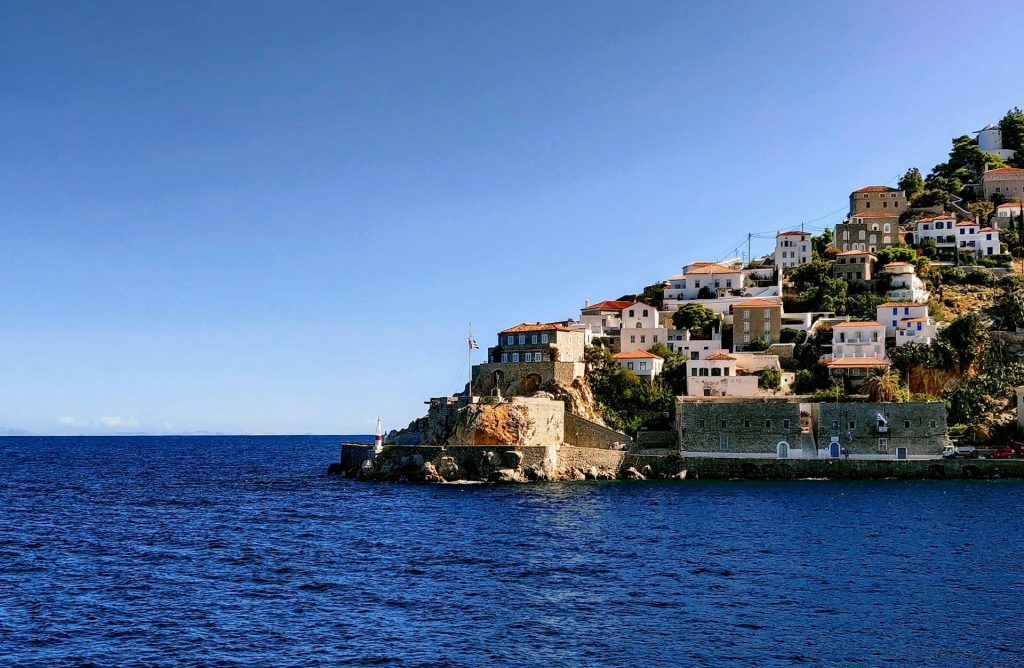
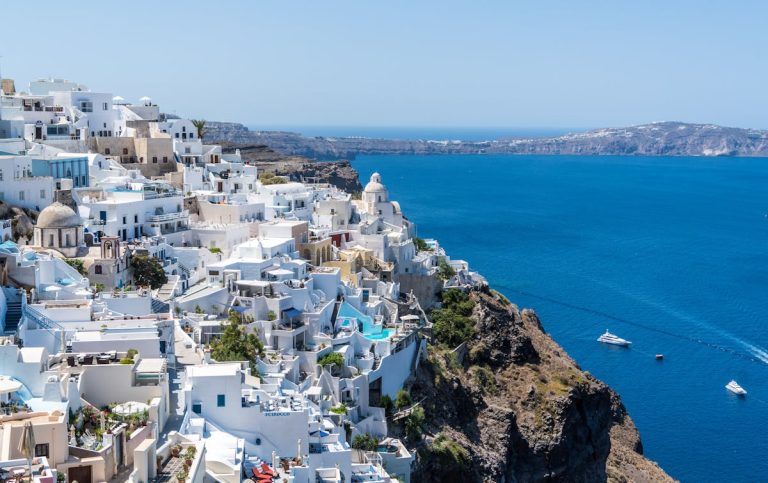
Hydra deliberately preserves its quiet atmosphere by functioning entirely without motorized vehicles, acting as a direct counter-narrative to the overcrowded, scooter-filled default Aegean party islands.
Heritage institutions emphasize that this strict adherence to tradition forces visitors to walk or use donkeys, fundamentally slowing the pace of life. This creates an environment where noise pollution is virtually nonexistent.
This lack of aggressive modern development ensures that the island maintains its character, actively avoiding the intense housing-driven lodging pressure that hollows out other historic Greek ports.
Risk analysts note that the complete absence of cars provides a profound sense of physical safety and pedestrian calm.
This allows visitors to deeply exhale in a way that is impossible in a chaotic resort town. The location provides winding pedestrian alleys, dramatic sea views, and absolute acoustic peace.
The tradeoff involves the physical exertion required to navigate the environment and significant regional price variations.
Moving luggage or accessing cliffside accommodations requires physical stamina, making the destination difficult for those with mobility issues.
The cost of dining and waterfront lodging can also carry a steep premium during the peak summer months.
San Juan Islands, USA
The San Juan Islands present a heavily regulated, nature-forward environment that sharply contrasts with the heavy commercialization found on typical mainland coastal beaches.
In a decisive break from the old default, island leadership focuses heavily on environmental conservation, enforcing strict land-use policies that limit the impact of mass tourism.
Risk analysts warn that this intentional lack of sprawling infrastructure maintains absolute tranquility, forcing visitors to adapt to reduced service hours and slower daily movements.
According to heritage institutions, local economic planning focuses heavily on sustainable farming and marine life preservation over rapid growth.
Because the islands rely heavily on Washington State ferry transit, visitors face a natural boundary against overcrowding, which stabilizes costs outside of the absolute peak summer.
Long-term budgeting requires visitors to engage in local grocery shopping and farm stands, supporting a closed-loop economy.
The islands are defined by towering evergreen forests, brisk coastal access, and consistent four-season living.
A notable tradeoff involves complex ferry schedules that are subject to rapid weather shifts and seasonal staffing issues, occasionally stranding travelers.
Those needing immediate, private health access for complex medical procedures often have to be airlifted to the mainland, adding significant travel friction.
Luang Prabang, Laos

Luang Prabang serves as a deeply spiritual, quiet retreat that entirely discards the frantic energy of major global capitals.
Heritage institutions describe the town as a perfectly preserved blend of traditional Lao architecture and French colonial influence, operating at a remarkably slow, deliberate pace.
Travelers seeking a deliberate disconnection from the fast-paced modern world often prioritize this location for inner peace.
Tourism researchers highlight that the town’s small scale inherently limits crowding and housing-driven lodging pressure, ensuring a peaceful experience.
The cost of living is exceptionally low, and the lack of aggressive commercialization allows for a gentle, unforced integration into the local culture.
It is an environment engineered for quiet observation rather than loud consumption. This location offers the daily alms-giving ceremony, thick jungle landscapes, and the slow flow of the Mekong River.
A critical tradeoff involves geographic isolation and limited private health access. Medical professionals warn that the local healthcare infrastructure is extremely basic, and any serious medical emergency requires a flight to neighboring Thailand.
This disruption risk requires travelers to carry comprehensive, high-limit medical evacuation insurance.
Lake Bled, Slovenia
Lake Bled has intentionally restricted heavy automotive traffic and aggressive commercial builds, creating an alpine atmosphere that serves as the direct opposite of a noisy, high-demand coastal market.
Tourism authorities actively limit short-term rentals and enforce strict environmental standards to protect the natural aesthetic and soundscape.
This structural dedication to preservation ensures the area remains profoundly quiet.
According to heritage institutions, local policies directly favor long-term health and wellness travel over transient mass tourism.
This focus creates high infrastructure reliability, providing clean water and exceptionally safe public spaces. This environment allows travelers to deeply relax, trusting the high level of private health access and general security present across the entire region.
That tradeoff matters when seeking true mental clarity. This destination features dramatic mountain towns, pedestrian-friendly walkability, and structured four-season living.
The quiet atmosphere comes with distinct regional price variations, as the cost of premium wellness services and immediate lakeside lodging can skyrocket unexpectedly.
Visitors also note that extreme winter climate stress drastically limits physical activities and occasionally makes surrounding mountain roads impassable.