Why Road Trips Feel Lonelier After Europe Travel Plans Fall Apart

The strange part of a canceled Europe trip is that the body stays put while the mind keeps traveling. It keeps reaching for the platform announcements, the tiny hotel elevator, the first night meal that was supposed to reset everything.
When the plan breaks, a road trip often becomes the nearest substitute. It still promises movement, scenery, and a clean break from the week. But the first long stretch of highway can reveal an uncomfortable truth: the backup plan is carrying the weight of the dream that vanished.
The disappointment is not only about missing a place. It is about losing the version of life that was scheduled to begin the moment the plane door closed. That loss can make even a beautiful drive feel slightly hollow, like it arrived with a muted soundtrack.
Loneliness shows up because the trip is no longer shared with the imagined crowd of moments. Airports, stations, and city streets come with built-in human noise and little collisions with strangers. A car gives fewer of those, so the mind has more room to replay what went wrong.
The Quiet Hangover of a Canceled Dream
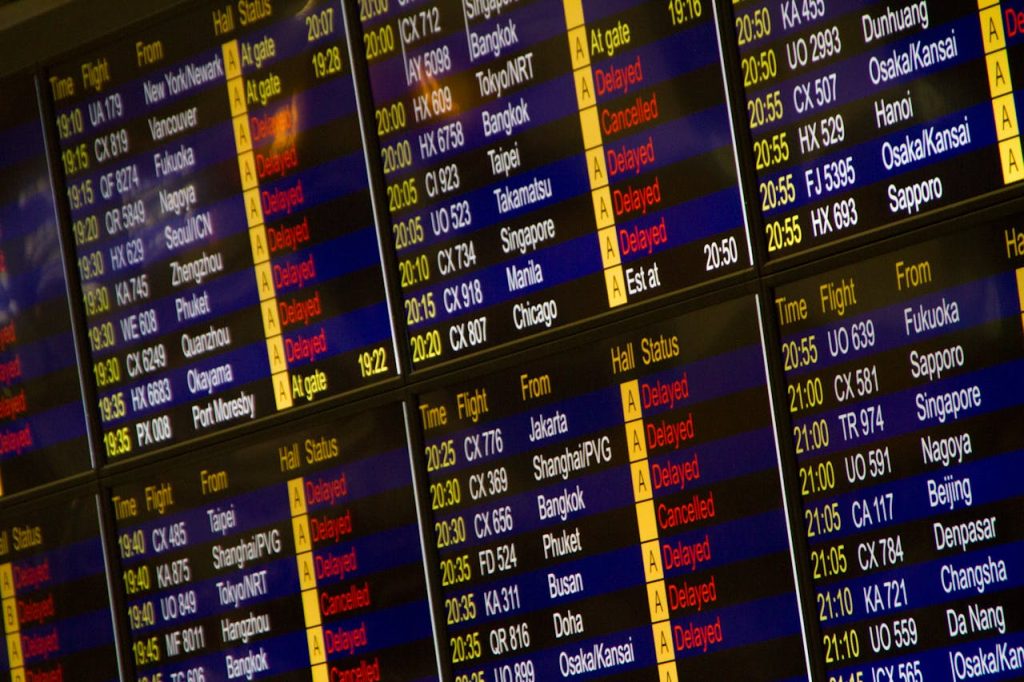
A canceled trip leaves a quiet hangover because the anticipation was real work. It shaped sleep, spending, conversations, and the way time was counted. When it disappears, the calendar still looks full, but the meaning leaks out.
People often underestimate how much grief can attach to something that never happened. The brain already rehearsed the highlights, so the loss feels personal. That is why the sadness can feel out of proportion to the practical inconvenience.
A road trip can intensify that contrast because it is familiar. Familiar can be comforting, yet right after a big letdown it can feel like a smaller story. The same kinds of exits and rest stops can blur together, especially in the first few hours.
The fix starts with naming the loss without trying to outrun it. If the Europe plan mattered, it deserves a moment of respect. Once that is allowed, the road trip stops being forced to compete with an invisible, perfect version of travel.
Expectation Whiplash Makes Familiar Roads Feel Flat
Europe plans usually carry novelty by default. New languages, different meal times, and unfamiliar streets keep attention turned outward. When that gets replaced by a drive through places that feel legible, curiosity can drop fast.
There is also a social dimension that stings. Europe trips are the kind people announce, save for, and daydream about out loud. When it falls apart, the replacement can feel like something to justify, which creates distance before the trip even begins.
Comparison makes it worse. Travel posts keep flowing while the canceled traveler watches the world continue without them. That can turn good scenery into a reminder of the scenery that never got a chance.
What this really means is the road trip is fighting a mental highlight reel. Until that reel is put down, every overlook is graded against an unreal standard. The goal is not to win the comparison, but to stop playing the game.
When Logistics Eat the Joy

A broken plan rarely ends cleanly. Refund requests, rebook attempts, fare rules, and deadlines can stretch one disappointment into a week of administrative noise. By the time the car keys are picked up, the mind is already tired.
Air travel rules can also add emotional friction because they are conditional. In the United States, DOT guidance makes clear that passengers are generally entitled to a refund for a canceled or significantly changed flight if they do not accept an alternative, and it also spells out situations where refunds are not owed if a traveler chooses to take the changed flight instead.
DOT has also defined what counts as a significant change for refund purposes, including thresholds like multi-hour time shifts, airport changes, extra connections, downgrades, and other major itinerary alterations. Those definitions matter because they give people something concrete to point to when an airline response gets vague.
At the same time, real-world enforcement details can shift around the edges. A Federal Register notice states DOT paused enforcement of certain refund requirements tied to canceled flights operated under a different flight number, under specific conditions, through June 30, 2026.
The Car Can Turn Companionship Into Parallel Silence
A car is a small container for big feelings. If one person is grieving the lost Europe plan and the other is trying to stay upbeat, both can feel alone in the same space. The silence is not empty, it is loaded.
Driving also pushes the brain into control mode. Navigation, timing, parking, and safety scanning keep attention narrow. That mode is useful, but it is not very social, and it can make conversation feel like another thing to manage.
Even for solo travelers, the car can amplify isolation. There is no station crowd, no café rhythm, no shared public space to melt into. It becomes one person, one playlist, and long stretches of internal dialogue.
Public health research has treated social connection as foundational, not optional. The U.S. Surgeon General advisory on loneliness and isolation frames disconnection as a serious health concern and argues for investing in social connection the way society invests in other major health risks.
Why Freedom Can Feel Like Emptiness

Road trips are sold as freedom, and sometimes they are. But freedom is not the same as meaning, especially when the trip was not the original intention. Open space can feel like relief or like a lack of structure, depending on what the traveler is carrying.
Europe itineraries often come with a built-in arc. Even when plans are loose, the trip still has chapters: cities, day trips, museums, long dinners, then home. A road trip can feel like motion without a story if it is assembled in a hurry.
Loneliness often shows up when the days feel interchangeable. Without an anchor, each stop becomes a pause rather than a chapter. The trip starts to feel like passing time instead of living it.
The answer is not to over-schedule. It is to give the trip a theme that feels personal enough to matter. A food trail, a state park loop, a small-town music route, or a family history thread can turn freedom into direction.
Rebuilding the Trip Around People
Connection rarely appears by accident on a highway. It usually needs to be designed into the plan, the same way hotels and trains would have been. That does not require crowds, just intentional contact points.
One strong move is choosing towns that have a pulse. Farmers markets, local games, community theaters, and small festivals create natural moments of shared attention. Even brief, ordinary conversations can soften the sense of being cut off.
Another move is adding one human anchor to the route. A friend visit, a cousin lunch, a planned meetup, or even a guided tour in a single stop can change the emotional geometry of the whole trip. It reminds the brain that the journey is witnessed.
Coping guidance for change and uncertainty often comes back to the same practical ideas: notice the feelings, focus on the short term, create a rhythm, and work with what can be controlled today. That mindset helps a road trip feel chosen again, not assigned.
Rituals That Make the Miles Feel Lived In
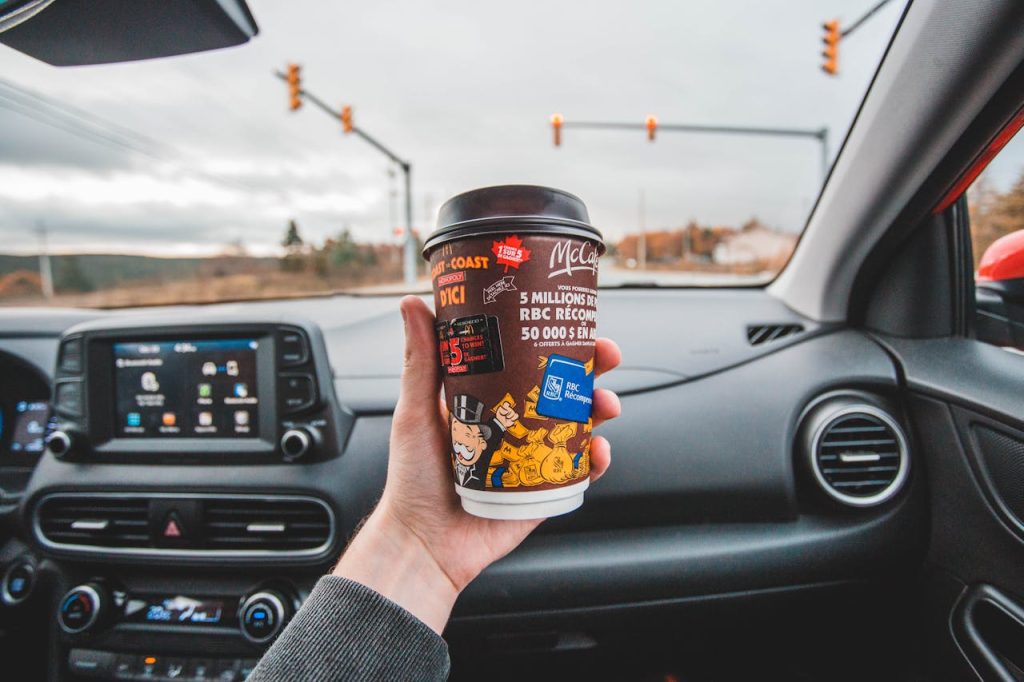
Rituals turn time into texture. A daily coffee stop with a simple rule, a photo at the state line, or a short evening walk after parking can create continuity. Continuity is what makes days feel like chapters.
Small documentation helps when it is for memory, not performance. A voice note at night, a postcard mailed to one person back home, or a shared album with one image per stop makes the trip feel real in a grounded way.
Food rituals are underrated. Eating the same breakfast for three days can make a trip feel repetitive, but picking one local specialty per town creates a storyline. The details give the brain something to file away besides disappointment.
When stress spikes, returning to the body works better than arguing with the mind. Harvard Health guidance on stress control emphasizes focusing on what is controllable and simplifying decisions when life feels unstable. That kind of simplification fits road trips perfectly.
Letting the Road Trip Be Its Own Story
It is possible to hold two truths at once. The Europe plan mattered, and losing it stung. The road trip can still be meaningful, but only if it is allowed to stand on its own terms.
That shift often happens when the trip stops being treated like a consolation prize. The route becomes a deliberate choice with its own pleasures: slower mornings, spontaneous detours, and the kind of quiet that flights never give.
Air travel rights can help with the practical side, but they do not solve the emotional side. In the EU, passengers dealing with cancellations are generally offered choices like reimbursement or rerouting under passenger rights rules, which can reduce the financial shock but not the sense of a lost chapter.
The real win is a new narrative that does not depend on pretending the loss was small. Grief can sit in the passenger seat without driving. When connection, ritual, and purpose take the wheel, the road stops feeling empty.