Why Small Trips Matter More Than Bucket Iists
I used to plan every trip around a frantic multi country capital sprint. The old default involved packing London, Paris, and Rome into ten exhausting days to see as much as possible.
Now, heading into 2025 and 2026, the reality of intense cost pressure, soaring flight prices, and widespread transit strikes makes that hyperactive schedule feel like a punishment.
Constantly moving between major hubs drastically increases daily friction and disruption risk. Tourism studies suggest modern travelers increasingly prefer deep regional exploration over checking off a fragmented list of major landmarks.
That is the shift. The focus now turns toward establishing a single home base to allow for genuine connection, manageable daily rhythms, and absolute planning flexibility without the constant stress of repacking.
Oaxaca City, Mexico
Oaxaca City offers a profound cultural depth that the exhausting multi country capital sprint simply cannot facilitate.
Museum professionals note that engaging deeply with one distinct region allows for far better museum interpretation and a genuine understanding of local heritage sites.
Choosing to stay in one rich cultural hub replaces the daily anxiety of catching regional flights with a grounded and enriching experience.
Economic researchers report that anchoring a trip in a single location drastically reduces travel logistics expenses.
The strategy avoids the constant housing driven lodging pressure found when booking multiple short term stays across high demand global transit hubs.
Planners appreciate how this approach stabilizes long term budgeting and eliminates the unexpected costs associated with constant movement.
The destination features exceptional walkability alongside a vibrant small city pace and beautiful historic architecture.
Experts flag potential downsides regarding language barriers for those needing complex assistance. Health system navigation often proves challenging for foreigners requiring specialized private medical care.
The aging municipal water system requires visitors to rely entirely on bottled water for safety. That tradeoff matters.
Chiang Mai, Thailand
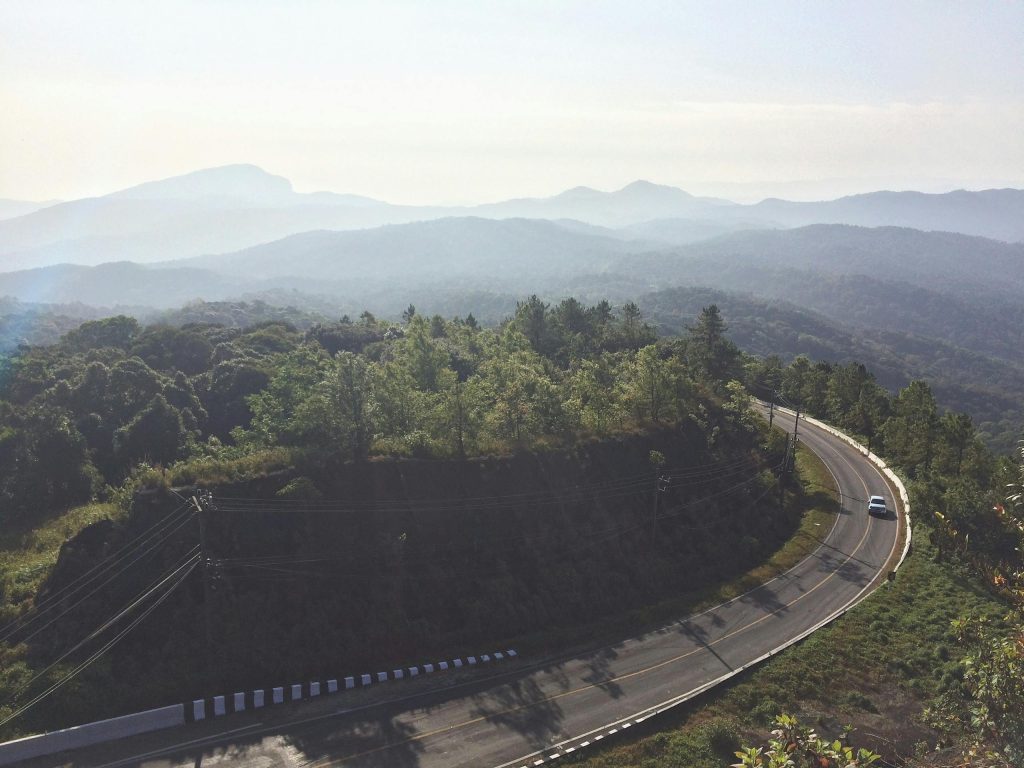
Chiang Mai provides an ideal environment for extended stays that the high speed multi country sprint makes entirely impossible.
According to heritage institutions, settling into a historic northern capital allows visitors to appreciate complex local traditions rather than merely observing them through a bus window.
Tourism studies suggest the cost pressure of moving constantly across borders rapidly depletes travel funds. Staying anchored in this northern hub leverages favorable currency effects and significantly lowers daily living costs.
Risk analysts warn that frequent border access attempts increase exposure to sudden administrative changes whereas a single entry strategy provides stability.
That is why the math changes. The location offers brilliant mountain towns nearby and a highly functional local transit culture.
Experts flag potential downsides involving severe seasonal climate stress during the annual burning season. Navigating long term visa complexity requires careful planning and frequent engagement with local immigration offices.
Distance from major western medical hubs concerns some travelers managing chronic conditions.
Mendoza, Argentina
Mendoza provides an unparalleled opportunity to embrace local rhythms rather than rushing through the traditional multi country itinerary.
Museum professionals note that remaining anchored in a major wine region allows visitors to understand agricultural heritage over an extended period. Constantly crossing borders negates these deep immersive advantages.
According to tourism studies, establishing a long term base here dramatically reduces disruption risk associated with unpredictable regional flight schedules.
Planners observe that extended stays alleviate the severe cost pressure associated with constantly shifting accommodations. That is why the math changes.
The region features stunning mountain towns nearby and distinct four season living.
Experts flag potential downsides regarding extreme inflation exposure which requires constant financial monitoring and cash management.
Language barriers persist outside of the primary hospitality zones. Navigating the unpredictable local economy often requires immense patience for international visitors.
Porto, Portugal

Porto serves as a highly engaging anchor city that completely eliminates the need for the chaotic multi country capital sprint.
Experts say choosing a dynamic secondary city mitigates severe crowding while still providing world class cultural infrastructure.
Economic researchers report that single base travel in this region reduces overall insurance costs and minimizes flight disruption risk.
The local infrastructure reliability supports a steady pace of daily exploration without the exhausting transit delays common in larger global hubs.
Planners note that avoiding constant relocation provides substantial relief from the aggressive lodging pressure currently impacting European travel.
The city is defined by exceptional coastal access and major metro amenities scaled down to a comfortable community level.
Risk analysts note regional price variation heavily impacts the area during peak summer months. Understanding residency rules or extended entry rules requires navigating somewhat complex local bureaucracies.
The steep topography combined with cobblestone streets challenges those with mobility concerns.
Fez, Morocco
Fez offers a fully immersive historical environment that entirely replaces the superficial engagement of the old rapid transit default plan.
According to heritage institutions, spending weeks within an ancient medina allows for genuine cultural comprehension rather than fleeting tourist snapshots.
Risk analysts warn that rapidly hopping between North African and European capitals introduces significant border access complications.
Staying grounded in one deeply rooted regional center bypasses the intense crowding found in heavily marketed transit hubs and removes border friction entirely. That tradeoff matters.
The destination boasts a deeply historic small city pace and unparalleled traditional architecture.
Tourism studies suggest potential downsides including intense summer climate stress that makes afternoon exploration nearly impossible.
Health system navigation remains a concern for travelers requiring immediate highly specialized care. The labyrinthine city layout often disorients new arrivals until they adapt to the environment.