Why Solo Beach Days Feel Empty When Europe Travel Gets Harder
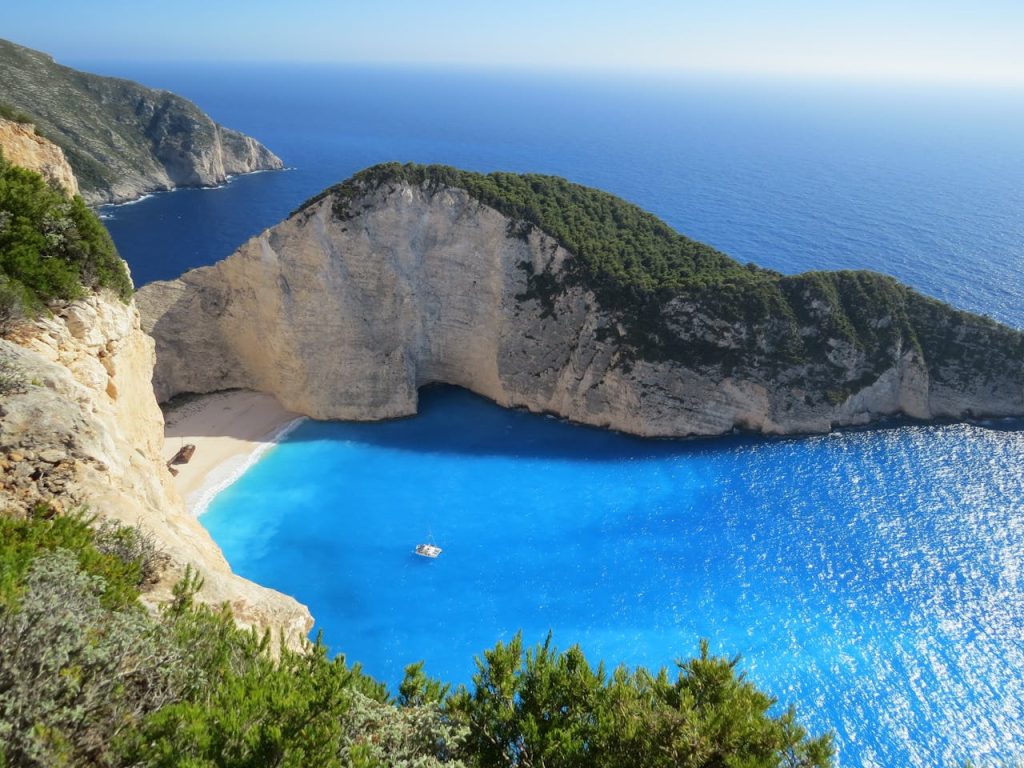
My memories of European travel were once defined by a profound sense of ease. I would book a budget flight to a coastal hub, throw a towel in a tote bag, and spend days drifting between sun loungers and seaside cafes with zero itinerary. That era of effortless, low-stakes exploration has largely evaporated in 2026. The introduction of the ETIAS visa-waiver requirement, the proliferation of daily tourist taxes, and the implementation of rigid reservation systems have transformed the solo beach holiday from a carefree escape into an administrative hurdle.
This shift is driven by a necessary reaction to overtourism and resource scarcity. Urban planners and sustainability experts note that the “show up and see” model is no longer viable for the continent’s most fragile destinations. The sheer density of visitors has forced municipalities to erect digital and financial borders that filter out the spontaneous traveler. I realized that the solitude I once sought on the sand is now crowded out by the noise of logistics, regulation, and the distinct feeling that my presence is tolerated rather than welcomed.
Venice, Italy
Venice has become the global poster child for the end of spontaneous tourism. City authorities now enforce an Access Fee for day-trippers on peak dates, a policy designed to monetize and discourage the “hit-and-run” visitor who contributes little to the local economy. Heritage economists explain that this turnstile approach is necessary to fund the maintenance of a sinking city that is physically crumbling under the weight of foot traffic.
The drivers here are infrastructure survival and crowd management. The implementation of the fee creates a psychological and financial barrier, effectively ending the romantic notion of hopping on a train from Verona on a whim. The solo traveler must now plan their entry like a museum visit, registering in advance and carrying digital proof of payment to avoid hefty fines.
The city is defined by its canal network, absence of cars, and a melancholic, fading grandeur.
A tradeoff involves the loss of anonymity and flexibility. Privacy advocates warn that the registration system creates a surveillance layer over a leisure activity. Furthermore, the fee does not guarantee a lack of crowds; it merely ensures that every person in the crush has paid for the privilege, leaving the “empty” feeling of mass tourism intact.
Sardinia, Italy
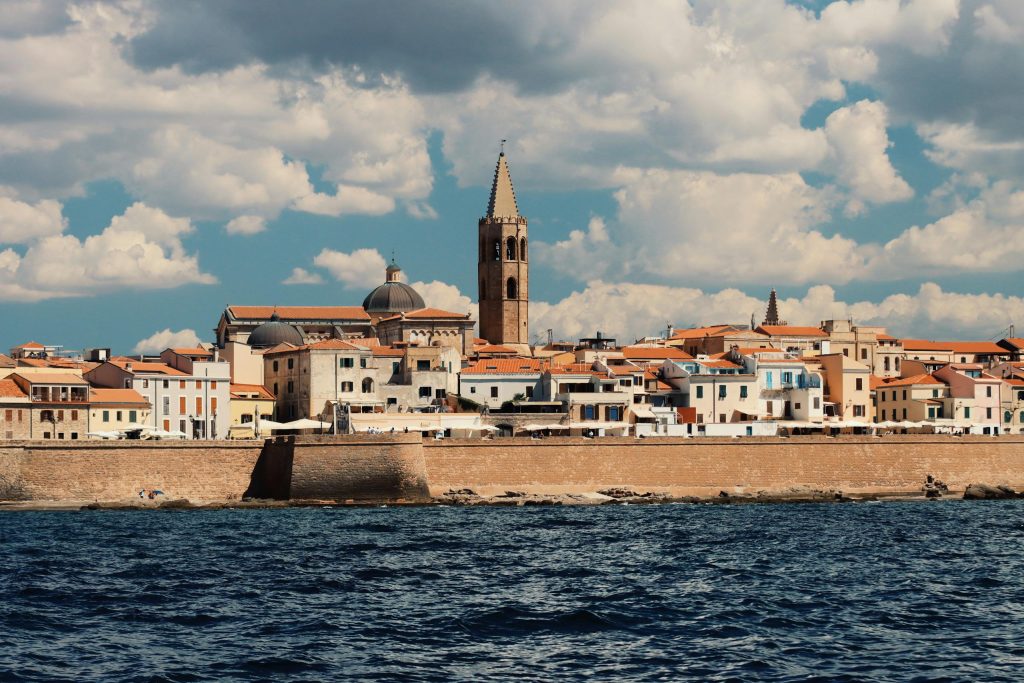
Sardinia has moved to a strict reservation-only model for its most iconic beaches to combat environmental degradation. Environmental scientists and marine biologists successfully argued that the volume of tourists was accelerating erosion and damaging the delicate coastal ecosystems. As a result, visitors must now book a slot via an app weeks in advance to set foot on sands like La Pelosa, often paying a ticket price for the access.
The drivers are ecological preservation and erosion control. Beyond the entry fees, strict rules now ban the use of traditional beach towels, requiring visitors to use straw mats that trap less sand. Police patrol these zones to enforce the rules, transforming a relaxing day by the sea into a regulated environment with a distinct list of prohibitions.
This island is characterized by turquoise waters, rugged interior mountains, and a distinct linguistic identity.
The tradeoff is the elimination of the leisurely morning. If a traveler misses their time slot or fails to book before the cap is reached, they are physically barred from the beach. The casual beach day is replaced by a schedule that rivals a dentist appointment in its rigidity.
Barcelona, Spain
Barcelona is grappling with severe water scarcity that has fundamentally altered the beach experience. Regional government officials have periodically restricted the use of beach showers and foot washers to conserve water during prolonged droughts. Climate adaptation researchers note that this is the new normal for the Mediterranean, where tourism demand competes directly with the basic hydration needs of the resident population.
The drivers are climate change and resource management. The lack of freshwater amenities serves as a stark reminder of the environmental crisis, breaking the illusion of an abundant, carefree paradise. Additionally, the city has increased its tourist tax, further signaling that the cost of visiting must reflect the strain placed on local infrastructure.
The city offers a mix of Gaudi architecture, urban grid planning, and a vibrant, late-night street culture.
A tradeoff is the visible friction with local residents. Social movement researchers observe that anti-tourism sentiment is palpable in neighborhoods like Barceloneta, where graffiti often tells visitors to go home. The solo traveler seeking connection may instead find a community exhausted by their presence.
Majorca, Spain
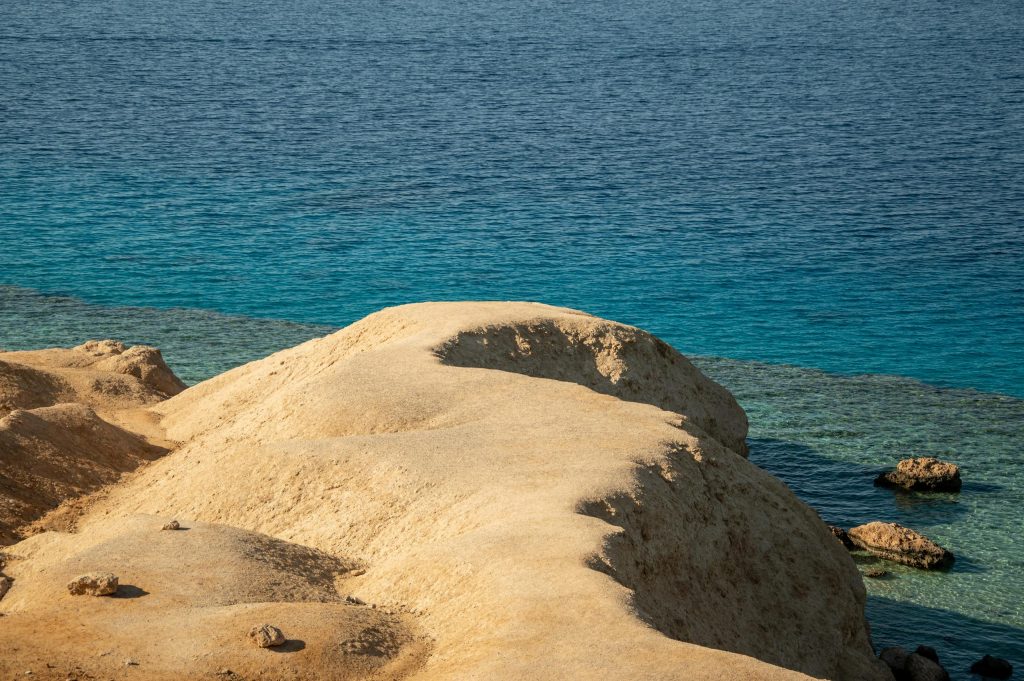
Majorca has implemented sweeping regulations to curb “anti-social” tourism, specifically targeting alcohol consumption. Regional laws now limit the sale of alcohol in key resort areas and ban the sale of alcohol in shops after certain hours. Public order officials and local councils pushed for these measures to dismantle the “booze tourism” model that had degraded the quality of life for residents.
The drivers are social sustainability and public order. The regulations extend to dress codes, with restaurants and shops increasingly turning away patrons in swimwear or shirtless attire. This shifts the vibe from a hedonistic playground to a more formal, regulated destination where behavior is closely monitored.
The island is known for its limestone mountains, hidden coves, and a sophisticated capital city.
The tradeoff is a sterilization of the nightlife and higher costs. Hospitality analysts note that the pivot to “quality tourism” often means higher prices for food and drink, pricing out the budget solo traveler. The carefree night out now requires adherence to a stricter set of social and legal codes.
Santorini, Greece
Santorini has become a case study in the physical limits of tourism. To prevent the island from gridlocking, authorities have implemented caps on the number of cruise ship passengers allowed to disembark daily. Infrastructure engineers and island planners warn that the narrow caldera paths and utility grids simply cannot support the millions who wish to watch the sunset from Oia.
The drivers are capacity limits and safety. The crushing density of crowds during peak season creates a safety hazard, forcing the implementation of flow-control measures. For the solo traveler, the iconic sunset moment is no longer a peaceful meditation but a combat sport for viewing angles among thousands of others.
The destination is defined by its white-washed cliffside buildings, blue-domed churches, and volcanic geology.
A tradeoff is the degradation of the authentic experience. Tourism studies suggest that the “Instagram vs. Reality” gap is widest here, where the serene photos belie a chaotic, noisy reality. Finding a quiet corner to read a book or watch the sea is increasingly impossible without paying a premium for a private terrace.
Athens, Greece
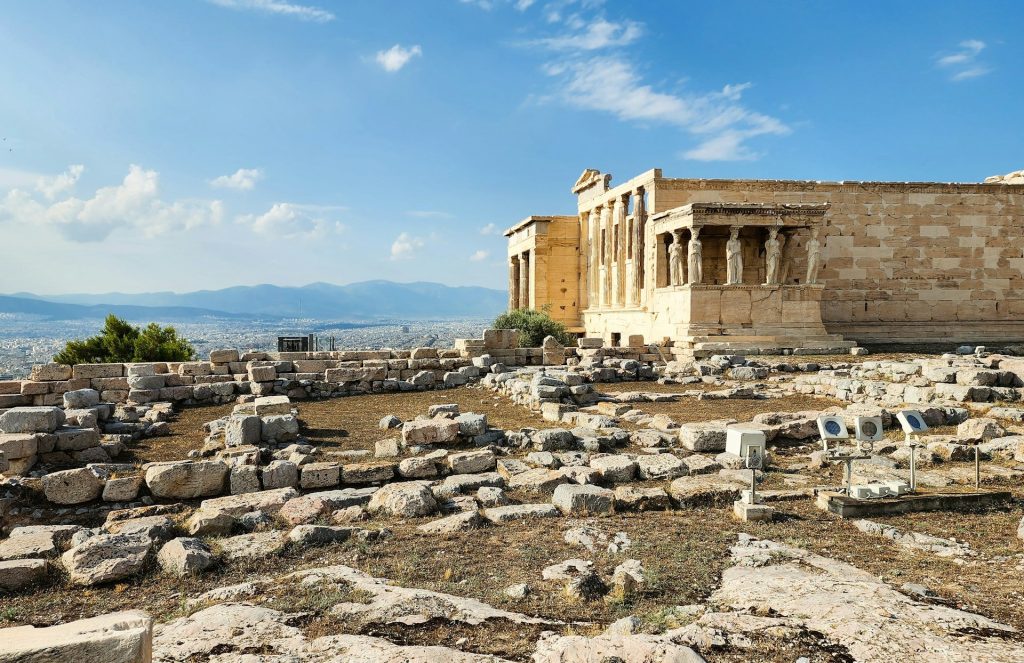
The Acropolis now operates under a rigid time-slot system to manage the dangerous heat and crowding of the Greek summer. The Ministry of Culture introduced these zones to protect both the monuments and the visitors from the intensifying climate conditions. Archaeologists and site managers emphasize that the passive “open gate” policy of the past is incompatible with modern visitor volumes.
The drivers are heat stress management and monument preservation. During extreme heatwaves, the site may close entirely during midday hours, forcing travelers to rearrange their entire itineraries on short notice. The experience of engaging with ancient history is now strictly governed by the thermometer and the digital booking portal.
The capital offers a dense urban history, chaotic traffic, and a revival of contemporary art spaces.
The tradeoff is the loss of flexibility and the physical toll of the heat. Health officials warn that even with time slots, the exposure to the sun on the exposed rock can be brutal. The casual history walk has become an endurance test requiring hydration strategies and cooling gear.
Amsterdam, Netherlands
Amsterdam is actively demarketing itself to certain types of tourists through its “Stay Away” campaigns. City planners and social policy experts have enacted measures to reduce the number of river cruises, limit hotel construction, and move the Red Light District away from the city center. The goal is to reclaim the city for residents and shed the reputation of a lawless party zone.
The drivers are quality of life and housing pressure. The city is explicitly pivoting toward visitors who contribute cultural value rather than just consuming vice. For the solo traveler accustomed to the “anything goes” atmosphere, the new Amsterdam feels significantly more structured and less permissive.
The city is characterized by its canal ring, bicycle dominance, and narrow brick row houses.
A tradeoff is the feeling of being managed or unwanted. Marketing analysts note that the direct messaging of the campaigns can make even respectful visitors feel like a nuisance. The welcoming, open atmosphere of the past has been replaced by a polite but firm request to follow the rules or leave.
Portofino, Italy
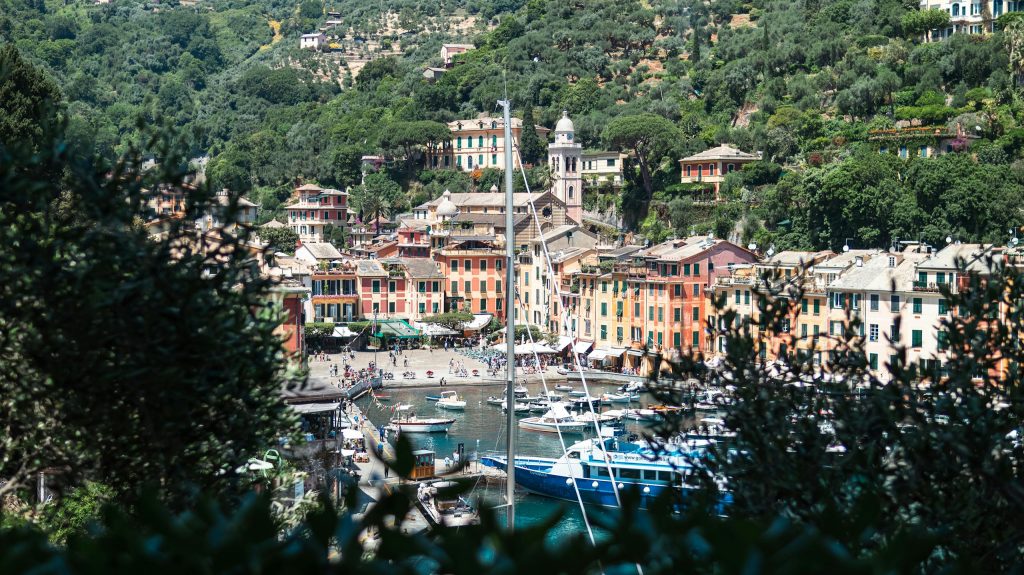
Portofino has introduced “no loitering” zones to combat the pedestrian gridlock caused by selfie-taking tourists. Local police enforce fines for anyone stopping in designated high-traffic areas to take photos, treating the act of lingering as a traffic violation. Municipal leaders argue that the flow of people in the tiny harbor village had become a public safety issue, blocking emergency access and commercial operations.
The drivers are pedestrian flow and public safety. This policy represents the ultimate commodification of the view; you can look, but you cannot stop unless you are paying for a seat at a cafe. It transforms the public square into a transit zone, removing the ability to simply stand and appreciate the beauty of the place for free.
The village is defined by its pastel harbor front, superyachts, and exclusive atmosphere.
The tradeoff is the monetization of stillness. To enjoy the view without the threat of a fine, one must engage in commerce. The simple pleasure of a solo walk is regulated to ensure that the body is constantly in motion or constantly consuming.