Why Staying Put a Little Longer Can Make Travel Feel Deeper
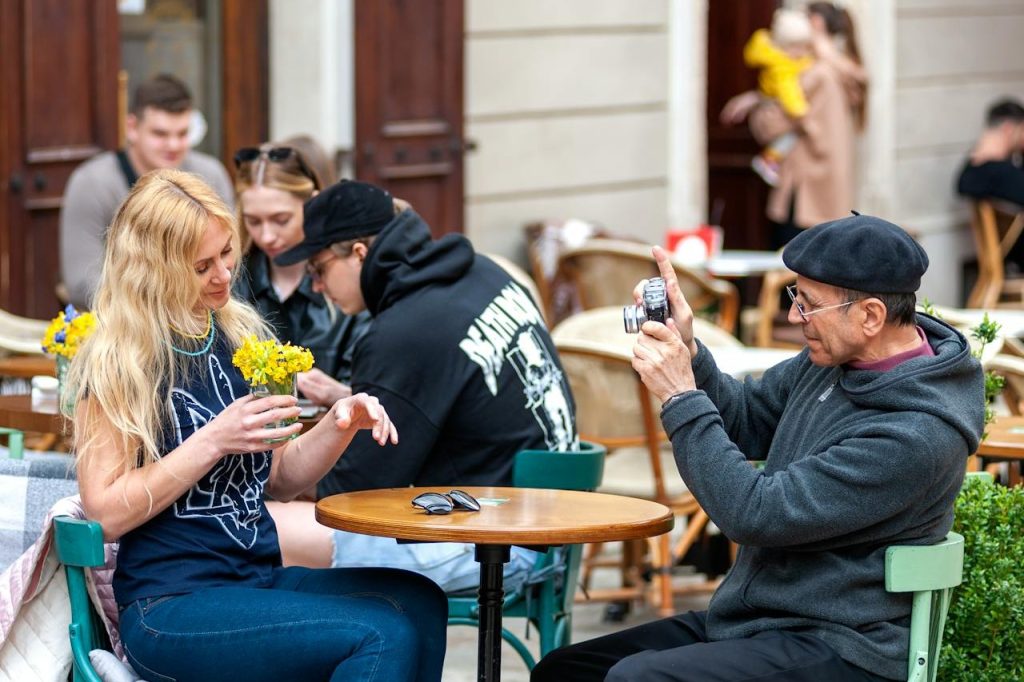
Fast trips can be exciting, and they often produce great photos and big highlights. They also move so quickly that a place can feel like a sequence of stops instead of a real environment. Staying longer changes that pace in ways most travelers feel almost immediately.
The difference is not dramatic on the first day. It starts with small signs like recognizing a corner shop or knowing which street gets quiet after sunset. Those details create comfort, and comfort creates attention.
Once that happens, travel stops feeling like a performance. It starts to feel closer to ordinary life, which is where the best memories usually come from.
A longer stay does not mean doing less with the trip. It means giving the trip enough time to develop a second layer. That second layer is where places become personal.
The Place Stops Feeling Like A Set
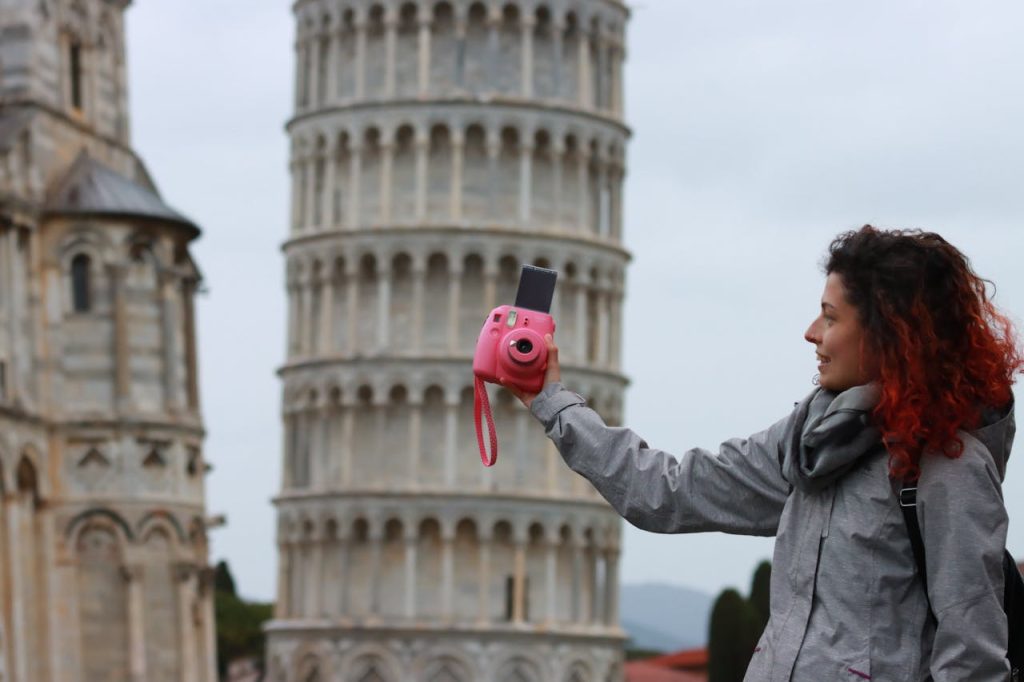
On a short trip, everything can look polished and cinematic. The landmarks stand out, the streets feel new, and the day runs on pure reaction. It is exciting, but it can also feel a little flat.
By the third or fourth day, the same streets begin to connect in your mind. You stop seeing isolated spots and start seeing how one area flows into another. The city starts to make sense as a place, not just a backdrop.
That shift changes what you notice. You pay attention to delivery trucks, school pickups, and the time a cafe starts filling up. The ordinary parts of the city begin to carry the most character.
A destination feels deeper when it stops acting like a set piece. You no longer stand outside the place and look in from a distance. You start moving through it like you belong there for now.
Routine Builds A Different Kind Of Discovery
Longer stays give travel something people usually underestimate, and that is routine. A regular coffee stop or a familiar walking route can anchor the whole day.
Once a routine appears, your attention gets calmer. You stop spending every hour deciding what to do next, and that frees up a lot of mental space. That extra space makes curiosity much sharper.
Routine also helps details stand out. You notice the bakery opens later on Mondays and the fruit seller changes the front display by noon.
Those observations sound small, but they build real memory. They make a place feel specific instead of interchangeable with the next city on the list. That is the difference between seeing a destination and learning it.
A routine can also make a trip feel less tiring. The day gains a rhythm, and the rhythm makes even busy plans feel easier.
That ease changes the quality of exploration. You start wandering because something looks interesting, not because you are trying to fill a checklist. The trip becomes less crowded and more alive.
People often think depth comes from doing more things. In reality, depth often comes from repeating a few things long enough to notice what changes.
Routine is what makes that possible. It gives a trip structure without making it rigid. The best discoveries usually happen inside that balance.
Familiarity Makes You Braver
Short trips often push people toward safe choices. They stay near the hotel, eat in obvious spots, and avoid anything that might waste time. That is a practical instinct, but it can narrow the whole experience.
A longer stay softens that pressure. One wrong turn no longer feels expensive, and one average meal does not ruin the day. That makes people much more willing to explore.
With familiarity, confidence grows fast. Once you know how to get back, the city feels bigger and less intimidating. You start choosing places because they are interesting, not because they are convenient.
That kind of bravery usually looks simple from the outside. It might mean taking a slower bus, walking into a quiet neighborhood cafe, or staying in a park longer than planned. Those choices rarely happen on a rushed schedule.
The result is not reckless travel, and it is usually better travel. You make decisions with more patience and less urgency. The trip starts to feel open instead of tightly managed.
Time Becomes Part Of The Destination
Most travel advice is built around where to go. Longer stays teach a different lesson, which is when to go. Time becomes part of the destination itself.
The same street can feel completely different at 8 in the morning and 8 at night. A square that looks sleepy on Tuesday can feel festive by Friday, and that contrast is part of the place. You only see it if you stay long enough.
This is where slower travel gets its depth. It reveals patterns instead of snapshots. The city stops being a map and starts becoming a rhythm.
You begin noticing weekly habits, not just tourist highlights. The park fills after work, the market gets louder before dinner, and one corner bakery sells out by midmorning.
Even weather matters more on a longer trip. A rainy afternoon is no longer a ruined plan, because it becomes one version of the city you get to experience. That adds texture instead of frustration.
When time enters the picture, places feel less staged. You see how locals move through ordinary hours, and that teaches you more than any guidebook summary. It also makes your memories feel more grounded.
Fast travel collects locations, and slower travel collects patterns. Patterns are what make a destination feel lived in.
That is why a longer stay often feels richer without being more dramatic. You are not chasing more attractions, and you are learning the pulse of one place. That pulse is what lingers later.
Conversations Start To Matter
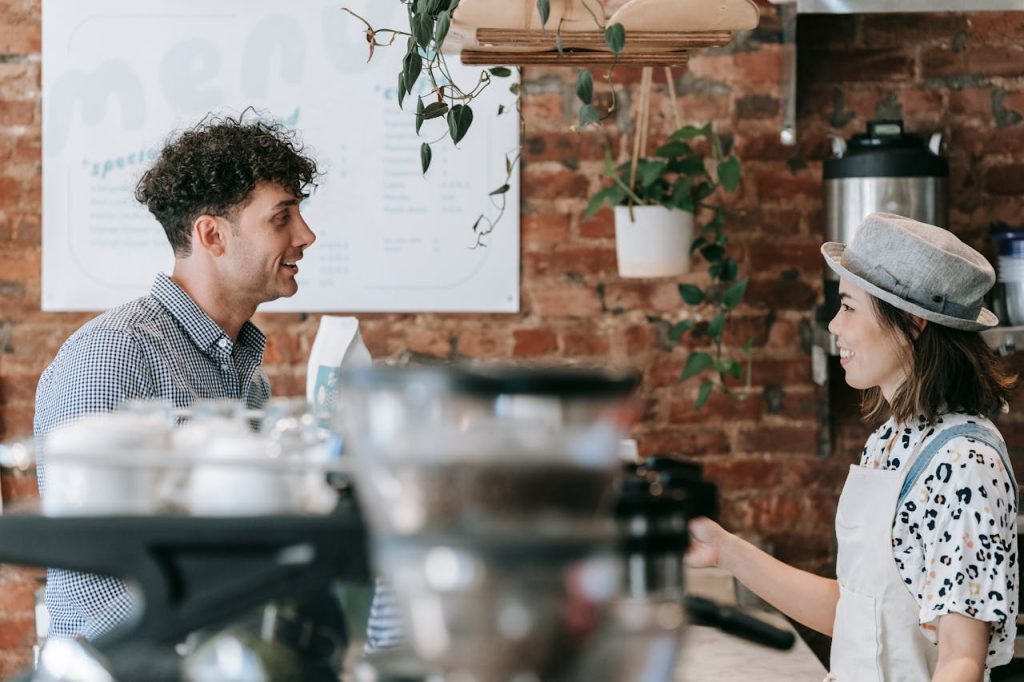
Quick trips usually produce quick conversations. They can be warm and useful, but they often stay practical. You ask for directions, order food, and move on.
Longer stays create repeat contact, and repeat contact changes everything. The cafe worker remembers your order, and the shopkeeper asks what you did yesterday. A tiny thread of familiarity starts to form.
Those moments are not flashy, but they change the emotional tone of a trip. You feel less anonymous, and the place feels less transactional. That shift makes travel feel deeper very quickly.
The best part is how ordinary it is. No grand exchange is required, and no perfect local connection is needed. A few small recognitions can make an entire neighborhood feel different.
Less Pressure Improves The Trip
Packed itineraries can make even great destinations feel cramped. When every hour is scheduled, people rush through moments they would normally enjoy. The trip becomes efficient, but not always meaningful.
A longer stay relaxes the math. You do not have to fit every museum, viewpoint, and neighborhood into two days. That alone lowers stress more than people expect.
Less pressure also improves judgment. You eat when you are hungry, rest when you are tired, and stop forcing plans that no longer sound good.
That flexibility protects the trip from minor disappointments. If one place is closed or one meal is average, the day still has room to recover. Nothing feels like a major loss.
It also changes how people move through the city. They walk slower, notice more, and leave space for detours that never appear in an itinerary.
The irony is that slower days often produce stronger memories. Without constant rushing, your mind actually has time to register what is happening. The experience feels fuller even when the schedule is lighter.
Longer stays also make rest feel legitimate. A quiet hour in a park or a slow breakfast stops looking like wasted time.
That change is important because depth needs space. Travel gets richer when every moment is not squeezed for output. A little breathing room lets the place come to you.
Memory Gets Layers Instead Of Highlights
The strongest travel memories are rarely one famous sight. They are usually layered memories made of sound, routine, weather, and one small moment that surprised you. Longer stays create those layers naturally.
You remember the corner where the morning light hit the buildings. You remember the smell near the market after rain, and the musician who showed up two evenings in a row. Those details stay because they were repeated.
A quick trip can still be wonderful, but it often leaves people with highlights only. A longer stay leaves people with texture, and texture is what makes a memory feel alive years later. That is why slower travel often feels more personal in hindsight.
Layered memory also changes how you talk about a place. You describe how it felt to be there, not just what you saw. That is a deeper kind of travel memory.
You Leave With A Relationship, Not A Checklist
Short trips often end with a list. You can name the museums, the viewpoints, and the restaurants, and that feels satisfying. It is a clean way to measure what happened.
Longer stays usually end differently. You leave with a sense of relationship to the place, even if it was temporary. That feeling is harder to measure, but it lasts much longer.
You know which street felt best in the morning. You know where the crowd thinned out after dinner, and which small place started to feel like yours.
That quiet familiarity is the real reward of staying longer. It makes the destination feel less like something you consumed and more like somewhere you inhabited for a while.
You also leave with a different kind of confidence. If you returned, you would not be starting from zero, and that changes how the memory sits in your mind. The place remains open to you.
This is why deeper travel rarely depends on bigger budgets or perfect plans. It often comes from time, patience, and the willingness to stay put long enough for a place to reveal itself. Those are simple tools, but they work.
A longer stay does not remove the excitement of travel. It gives that excitement roots, and roots are what make a trip feel meaningful after it ends.
When people say a destination really stayed with them, this is usually what they mean. They did not just pass through it, and they lived inside its rhythm long enough to carry some of it home.