Why the Way We Dress Evolves as Our Lives Change

My original relocation and travel plan for 2025 focused heavily on aesthetics over utility. I intended to pack trunks of rigid formal resort wear and move to a high-demand coastal market, assuming that an expensive curated wardrobe was the key to a successful life abroad.
However, reviewing the financial and environmental realities of 2026 shattered that glamorous strategy entirely. Surging insurance premiums, intense coastal crowding, and the physical discomfort of maintaining a high-maintenance lifestyle in unpredictable climates forced a massive pivot.
The new priority centers on destinations where comfort, active transit, and local weather dictate daily habits, fundamentally shifting how a wardrobe functions.
The old default of the flashy, expensive beach hub has been replaced by practical locations where clothing must adapt to reality. I realized that true quality of life requires dressing for the environment rather than a resort photoshoot.
Copenhagen, Denmark
Copenhagen serves as a masterclass in functional living, easily replacing the restrictive and high-maintenance coastal market default.
Transport researchers report that the city prioritizes bicycles over cars, forcing a massive wardrobe shift toward durable outerwear and flat shoes.
Visitors quickly abandon the flimsy fashion of a beach town in favor of weather-resistant garments that support an active, outdoor lifestyle.
Economic researchers note that high local costs require careful long-term budgeting, prompting travelers to invest in quality, long-lasting garments rather than disposable fast fashion.
This sustainable approach reduces the crowding impact on local waste systems and promotes a minimalist aesthetic.
High infrastructure reliability ensures that the dedicated bike lanes remain clear and safe year-round, making sensible clothing a daily necessity rather than an option. That is the shift from performative dressing to practical living.
This capital is defined by its cycling culture, minimalist design, and brisk harbor winds.
A significant tradeoff involves high regional price variation and complex language barriers. Financial analysts warn that purchasing specialized winter gear locally carries a premium price tag, which can severely strain a strict travel budget.
Navigating local administrative tasks or everyday services often demands expensive translation assistance for those not fluent in Danish.
Oaxaca City, Mexico

Oaxaca City offers a profound connection to global textile heritage, providing a culturally rich alternative to the mass-produced uniformity of the traditional high-demand coastal resort.
Economic experts explain that favorable currency effects allow visitors to purchase garments directly from indigenous artisans, completely bypassing the global fast-fashion supply chain.
This direct trade supports the local economy and provides travelers with clothing perfectly suited to the regional environment.
Housing-driven lodging pressure remains significantly lower than in the old default coastal markets, freeing up funds to invest in sustainable local goods.
Tourism studies suggest that the warm days and cool desert nights require a highly adaptable, layered wardrobe, completely altering how a visitor packs and dresses. That tradeoff matters when seeking authenticity over generic luxury.
The location offers cobblestone walkability, rich artisan traditions, and high-altitude sun.
The primary tradeoff is complex health system navigation and seasonal climate stress. Risk analysts warn that accessing specialized medical care requires traveling to larger metropolitan areas.
The dry season brings intense heat and dust, which can be physically exhausting and requires specific protective clothing to manage daily exposure.
Hoi An, Vietnam
Hoi An replaces the expensive Mediterranean coastal default with an environment that completely customizes the daily uniform.
Tourism studies suggest that local tailoring infrastructures remove the disruption risk of lost airline luggage, as visitors can rapidly commission an entirely new, climate-appropriate wardrobe upon arrival.
The ability to create custom garments from breathable silks and linens changes the entire focus of the travel experience.
Economic researchers point out that the exceptionally low local costs and favorable residency rules make extended stays highly attractive for remote workers.
Travelers can easily adapt their clothing to match the humid environment without breaking the bank, a luxury impossible to find in an overpriced western beach town.
This direct access to manufacturing allows for a highly personalized, deeply practical travel wardrobe. That is why the math changes for extended global journeys.
The town features historic merchant houses, a deep tailoring heritage, and a tropical river pace.
A major tradeoff involves intense climate stress and the vast distance from family. Environmental scientists report that seasonal monsoons cause severe flooding, complicating daily logistics and destroying unprotected textiles.
The long-haul flights required to reach the destination also add significant travel fatigue and expense.
Edinburgh, Scotland
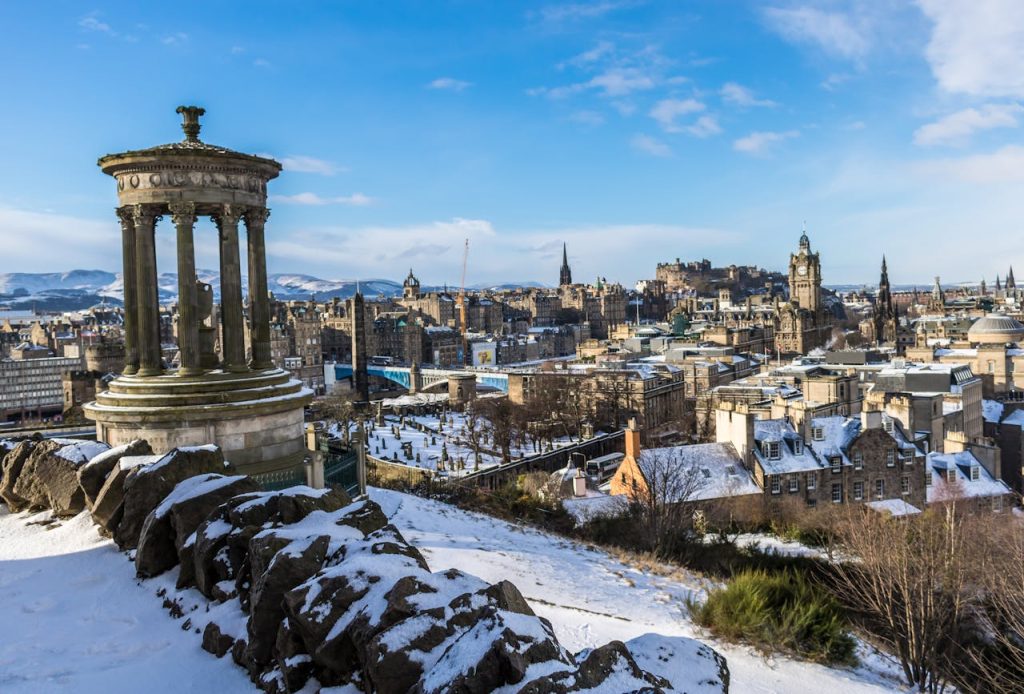
Edinburgh demands a rugged, highly practical approach to daily life, entirely discarding the lightweight, sun-chasing wardrobe required by the old high-demand coastal market.
Risk analysts warn that relying on comprehensive travel insurance becomes critical when unpredictable maritime weather disrupts transit and damages fragile luggage.
The flimsy resort wear of the old coastal default becomes entirely useless against the relentless North Sea winds.
High infrastructure reliability ensures that public transit runs smoothly regardless of the rain, but passengers must dress defensively to navigate the steep, cobbled streets comfortably.
Economic researchers emphasize that investing in heavy wool and waterproof gear alters long-term budgeting priorities, shifting focus from fashion to sheer survival and comfort.
This harsh reality forces a complete reevaluation of what constitutes luxury on the road.
The destination is characterized by gothic architecture, dramatic volcanic hills, and true four-season living.
A notable tradeoff involves high inflation exposure and regional price variation. Financial planners warn that the high cost of imported goods makes local shopping expensive, straining a strict travel budget.
The long, dark winter months also introduce a psychological toll that requires significant mental resilience.
Melbourne, Australia
Melbourne provides a highly adaptable urban environment that contrasts sharply with the static, predictable nature of the traditional coastal resort town.
Economic analysts note that the legendary weather patterns require a highly adaptable wardrobe, altering long-term budgeting to prioritize versatile layers over single-use outfits.
Visitors learn to carry jackets and umbrellas even on seemingly clear mornings.
Excellent private health access and a low disruption risk make the city a safe harbor for long-term visitors abandoning the high-demand beach hubs.
Tourism experts highlight that the robust tram network and covered arcades provide refuge from sudden downpours, integrating the unpredictable climate seamlessly into the daily urban flow.
This blend of wild weather and modern convenience creates a deeply engaging lifestyle.
The city offers a dense network of hidden laneways, a thriving coffee culture, and expansive parklands.
The tradeoff is the immense distance from family and complex visa complexity. Geographic experts point out that the sheer distance from the Northern Hemisphere makes returning home difficult and expensive.
Strict immigration policies also complicate long-term residency, requiring significant legal preparation to secure extended stays.