Why These 10 Beach Villas Bitten By Bug Blitzes

Bug season at the beach rarely announces itself. A villa can feel flawless at 5 p.m., then a calm, humid dusk arrives and insects show up as if someone flipped a switch. It peaks after rain, when everything stays warm. The shift feels personal because it targets the hour meant for outdoor dinners, open doors, and sea air.
Most outbreaks are predictable once the pieces are visible: warm rain leaves shallow puddles, tides wet the sand line, gardens stay damp, and bright patio lights pull in anything that flies. When the conditions are named, the fixes stay practical: drain water fast, dry shady corners, soften glare, and keep air moving.
The Mangrove-Backed Hideaway

Behind mangroves, a beach villa gains privacy and loses wind. Still air lets mosquitoes and biting midges linger, especially after high tide and a warm rain leave brackish pockets in leaf litter, crab holes, and shallow pans near paths. Even a clogged channel drain or a planter saucer can hold water long enough to spark a spike.
At dusk, the drift starts at the treeline and ends at the brightest patio. Midges slip through coarse netting, so fine mesh matters, along with tight door tracks and intact seals. Steady ceiling fans, warm shielded lights, and a daily sweep for standing water can turn the same porch from restless to relaxed.
The Lagoon-Edge Stilt Villa
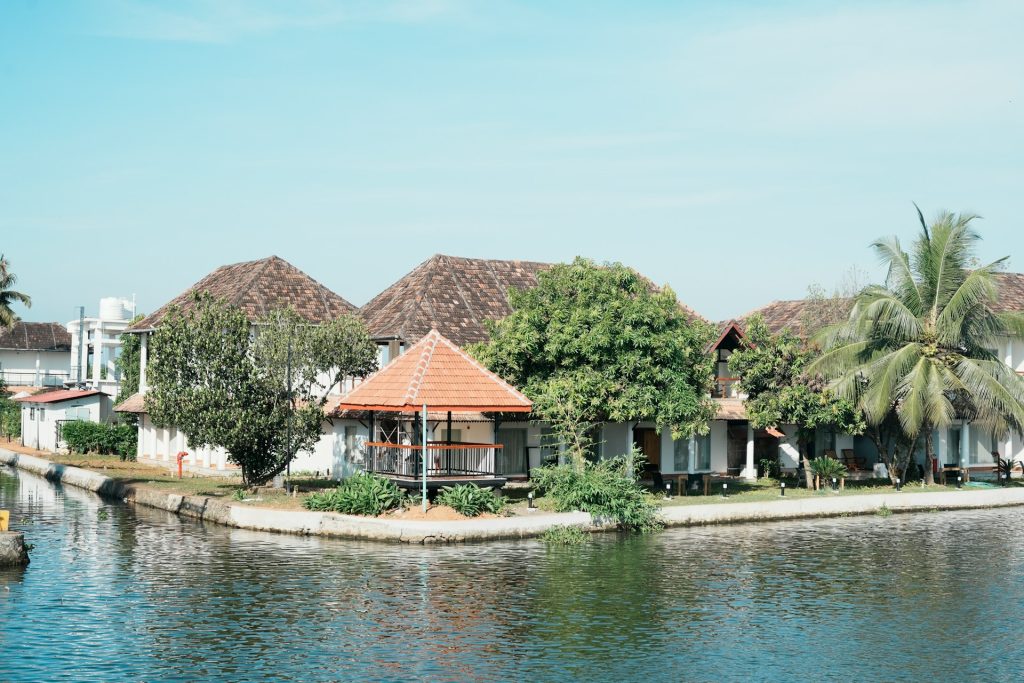
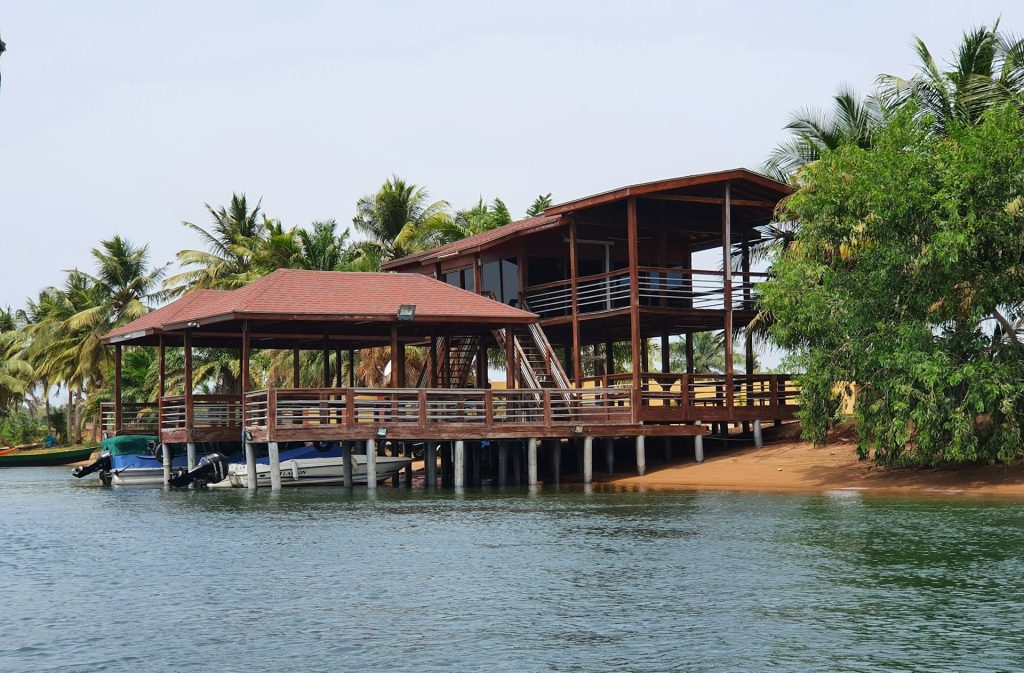
A lagoon-edge stilt villa feels breezy upstairs, yet the shaded space beneath the deck can stay damp for days. Roof runoff pools around footings, wet kayaks drip in storage, and a forgotten rinse bucket becomes a hatchery after storms. Mosquitoes and sand flies also rest there, protected from sun and wind.
When big sliders open for cross-breezes, pressure changes can pull insects inside, especially if vents are uncovered or screens sag. Gutter extensions and simple grading push water away, while warm low-glare lights under the house reduce the lure. Door sweeps, fine mesh, and steady fans keep the air welcome without the extra company.
The Seaweed-Line Retreat
A villa near the wrack line looks dreamy when seaweed rolls in, but fresh piles can invite beach flies and other biting insects drawn to damp organic matter. After spring tides strand thick mats overnight, the moisture and smell sit where feet cross from sand to steps. Warm evenings let the activity build fast.
The peak often hits when the breeze drops and porch lights take over. A morning rake that moves seaweed away from entrances helps more than a late-night scramble. Sealed trash, rinsed outdoor rugs, and warm downward fixtures cut the pull. With the food source gone and light softened, the patio stops feeling like a landing strip.
The Infinity-Pool Showpiece
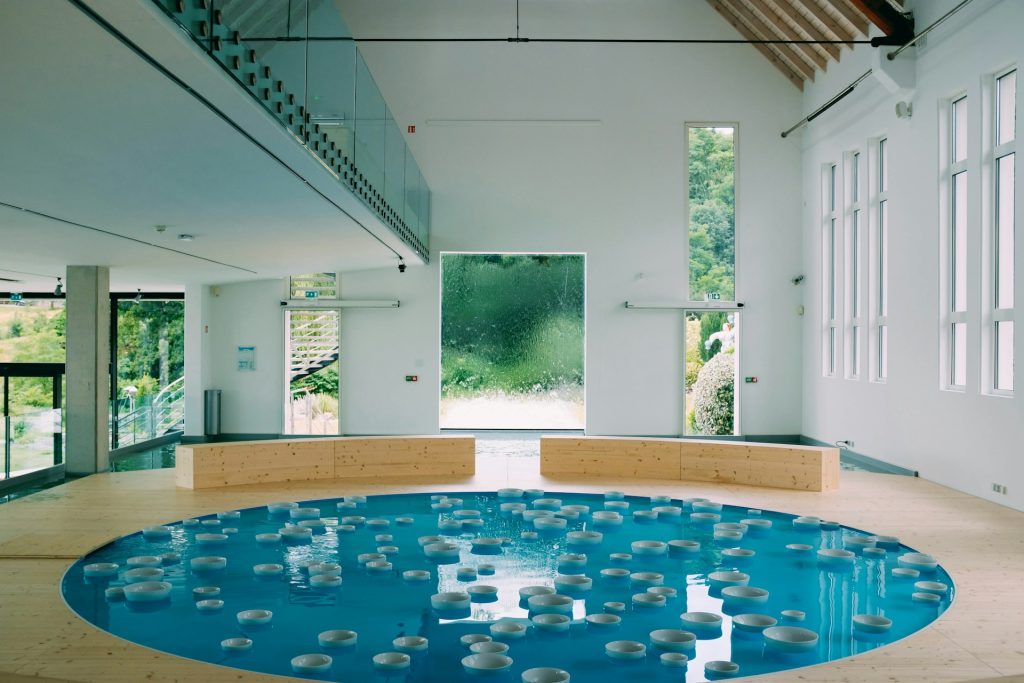
Infinity pools can look spotless even when hidden corners are not. A slow skimmer, a clogged overflow trough, or a step ledge can hold still water long enough for mosquitoes to use it. Warm nights shorten the timeline, and leaves blown into channels create tiny dams that go unnoticed until the patio turns twitchy.
Blitzes often follow a pump schedule change or a stormy week. Consistent circulation, brushing the overflow edge, and clearing baskets before dusk keeps water moving. Then hunt the nearby offenders: water trapped in pool toys, planter saucers, outdoor shower trays, and folded covers. Cleaning those traps protects the scene.
The Bamboo-Garden Compound

A bamboo-garden villa earns privacy, but it also traps humidity and blocks wind that keeps insects from settling. If irrigation runs at night, mulch and leaf litter stay wet until midday, and shade turns that moisture into a refuge. Mosquitoes gather there for hours, then follow the path lights toward doors and outdoor seating.
The swarm often gets blamed on the beach, yet the source can be the garden edge. Thin plants near walls, water at dawn, and keep mulch off exterior surfaces to reduce hiding spots. Clean gutters so runoff does not drip into beds, and add a fan where people sit. The air feels lighter, and the buzz fades.
The Cliffside Glass Box

Height does not always mean fewer bugs. A cliffside villa with bright interiors can act like a beacon along the coast, drawing moths, beetles, and seasonal flying ants to the glass for hours. On warm, still nights, the insects gather outside until a sliding wall opens, then the light and airflow guide them into the living space.
Reflections amplify the glow, especially with cool white bulbs and uncovered fixtures. Lower indoor levels after sunset and switch to warm bulbs that do not flare across the water. Shaded, downward terrace lights help, and retractable screens block the rush without killing the view. The house stays airy, not noisy.
The Open-Air Shower Suite

Outdoor showers feel like a beach ritual, yet slow drains and damp corners can keep a thin film of water that attracts flies. Soap shelves, clogged grates, and wet towels left in shade hold humidity, and mosquitoes use the cool enclosure as a resting spot. If the shower sits near a bedroom door, the spillover becomes a nightly nuisance.
Problems spike after busy days when sand and sunscreen gum up flow. Regular drain cleaning, quick-dry hooks, and a squeegee pass after each rinse keeps surfaces dry. A small fan moving air through the corridor shortens damp time fast. The ritual stays refreshing, and the insects lose cover.
The Canal-Front Marina Villa
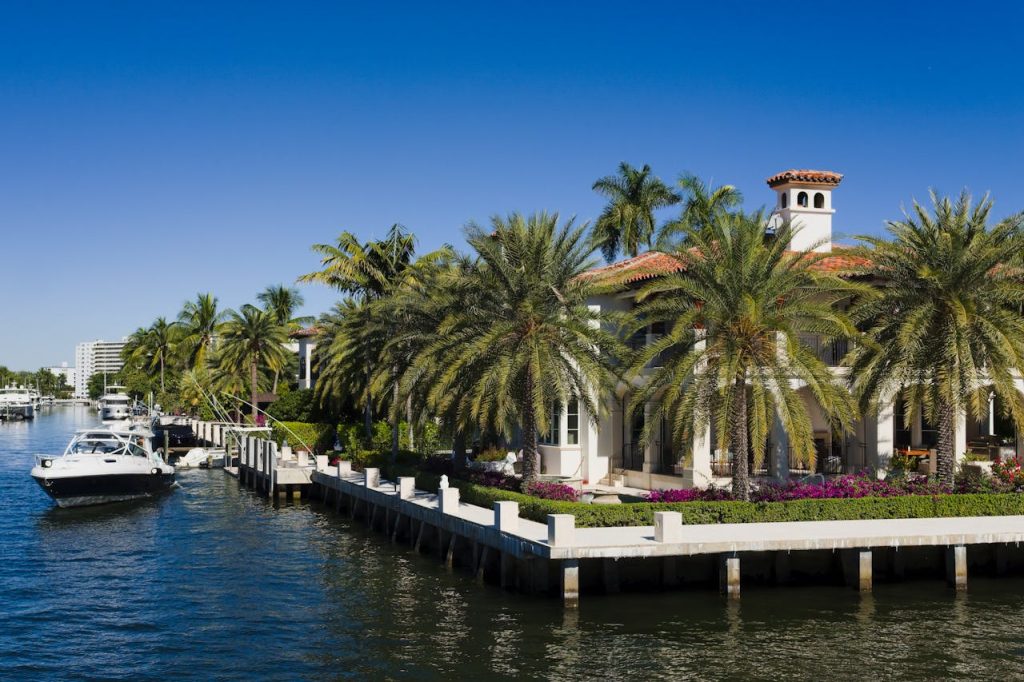
Canal-front villas trade surf sound for dock life, and slow, warm water can fuel a bug surge. Debris collects along sheltered edges, algae thickens in pockets, and mosquitoes lay eggs where currents barely move after rain or a high tide. Even a tidy deck can sit beside active larvae, so the problem feels like it comes from nowhere.
The blitz peaks when boats return and lights flick on, pulling insects from blocks away. Shield dock lights so they point down, not out, and keep them warm instead of stark white. Basic aeration helps, but so does checking tarps, dinghies, and bilges for trapped water. The waterfront stays lively, not itchy.
The Dune-Side Minimalist

Dune-side villas sit close to the sand’s hidden life, including biting midges, or no-see-ums. They flare when humidity climbs and wind drops, and a minimalist layout with wide sliders leaves few barriers between insects and open-air living around patios. Because they are tiny, gaps that stop mosquitoes may not matter, so the hit feels sudden.
The clue is timing: calm, cloudy evenings and early mornings, especially near dune grass and damp sand pockets after a high tide. Fine mesh, a fan that makes an air curtain, and closed doors during peak minutes reduce bites without changing the mood. When the breeze returns, the surge fades.
The After-Storm Rental

After a tropical storm or a week of heavy rain, a beach villa can look spotless while the landscape resets into insect season. Flooded low spots, clogged drains, and storm debris create pools that last just long enough for mosquitoes to surge a few days later. Even footprints in sand can hold water overnight and feed the cycle.
These blitzes are temporary but intense, often peaking after skies clear while predators lag behind. Clear gutters, flush drains, and remove debris before it rots in shade. Run patio fans on calm evenings, and keep lights warm and shielded. As the ground dries and water stops sitting, nights settle back down.