Why These 12 Jungle Lodges Echo With Nighttime Howls
In the deep tropics, night rarely feels empty. A jungle lodge after dark becomes a listening post, where lantern light softens edges and the forest keeps its own schedule. Even a small creak of wood seems to carry.
Rivers, ravines, and canopy platforms can move a call across surprising distances, then return it with a new edge, the way sound rebounds off water and dense leaves. In the stillest hours, echoes arrive like replies.
Many of the most chilling notes are not true howls at all. Howler monkeys, gibbons, owls, and barking deer hit the same low register, and the lodge simply sits where that chorus gathers, steady and close.
Tambopata Research Center, Peru
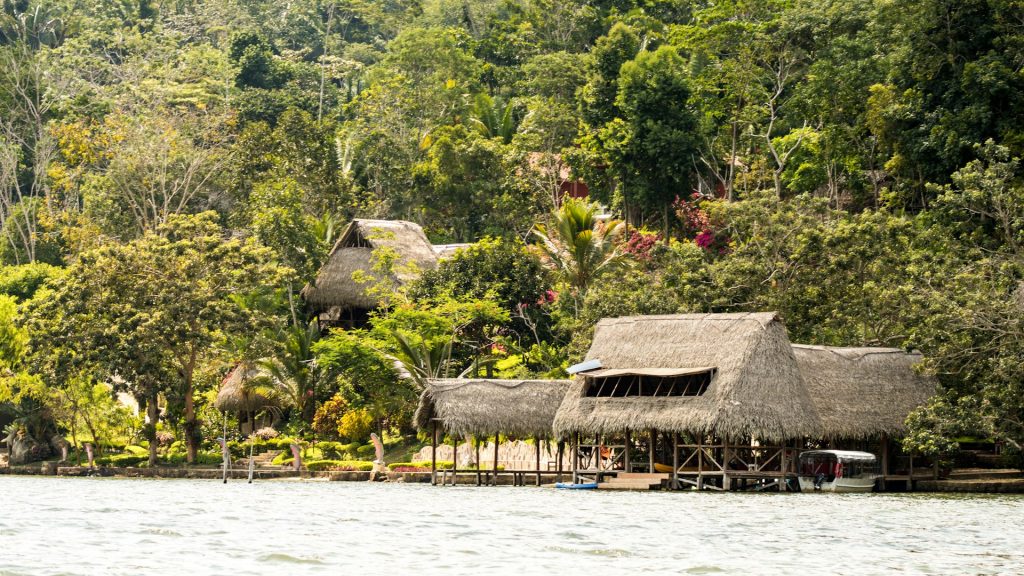
Tambopata Research Center sits deep in Peru’s Amazon, reached by river and wrapped in uninterrupted forest. With little outside noise, calls feel close to the source. Night comes quickly, and the camp settles into a hush that makes every sound count. Sleep feels lighter, more aware than tense.
After dusk, the river corridor and small clearings help voices travel. Howler monkeys can boom from far canopy and still feel near, while frogs and insects hold a steady pulse below. Headlamps stay low on walks, and listening does the work.
On calm nights, the same call returns a beat later, softened by leaves, as if the forest is answering itself.
Inkaterra Reserva Amazónica, Peru
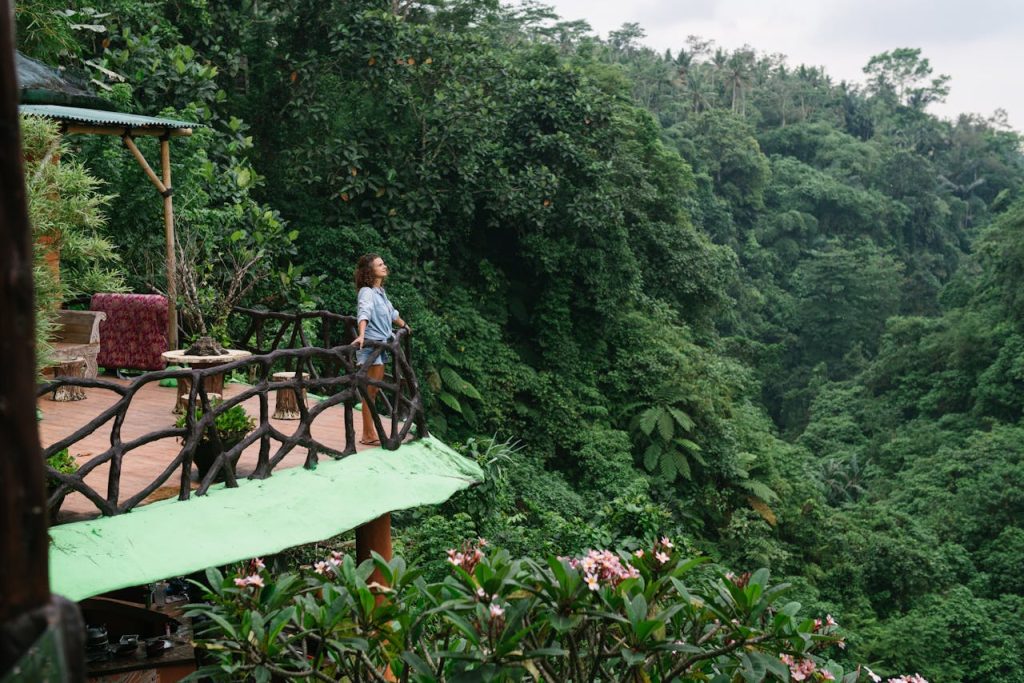
Inkaterra Reserva Amazónica sits along Peru’s Madre de Dios River, with wood-and-thatch cabanas set in dense green near the water. The open-air design invites the forest in, so the night is heard as much as felt. Lanterns stay warm and low, and the dark takes over fast.
The broad river works like a sound lane. A low primate call can glide across the channel, then return with a softer echo from the opposite bank. Rainy-season humidity can make that echo hang longer, while frogs and night birds stitch the gaps.
By late evening, even distant voices seem nearby, not because they are louder, but because nothing competes with them at all.
Sacha Lodge, Ecuador
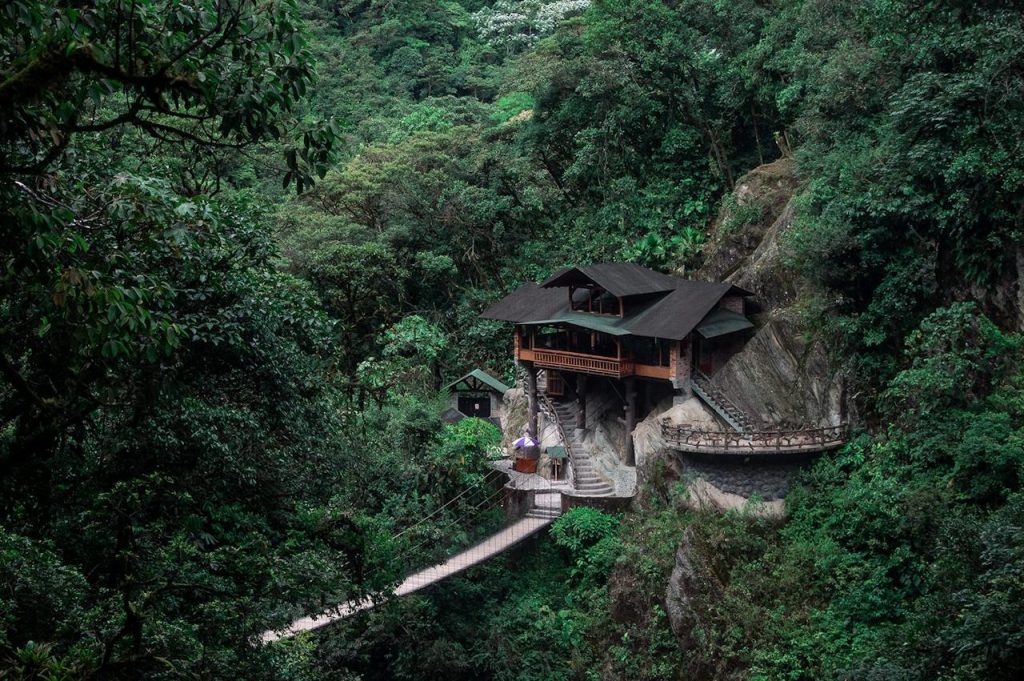
Sacha Lodge lies in Ecuador’s Amazon, reached by the Napo River and set beside a calm lagoon. Cabins sit close to water, and a canopy walkway rises into the treetops, giving sound two levels to travel. After dinner, the paths go dim, and the jungle takes the lead.
At night, the lagoon edge reflects voices the way glass reflects light. A call that starts deep in the canopy can skim open water, then return sharper, like a reply. Insects keep a steady hum, while owls and nightjars drop in clean, spaced notes.
From a tower platform, distance becomes audible. Answers arrive from different heights, and the forest feels wide, not loud.
La Selva Amazon Ecolodge, Ecuador
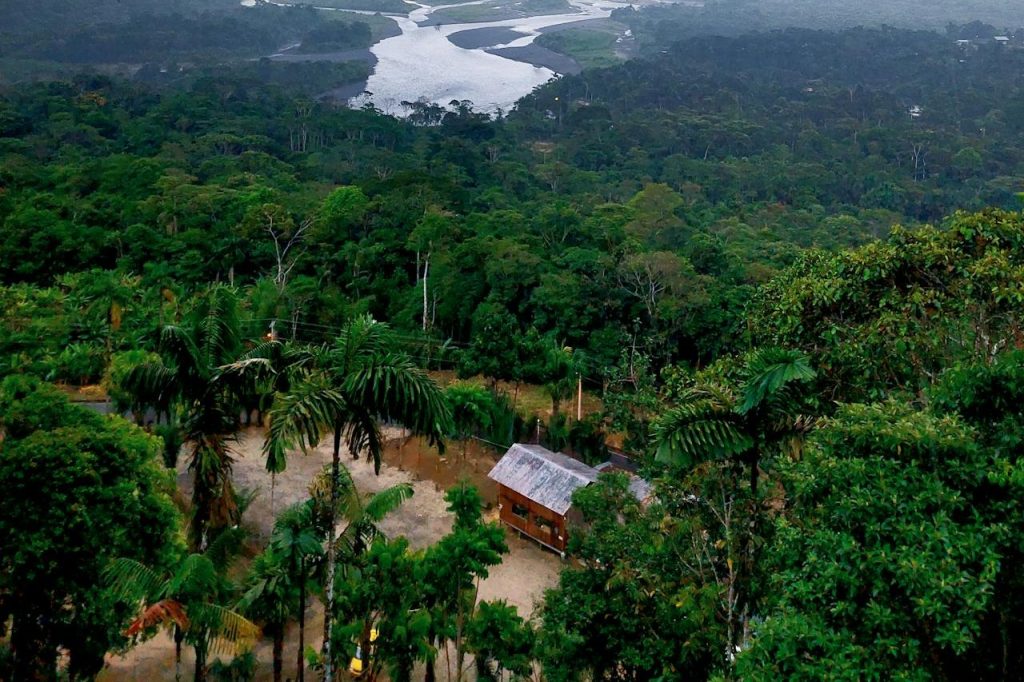
La Selva sits on Ecuador’s Napo River in the humid lowland forest near Yasuní. The setting is wet, green, and acoustically busy, and the simple, airy build does not try to seal the night out. Fans and screens keep things comfortable, but the forest comes through.
Once darkness settles, river air cools and carries sound along the shoreline. Calls can move down the waterline, then bounce back from the opposite forest edge with a hollow tint. Frogs rise in waves from hidden pools, and night birds thread short phrases between them.
The effect is steady and immersive. The jungle does not switch off; it changes instruments, then keeps playing.
Napo Wildlife Center, Ecuador
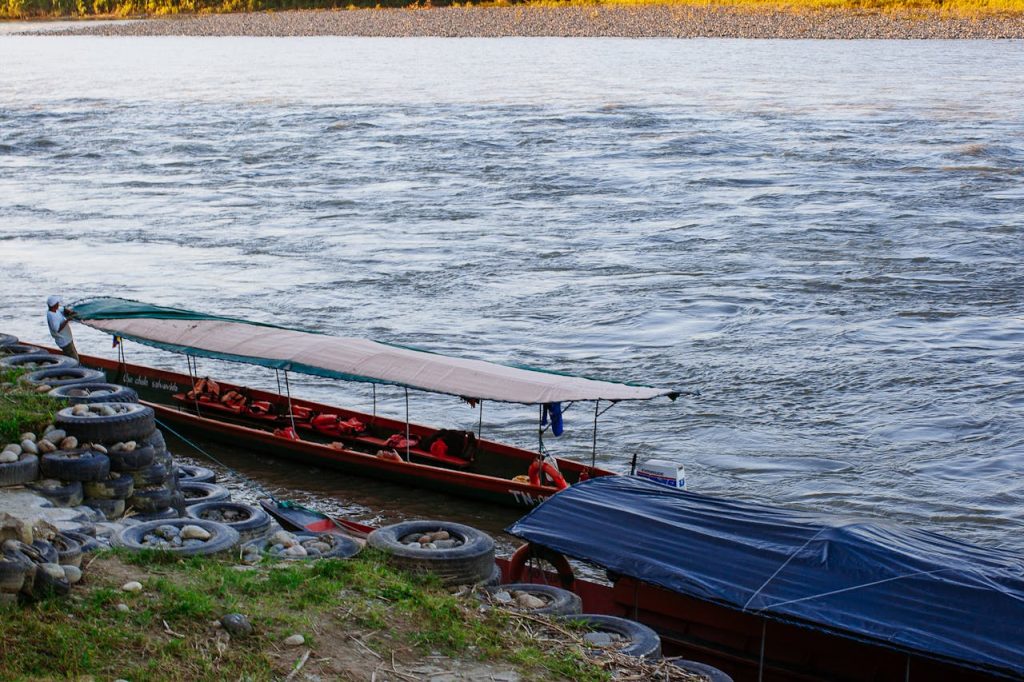
Napo Wildlife Center sits within Ecuador’s Yasuní region, overlooking a large lake bordered by thick forest. Travel by canoe and foot helps keep the soundscape clean, so small noises matter. The lodge rhythm is unhurried, with early lights and quiet paths.
At night, open water acts like a mirror for voices. A low primate call can skim across the lake, then return toward the lodge with a crisp, hollow edge. Insects hold a constant base line, while frogs rise and fall in pulses that feel timed.
Direction can blur, especially in mist. A call seems to come from one shore, then answers from the other, and the pause between them feels deliberate.
Cristalino Lodge, Brazil
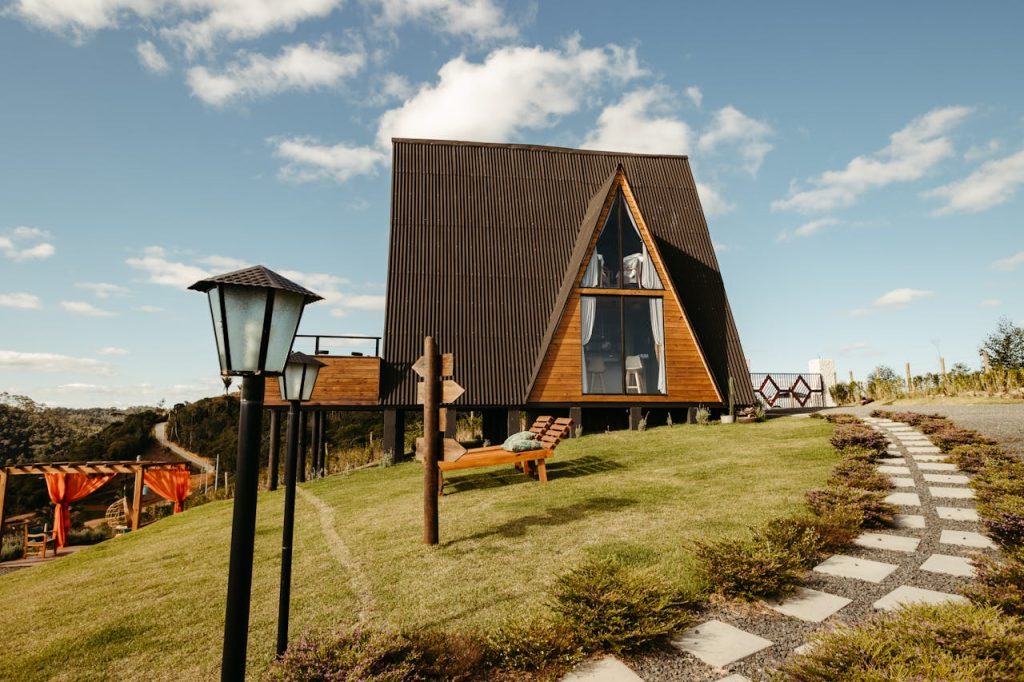
Cristalino Lodge sits near a clear river in Brazil’s southern Amazon, set within protected forest that stays quiet after dark. Observation towers and river trails make it a place where listening is part of the plan, not an accident.
At night, water carries the low notes, and leaves scatter the high ones. A single call can arrive in pieces, then rejoin as an echo from a different direction. The steady insect chorus keeps everything stitched together, so even long gaps feel alive.
From a balcony, distance becomes easy to sense. Voices move across layers of forest, not straight lines, and the return echo marks the space clearly again.
Awasi Iguazú, Argentina
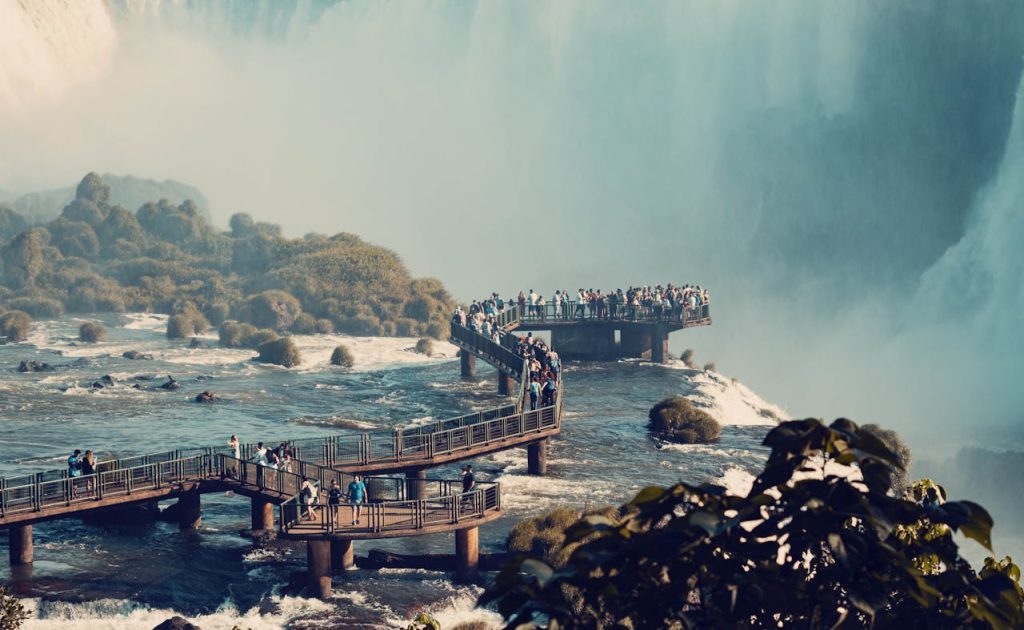
Awasi Iguazú sits in Argentina’s Atlantic Rainforest, where humidity keeps sound suspended and thick understory hides the source. Villas are spaced apart, which gives the night room to unfold without human noise stacking on top.
Insects build a dense hum, then step back as birds and mammals trade shorter calls. A monkey vocalization can stretch between trunks, rebound, and return softer, like a second voice. After rain, leaves drip steadily, and that quiet percussion makes every deeper note feel sharper.
The feeling is not intensity for its own sake. It is clarity, a night soundtrack that stays layered and readable even when it echoes.
Pacuare Lodge, Costa Rica
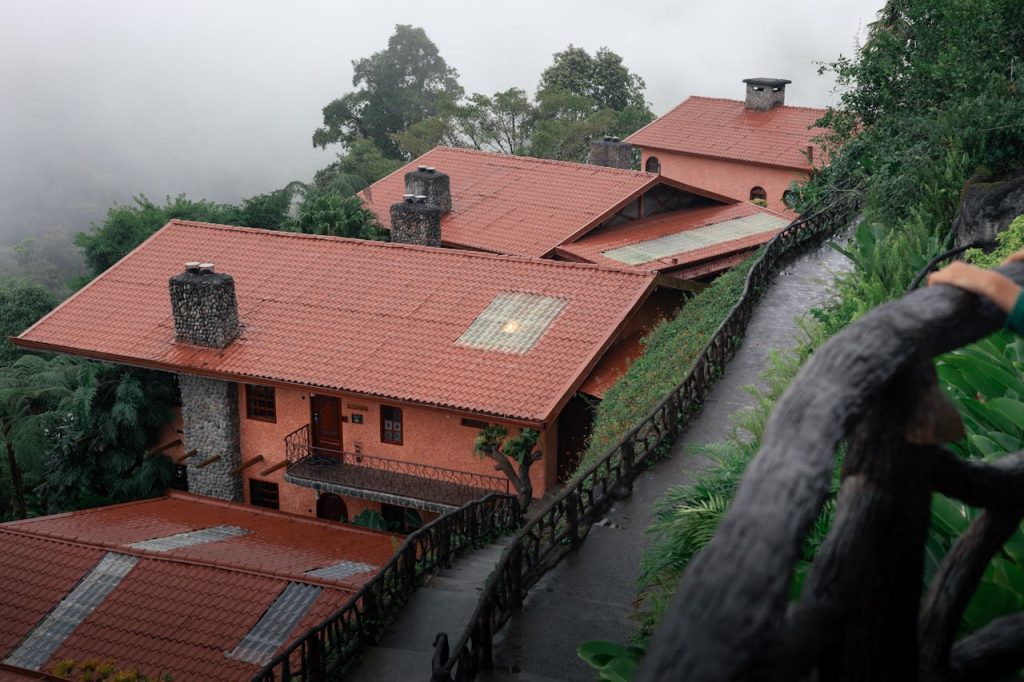
Pacuare Lodge rests beside a rainforest river in Costa Rica, often reached by raft, with no road noise to dull the edges. The water becomes the background, a low rush that the forest can speak over. Rooms stay airy, so the night carries straight inside.
After dark, frogs and insects settle into a repeating rhythm, while owls and night birds punctuate the gaps. When a deeper call comes from the valley, the river carries it along the bend, then throws it back with a faint echo from the opposite bank.
Rain can shift the whole mix in minutes. Drops on broad leaves sharpen the silence, and the next animal call lands like a clear sentence.
Lapa Rios Lodge, Costa Rica
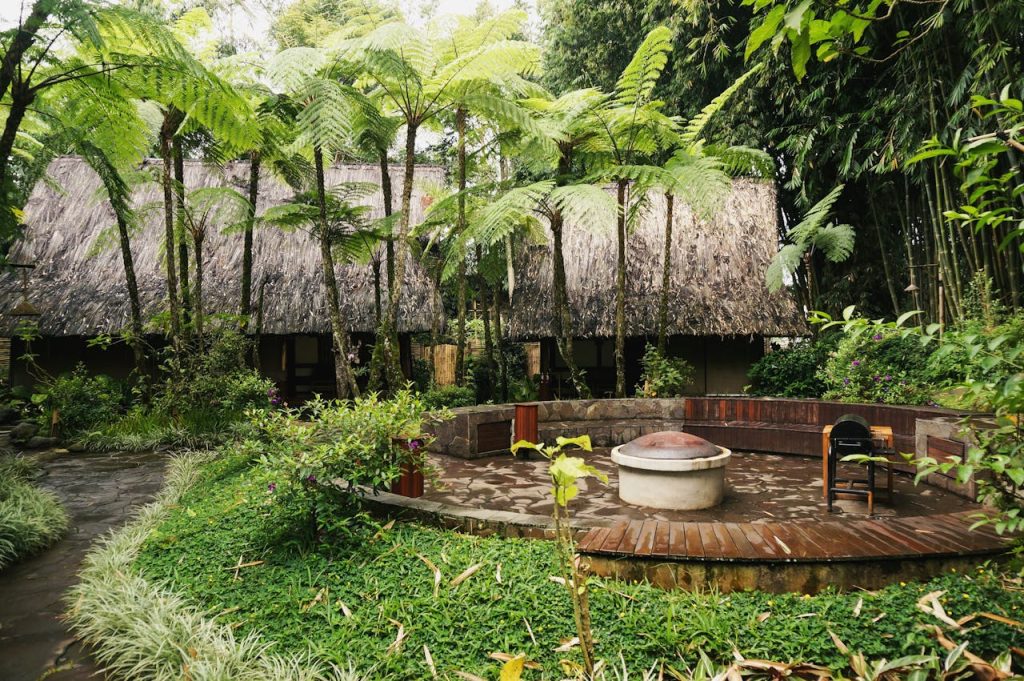
Lapa Rios sits on Costa Rica’s Osa Peninsula where rainforest drapes over ridges above the Pacific. The open-air style keeps the boundary thin, and the slope gives sound a path across valleys. Lights stay low, and evenings end early.
Before dawn, deep primate calls can roll across the hills and arrive like a wave. Ocean hush sits underneath, which makes each roar feel cleaner, then the forest fills back in with insects and frogs. When the air is still, echoes return from the next ridge with a softer edge.
By midnight, the mix feels familiar. The ridge holds the chorus in place, and the night sounds less like mystery and more like place.
Mashpi Lodge, Ecuador
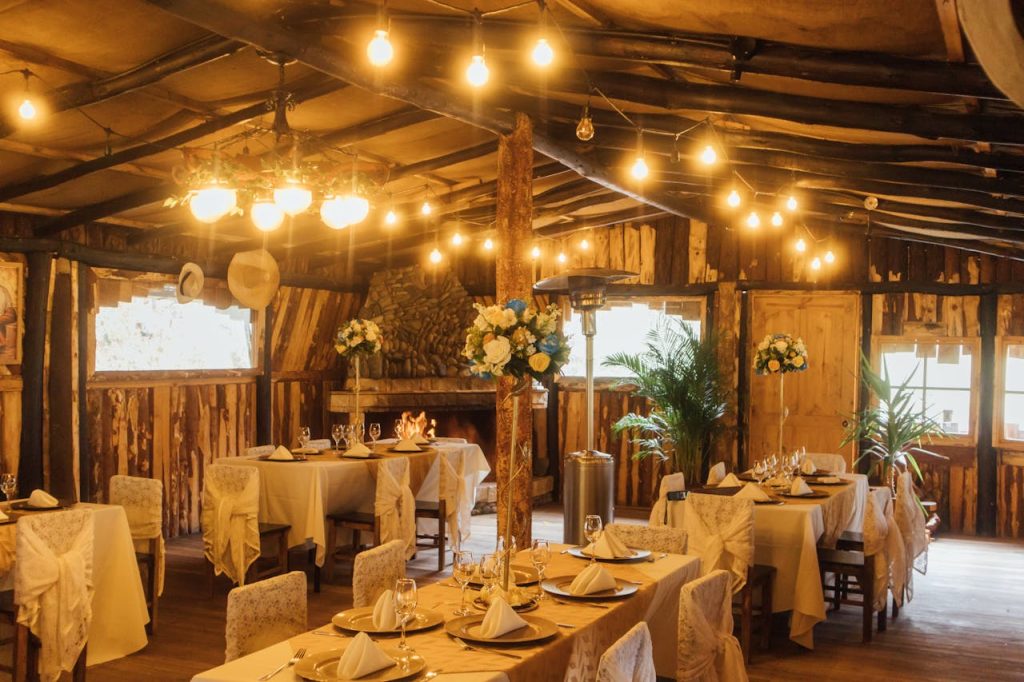
Mashpi Lodge sits in Ecuador’s cloud forest, where cool air and constant moisture reshape how sound travels. Mist blurs sightlines, but it can sharpen listening, because sources hide while voices still carry. Outdoor lighting is kept minimal.
Night walks often focus on frogs, insects, and nocturnal birds that call from unseen perches. Short notes bounce between wet leaves, then gather into a thicker chorus that feels close even when it is spread out. In fog, direction can slip, and an echo can sound like an answer.
By morning, the same valley feels calm. The night chorus reads less like drama and more like the forest keeping routine.
Borneo Rainforest Lodge, Malaysia
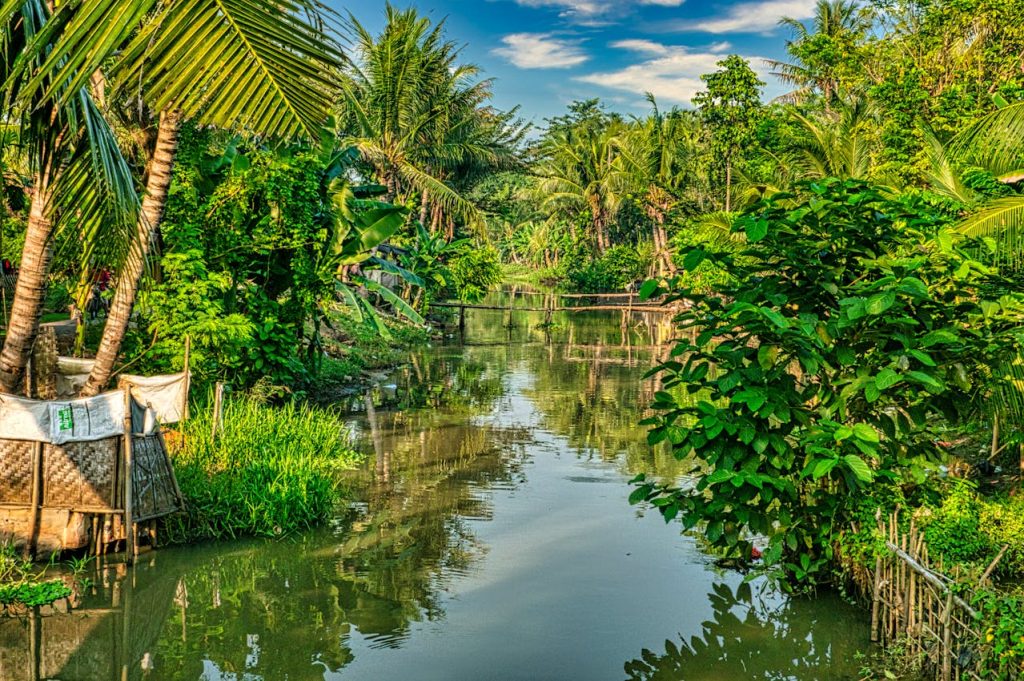
Borneo Rainforest Lodge sits in Sabah’s Danum Valley, where old-growth forest and a broad river create a natural sound chamber. With few signs of nearby towns, the night arrives with its full range intact. Raised walkways keep movement gentle.
Insects start first, then frogs and night birds layer in. Deeper calls from unseen mammals can drift along the river corridor, then return with a faint echo from the opposite bank. The canopy above holds sound, too, so a long note can seem to hover before it fades.
The effect is not constant loudness. It is contrast, moments of hush followed by a single clear call that resets the whole mood.
Kabini River Lodge, India
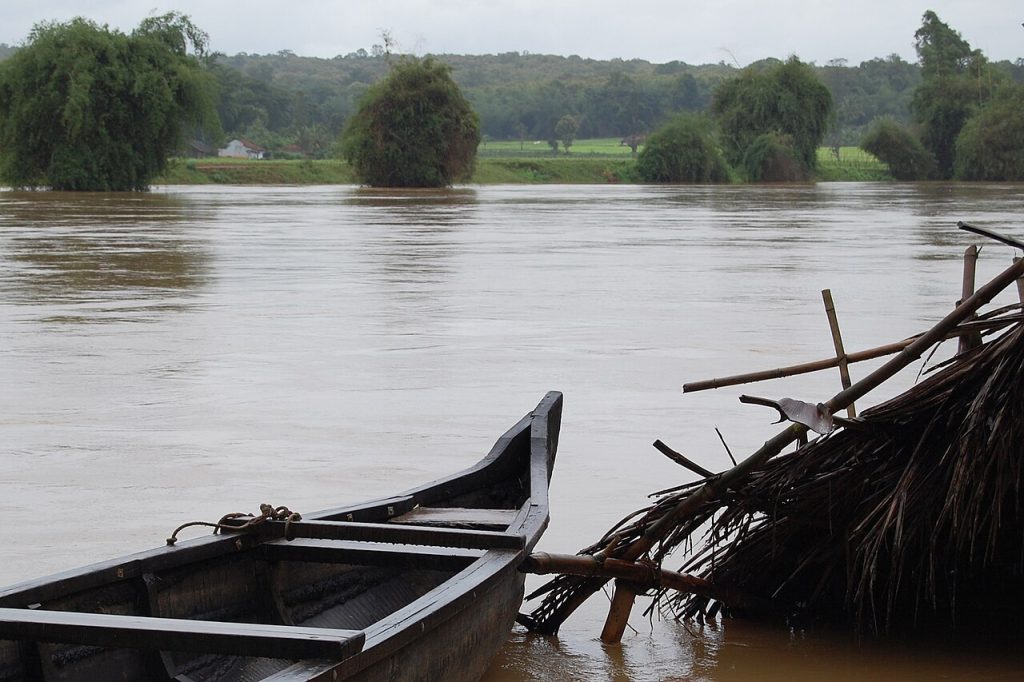
Kabini River Lodge sits near the backwaters of the Kabini in southern India, where forest meets wide, still water. After safaris end, engines stop, and the property quiets quickly. That calm gives space for wildlife voices to travel.
Across a flat channel, sound carries cleanly, then returns from the treeline with a slight echo. Deer alarms, night birds, and the steady churn of insects can blend into a low, continuous chorus. On some nights, a jackal call threads through and gets repeated by the water’s edge.
The lodge does not need spectacle to feel wild. The backwater does the work, turning distance into something audible and close.