Why These 8 Adventure Parks Plummet in Poor Weather
Ride safety engineers, meteorologists, and park operations managers all tend to describe the same reality. Outdoor thrill parks run on tight safety margins that depend on stable wind, dry running surfaces, reliable visibility, and predictable lightning risk. When weather shifts, the smartest decision often looks like a slowdown, a hold, or a full stop.
State ride inspectors and maintenance teams also point out that “bad weather” rarely means one thing. Wind can trip lift and coaster limits, rain can change braking performance, heat can stress equipment and guests, and lightning protocols can clear entire zones quickly. The park might look open from the parking lot while the ride lineup quietly shrinks.
The parks below share a common profile that experts watch closely. Each one features big, exposed hardware and outdoor circulation that amplifies weather impacts, so a rough forecast can change the day’s operating reality fast.
Cedar Point In Sandusky Ohio
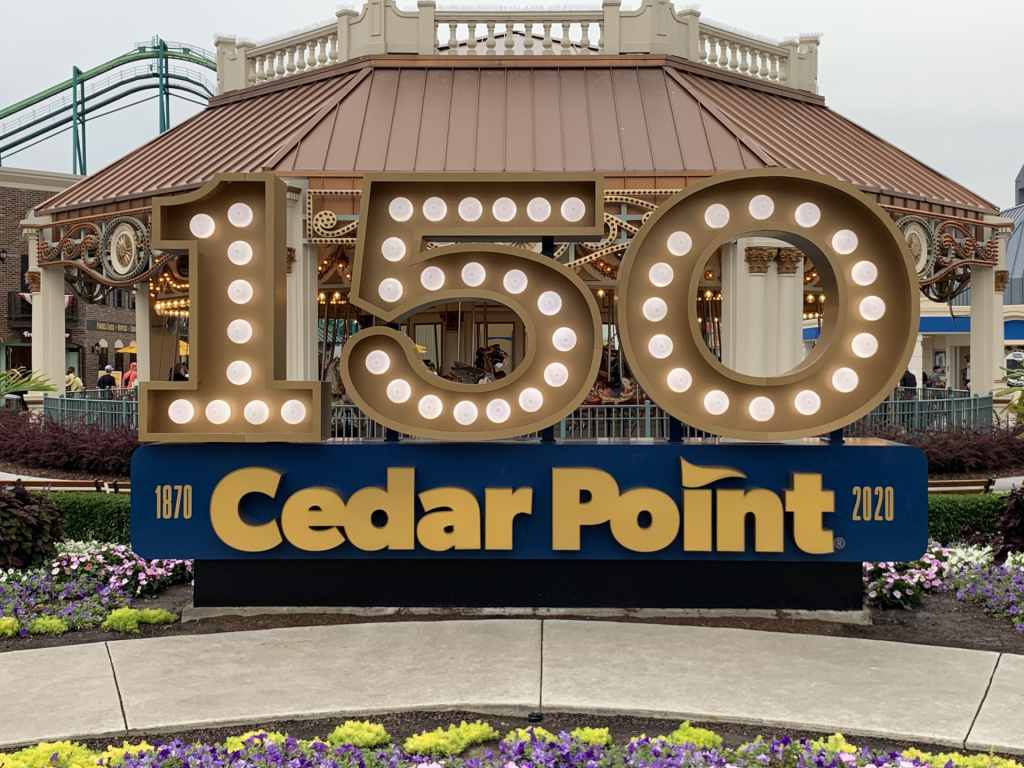
Cedar Point sits on a narrow peninsula on Lake Erie, and that geography makes weather feel immediate. Lake wind can arrive with little warning, and fast-moving storm lines can turn a warm afternoon into a lightning-aware evening. For a park built around tall coasters and wide-open midways, exposure becomes the story.
Ride engineers design modern coasters with conservative operating envelopes, and wind can push a ride outside that envelope even when the sky stays blue. Operators often slow dispatches or pause trains to keep motion within safe parameters, and those small decisions ripple into long waits and uneven throughput. The day can feel like it “plummets” because the park’s signature rides carry the most weather sensitivity.
Maintenance teams also think about wet weather as a performance issue, not just a comfort issue. Rain can change how wheels and brakes behave, and crews may hold rides until track and sensors read as stable. The result can look inconsistent to guests, but it follows a predictable engineering mindset that favors repeatable conditions over optimistic guesswork.
Six Flags Magic Mountain In Valencia California
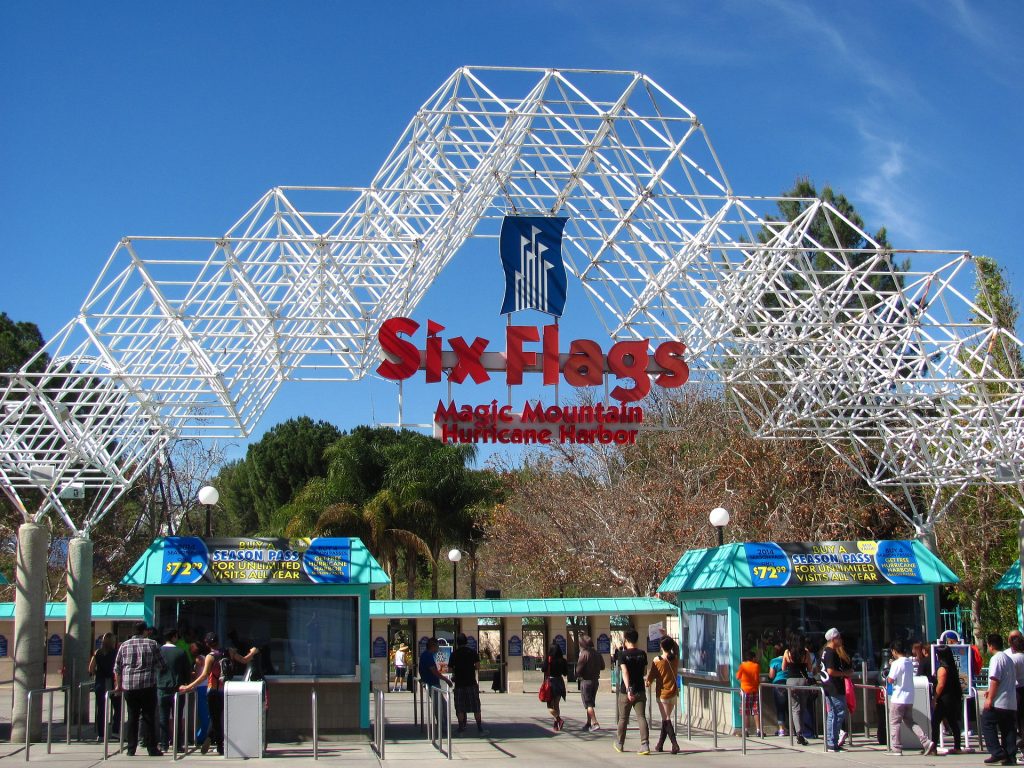
Magic Mountain sits in the hills north of Los Angeles, where weather swings can arrive in a different form. Wind events can sweep through canyons and over ridgelines, and dry conditions can carry dust that reduces comfort and visibility. The park’s skyline of tall coaster supports turns those gusts into an operational factor.
Operations managers often treat wind as the most disruptive variable here. High, exposed lifts and crests can push trains into a ride control system’s caution zone, which can trigger slower cycles or a pause. Even when rides remain technically safe, parks may choose conservative holds to avoid repeated resets, guest strain, or stressful loading conditions.
Heat brings a second set of constraints that safety staff take seriously. High temperatures can stress guests in long queues, and parks may adjust pacing, staffing, or attraction priorities to reduce medical calls. A hot, windy day can leave the park open while the experience narrows to shaded areas and indoor options, which changes the feel of the entire visit.
Universal’s Islands Of Adventure In Orlando Florida
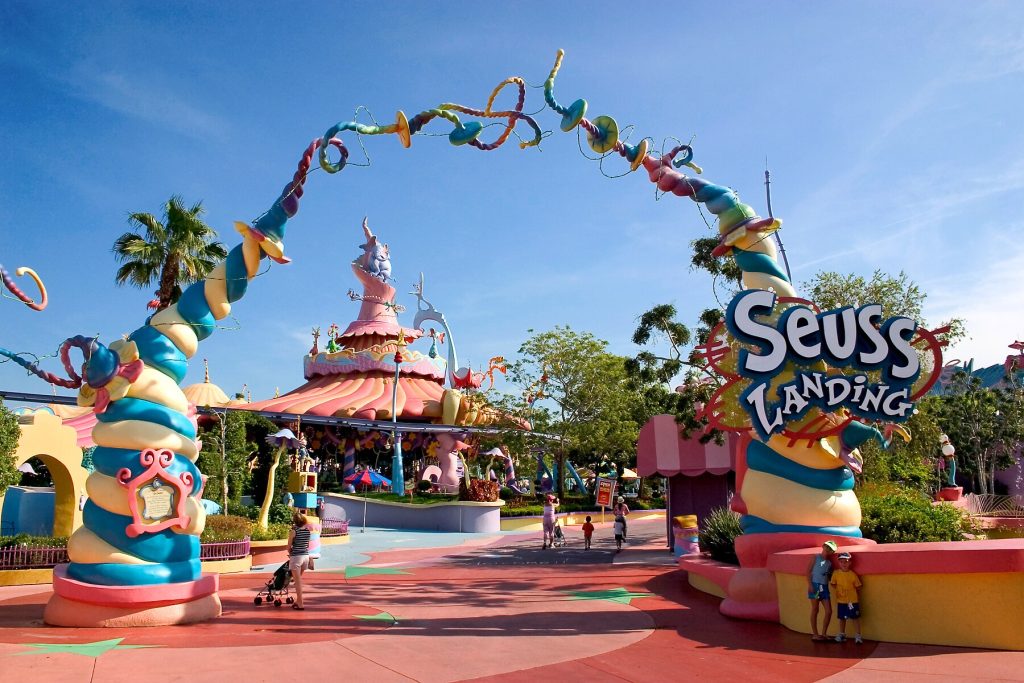
Orlando’s theme park corridor deals with frequent, fast-developing storms, especially in warmer months. Islands of Adventure emphasizes outdoor immersion with large show buildings, tall ride structures, and water-rich zones, which means weather can reshape operations in multiple areas at once. Lightning protocols can force wide clearances and rapid closures, even when rain lasts only a short time.
Safety managers often separate rain from lightning because the operational response differs. Rain can slow outdoor coaster operations and reduce traction on walkways, while lightning can clear ride platforms and some outdoor queues quickly. When storms stack through the afternoon, closures can cycle repeatedly, and the on again off again rhythm creates the feeling of chaos.
Park planners try to buffer this reality with indoor attractions and sheltered circulation, but crowd movement still becomes a challenge. When outdoor rides pause, guests surge toward indoor options, dining, and covered shops, and that compression can make the park feel more stressful than the weather itself.
Disney’s Animal Kingdom In Lake Buena Vista Florida
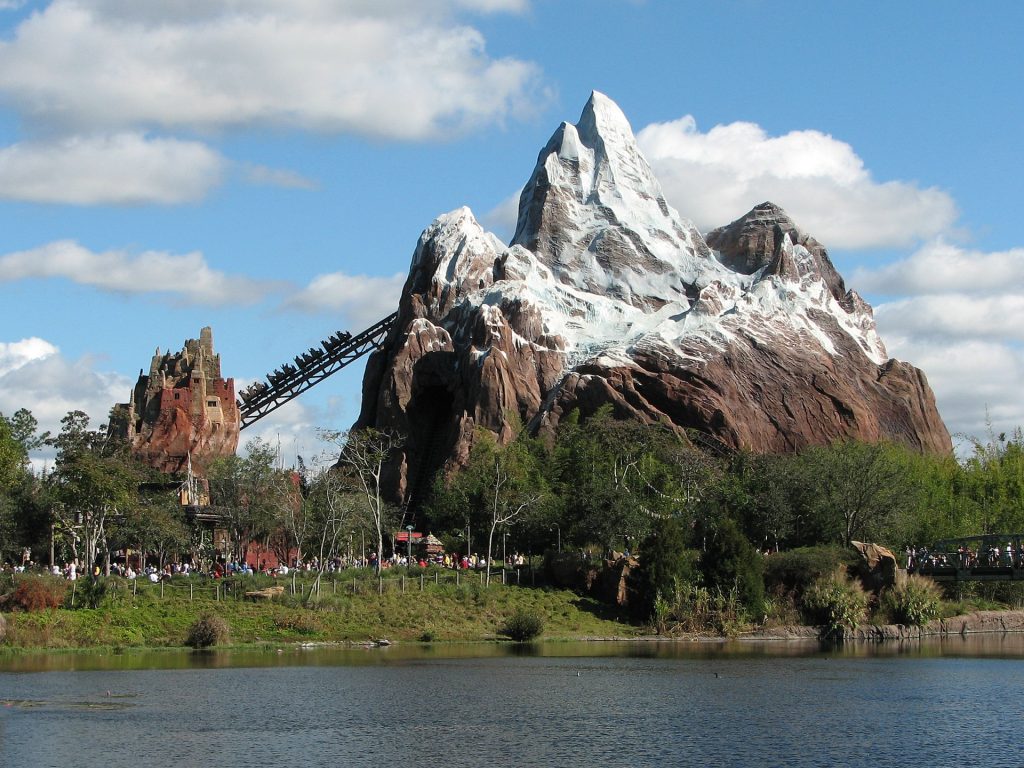
Animal Kingdom spreads guests across large outdoor environments, including trails, open-air viewing areas, and expansive themed pathways. That design feels relaxing in mild conditions, but it also increases exposure when storms roll in. Rain and lightning protocols can disrupt not only rides, but also how guests move comfortably through the park.
Operations teams often approach weather here with a layered mindset. Some attractions rely on outdoor ride systems with safety rules that tighten during lightning, while other areas depend on clear, dry footing and stable visibility. A heavy downpour can reduce the appeal of trails and open spaces, which shifts demand suddenly toward covered shows and indoor dining.
Wildlife care teams also influence how the park responds. Animal well-being takes priority, and staff may adjust routines in response to heat, storms, or uncomfortable conditions. That behind-the-scenes operational care can change timing and availability in ways guests feel without always seeing the reason.
Dollywood In Pigeon Forge Tennessee
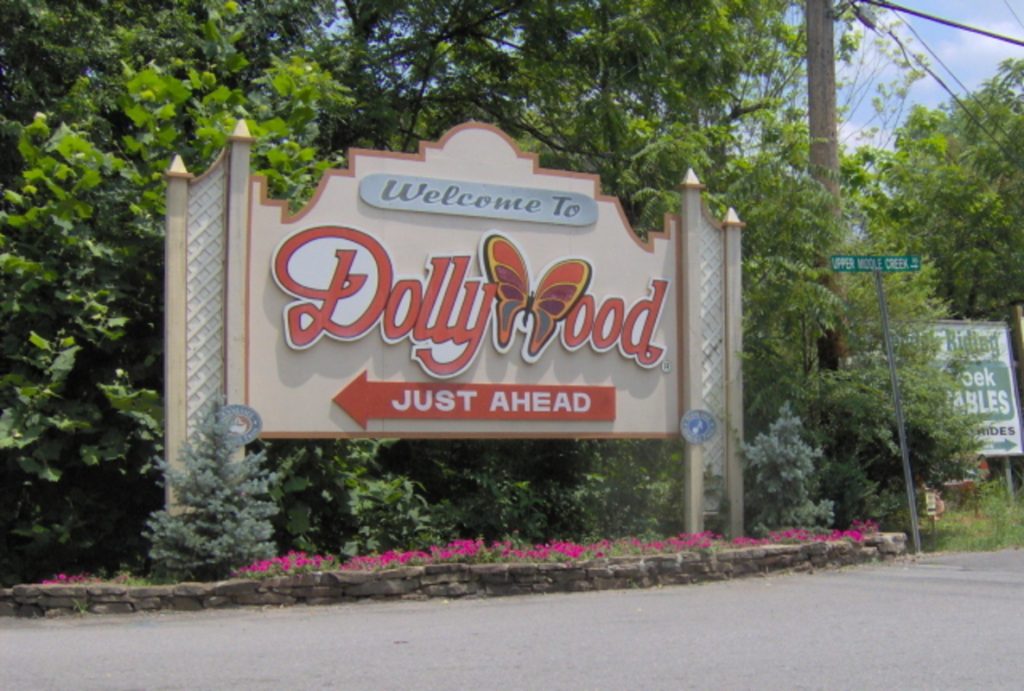
Dollywood sits near the Great Smoky Mountains, and mountain weather rarely behaves like a flatland forecast. Fog can slide into valleys, pop-up storms can form in warm, humid air, and rain can arrive in bursts that quickly soak wooden surfaces. The park’s terrain also includes slopes and elevation changes that can make wet walkways feel more demanding.
Ride mechanics pay special attention to coasters that depend on consistent wheel contact and predictable braking. Wet track and high humidity can change the feel of a run, and operators may slow, pause, or wait for stable conditions before resuming normal cycles. Even when the rain looks light, the park can lose momentum because signature thrills often sit outdoors and on high ground.
Guest experience teams also manage the ripple effects of weather on a hilly park. Rain concentrates crowds in covered zones, and sudden fog can reduce the value of scenic areas that normally relieve congestion. When the terrain already encourages slower walking, a wet day can compress time and increase frustration across the whole property.
Silver Dollar City In Branson Missouri
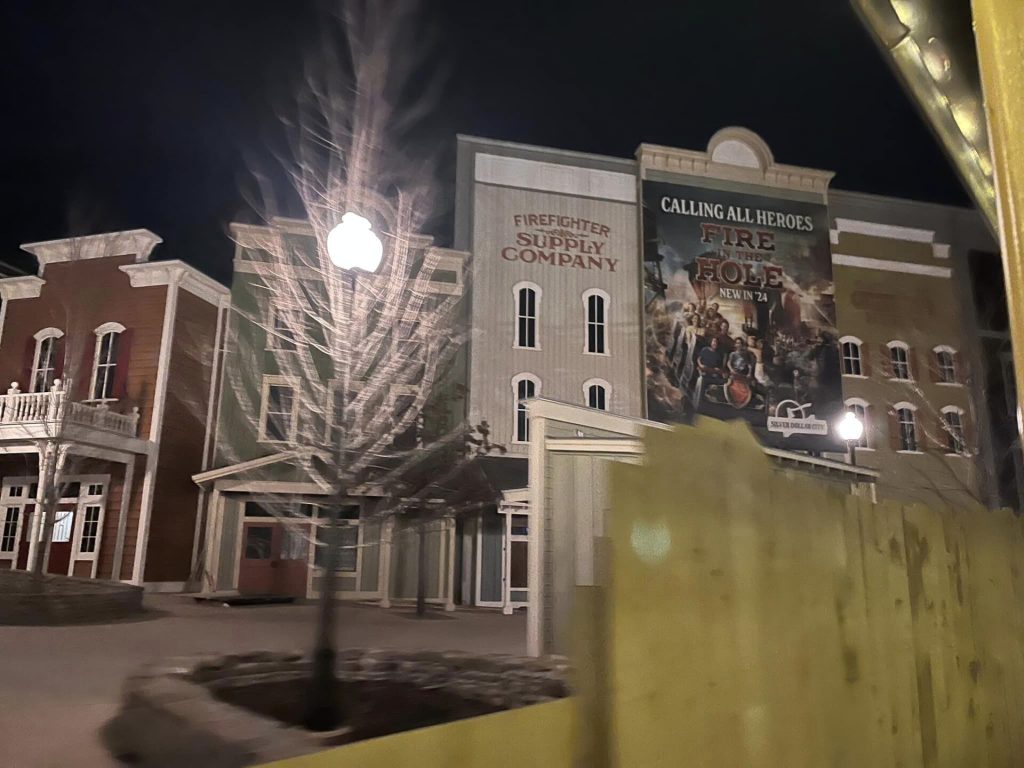
Silver Dollar City sits in the Ozarks, where spring and summer can bring energetic storm systems. Lightning risk and heavy rain can arrive with limited warning, and strong bursts of wind can move through wooded ridges. The park’s blend of coasters, water attractions, and open-air shows makes weather a direct influence on what stays available.
Operations leaders often describe storm days as a sequencing problem. When a ride pauses, guests shift to the next best option, and those shifts can overload dining, indoor venues, and covered queues quickly. A park can feel half-closed even when many attractions technically remain open, because the most capacity-rich rides might be the ones that weather interrupts.
Maintenance and safety staff also watch how water behaves on a hillside park. Drainage patterns, slick surfaces, and visibility all affect safe movement, especially during sudden downpours. When weather turns the paths into the main challenge, the park experience drops even if the rides rebound later.
Glenwood Caverns Adventure Park In Glenwood Springs Colorado
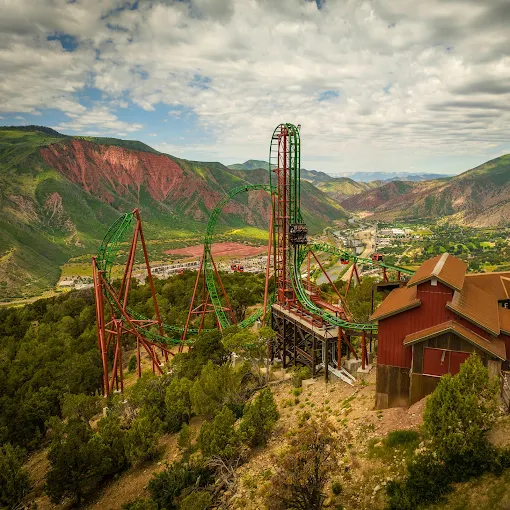
Glenwood Caverns Adventure Park sits high above the town of Glenwood Springs, and elevation changes the weather conversation. Temperature can swing quickly, winds can build across exposed slopes, and afternoon storms can bring lightning that feels closer in mountain terrain. The setting creates spectacular views, but it also places rides and walkways in the open.
Ride safety engineers treat wind and lightning at elevation as serious operational triggers. Exposed attractions like alpine coasters, swings, and open-air rides can face tighter limits because wind affects rider comfort and restraint dynamics. Lightning protocols can also clear ridgelines quickly, which reduces the lineup in a way that feels sudden.
Operations teams plan for this with conservative calls and clear shelter options, but the visitor experience can still shift sharply. When weather closes outdoor rides, the park’s indoor cave experiences may carry the day, and that changes the feel from thrill-forward to tour-forward in a matter of minutes.
Busch Gardens Williamsburg In Williamsburg Virginia
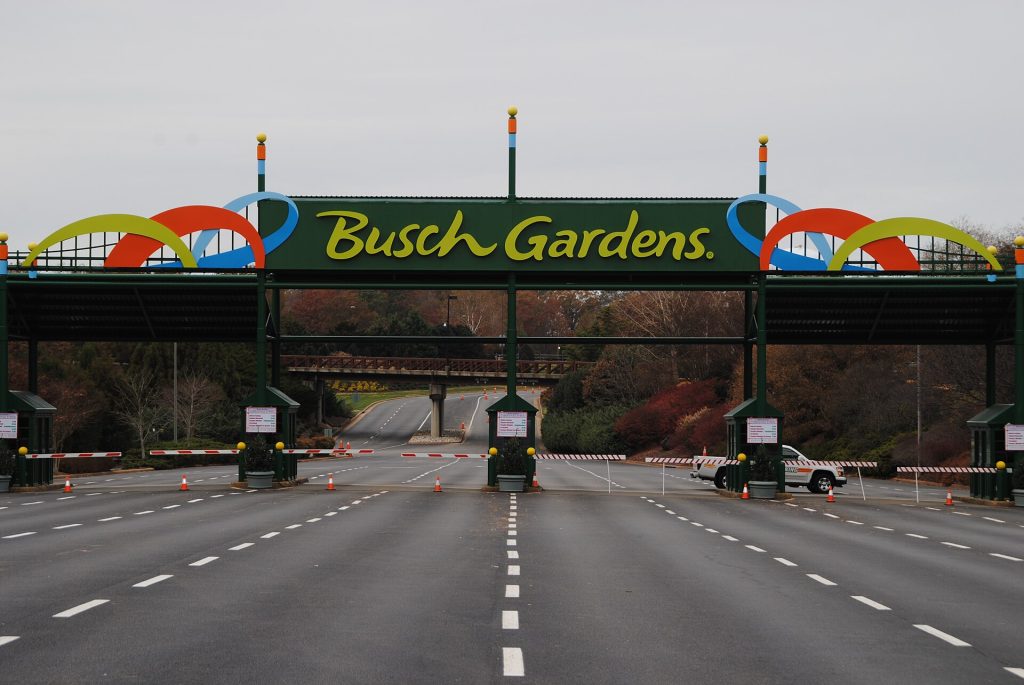
Busch Gardens Williamsburg combines large outdoor coasters with water features and broad pathways, and Mid-Atlantic weather can shift rapidly. Humidity can build into afternoon storms, wind can rise ahead of fronts, and temperature swings can affect both guests and equipment. The park’s layout makes weather effects visible because so much of the experience sits outdoors.
Operations managers often focus on lightning and wind as the main ride interrupters. Tall lifts and open platforms increase exposure, and conservative holds protect riders and staff when conditions turn uncertain. Even a brief storm can reshuffle crowds, since guests cluster under cover and then surge outward when the sky clears.
Guest flow becomes its own weather story here. Wet conditions can slow walking and increase slip concerns, which can reduce how quickly crowds redistribute. When the park’s biggest rides pause at the same time, the remaining attractions absorb demand unevenly, and the day can feel smaller than the map suggests.