Why These 8 Luxury Resorts Breed Mosquito-Borne Illnesses

Vector control specialists and tropical medicine experts have identified a concerning trend within the high-end hospitality sector. While luxury resorts promise immersion in nature and pristine tranquility, the very design elements that define these exclusive escapes often create ideal conditions for disease-carrying insects. Entomologists explain that lush landscaping, decorative water features, and open-air architecture can inadvertently mimic the natural breeding grounds of Aedes aegypti and Anopheles mosquitoes.
Public health officials note that the problem is exacerbated by the geographic isolation of many top-tier properties. Resorts located in dense jungles or on remote islands frequently border unmanaged wilderness where mosquito populations thrive without municipal intervention. When these environmental factors combine with the desire for aesthetic perfection over biological safety, guests become unwitting targets. Epidemiology reports indicate that outbreaks of Dengue, Zika, and Chikungunya have been traced back to these specific types of luxury environments where the battle against nature is being lost.
The Rice Terrace Resorts Of Bali

Entomologists studying vector ecology in Indonesia point to the iconic rice terrace resorts of Ubud as a primary hotspot for mosquito proliferation. These properties are often designed to sit directly within or adjacent to flooded paddy fields to offer guests authentic agricultural views. However, agricultural experts warn that the standing water required for rice cultivation provides a massive and continuous breeding ground for the Culex mosquito which is a known vector for Japanese Encephalitis.
The risk is compounded by the architectural tendency to blend indoor and outdoor living spaces. Local health officers note that many villas feature open-air bathrooms and rim-flow pools that merge visually with the infested paddies. While resort staff conduct fogging operations, the sheer volume of surrounding water makes total control impossible. Biologists emphasize that the mosquitoes breed faster than chemical interventions can kill them which leaves guests exposed during the critical dawn and dusk feeding times.
The Overwater Bungalows Of The Maldives
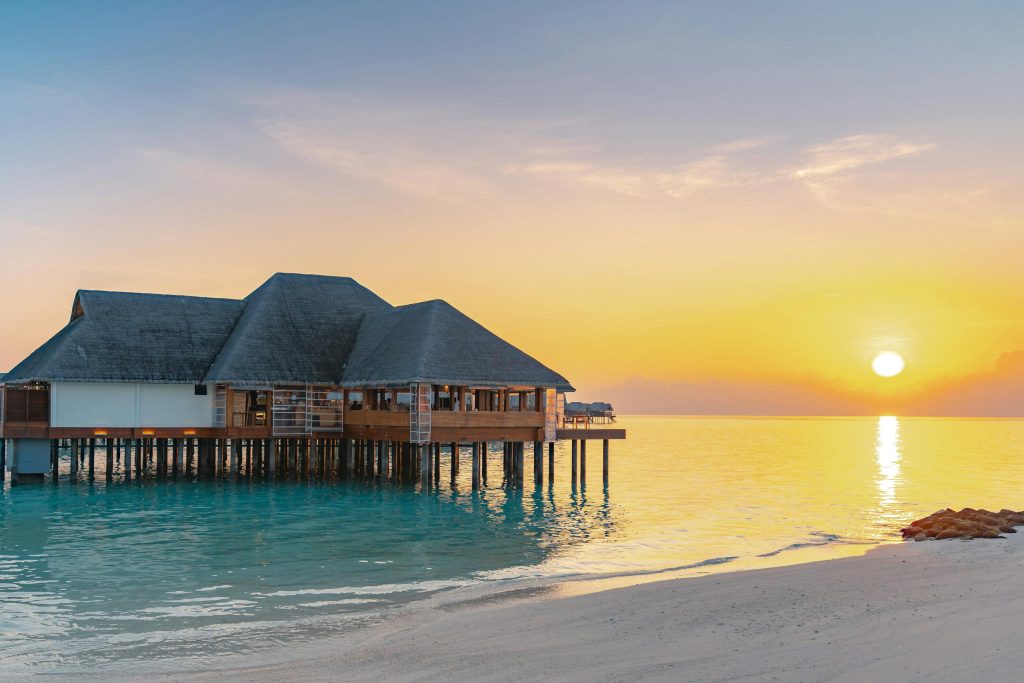
Marine biologists and sanitation engineers have flagged a hidden danger lurking beneath the glamorous overwater villas of the Maldives. While the ocean itself does not support mosquito larvae, the infrastructure required to support these isolated suites often does. Inspection teams have found that freshwater cisterns, utility gaps, and even the small pockets of water that pool on the underside of decking create micro-habitats for larvae.
The isolation of each bungalow means that localized infestations can go unnoticed by groundskeepers until a guest complains. Vector control professionals explain that the shade provided by the walkways and the villas protects the insects from the harsh equatorial sun and allows them to survive in an otherwise hostile marine environment. The use of decorative planters on the decks further exacerbates the issue by introducing freshwater sources directly into the living area of the guest.
The Jungle Eco-Lodges Of Tulum
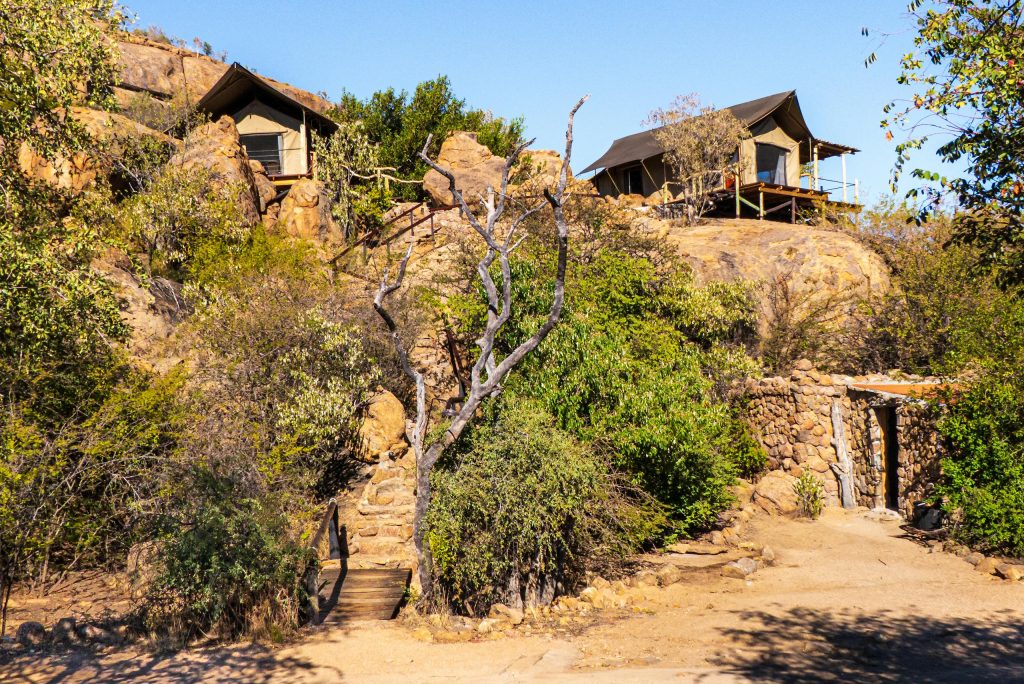
The eco-chic movement in Tulum has prioritized seamless integration with the surrounding Mayan jungle, but tropical disease specialists argue this design philosophy poses significant health risks. Architects often utilize palapa roofs and open-walled structures to promote airflow and reduce air conditioning use. However, this lack of physical barriers allows insects free access to sleeping quarters. Public health data from the Quintana Roo region frequently cites the proximity of these lodgings to untreated mangrove swamps as a critical factor in local Dengue transmission.
Environmental consultants note that the dense vegetation planted immediately around the cabanas to ensure privacy creates a humid microclimate that mosquitoes favor. The native bromeliads and tropical plants used in the landscaping naturally collect rainwater in their leaves. Entomologists refer to these plants as phytotelmata and identify them as prolific nurseries for mosquito larvae. The commitment to using fewer harsh chemicals in these eco-conscious resorts often limits the effectiveness of pest management strategies.
The Golf Course Resorts Of The Dominican Republic

Landscape architects and hydrologists have long recognized that the water hazards defining Caribbean golf resorts serve as major incubators for mosquito populations. In the Dominican Republic, the extensive network of irrigation ponds and decorative lakes required to maintain emerald fairways in a tropical climate provides acres of stagnant water. Maintenance crews often struggle to keep these water bodies moving or treated, especially in the rough areas where vegetation grows thick.
Epidemiologists tracking vector-borne diseases in the Caribbean link the high density of mosquitoes in these resort compounds to the artificial wetland environments created by the courses. The fertilizers used on the grass can leak into the ponds and promote algae growth which provides food for mosquito larvae. Guests staying in villas lining the fairways are subjected to the swarms that emerge from these hazards each evening.
The Rainforest Lodges Of The Amazon
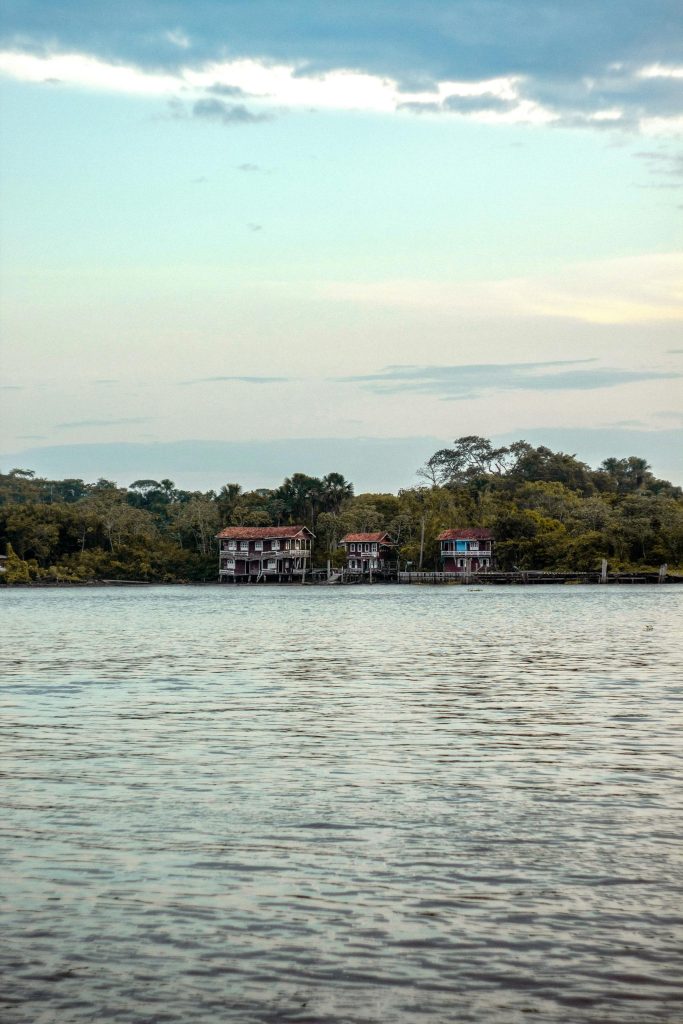
In the deep Amazon basin, luxury lodges attempt to bring five-star comfort to one of the most biologically diverse ecosystems on Earth. Yet infectious disease experts warn that proximity to primary rainforest guarantees exposure to malaria vectors. These resorts are often situated on riverbanks where the water moves slowly or floods seasonally into the surrounding forest floor. This creates the varzea forest environment which is the preferred habitat for the Anopheles darlingi mosquito.
Wilderness medicine guides emphasize that the luxury experience often includes twilight boat excursions and open-air dining which places guests in the vector’s path during peak feeding hours. The thatched roofing materials used to maintain traditional aesthetics can harbor resting adult mosquitoes during the day. Despite bed nets and prophylaxis, the density of the vector population in the surrounding jungle means that any breach in the resort’s perimeter defenses results in immediate exposure.
The Backwater Retreats Of Kerala
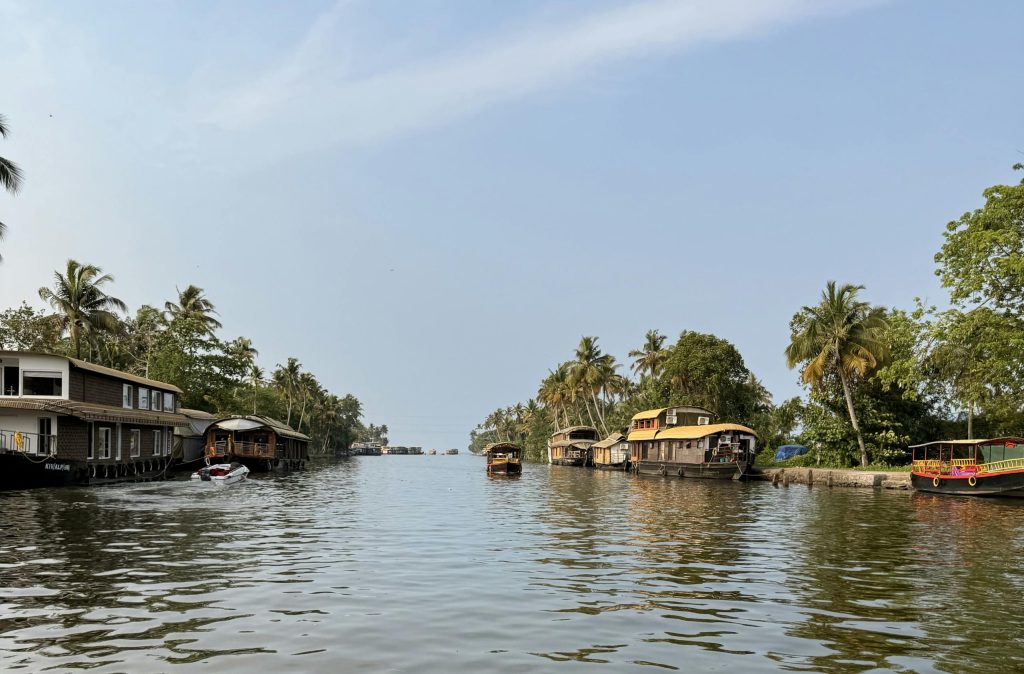
The interconnected network of canals, lakes, and inlets that make up the Kerala backwaters is a major draw for luxury tourism in southern India. However, hydraulic engineers and health officials identify this vast system of brackish and fresh water as a challenge for disease control. The slow-moving nature of the water, combined with the dense coconut groves and paddy fields lining the banks, creates an environment where Chikungunya and Dengue vectors flourish.
Resorts in this region often feature heritage architecture with wooden lattice work and open courtyards that are difficult to screen effectively. Local health authorities report that the houseboats and waterfront villas are frequently inundated with mosquitoes bred in the water hyacinth patches that clog the canals. The proximity of the water to the living quarters means that guests are constantly within the flight range of the insects.
The Pool Villa Resorts Of Thailand
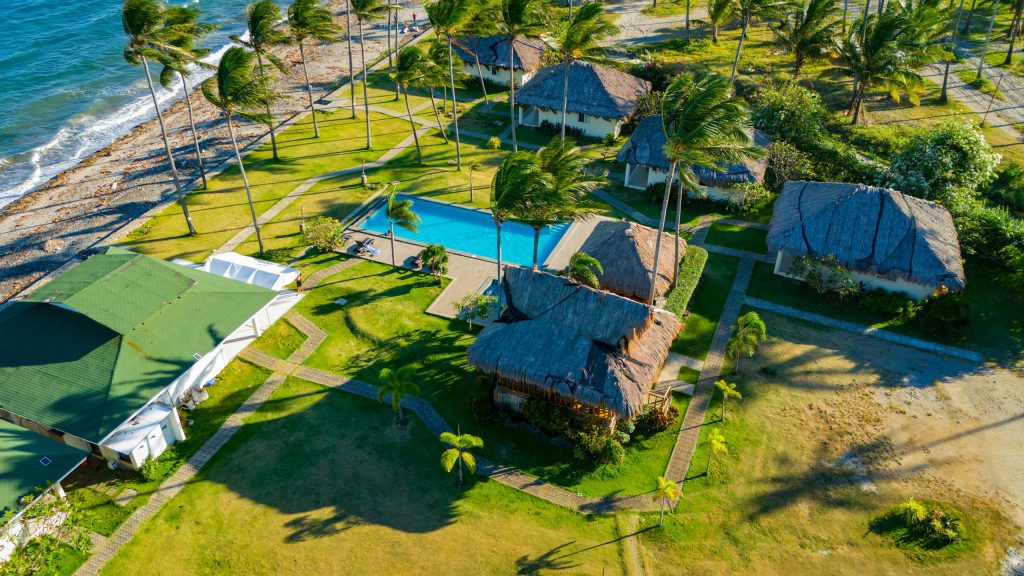
The trend of equipping every private villa with its own plunge pool has transformed the luxury landscape of islands like Phuket and Koh Samui. However, maintenance experts reveal that these thousands of small, decentralized bodies of water are a nightmare for pest control. If a villa remains unoccupied for a few days, the pool circulation is often turned down or off. This turns the luxury amenity into a stagnant pond.
Entomologists in Southeast Asia warn that the decorative urns, birdbaths, and lotus ponds that typically adorn these walled gardens are even more dangerous. These small containers are often overlooked by fogging crews but are the preferred breeding sites for Aedes mosquitoes. The high walls designed for privacy also block the wind which creates still air pockets that allow mosquitoes to track carbon dioxide plumes from guests with ease.
The Cloud Forest Lodges Of Costa Rica
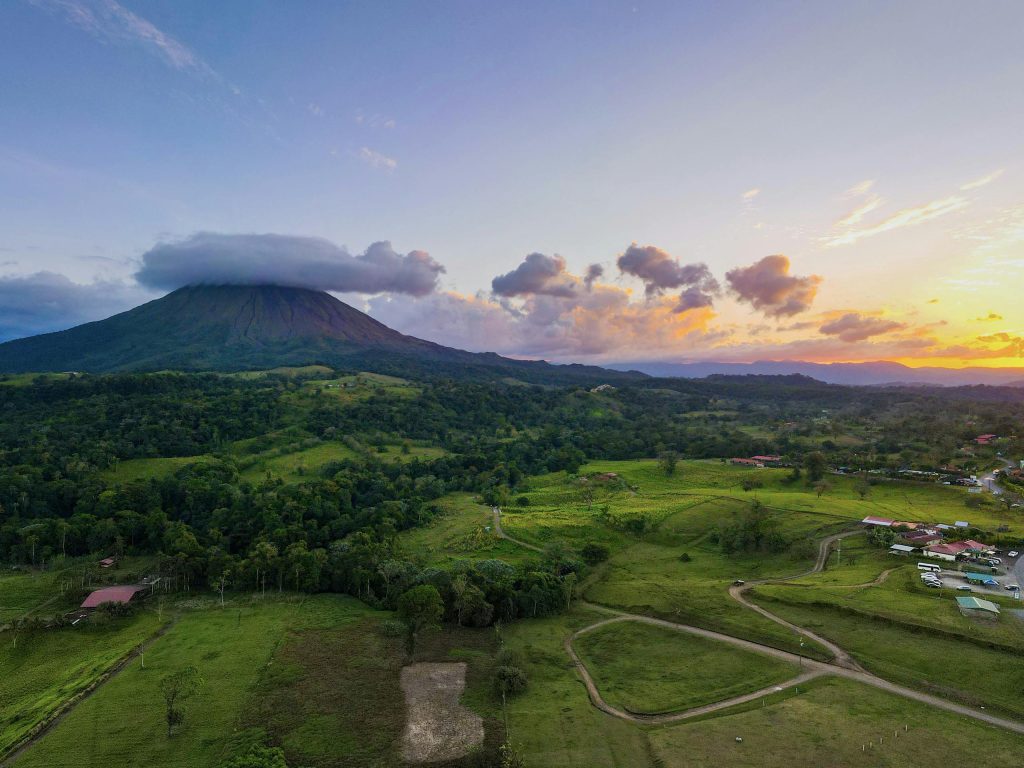
High-altitude luxury lodges in Costa Rica offer respite from the coastal heat, but biologists caution that they are not free from insect risks. The cloud forest environment is defined by constant moisture and mist. This keeps the epiphytic plants that cover the trees permanently wet. Researchers have found that the tank bromeliads growing in the canopy and the gardens of these resorts hold significant amounts of water high above the ground.
This arboreal reservoir system allows mosquitoes to breed vertically throughout the forest layers. Guests on elevated observation decks or balconies are often surprised to encounter mosquitoes at canopy level. The dense canopy cover prevents sunlight from drying out the forest floor and maintains the high humidity levels that adult mosquitoes require to survive. The reliance on natural ventilation in these eco-lodges further reduces the barriers between the guest and the insect-rich environment outside.