Why Travel Feels Better When You Stop Racing the Clock
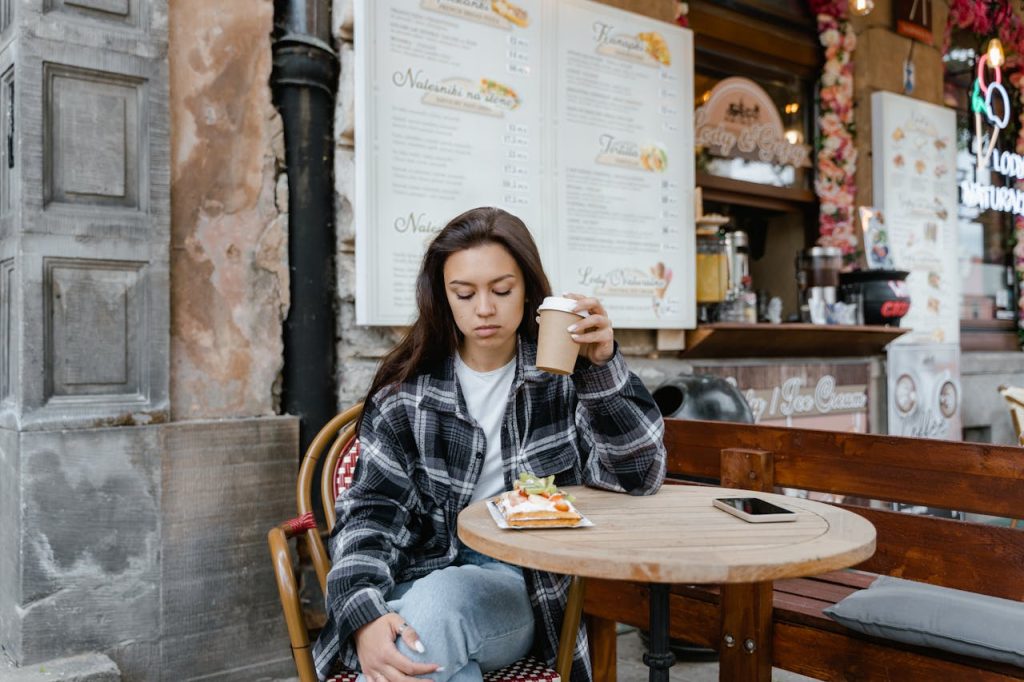
Most trips feel exciting before they begin, but the rush often starts in the planning stage. People stack too many stops into too few days, then wonder why the whole thing feels blurry.
A slower trip does not mean a boring trip. It means there is enough room to actually notice where the day is taking place.
When the clock runs the schedule, even beautiful places can feel like tasks. Meals become pit stops, views become proof, and the body stays tense the whole time.
The best travel memories usually come from moments that had space around them. That is why slowing down changes the trip more than adding one more destination ever will.
The Rush Habit Starts Before the Plane Takes Off
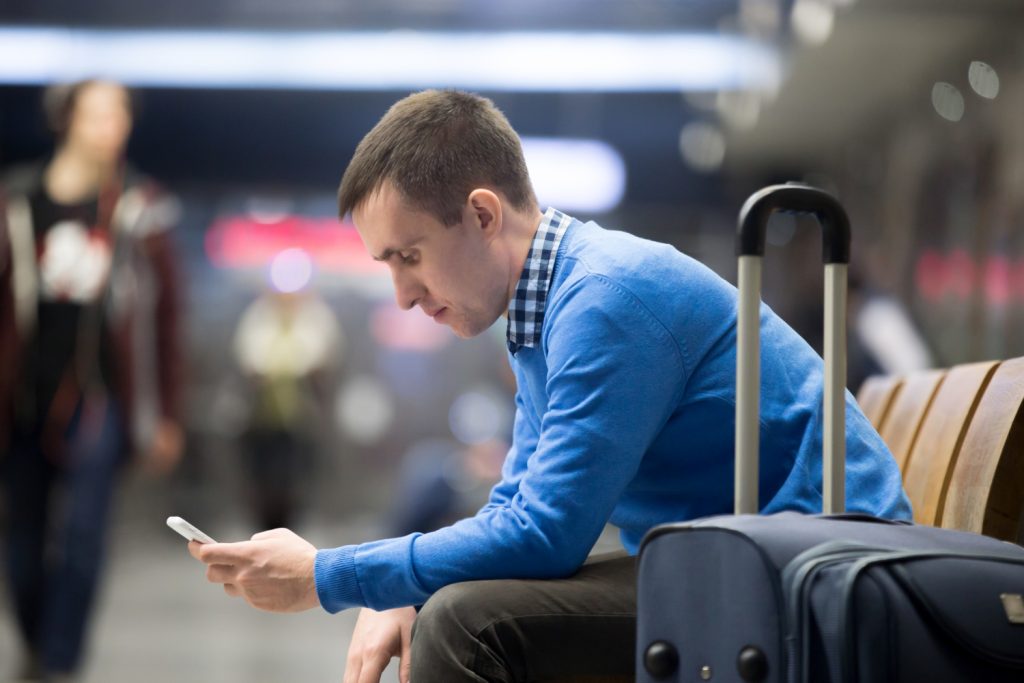
Most rushed trips are built with good intentions and bad pacing. People want to see everything, so they keep adding one more place. By the time the trip starts, the schedule already feels tight.
Travel apps and highlight videos make this worse without people noticing. Every city looks like it can be conquered in a weekend if the timing is perfect. Real life never moves that cleanly.
The problem is not excitement or curiosity. The problem is treating every hour like a test. Once that mindset kicks in, the day stops feeling open.
A slower traveler plans for space, not just movement. That one choice changes the mood of the whole trip. Delays stop feeling like disasters, and the day starts breathing again.
Slower Days Make Places Easier to See
The first thing that changes on a slower trip is what people notice. Streets stop looking like background and start feeling like places with their own rhythm.
A corner bakery, a small park, or a local grocery suddenly becomes part of the memory. These places are not famous, but they often carry the real texture of a city.
Even the light feels different when no one is rushing. Morning, afternoon, and evening stop blending together.
Travelers also start noticing sound in a different way. The hum of traffic, church bells, plates in a cafe, and people talking on balconies all become part of the experience.
That kind of attention does not happen when the day is packed. It needs time and a little stillness. Once it happens, a destination feels more alive.
Famous landmarks benefit from this too, not just quiet neighborhoods. A museum visit feels richer when it is not squeezed between three other stops. People linger longer and remember more.
Slower pacing also helps travelers notice changes within the same place. A square at 9 a.m. feels different at noon and completely different at night. Seeing that shift creates a deeper memory than a quick photo ever can.
This is where a trip starts to feel personal. The traveler is no longer only collecting scenes. They are learning the place through repetition and mood.
Better Decisions Happen When the Day Has Breathing Room

Rushed travel creates rushed decisions, and those choices usually cost money or energy. People grab the nearest meal, pay for the fastest route, and say yes to plans they do not even want.
Slower travel gives the brain a chance to think clearly. A person can compare options, ask one more question, or simply wait before committing.
That small gap improves almost every part of a trip. Meals get better, routes make more sense, and the day feels less chaotic. Even mistakes feel easier to fix.
It also reduces the pressure to force a perfect itinerary. Travelers can drop a weak plan without guilt and save time for something better. That flexibility usually leads to a stronger day.
Local Rhythm Starts Replacing the Checklist
Every place has its own pace, but rushed travelers often miss it. They move through the city with home habits and a timer in their head.
Slower travel lets the day follow the place instead. Morning markets, long lunches, and later evenings stop feeling inconvenient.
This shift makes a trip feel less performative. The traveler is not trying to prove how much was done.
Routine moments become surprisingly meaningful in this mode. Returning to the same cafe or walking the same street twice creates familiarity instead of repetition.
That familiarity changes the emotional tone of a trip. A city starts to feel less like a stop and more like a temporary life. People begin to relax into the day instead of managing it.
Local rhythm also helps travelers make better plans naturally. They learn when shops open, when crowds peak, and when certain neighborhoods feel best. Timing improves without constant effort.
It becomes easier to understand why locals move the way they do. The pace of meals, transit, and social life starts to make sense. That understanding creates respect, not just convenience.
By the end of the trip, the traveler usually feels more connected to fewer places. That trade is worth it. Depth leaves a stronger mark than speed.
Rest Stops Feeling Like Wasted Time
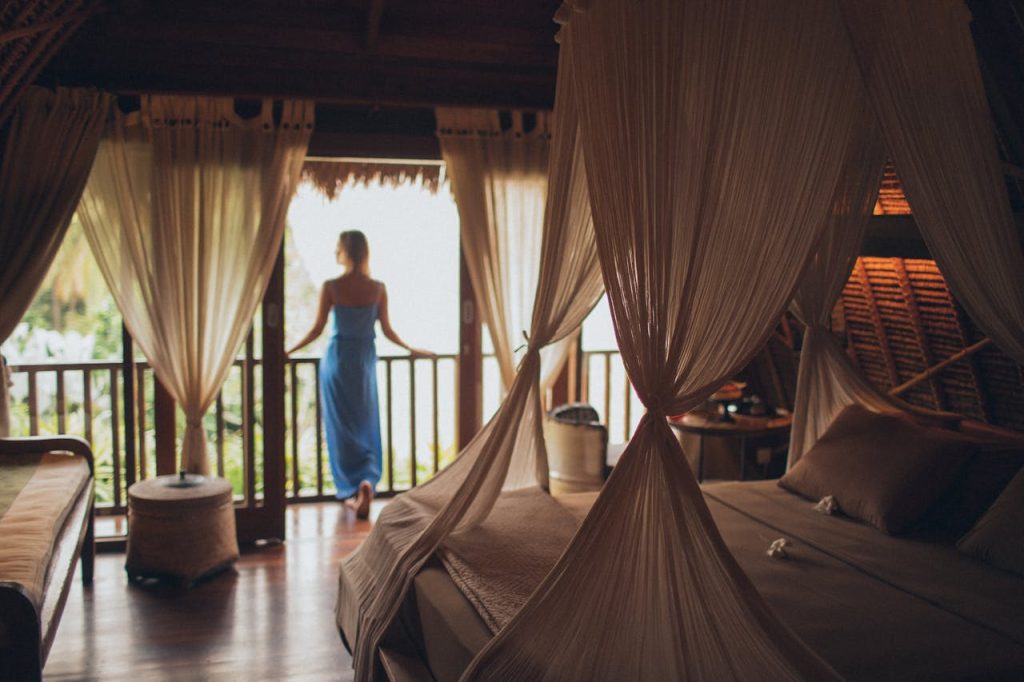
One of the biggest travel myths is that rest steals time from the trip. In reality, rest is often what saves the trip from becoming a blur. A tired traveler cannot enjoy much, no matter how beautiful the destination is.
A slower pace makes rest part of the plan instead of a guilty pause. A long lunch, an early night, or a quiet hour in the room can reset everything. The next part of the day feels sharper because the body is not fighting it.
This matters even more on longer trips. Fatigue builds quietly, and people often notice it only when they start getting irritated by small things. Rest protects the mood before it slips.
When travelers stop treating themselves like machines, the whole experience improves. They become more patient, more curious, and easier to be around. Good travel energy is not random, it is managed.
The Best Moments Usually Happen in the Gaps
Some of the strongest travel memories happen between planned events. They show up while waiting for a train or wandering after dinner.
A slower schedule leaves those gaps open on purpose. That space is where surprise usually enters.
This is when a trip starts feeling less scripted. People follow a smell, a sound, or a side street and find something they never planned for.
It might be a tiny bookstore, a neighborhood festival, or a food stall with a line of locals. None of that appears in a tight itinerary.
These moments feel special because they are discovered, not assigned. There is no pressure to rank them. They simply become the stories people tell first when they come home.
Slow travel also makes room for conversations. A chat with a shop owner or another traveler can change the entire day. Those exchanges usually happen when no one is checking the clock every five minutes.
Even wrong turns improve in this kind of trip. A missed bus or a closed museum becomes a detour instead of a crisis. The day stays intact because the plan had margin.
That margin is what makes slow travel feel human. It gives life a chance to interrupt the schedule in a good way. Most people end up remembering those interruptions the most.
Photos Stop Leading the Entire Day
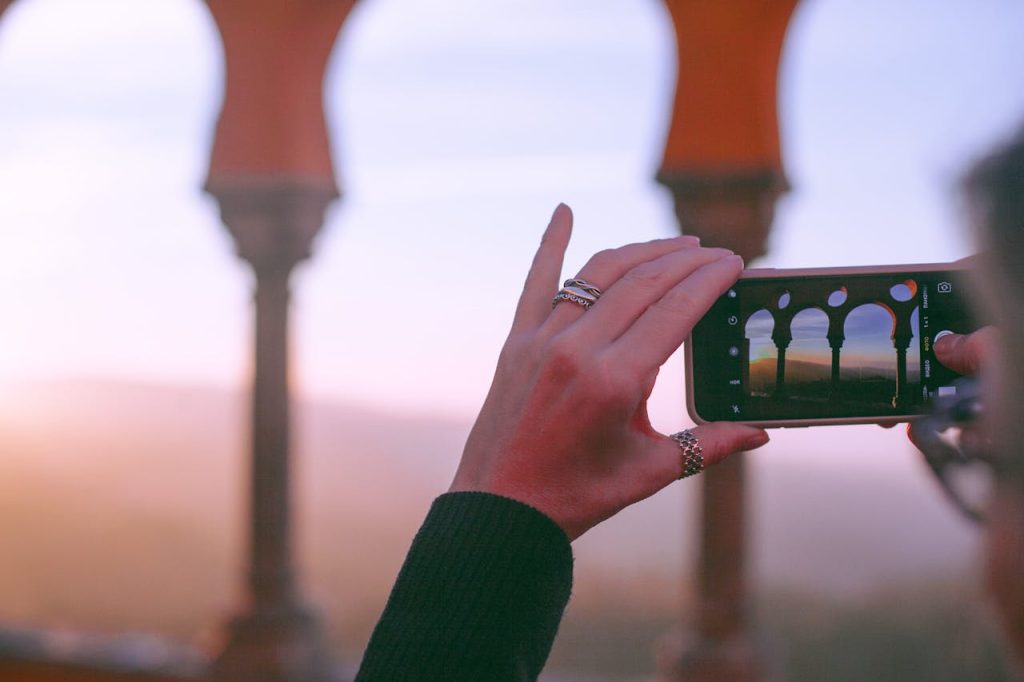
Rushed travel often turns photos into tasks. People collect proof instead of paying attention, then move on before the place has even settled in.
A slower pace changes the role of the camera. Travelers look first, feel the moment, and then decide if it is worth capturing.
That shift makes photos better in every way. The images feel less frantic, and the memories behind them feel more complete. A good photo starts with attention, not speed.
It also reduces the pressure to post everything in real time. The day belongs to the traveler again, not the feed. That alone makes many trips feel more peaceful.
Slowing Down Changes the Way You Come Home
The benefits of slow travel do not end at the airport. People come home with clearer memories, better stories, and less exhaustion.
A rushed trip often feels busy but strangely thin afterward. A slower trip usually feels fuller, even if fewer places were covered.
That is because the mind had time to absorb what happened. Days were not stacked so tightly that everything blurred together.
People also return with a better sense of what they actually enjoy while traveling. They stop copying other people’s pace and start trusting their own.
This changes future trips in a practical way. Planning gets simpler, budgets get smarter, and expectations feel more realistic. Travel becomes easier to repeat, not something that needs a recovery week.
Slower travel can even reshape daily life after the trip. People notice they want fewer rushed weekends and less constant scheduling. The trip teaches a pace they want to keep.
That is the quiet power of traveling without racing the clock. It does not just improve one vacation. It changes how a person moves through time for a while after.
In the end, slowing down makes travel feel better because it lets the experience land. Places become clearer, choices become better, and memories stay longer. The trip finally feels lived, not just completed.